Jewelry and Watch Myths: Fact vs. Fiction
A myth-versus-fact look at jewelry and watches, from gold purity and diamond durability to pearls and watch maintenance, based on encyclopedia references.
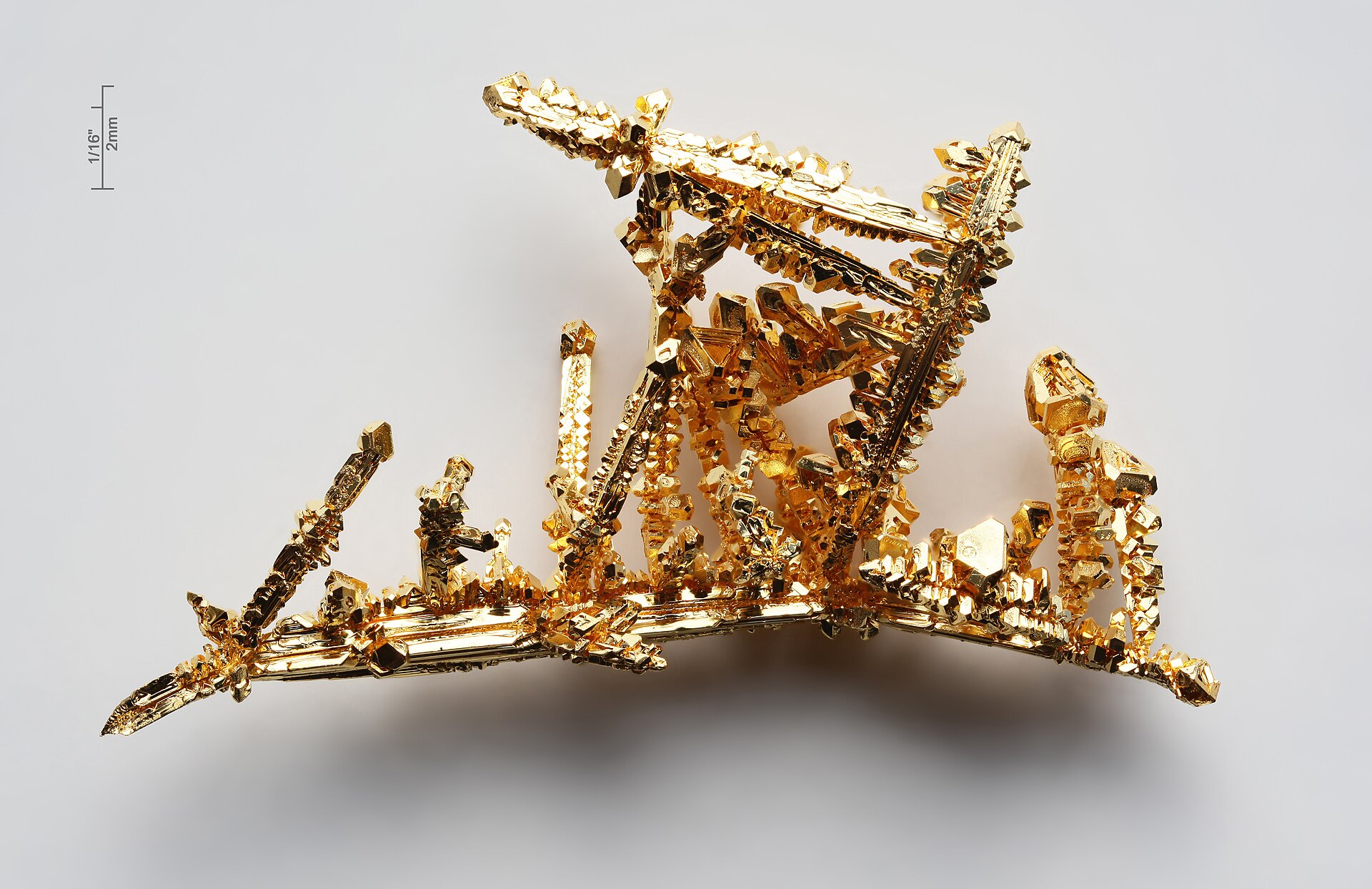
Cover: Own work · Wikimedia Commons · CC BY-SA 3.0 de
Question: What are common myths about jewelry and watches, and what do factual sources say?
Myth: All gold jewelry is pure gold
Many people assume that gold jewelry is made entirely of gold. Encyclopaedia Britannica explains that pure gold is very soft, so jewelers typically mix it with other metals to make it durable enough for everyday wear. Karat markings describe purity, not hardness.
Myth: Gold jewelry never tarnishes or discolors
Pure gold is highly stable and resists corrosion, but most gold jewelry is an alloy. The copper, silver, or other metals mixed into the piece can react with air, perspiration, and cosmetics, which may cause dullness or discoloration.
Myth: Diamonds are unbreakable
Diamond is the hardest natural mineral, so it resists scratching. Encyclopaedia Britannica notes that diamond can still be shattered or chipped by a sharp blow. Hardness and toughness are different properties.
Myth: Pearls last forever
Pearls are made by living mollusks and are composed mostly of calcium carbonate. Encyclopaedia Britannica describes pearls as delicate gemstones that can be damaged by acids, dryness, and harsh chemicals, so they need more care than many mineral gems.
Myth: An expensive mechanical watch never needs servicing
Mechanical watches depend on springs, gears, and lubricants that wear over time. Encyclopaedia Britannica explains that such movements are intricate and require care. Regular servicing is part of keeping a mechanical watch accurate and reliable.