Jewelry and Watch Myths: Hallmarks, Karats, Diamonds, and Service
Karats, hallmarks, diamond hardness, and watch servicing are often misunderstood. A reliable approach is to read labels, ask for documentation, and follow manufacturer care guidance.
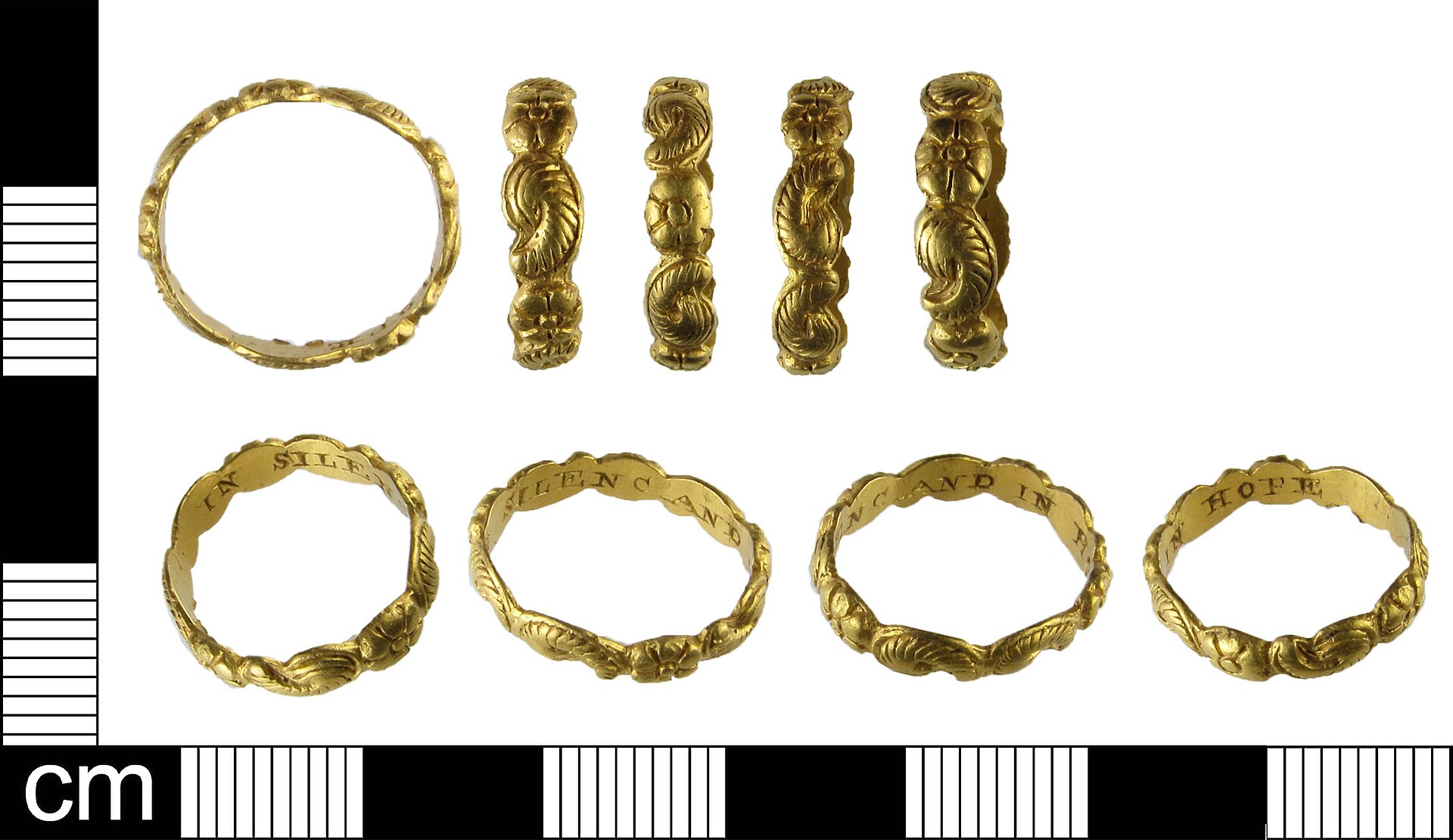
Cover: https://finds.org.uk/database/ajax/download/id/1031082Catalog: https://finds.org.uk/database/images/image/id/1031082/recordtype/artefacts archive copy at the Wayback MachineArtefact: https://finds.org.uk/database/artefacts/record/id/871916 · Wikimedia Commons · CC BY 2.0
Question: Which common beliefs about jewelry and watches are myths, and what should shoppers know instead?
Myth: A hallmark proves overall quality
A hallmark or stamp is primarily a statement about metal content, such as gold purity, not a grade of craftsmanship, design, or value. In the United States, the FTC Jewelry Guides address how precious-metal content and related terms should be described, so the stamp should be read alongside disclosures and receipts.
Myth: Higher-karat gold is always the better choice
Karat measures gold purity by weight: 24k is considered pure gold, 18k is 75% gold, and 14k is about 58.3% gold. Because pure gold is soft, alloys are used for strength and color, so the right karat depends on the piece and how it will be worn.
Myth: Diamonds are indestructible
Diamond is extremely hard, which helps it resist scratching, but hardness is not the same as toughness. Diamonds can chip or fracture, especially at vulnerable points, so settings and separate storage matter.
Myth: A water-resistant watch can be used in any water activity
Water resistance is defined by tests and ratings, not by a permanent seal; gaskets can age and should be checked according to the manufacturer. A watch rated for splashes is not the same as one rated for diving, and ratings should be matched to the activity.
Myth: A watch only needs service when it stops
Mechanical watches can benefit from periodic maintenance, but intervals vary by brand, model, and use. Manufacturer guidance is the most reliable starting point, especially for seals and lubrication.
Myth: Price alone tells you which piece is better
Price can reflect brand, materials, labor, rarity, and marketing as well as measurable quality. Compare fit, materials, documentation, warranty terms, and the maker's care guidance instead of assuming a higher price guarantees a better choice.