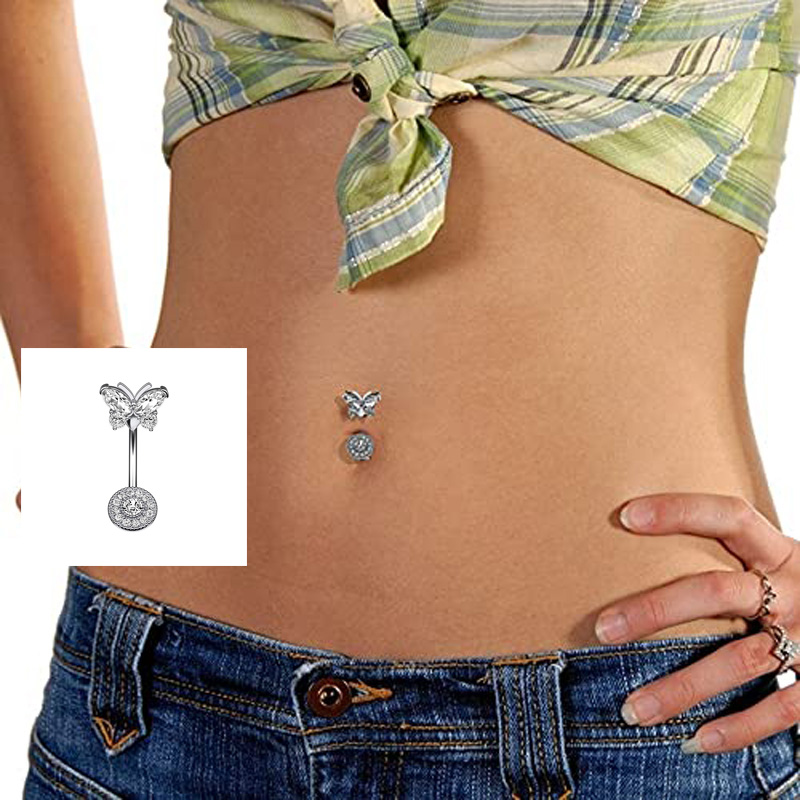

Photos from current listings. Actual item, color, and included accessories may vary.
Body Piercing Jewelry Buying Guide
Body piercing jewelry is implant-grade or fashion-grade metal worn in healed or healing piercings, where the decisive trade-off is material purity and gauge/threading compatibility versus decorative styling. Durable options use implant-grade titanium or 316L stainless steel with standardized gauge and threading; compromises use mystery alloys, nickel-heavy plating, or non-standard sizes that irritate tissue and strip threads.
Median $14.99
Key takeaways
- Implant-grade titanium (ASTM F136, 6AL4V ELI) is the gold standard for healing piercings: nickel-free, lightweight, and hypoallergenic, unlike 316L steel which contains 10-14% nickel.
- Gauge is the primary fit metric: 14G (1.6 mm) is standard for navel, tongue, and most cartilage; 16G (1.2 mm) for eyebrow, lip, and helix; 18G (1.0 mm) for nostril and lobe.
- Threading architecture matters: internally threaded or threadless (push-pin) ends reduce tissue trauma versus externally threaded posts whose exposed threads scrape the piercing channel.
At a glance
- Category
- Body Jewelry
- Last updated
- Nov 28, 2026
Current offers
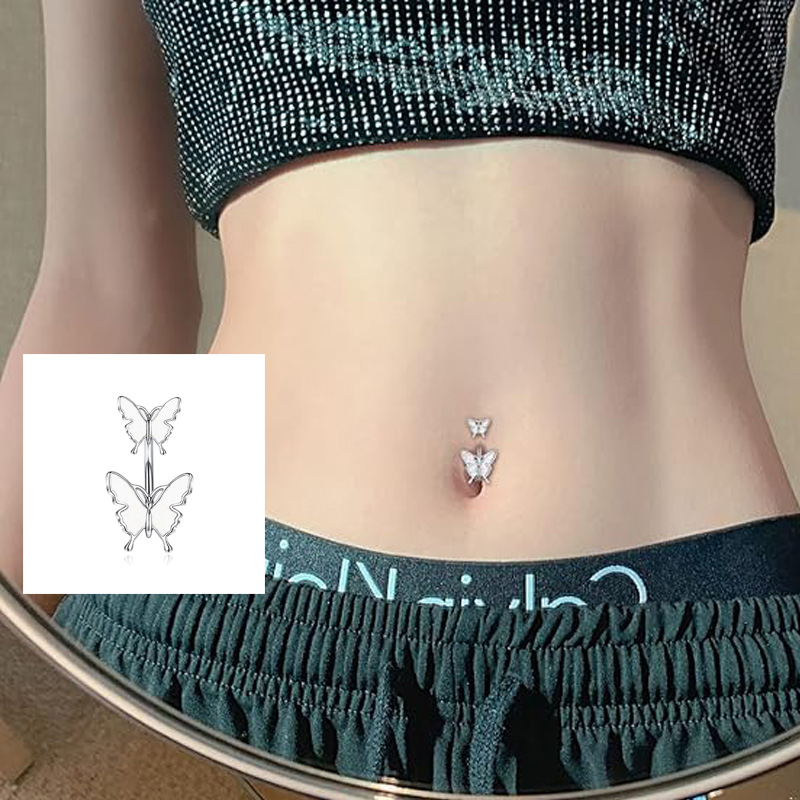
Highlights
- Implant-grade titanium (ASTM F136, 6AL4V ELI) is the gold standard for healing piercings: nickel-free, lightweight, and hypoallergenic, unlike 316L steel which contains 10-14% nickel.
- Gauge is the primary fit metric: 14G (1.6 mm) is standard for navel, tongue, and most cartilage; 16G (1.2 mm) for eyebrow, lip, and helix; 18G (1.0 mm) for nostril and lobe.
- Threading architecture matters: internally threaded or threadless (push-pin) ends reduce tissue trauma versus externally threaded posts whose exposed threads scrape the piercing channel.
- 316L stainless steel is acceptable for healed piercings and fashion wear, but surgical-steel labeling is unregulated; look for ASTM F138 or explicit 316L composition for corrosion resistance.
Best use cases
- Fresh or healing piercings (navel, cartilage, lip): choose ASTM F136 titanium with internally threaded or threadless ends; skip plated fashion jewelry and externally threaded posts.
- Fully healed piercings on a budget: 316L stainless steel with CZ or acrylic accents is fine for daily wear; skip mystery-metal eBay sets with unclear plating.
- High-movement piercings (navel, eyebrow, tongue): select 14G/16G barbells with secure ball or push-pin closures; skip dangle designs with thin wire loops that snag and bend.
- Nickel-sensitive or eczema-prone skin: titanium or niobium only; skip 316L steel and any gold-plated brass, which release nickel and copper salts.
Buying tips
- Match gauge to piercing type before style: 14G (1.6 mm) navel/tongue, 16G (1.2 mm) eyebrow/lip/helix, 18G (1.0 mm) nostril/lobe; a 16G end will not seat in a 14G hole without a taper.
- For healing piercings, buy ASTM F136 titanium; for healed daily wear, 316L stainless steel is sufficient if the listing states 316L and not generic 'surgical steel'.
- Choose internally threaded or threadless ends over externally threaded posts: exposed threads harbor bacteria and cut the fistula during insertion.
- Length matters as much as gauge: navel jewelry typically 3/8"-7/16" (10-11 mm); lip and eyebrow 5/16" (8 mm); buy barbells sized to your healed tissue, not the swollen piercing.
Specs
| Material Grade | ASTM F136 Ti / 316L steel / plated brass |
|---|---|
| Gauge Standard | 14G (1.6mm) / 16G (1.2mm) / 18G (1.0mm) |
| Threading Type | Internal / Threadless / External |
| Jewelry Style | Barbell / Curved barbell / Ring / Dangle |
Related searches
What to check before buying
- Confirm your piercing gauge with a caliper or your piercer: 14G, 16G, or 18G; buying the wrong gauge is the most common return reason.
- Measure healed tissue length for barbell and curved-barbell styles; navel needs 10-11 mm, eyebrow 8 mm, lip 8 mm to avoid embedding or migration.
- Verify material certification: ASTM F136 for titanium, ASTM F138 or explicit 316L for steel; avoid 'surgical steel' with no grade and any plated brass or zinc alloy.
- For navel and surface piercings, check closure type: threaded balls need a thread-check, push-pin ends need a firm seat; dangle charms should hang from a fixed loop, not an open wire.
FAQ
Data sources: eBay / Amazon listings and product attribute feeds. Updated Nov 28, 2026.
Some links on this page are affiliate links. If you buy after clicking one, we may earn a commission at no extra cost to you. This does not change which products appear here or their order. Affiliate disclosure.