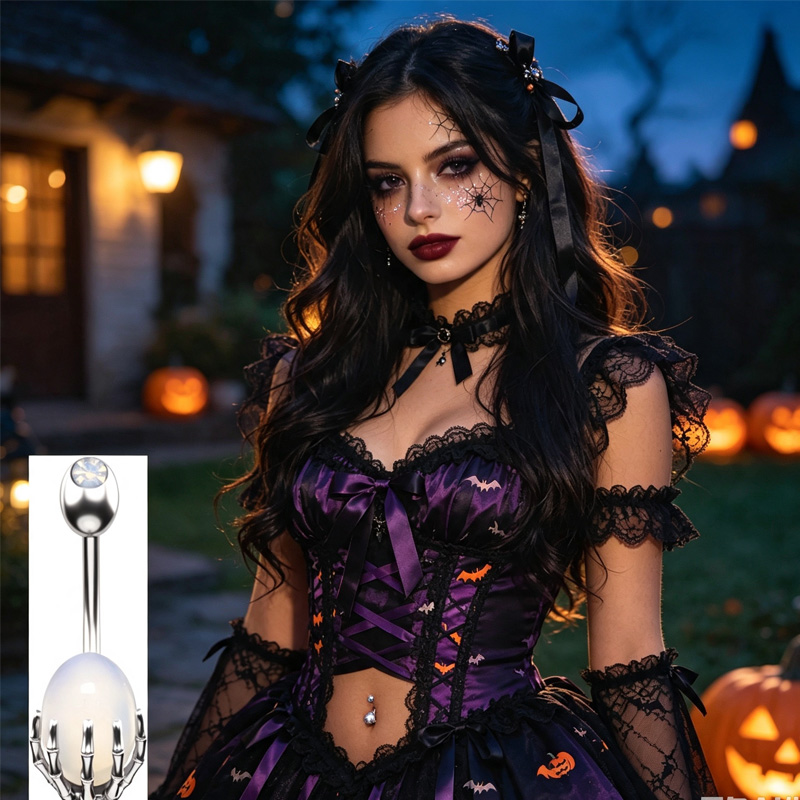

Photos from current listings. Actual item, color, and included accessories may vary.
Stainless Steel Piercing Jewelry Buying Guide
Stainless steel piercing jewelry spans implant-grade 316LVM and 316L surgical steel to cheap 304 and mystery-metal alloys, and the primary trade-off is nickel leaching and thread durability versus price. The clear rule: buy only 316L/316LVM with an explicit mill cert or 'implant-grade' label, and skip any listing that says only 'stainless steel' or 'metal' without a grade.
Median $14.99
Key takeaways
- 316L (ASTM F138) contains 2-3% molybdenum for pitting resistance; 304 lacks it and rusts at piercing sites within weeks.
- Implant-grade 316LVM (ASTM F138/F139) is vacuum-melted for low sulfur and nickel release, the standard for fresh and sensitive piercings.
- External 1.2mm (16G) and 1.6mm (14G) threads are standard; internally threaded or threadless ends reduce canal trauma on insertion.
At a glance
- Category
- Body Jewelry
- Last updated
- Nov 28, 2026
Current offers
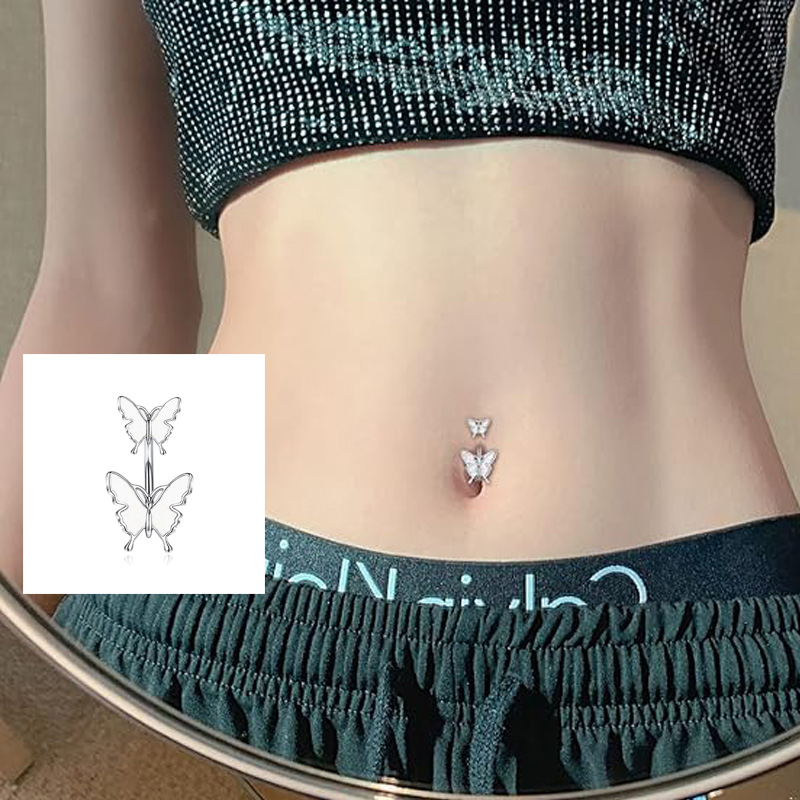
Highlights
- 316L (ASTM F138) contains 2-3% molybdenum for pitting resistance; 304 lacks it and rusts at piercing sites within weeks.
- Implant-grade 316LVM (ASTM F138/F139) is vacuum-melted for low sulfur and nickel release, the standard for fresh and sensitive piercings.
- External 1.2mm (16G) and 1.6mm (14G) threads are standard; internally threaded or threadless ends reduce canal trauma on insertion.
- Gauge-to-jewelry math: 14G = 1.6mm post, 16G = 1.2mm, 18G = 1.0mm; barbell length is measured between ball insets, not overall.
Best use cases
- Fresh or sensitive piercings: choose 316LVM implant-grade with mirror polish; skip coated, plated, or 'surgical steel' generics.
- Healed navel and cartilage: 316L 14G (1.6mm) curved barbell or 16G labret is correct; skip 18G-20G which cheese-cutters through healed tissue.
- Daily-wear with costume change: 316L with CZ or opal cabochons is fine for healed piercings; skip 304 fashion rings for anything worn 24/7.
- Active/swimming lifestyle: choose PVD-coated 316L for chlorine resistance but only on fully healed piercings; skip plating over brass or zinc alloy.
Buying tips
- Demand the grade code: 316L, 316LVM, or ASTM F138 on the listing; 'surgical steel' alone is a marketing term with no standard.
- Match gauge to piercing: 14G (1.6mm) navel and tongue, 16G (1.2mm) cartilage, eyebrow and labret, 18G (1.0mm) nostril and daith.
- For new piercings pick internally threaded or threadless; external threads scrape the fistula and harbor bacteria in the thread grooves.
- Nickel-sensitive buyers should choose 316LVM or titanium; standard 316L still releases trace nickel in sweat and chlorinated water.
Specs
| Steel Grade | 316LVM implant vs 316L vs 304 |
|---|---|
| Gauge Standard | 14G 1.6mm / 16G 1.2mm / 18G 1.0mm |
| Thread Type | Internal / Threadless vs External |
| Finish & Coating | Mirror polish / PVD / plated |
Related searches
What to check before buying
- Measure existing jewelry: post length in mm and gauge in mm or gauge number before ordering a replacement barbell or ring.
- Confirm the piercing is fully healed (6-12 months for navel, 3-6 for cartilage) before switching to coated, plated, or gem-set steel.
- Check ball/end thread standard: 1.2mm (16G), 1.6mm (14G), or 0.9mm (18G) internal vs external so replacement ends fit your post.
- For swimming or hot tubs, confirm PVD or anodized finish and avoid chlorine exposure with uncoated 316L if nickel-sensitive.
FAQ
Data sources: eBay / Amazon listings and product attribute feeds. Updated Nov 28, 2026.
Some links on this page are affiliate links. If you buy after clicking one, we may earn a commission at no extra cost to you. This does not change which products appear here or their order. Affiliate disclosure.