
Photos from current listings. Actual item, color, and included accessories may vary.
Surgical Steel Belly Ring Buying Guide
Surgical steel belly rings are navel piercings made from implant-grade 316L stainless steel, the baseline material for affordable, corrosion-resistant body jewelry. The core trade-off is between 316L steel (durable, budget-friendly, but contains nickel) and nickel-free alternatives like titanium for sensitive skin. The decision rule: buy 316L with a 14G (1.6mm) bar and a 3/8" to 7/16" length for standard navels; skip anything labeled only 'surgical steel' without a 316L or 316LVM grade.
Median $10.99
Key takeaways
- 316L stainless steel is the standard surgical grade for body jewelry—implant-grade 316LVM is the vacuum-melted upgrade for fresh piercings.
- Standard navel gauge is 14G (1.6mm); 12G (2.0mm) suits thicker tissue, while 16G (1.2mm) is too thin and risks migration.
- Bar length for healed navels runs 3/8" (10mm) to 7/16" (11mm); 1/2" (12mm) fits swelling or deeper navel anatomy.
At a glance
- Category
- Body Jewelry
- Last updated
- Nov 24, 2026
Current offers
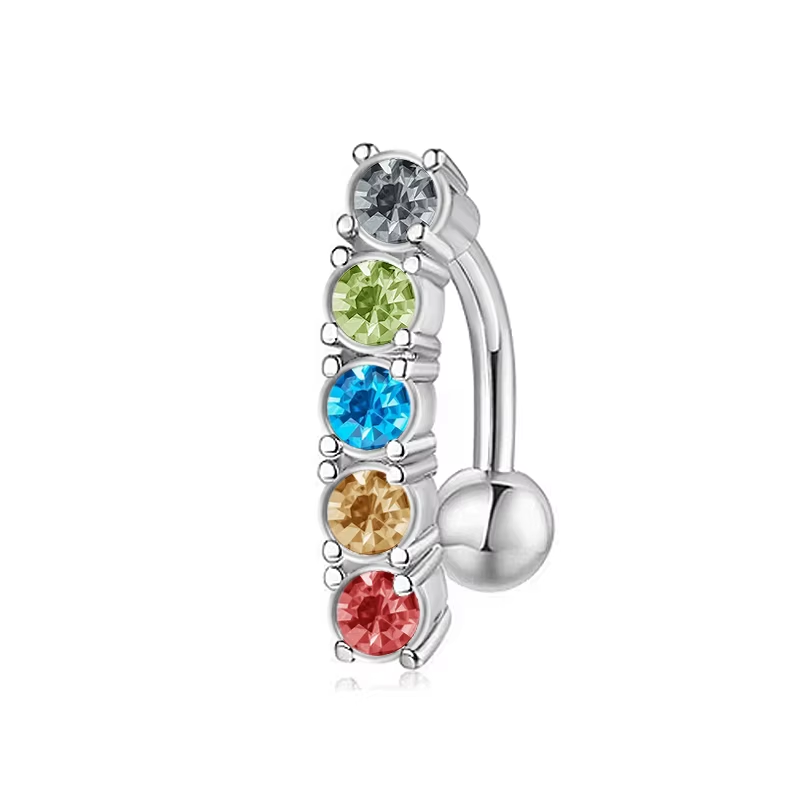 Zirconia Colorful 5 CZ Vertical Drop Top Down Belly Navel Ring (316L) Surgical Steel 14g (1.6mm)$10.99View on Mallflare
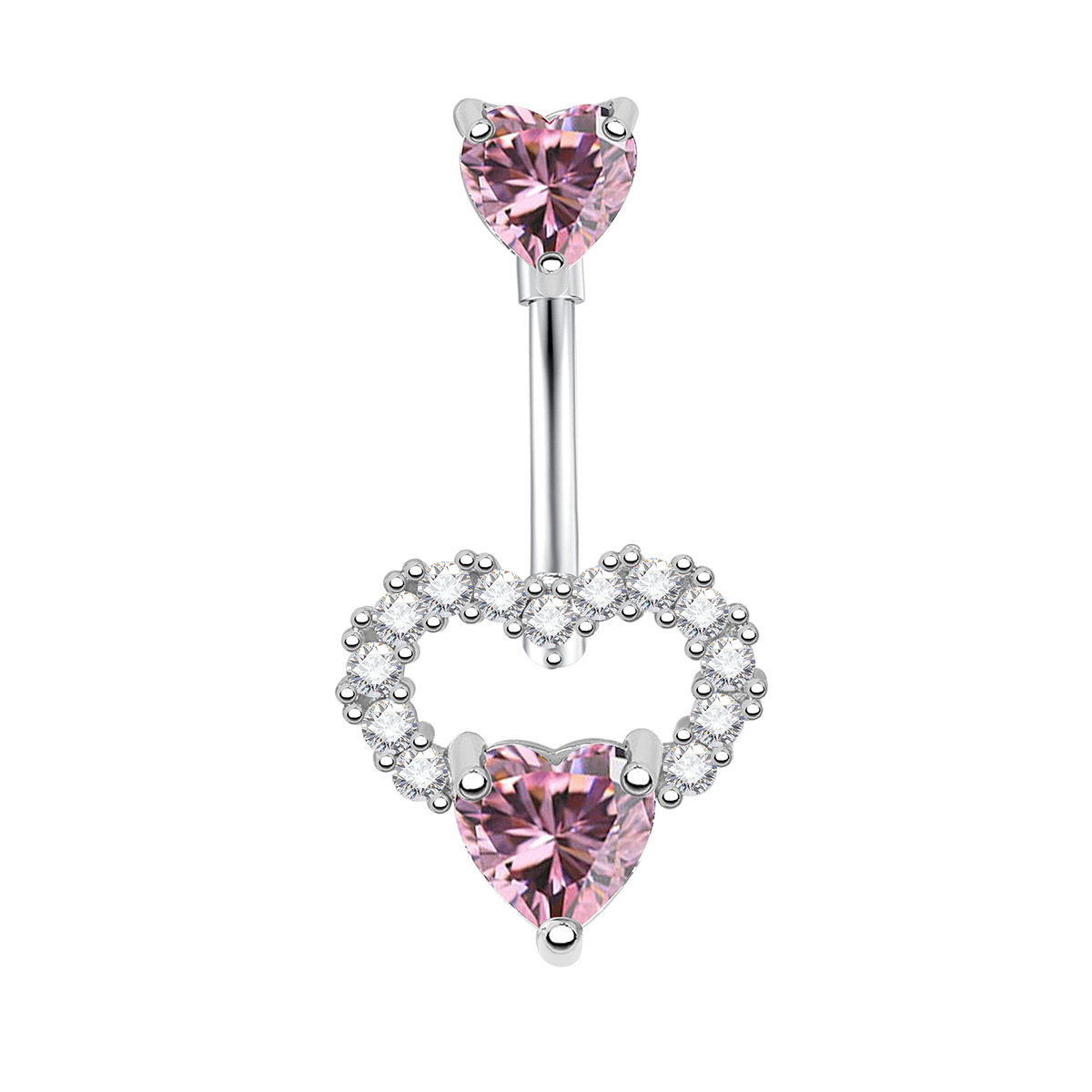 Surgical Steel Heart Navel Ring, Female Fashion Hanging Straight Pull Butterfly Piercing, Barbell$10.99View on Mallflare
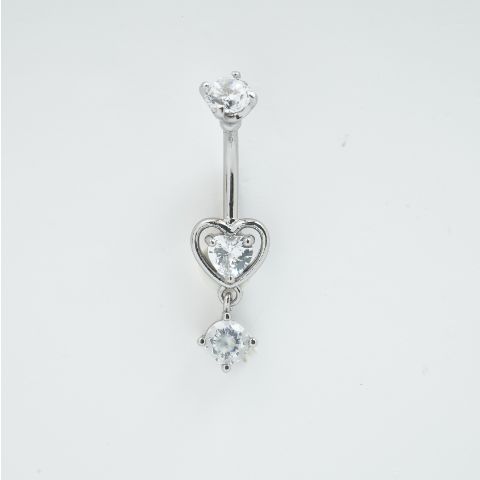 1 Piece Of Surgical Steel Pendant Belly Button Ring CZ Heart-shaped Curved Barbell Zircon Mainly Used For Women's Daily Wear$10.99View on Mallflare
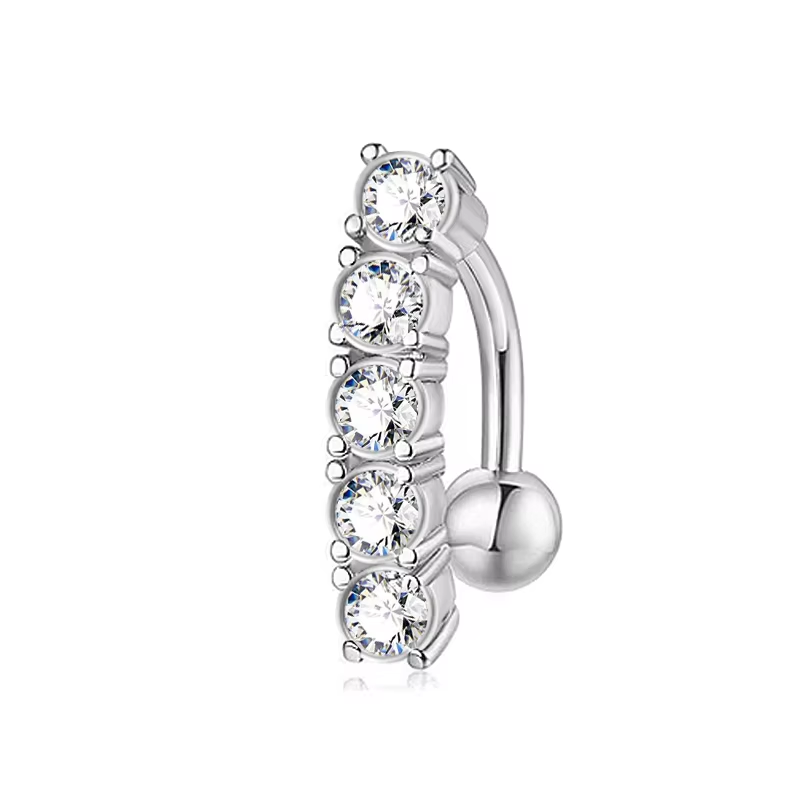 Zirconia White 5 CZ Vertical Drop Top Down Belly Navel Ring (316L) Surgical Steel 14g (1.6mm)$10.99View on Mallflare
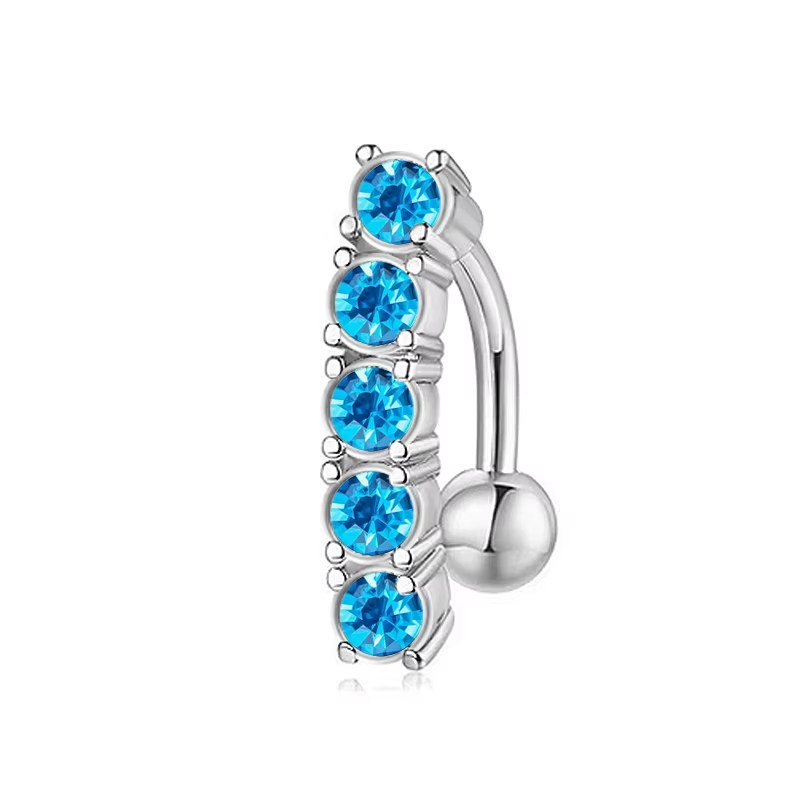 Zirconia Bule 5 CZ Vertical Drop Top Down Belly Navel Ring (316L) Surgical Steel 14g (1.6mm)$10.99View on Mallflare
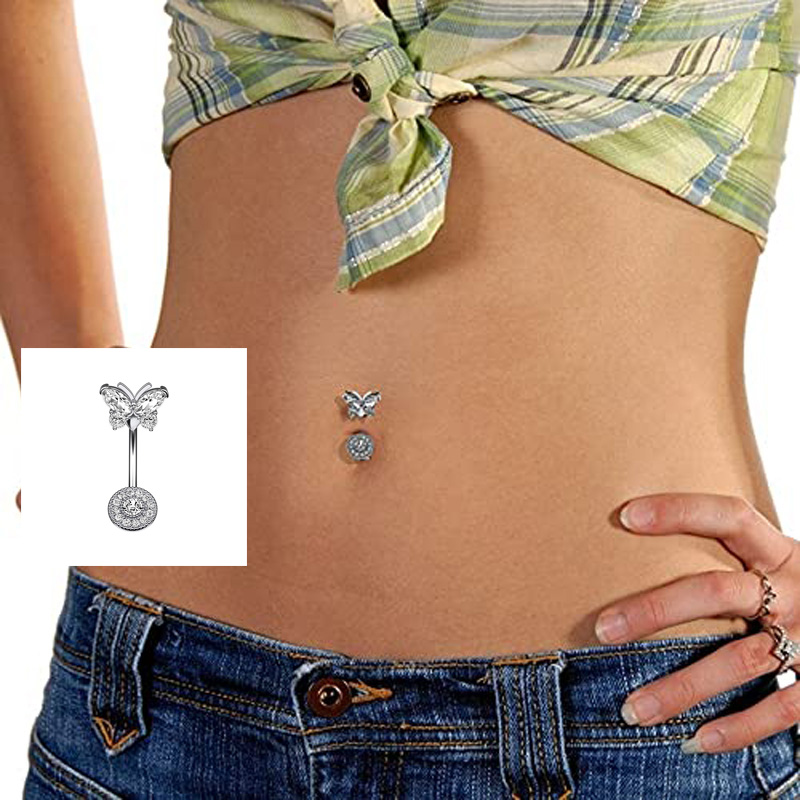 Novel Belly Button Ring Surgical Steel CZ Barbell Butterfly Piercing Jewelry Body Retainer 14G$14.99View on Mallflare
Highlights
- 316L stainless steel is the standard surgical grade for body jewelry—implant-grade 316LVM is the vacuum-melted upgrade for fresh piercings.
- Standard navel gauge is 14G (1.6mm); 12G (2.0mm) suits thicker tissue, while 16G (1.2mm) is too thin and risks migration.
- Bar length for healed navels runs 3/8" (10mm) to 7/16" (11mm); 1/2" (12mm) fits swelling or deeper navel anatomy.
- Externally threaded vs internally threaded ends matter: internal threading reduces tissue trauma during jewelry changes.
Best use cases
- Best fit: healed navel piercings needing affordable, durable everyday jewelry—choose 316L 14G with a 3/8" bar and CZ or plain ball ends.
- Best fit: fresh or sensitive piercings—pick implant-grade titanium (ASTM F136) over 316L to eliminate nickel reaction risk.
- Wrong fit: anyone with diagnosed nickel allergy—skip 316L entirely; it contains 8-12% nickel and can leach in prolonged wear.
- Wrong fit: swimming or high-friction sports without a retainer—use a flexible bioflex or PTFE retainer instead of steel.
Buying tips
- Match gauge to your piercing: 14G (1.6mm) is the universal standard; do not size up to 12G without a piercer's confirmation.
- Measure your navel depth before buying: add 1/8" (3mm) to your measured depth for the correct bar length; too-short bars embed.
- Demand the grade: 316L or 316LVM should be stamped or stated; 'surgical steel' alone is a marketing term with no fixed alloy standard.
- Choose internally threaded or threadless ends for comfort—external threads scrape the piercing channel on insertion and removal.
Specs
| Material Grade | 316L / 316LVM stainless steel |
|---|---|
| Standard Gauge | 14G (1.6mm) / 12G (2.0mm) |
| Bar Length | 3/8"–7/16" (10–11mm) standard |
| Threading Type | Externally vs internally threaded |
Related searches
What to check before buying
- Confirm your piercing is fully healed (typically 6-12 months) before switching to steel jewelry—fresh piercings need titanium.
- Measure navel depth with a caliper or ask your piercer; add 3mm for the bar length to avoid embedding or excess movement.
- Check the end style: 5mm or 6mm ball/CZ tops suit standard navels; oversized tops snag on clothing and cause migration.
- Verify the threading type and ball size match your existing jewelry if you plan to swap ends between bars.
FAQ
Data sources: eBay / Amazon listings and product attribute feeds. Updated Nov 24, 2026.
Some links on this page are affiliate links. If you buy after clicking one, we may earn a commission at no extra cost to you. This does not change which products appear here or their order. Affiliate disclosure.