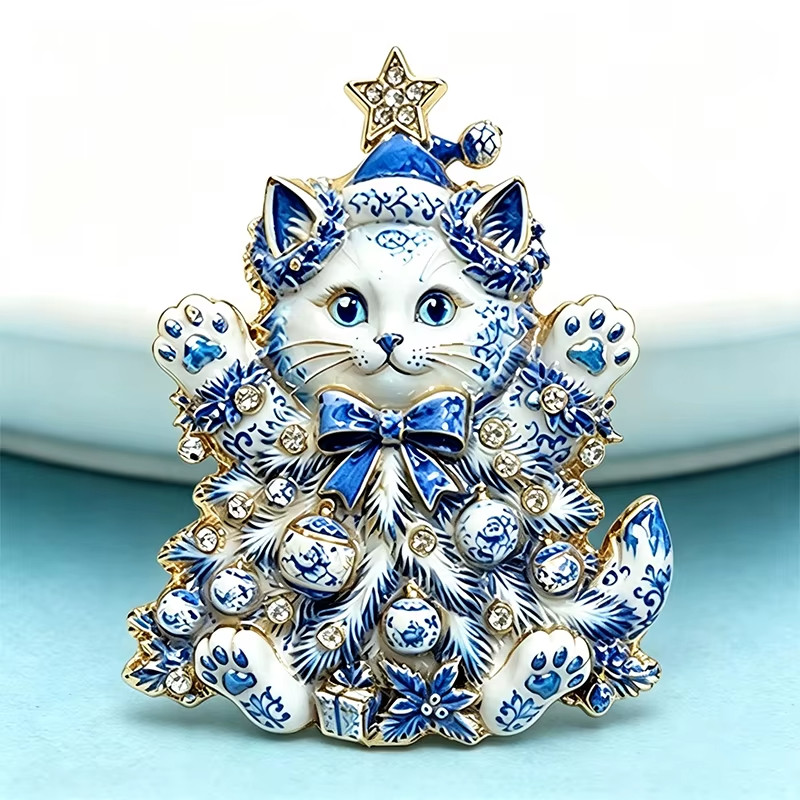

Photos from current listings. Actual item, color, and included accessories may vary.
Brooch Buying Guide
A brooch or lapel pin is a decorative fastener that attaches to fabric, and the primary trade-off is between plating thickness/base-metal quality and rhinestone/enamel setting method. Durable options use thick gold-filled or rhodium-plated brass with prong-set stones; compromises use thin electroplate over pot metal with glued rhinestones. Choose by metal grade and clasp type first, then silhouette and stone count.
Key takeaways
- Base metal determines lifespan: brass and copper alloys hold plating 3-5x longer than zinc pot metal, which pits and flakes under sweat and perfume.
- Plating grade matters: 1-3 micron gold or rhodium electroplate wears through in months; 10+ micron or gold-filled (1/20) constructions last years of daily wear.
- Stone setting is the failure point: prong-set or bezel-set crystals stay put; glued rhinestones shed in dry cleaning, heat, and repeated pinning.
At a glance
- Category
- Brooches & Lapel Pins
- Last updated
- Nov 29, 2026
Current offers
Highlights
- Base metal determines lifespan: brass and copper alloys hold plating 3-5x longer than zinc pot metal, which pits and flakes under sweat and perfume.
- Plating grade matters: 1-3 micron gold or rhodium electroplate wears through in months; 10+ micron or gold-filled (1/20) constructions last years of daily wear.
- Stone setting is the failure point: prong-set or bezel-set crystals stay put; glued rhinestones shed in dry cleaning, heat, and repeated pinning.
- Clasp architecture controls security: locking safety-roll clasps stay put on coats and knits; simple wire-back or stick-pin friction backs slip and bend.
Best use cases
- Daily wear on coats, blazers, or knits: pick brass-core with safety-roll clasp and prong-set stones; skip pot-metal fashion pins with glued rhinestones.
- Formal dress or evening wear: choose rhodium-plated or gold-filled settings with bezel-set crystals for snag-free, secure attachment; skip oversized novelty pins that outmass light fabrics.
- Menswear lapel and tie: select compact 1.5-2.5 inch pins with a locking back and no dangling elements; skip magnetic backs that shift on suit wool.
- Vintage or figural collecting: prioritize signed gold-tone pieces (Avon, Monet) with intact enamel and original clasps; skip re-plated pot-metal reproductions sold as vintage.
Buying tips
- Match pin length to garment: 1-2 inches for lapels and collars, 2.5-3.5 inches for coat fronts, 4+ inches only for shawls and statement pieces.
- Weigh the piece: under 15 g wears comfortably on blouses; over 30 g needs a locking clasp and heavier fabric to avoid sagging.
- Choose prong-set or bezel-set stones over glued rhinestones; check that stone cups are metal, not plastic, for long-term retention.
- For gold-tone pieces, prefer gold-filled (marked 1/20 GF) or 10+ micron plate; thin flash plating on pot metal tarnishes within a season.
Specs
| Base Metal | Brass/copper alloy vs zinc pot metal |
|---|---|
| Plating Grade | Gold-filled 1/20 vs 1-3 micron plate |
| Stone Setting | Prong/bezel-set vs glued rhinestone |
| Clasp Type | Safety-roll locking vs wire/friction back |
Related searches
What to check before buying
- Measure the attachment area: lapel width, collar spread, or coat front panel must exceed the brooch's total length by at least 0.5 inch.
- Confirm fabric weight: lightweight silk and chiffon need pins under 10 g with fine-gauge needles; wool and denim accept heavier pieces.
- Check clasp type before buying: safety-roll or locking bar for outerwear; magnetic backs only on structured, non-stretch fabrics.
- For gold or silver tones, verify metal marking (GF, RGP, 925, or plated) to gauge plating durability and care requirements.
FAQ
Data sources: eBay / Amazon listings and product attribute feeds. Updated Nov 29, 2026.
Some links on this page are affiliate links. If you buy after clicking one, we may earn a commission at no extra cost to you. This does not change which products appear here or their order. Affiliate disclosure.