
Photos from current listings. Actual item, color, and included accessories may vary.
14k Necklace With Diamond Buying Guide
A 14k necklace with diamond spans two very different products: solid 14k gold fine jewelry with genuine or lab-grown diamonds, and gold-plated or gold-finished base metal set with cubic zirconia or created stones. The decisive trade-off is gold purity and diamond origin versus price: solid 14k (".585" stamp) with a certified natural or lab-grown diamond holds value and resists tarnish, while "14K Gold Plated/Finish" jewelry is a costume piece with a thin gold layer over brass or steel. Buy only solid 14k with a stamped purity mark and a stated diamond grading for a lifetime piece; treat plated or finished items as fashion jewelry with a limited wear life.
Median $139.00
Key takeaways
- Solid 14k gold is 58.5% pure gold and must carry a "14K" or ".585" stamp; "14K Gold Plated" or "14K Gold Finish" means a microscopic gold layer over base metal with no gold content guarantee.
- Diamond quality is set by the 4Cs: color grades D–F are colorless, G–J near-colorless; SI1–SI2 clarity is eye-clean, VS2–VS1 is clean under magnification; GIA or IGI reports verify natural or lab-grown origin.
- Lab-grown diamonds are chemically and optically identical to natural diamonds, cost roughly 30–50% less at retail, and are graded on the same 4Cs scale; created or simulated stones are not diamonds and have no resale value.
At a glance
- Category
- Necklaces & Bracelets
- Last updated
- Nov 27, 2026
Current offers
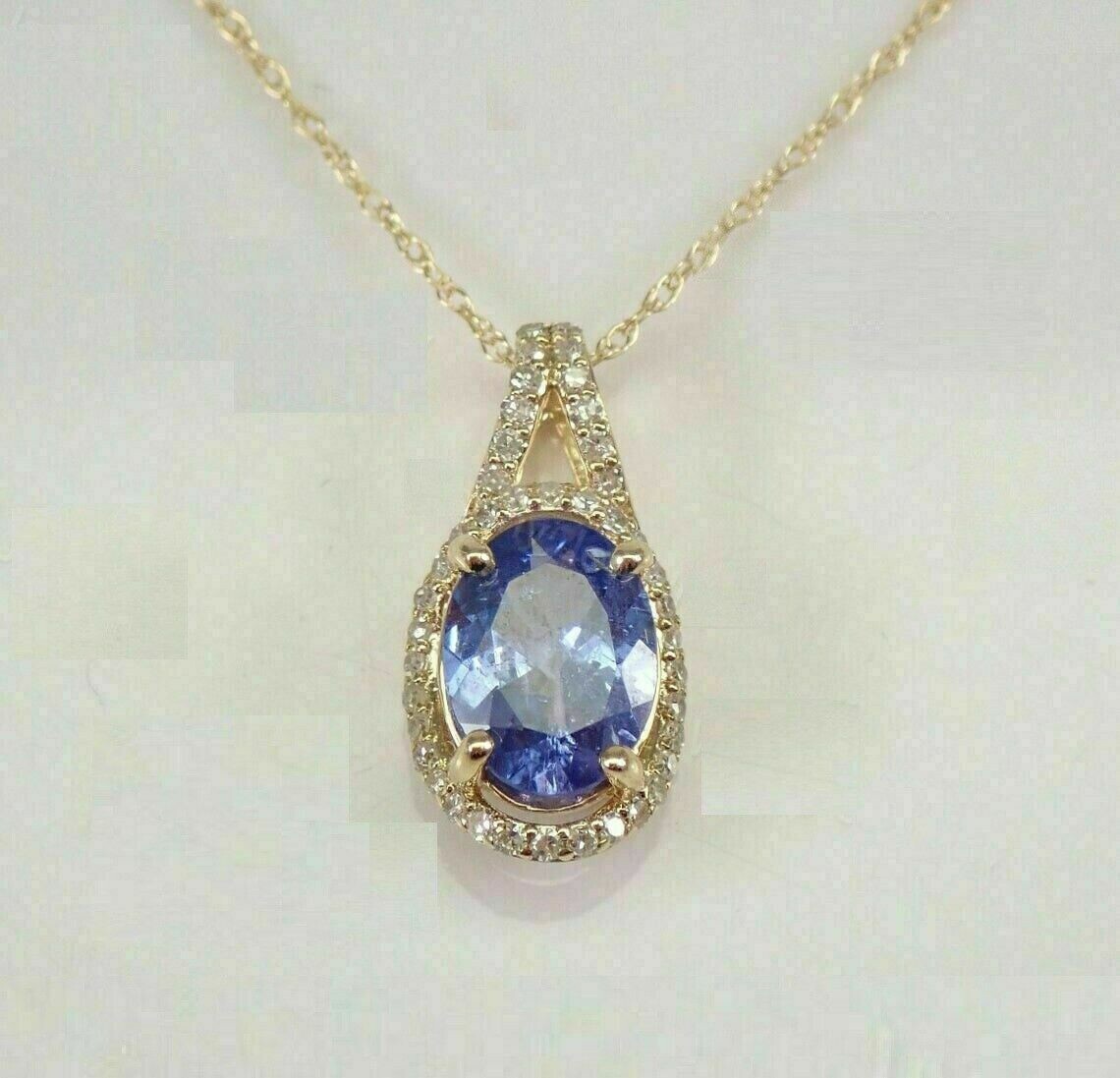 2Ct Oval Cut Blue Tanzanite Diamond Halo Pendant Necklace 14K Yellow Gold Finish$52.00Last checked Nov 20, 2026View on eBay
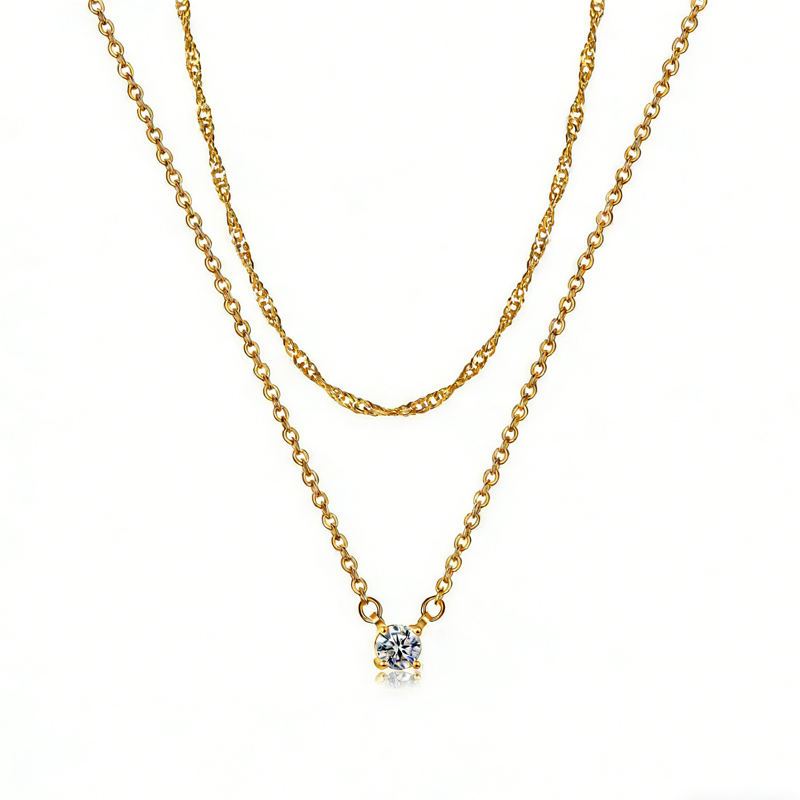 Dainty Diamond Solitaire Pendant Necklaces For Women, 14K Gold Plated Single Round Cubic Zirconia Square Simulated Choker Necklace Jewelry Gifts$18.99View on Mallflare
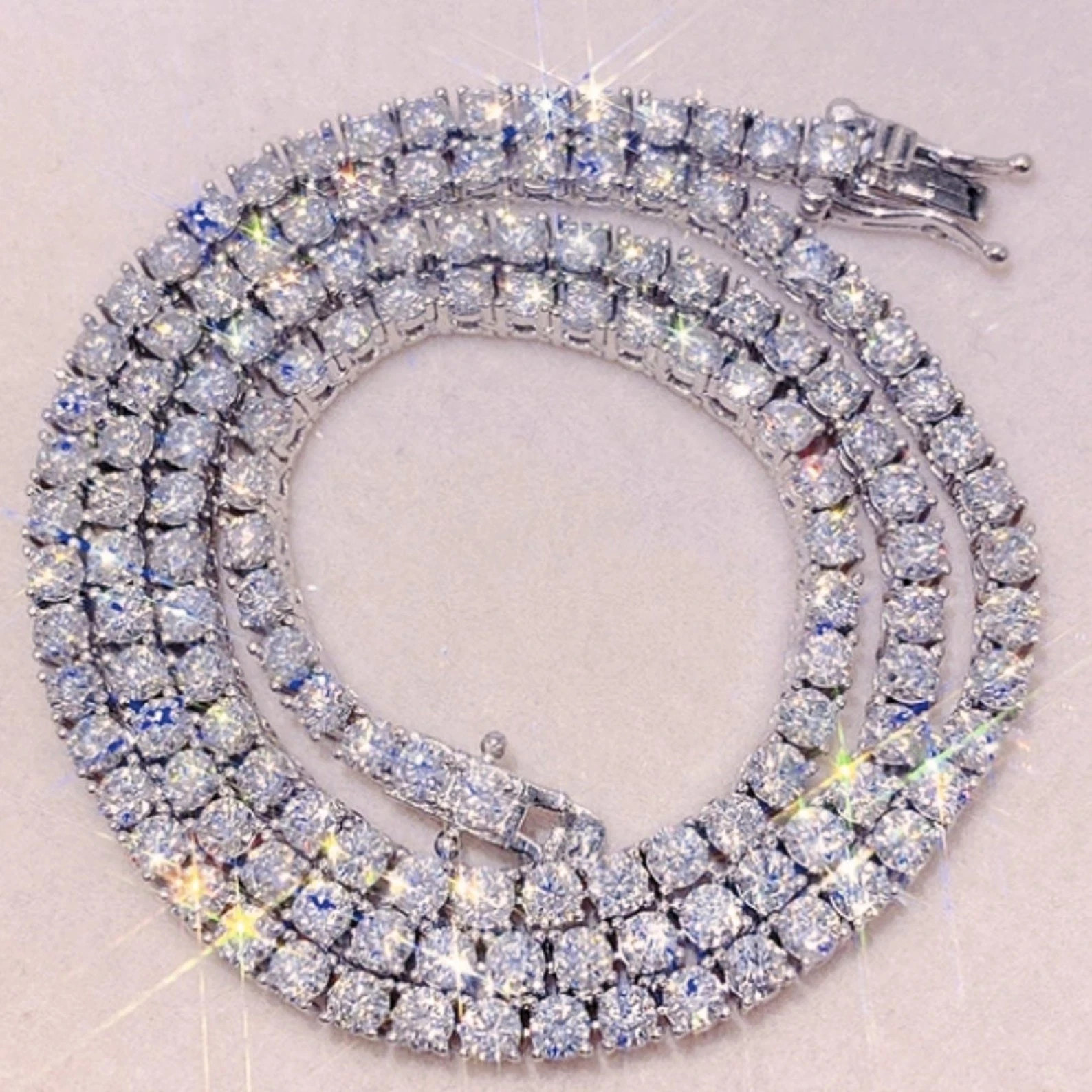 12.40Ct Round Cut Lab Grown Diamond Men's Tennis Necklace 14k White Gold Plated$121.99Last checked Nov 24, 2026View on eBay
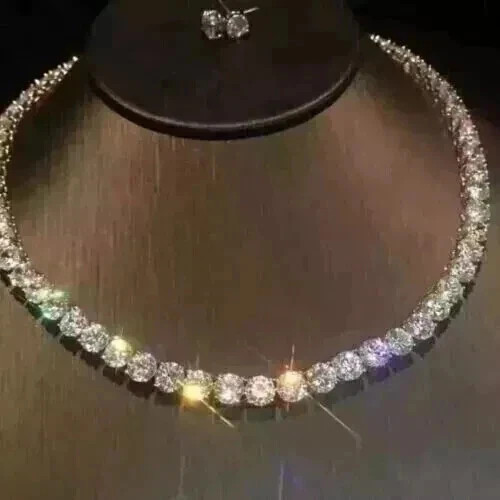 Women's Tennis Necklace 20Ct Round Cut Lab Created Diamond 14K White Gold Plated$139.00Last checked Nov 19, 2026View on eBay
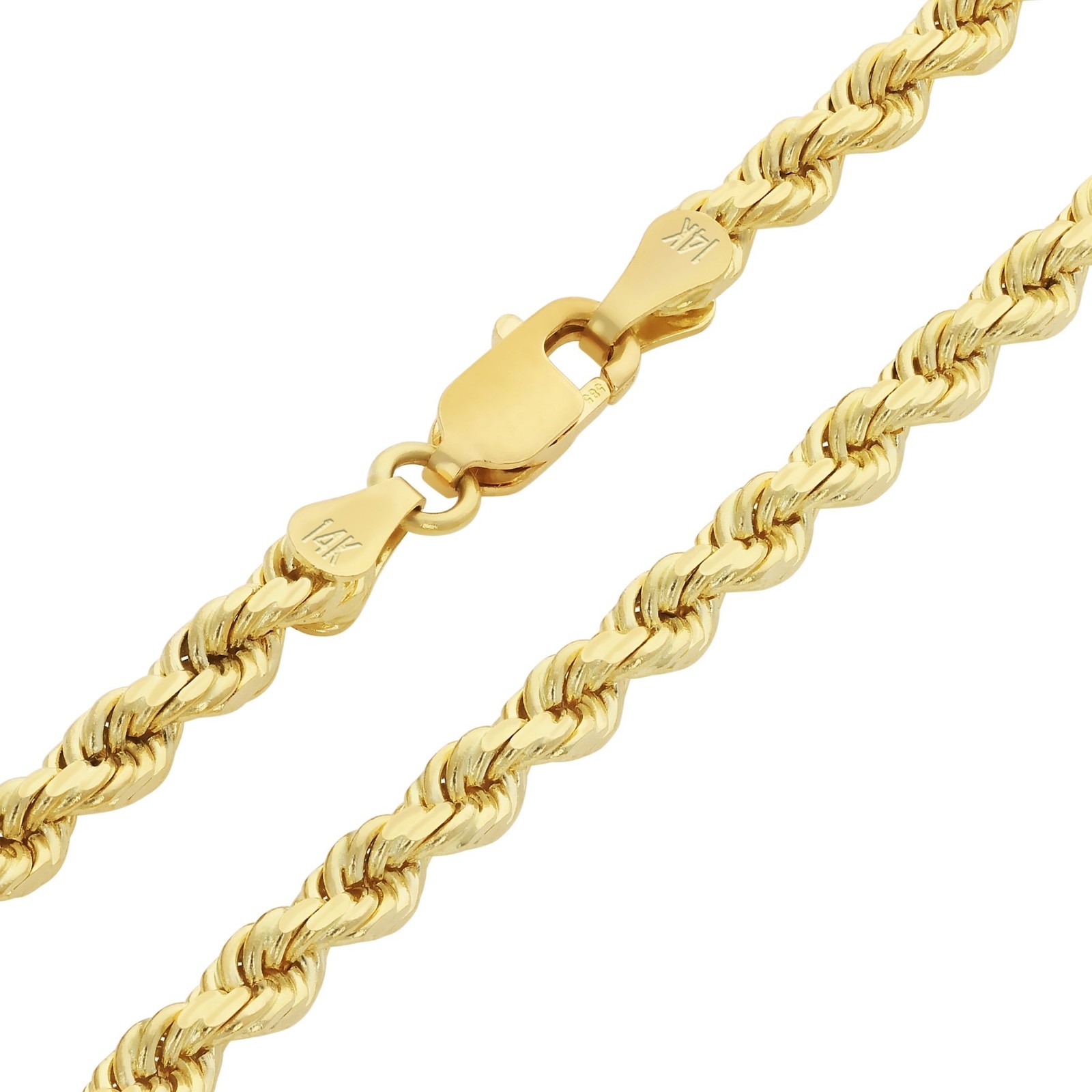 14K Yellow Gold Diamond Cut Rope Chain Necklace 1.5mm - 5mm, Men Women 16"- 30"$204.75Last checked Nov 16, 2026View on eBay
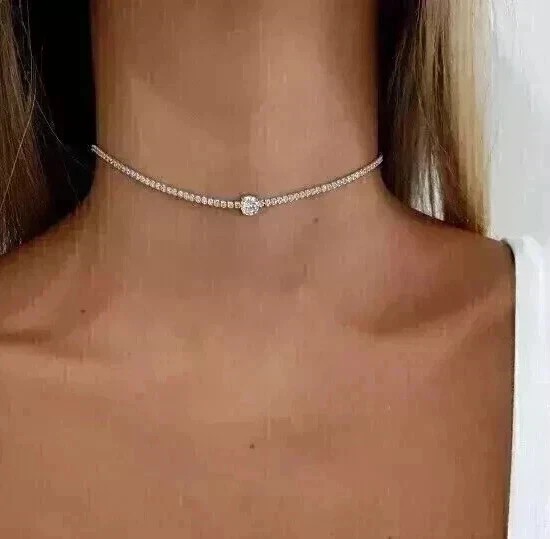 10 ctw Round Cut Created Diamond Women Choker Necklace 14K White Gold Finish 15"$224.16Last checked Nov 14, 2026View on eBay
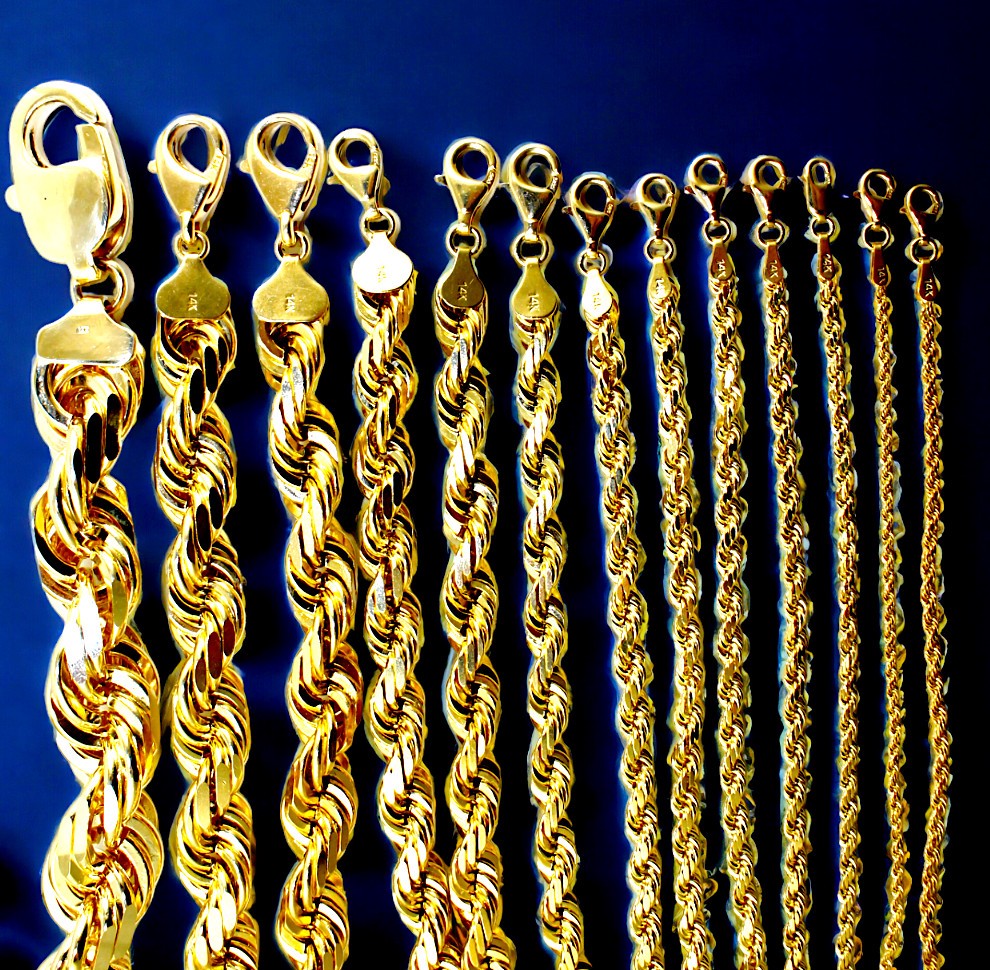 14K Yellow Gold Rope Chain Necklace Diamond Cut Real Gold 1mm-10mm 16"-30"$757.00Last checked Nov 16, 2026View on eBay
Highlights
- Solid 14k gold is 58.5% pure gold and must carry a "14K" or ".585" stamp; "14K Gold Plated" or "14K Gold Finish" means a microscopic gold layer over base metal with no gold content guarantee.
- Diamond quality is set by the 4Cs: color grades D–F are colorless, G–J near-colorless; SI1–SI2 clarity is eye-clean, VS2–VS1 is clean under magnification; GIA or IGI reports verify natural or lab-grown origin.
- Lab-grown diamonds are chemically and optically identical to natural diamonds, cost roughly 30–50% less at retail, and are graded on the same 4Cs scale; created or simulated stones are not diamonds and have no resale value.
- Chain construction determines durability: solid rope or cable chains in 1.5–2mm hold up to daily wear; box or snake chains kink; hollow or plated chains crush and flake; tennis settings should use four-prong or bezel settings for stone security.
Best use cases
- Daily-wear pendant: choose a solid 14k gold solitaire pendant on a 1.5–2mm cable or rope chain with a bezel-set diamond — bezels protect the stone and resist snagging on clothing.
- Statement or evening piece: a 14k tennis necklace with 2ct+ total weight works for occasional wear; skip plated 15–20ct tennis pieces for daily use because settings loosen and plating wears through.
- Gift or milestone purchase: buy solid 14k with a GIA or IGI-graded lab-grown or natural diamond and a written appraisal; skip "gold finish" or CZ pendants when the intent is a keepsake.
Buying tips
- Verify the stamp: solid 14k reads "14K" or ".585"; "14K GP", "14K GF", or "14K Finish" indicates plating or gold fill, not solid gold. A magnet test and jeweler's loupe confirm.
- Size the chain to the neckline: 16" sits at the collarbone, 18" at the sternum, 20" below the collarbone; pendants under 1/2" suit 16–18", larger pendants need 20" or more to sit flat.
- Set a diamond budget rule by 4Cs: prioritize cut (Excellent/Ideal) first, then carat, then color (G–H is the value sweet spot), then clarity (SI1 eye-clean); avoid "I3" or ungraded stones in fine jewelry.
- Match chain width to pendant weight: pendants under 1 gram suit 1–1.5mm chains; pendants over 2 grams need 2mm+ or a hidden bail to prevent chain stretch and breakage.
Specs
| Metal Purity | Solid 14K (.585) vs Plated/Finish |
|---|---|
| Diamond Type | Natural / Lab-Grown vs CZ Simulant |
| Diamond Grading | GIA/IGI certified vs ungraded |
| Chain Type | Solid rope/cable 1.5–2mm vs plated |
Related searches
What to check before buying
- Confirm the metal stamp and test: look for "14K" or ".585" on the clasp tag; plated pieces are marked "GP", "GF", or "Finish" and will not pass a jeweler's acid test.
- Measure your neck and preferred drop: use a string to mark where you want the pendant to rest; add 2" to your neck circumference for a choker fit, 4" for a standard pendant fit.
- Check diamond documentation: request the GIA or IGI report number and match it to the stone; ungraded "created" or "simulated" stones are not certified diamonds.
- Verify clasp and chain construction: lobster claws in 14k gold are secure; spring rings are less durable; solid rope or cable chains outlast hollow or box chains for daily wear.
FAQ
Data sources: eBay / Amazon listings and product attribute feeds. Updated Nov 27, 2026.
Some links on this page are affiliate links. If you buy after clicking one, we may earn a commission at no extra cost to you. This does not change which products appear here or their order. Affiliate disclosure.