
Photos from current listings. Actual item, color, and included accessories may vary.
18k Bracelet Buying Guide
18k bracelets range from solid gold heirlooms to gold-plated fashion pieces, and the core trade-off is gold content versus cost: solid 18k (75% gold) resists tarnish permanently but costs multiples more, while 18k-plated stainless or sterling gives the look at a fraction of the price with finite plating life. The decision rule is simple—buy solid 18k when the piece is worn daily for years and carries resale value; buy 18k-plated 316L stainless or sterling when you want trend-driven style and accept re-plating or replacement after years of wear. Never confuse '18k gold over sterling' (plated) with '18k solid gold' (hallmarked 750).
Median $15.05
Key takeaways
- Solid 18k gold is 75% pure gold alloyed with copper/silver for hardness—hallmarked 750—and never tarnishes, while 18k gold-plated items carry only a micro-layer of gold over brass, stainless steel, or sterling silver.
- 316L stainless steel is the most durable plating substrate for daily wear: it resists rust, chlorine, and sweat, so 18k-plated 316L outlasts plated brass by years even though the gold layer eventually wears.
- Cuban link bracelets are defined by link width and weight: 6mm suits everyday wear, 10mm is a heavy statement piece, and solid links (not hollow) determine whether the chain dents or holds shape.
At a glance
- Category
- Necklaces & Bracelets
- Last updated
- Nov 27, 2026
Current offers
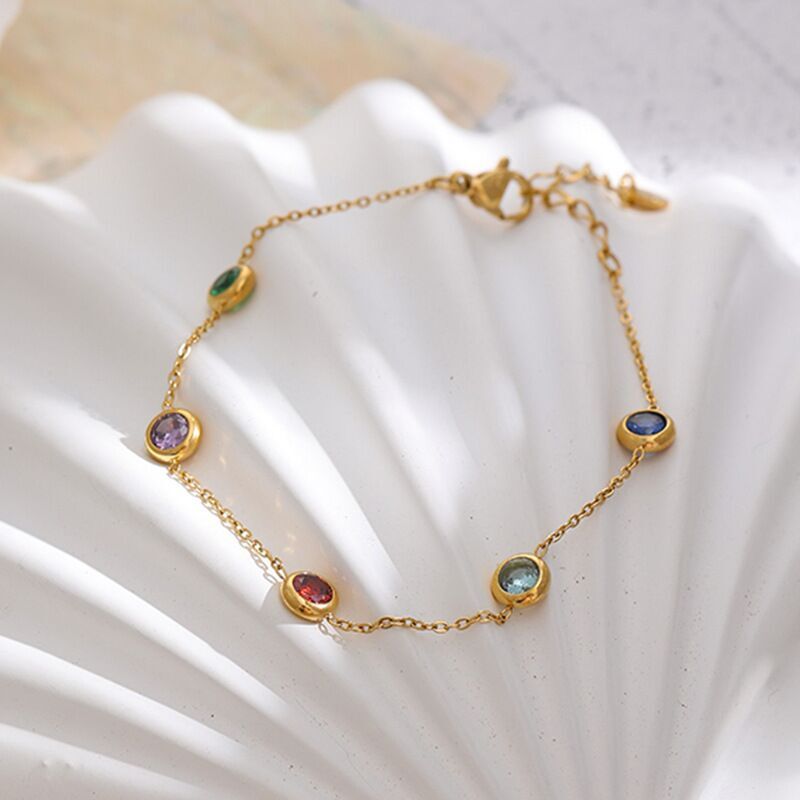 Woman 18K Gold Plated Stainless Steel Multicolor CZ Necklace Chain/Bracelet$8.99View on eBay
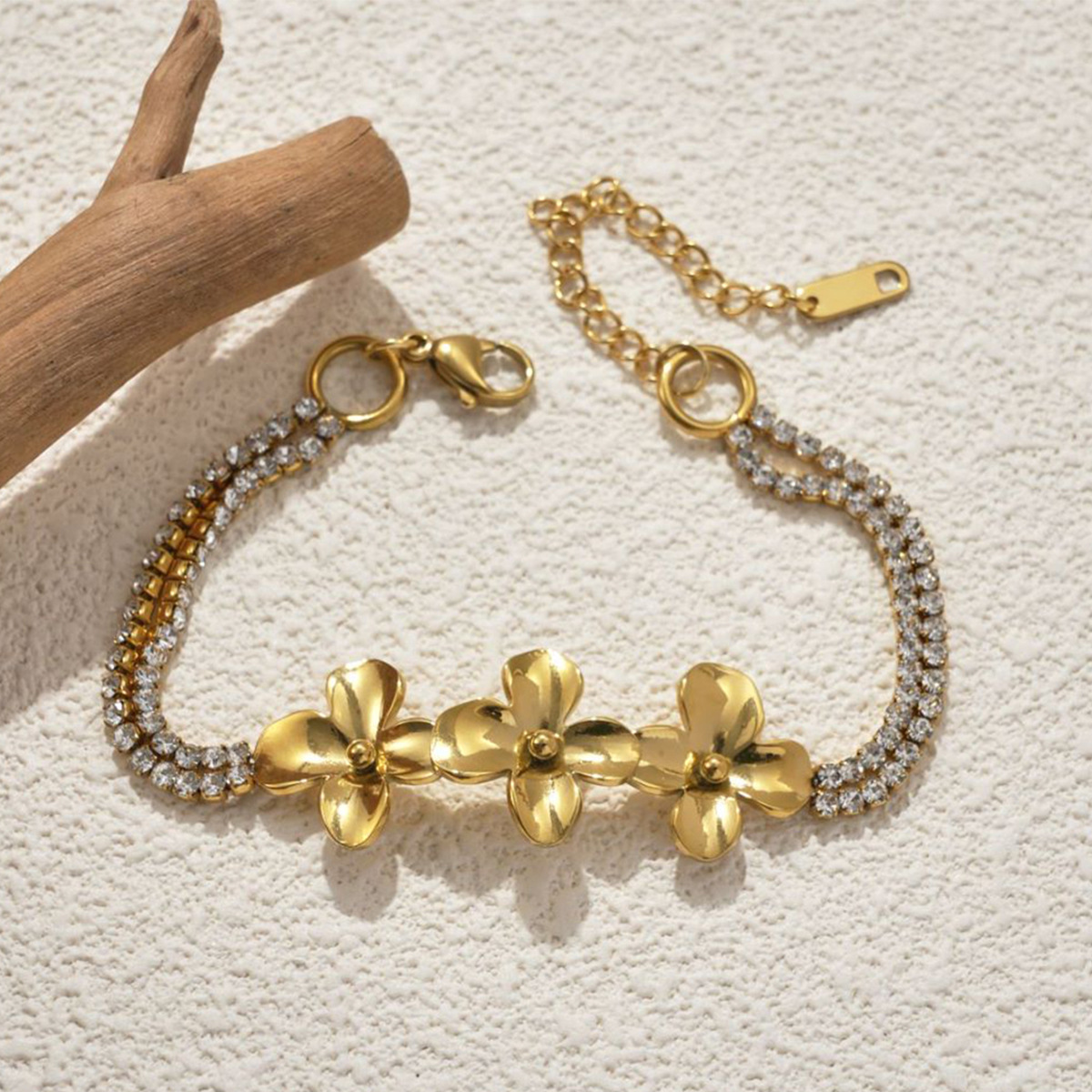 Light Luxury 18K Gold Plated Stainless Steel Flower Bracelet$9.99View on Mallflare
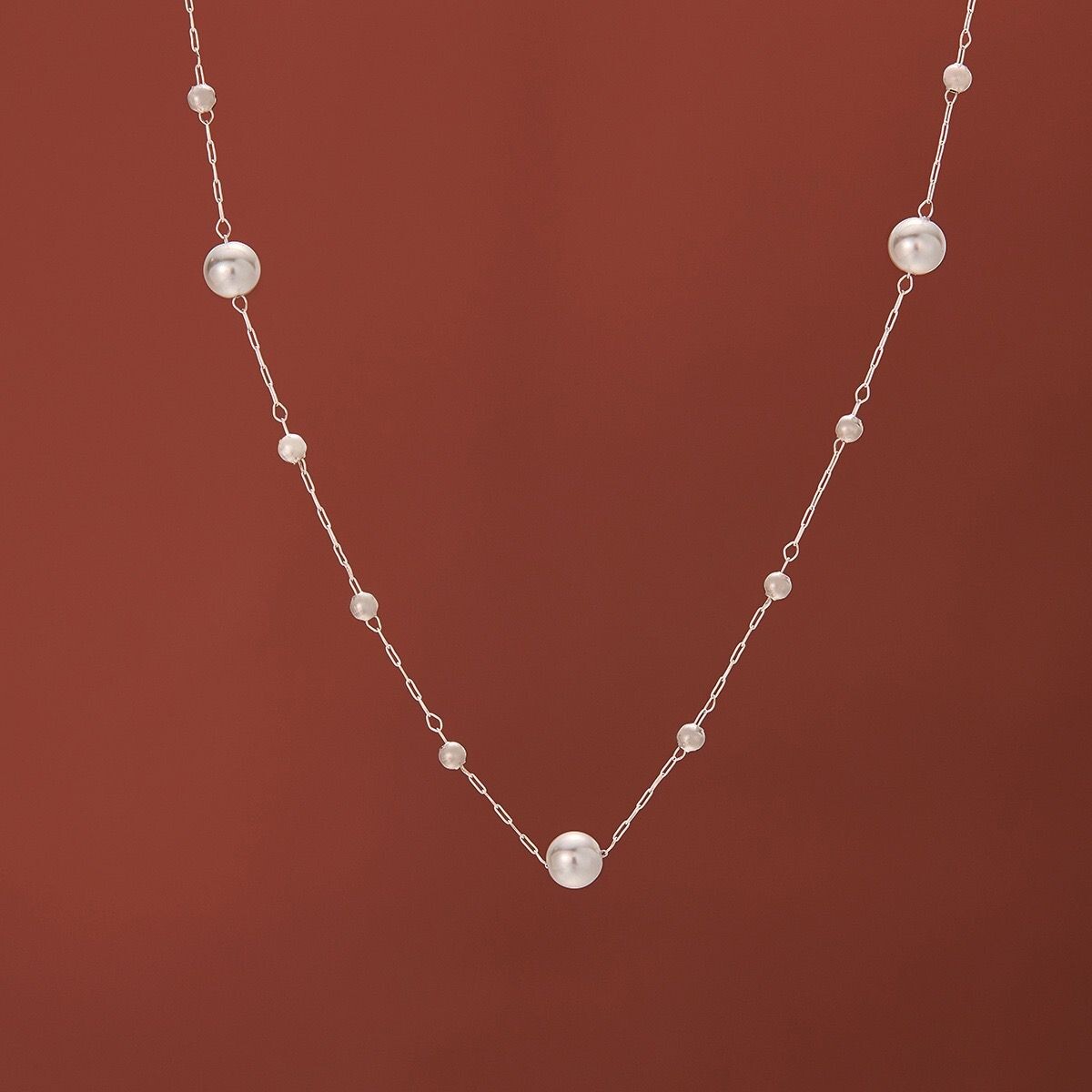 2 Colors Woman 18k Gold Plated Pearl Beaded Tassel Charm Chain Necklace/Bracelet$9.25Last checked Nov 24, 2026View on eBay
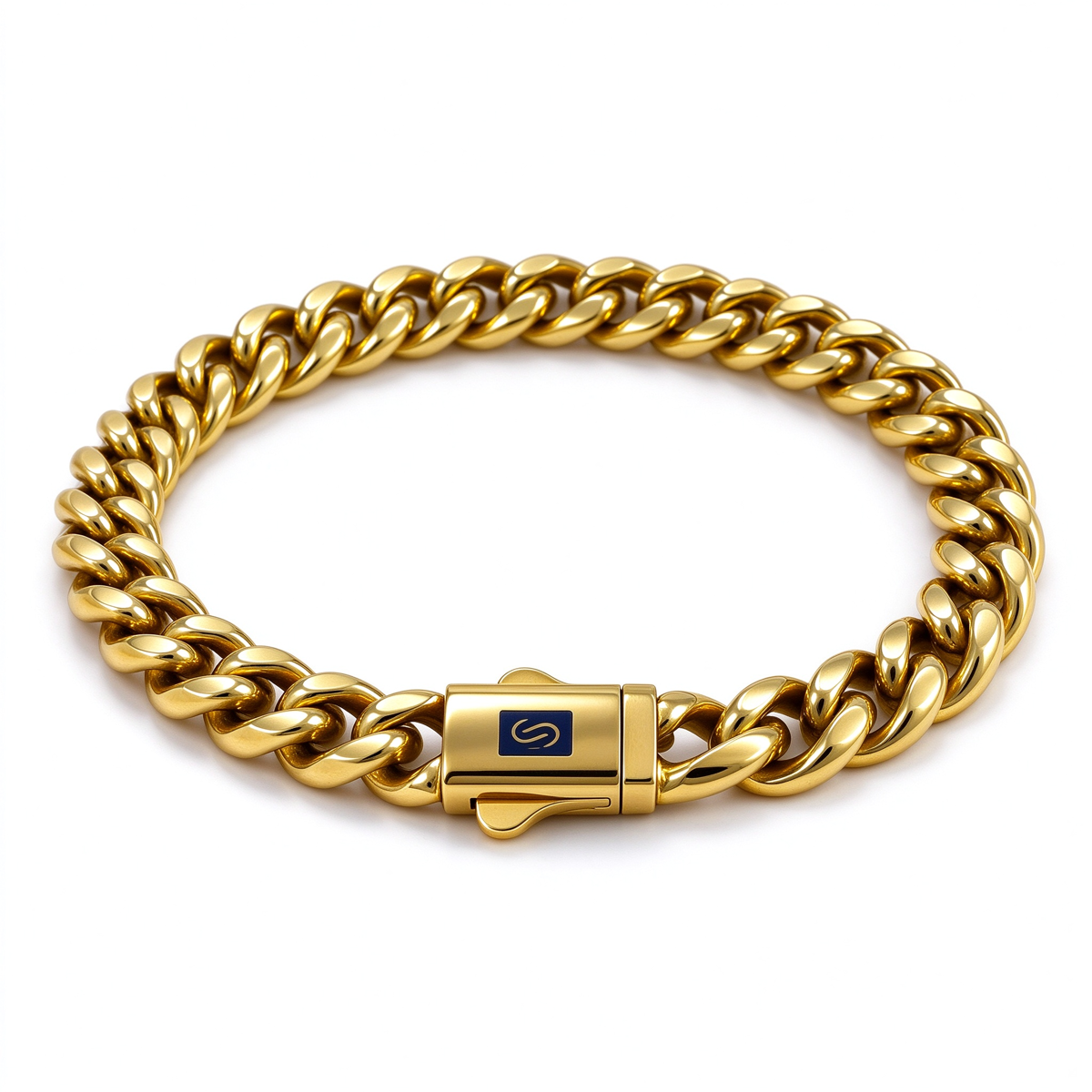 6mm Gold Cuban Chain Bracelet For Men, 18K Plated 316L Stainless Steel Curb Link Waterproof Fade Resistant Hip Hop Wristband, Length 7.5 In 8.5 In 9.5 In, Classic Men Jewelry Gift$21.99View on Mallflare
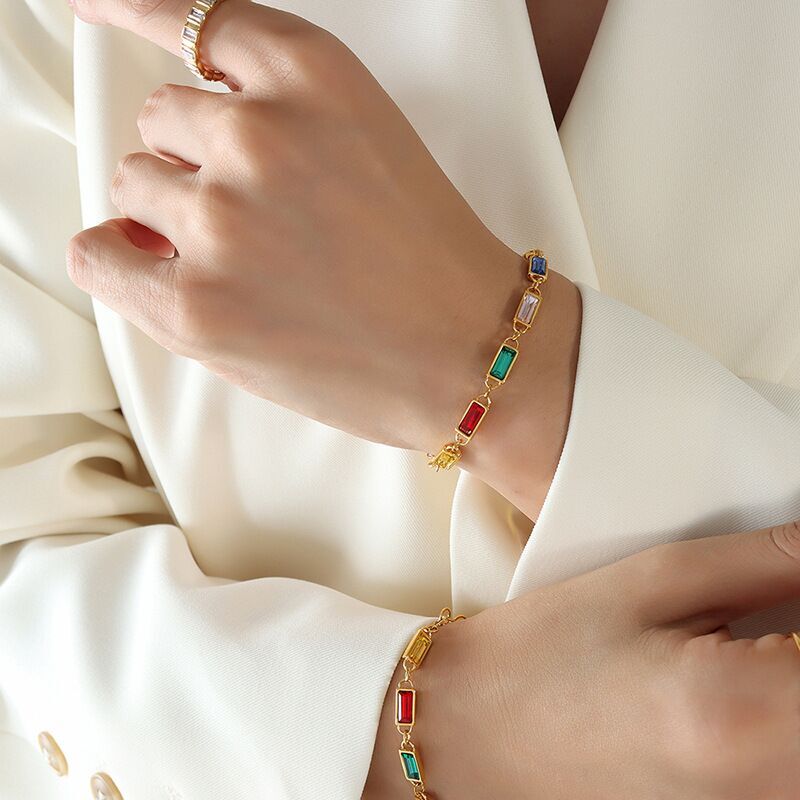 Woman 18K Gold Plated Multicolor CZ Square Charm Necklace Chain/Bracelet$15.05Last checked Nov 26, 2026View on eBay
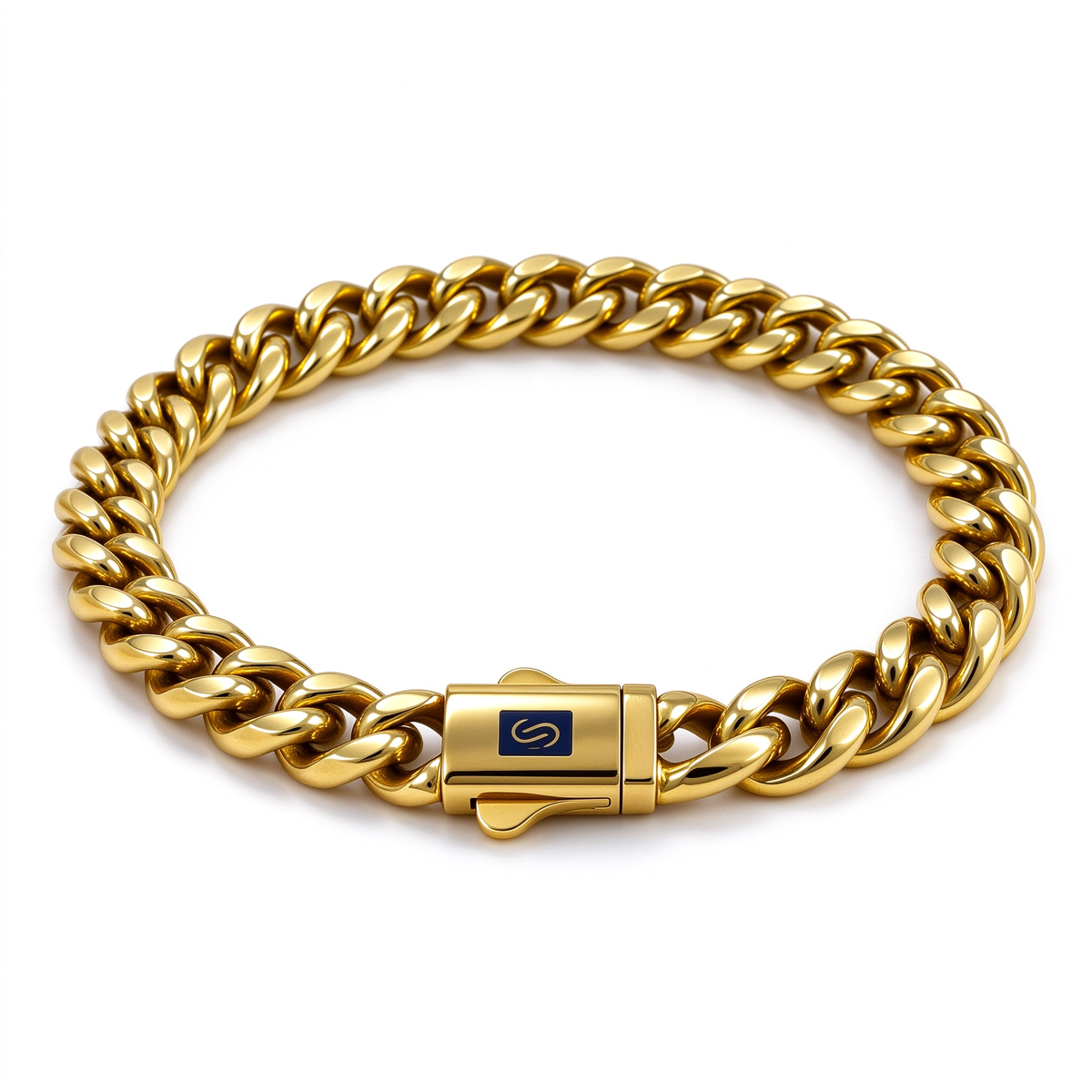 10Mm Gold Cuban Chain Bracelet For Men, Heavy 18K Plated 316L Stainless Steel Curb Link Waterproof Fade Resistant, 7.5 In 8.5 In 9.5 In$24.99View on Mallflare
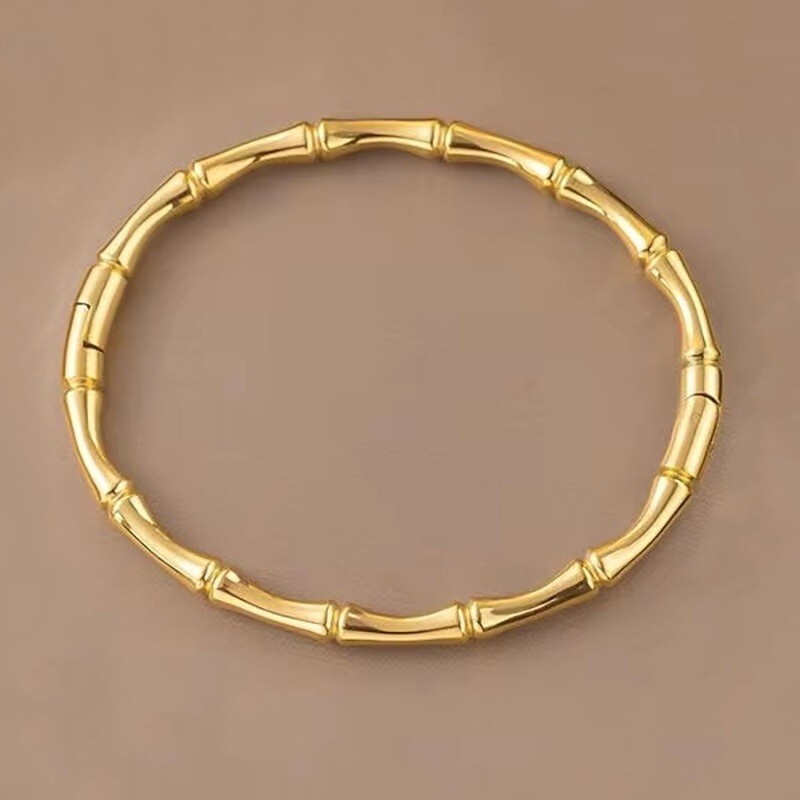 18k Yellow Gold Over Sterling Silver Womens 6.5" Bamboo Style Opening Bracelet$30.95Last checked Nov 26, 2026View on eBay
Highlights
- Solid 18k gold is 75% pure gold alloyed with copper/silver for hardness—hallmarked 750—and never tarnishes, while 18k gold-plated items carry only a micro-layer of gold over brass, stainless steel, or sterling silver.
- 316L stainless steel is the most durable plating substrate for daily wear: it resists rust, chlorine, and sweat, so 18k-plated 316L outlasts plated brass by years even though the gold layer eventually wears.
- Cuban link bracelets are defined by link width and weight: 6mm suits everyday wear, 10mm is a heavy statement piece, and solid links (not hollow) determine whether the chain dents or holds shape.
- Tennis bracelets set dozens of stones in a continuous line—stone quality (CZ vs ruby/diamond) and setting security (prong vs channel) decide sparkle and stone-loss risk far more than the 18k plating claim.
Best use cases
- Daily-wear signature piece: choose solid 18k gold (hallmarked 750) in a 6–8mm Cuban or curb link—it survives showers, sweat, and years of wear without re-plating; skip plated brass entirely for this role.
- Trend or occasion styling on a budget: pick 18k-plated 316L stainless steel (Cuban, snake chain, or bezel-set CZ); it handles sweat and chlorine far better than plated brass and keeps its look for years before plating wear shows.
- Gift for a partner with unknown sizing: choose an elastic or open-cuff design (snake chain elastic, bamboo-style opening bracelet) or a lobster-claw adjustable—skip fixed-length tennis bracelets unless you know the wrist measurement.
- Formal or bridal stacking: solid 18k or 18k-over-sterling tennis and pearl pieces suit heirloom use; skip hollow-link or elastic fashion bracelets for formal wear because they read casual and wear faster.
Buying tips
- Read the gold claim literally: '18k' or '750' stamp means solid 75% gold; '18k gold plated', '18k gold over sterling', and '18k gold filled' are all plated or bonded layers, not solid gold—pricing and durability differ by orders of magnitude.
- Match link construction to wear: solid links resist denting and hold resale value; hollow links are lighter and cheaper but crush under pressure—check item weight relative to width (a 10mm Cuban should feel substantial, not feather-light).
- Size the wrist before choosing: measure wrist circumference snugly and add 0.5–1 inch (12–25mm) for comfort; a 6.5-inch bracelet fits a 6-inch wrist, while 7.5/8.5/9.5-inch Cuban lengths suit 7/8/9-inch wrists respectively.
- For plated pieces, prefer 316L stainless steel substrates over brass: stainless resists tarnish and skin discoloration, while brass plating wears through faster and can leave green marks; PVD-coated gold plating adds scratch resistance.
Specs
| Gold Content | Solid 18k (750) vs 18k plated |
|---|---|
| Base Metal | 316L steel / sterling / brass |
| Link Style | Cuban, curb, tennis, snake, bead |
| Length Fit | 6.5–9.5 in (wrist +0.5–1 in) |
Related searches
What to check before buying
- Measure your wrist circumference with a soft tape at the narrowest point and confirm the bracelet's inner circumference or length plus clasp allowance before ordering—elastic and open-cuff designs tolerate ±0.5 inch, fixed links do not.
- Confirm the metal substrate and hallmark: look for '750' or '18k' stamp on solid gold, '316L stainless steel' or 'sterling silver' on plated pieces, and avoid unmarked brass if you have metal sensitivities.
- Check clasp type against your routine: lobster claw is secure for daily wear, spring ring suits lightweight chains, toggle and elastic are easy-on but snag-prone; tennis bracelets need a safety latch for active wear.
- For plated jewelry, plan care: remove before swimming in chlorinated pools and applying perfume/lotion, and dry after contact with water—plating life shortens dramatically with chemical exposure.
FAQ
Data sources: eBay / Amazon listings and product attribute feeds. Updated Nov 27, 2026.
Some links on this page are affiliate links. If you buy after clicking one, we may earn a commission at no extra cost to you. This does not change which products appear here or their order. Affiliate disclosure.