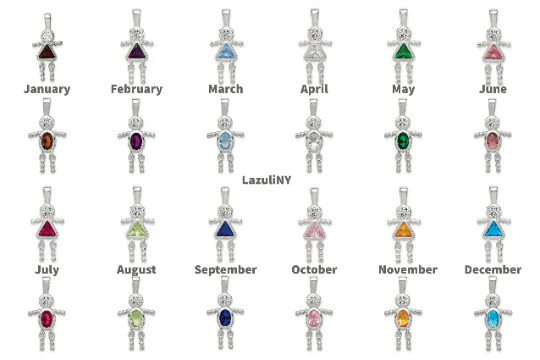

Photos from current listings. Actual item, color, and included accessories may vary.
Birthstone Necklace Buying Guide
A birthstone necklace is a gemstone pendant or station necklace that assigns a personal gem to a wearer, with durability and color fidelity hinging on gem type (natural vs. lab-created vs. glass) and metal karat/plating. The core trade-off is genuine fine-jewelry construction (solid 10K–14K gold, prong or bezel-set natural/lab gems) versus fashion-tier brass or plated silver with glued or foil-backed stones. The decision rule: buy solid gold or sterling with a mechanically set stone for daily wear and heirloom intent; choose plated or base-metal settings only for occasional, short-term, or child-focused pieces.
Median $53.05
Key takeaways
- Solid 10K/14K yellow or white gold and .925 sterling silver are the only metals that survive daily shower, sweat, and perfume exposure without plating wear-through.
- Lab-created gemstones match natural corundum (ruby/sapphire) and beryl (emerald/aquamarine) in hardness and color but cost less; glass and cubic zirconia scratch and cloud within months of continuous wear.
- Bezel settings enclose the girdle and protect softer birthstones (opal, pearl, turquoise); prong settings expose the stone and suit hard gems (diamond, sapphire, ruby) but snag on knitwear.
At a glance
- Category
- Necklaces & Bracelets
- Last updated
- Nov 28, 2026
Current offers
Highlights
- Solid 10K/14K yellow or white gold and .925 sterling silver are the only metals that survive daily shower, sweat, and perfume exposure without plating wear-through.
- Lab-created gemstones match natural corundum (ruby/sapphire) and beryl (emerald/aquamarine) in hardness and color but cost less; glass and cubic zirconia scratch and cloud within months of continuous wear.
- Bezel settings enclose the girdle and protect softer birthstones (opal, pearl, turquoise); prong settings expose the stone and suit hard gems (diamond, sapphire, ruby) but snag on knitwear.
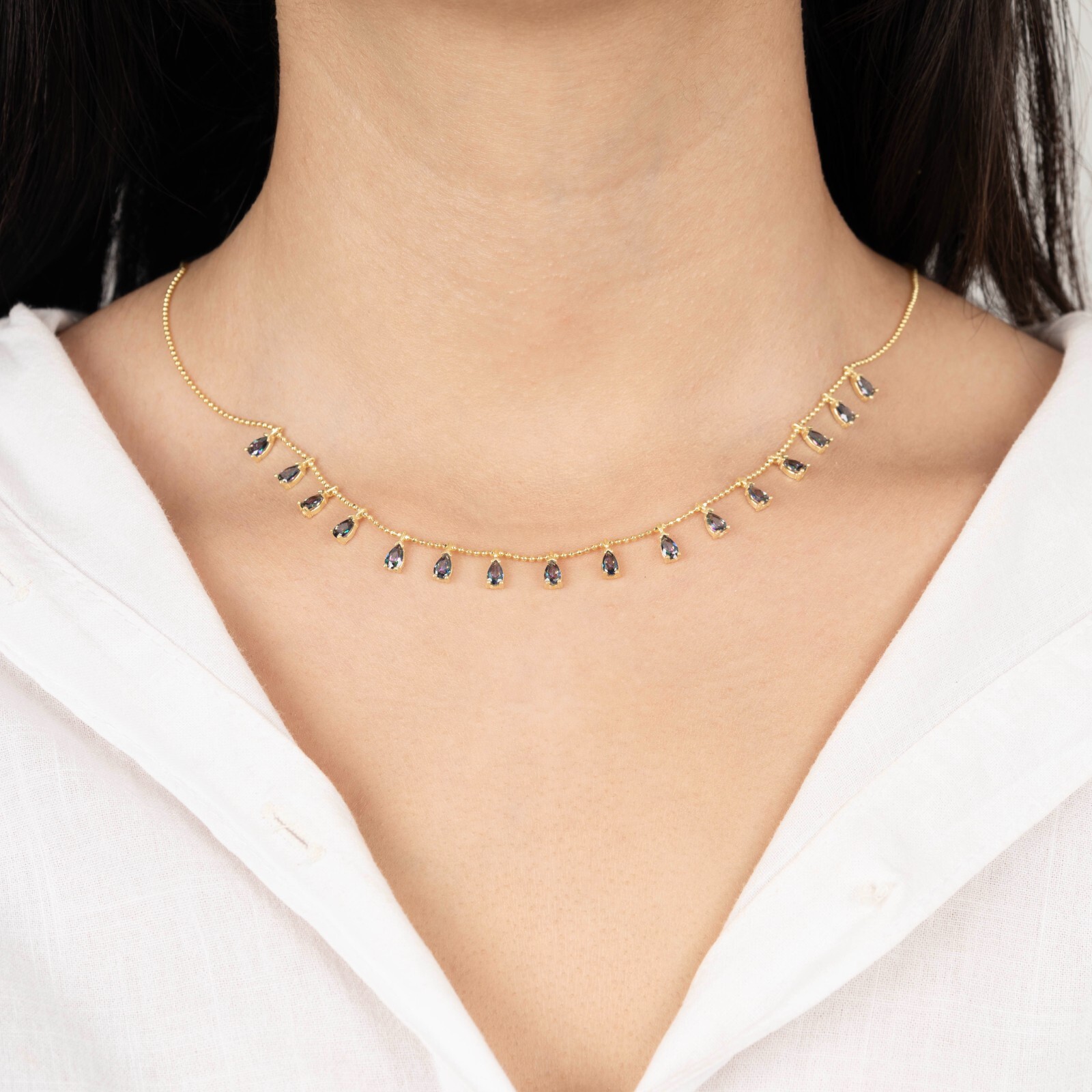
- Station necklaces use fixed-interval gem settings along the chain, while single-pendant styles center one birthstone; kids' charm pendants are typically 10K–14K or sterling with smaller, lighter stones.
Best use cases
- Best fit for a mother: a multi-stone station or family-pendant necklace with one bezel-set birthstone per child in solid 14K gold — skip plated brass 'family tree' styles that tarnish.
- Best fit for a grandmother: a single larger bezel-set birthstone pendant (8–10 mm) on an 18–20 in chain in 14K or sterling — skip delicate 16 in chains that sit at the collarbone and feel too short.
- Best fit for a child: a small 10K or sterling charm pendant on a 14–16 in chain with a lobster clasp — skip prong-set or glass stones that chip and pose a choking or scratch risk.
- Wrong fit for daily wear: gold-plated brass or vermeil with glued stones — the plating wears through at clasp and pendant contact points within months of continuous wear.
Buying tips
- Match metal to wear frequency: solid 14K gold for daily/never-remove wear, 10K for budget fine jewelry, .925 sterling for sensitive skin, gold-plated brass only for occasional wear.
- Choose stone by Mohs hardness: diamond (10), sapphire/ruby (9), and garnet (6.5–7.5) tolerate daily wear; opal (5.5–6.5), pearl (2.5–4.5), and turquoise (5–6) need bezel protection and gentler handling.
- Size the chain to neckline: 16 in sits at the collarbone (choker-adjacent), 18 in at the base of the neck (most versatile), 20 in below the collarbone, and 22–24 in over clothing.
- Confirm the gem is lab-created or natural (not glass/CZ) and the setting is bezel or prong with a closed backing; open-backed foil settings discolor when moisture reaches the foil.
Specs
| Metal Purity | Solid 14K/10K gold vs .925 sterling |
|---|---|
| Gem Type | Natural, lab-created, CZ, or glass |
| Setting Style | Bezel (protective) vs prong (exposed) |
| Chain Length | 16-18 in collar / 20-24 in drape |
Related searches
What to check before buying
- Measure neck circumference and preferred drop: add 2 in to the neck measurement for a fitted 18 in look, 4 in for a relaxed 20 in drape.
- Check metal stamp inside the clasp or pendant bail: '14K', '585', '10K', '417', or '925'/'S925' confirms solid gold or sterling; 'GP', 'GF', or 'vermeil' means plating over base metal.
- Verify stone setting depth and backing: bezel-set stones should sit flush or slightly recessed; prong-set stones need at least four prongs with a closed gallery.
- For kids' pieces, confirm the chain clasp type (lobster or spring ring) and pendant weight under roughly 2 g so it does not pull or break during play.
FAQ
Data sources: eBay / Amazon listings and product attribute feeds. Updated Nov 28, 2026.
Some links on this page are affiliate links. If you buy after clicking one, we may earn a commission at no extra cost to you. This does not change which products appear here or their order. Affiliate disclosure.