
Photos from current listings. Actual item, color, and included accessories may vary.
Diamond Necklace Buying Guide
A diamond necklace spans natural mined stones, lab-grown diamonds, and simulant look-alikes, so the core trade-off is real carbon crystal versus cubic zirconia or crystal glass—and whether the metal is solid gold/platinum or gold-plated brass/silver. The decisive rule: buy natural or lab-grown diamonds only when the listing states carat weight, cut grade, and metal karat with a certificate; treat any 'diamond' necklace under that standard as costume jewelry priced accordingly.
Median $84.99
Key takeaways
- Natural vs lab-grown vs simulant: mined and lab-grown diamonds are certified carbon crystals (GIA/IGI), while CZ, crystal, and 'diamond-cut' metal are look-alikes with no gemological value.
- Metal durability tier: solid 14K/18K gold or platinum holds stones for decades; 925 silver with 18K plating and brass-based gold plating wear through in months of daily wear.
- Setting architecture: four-prong solitaire settings expose the stone for brilliance but snag on knitwear; bezel and halo settings protect edges and suit active daily wear.
At a glance
- Category
- Necklaces & Bracelets
- Last updated
- Nov 27, 2026
Current offers
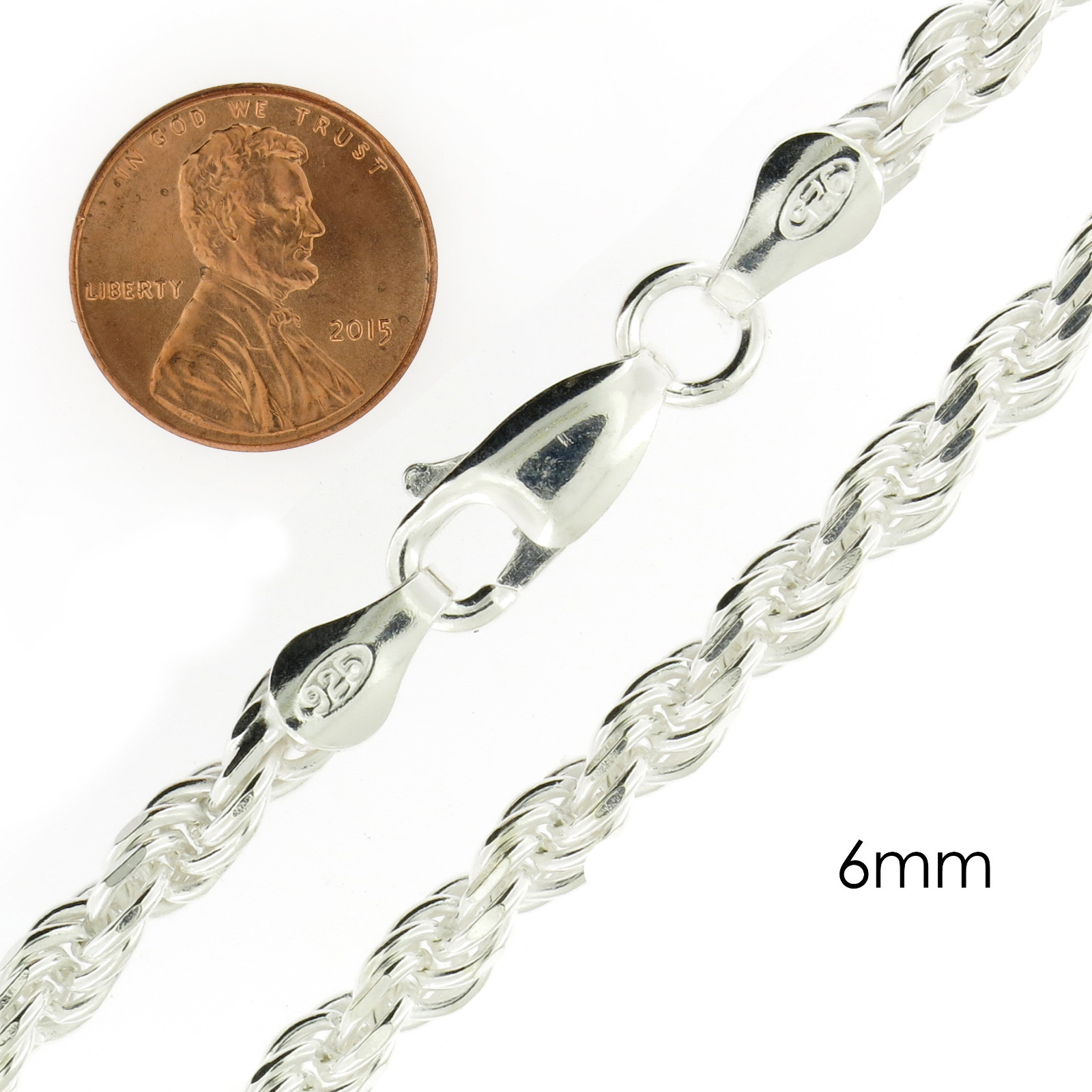 Real Solid Sterling Silver Diamond Cut Rope Chain Mens Boys Bracelet or Necklace$6.39View on eBay
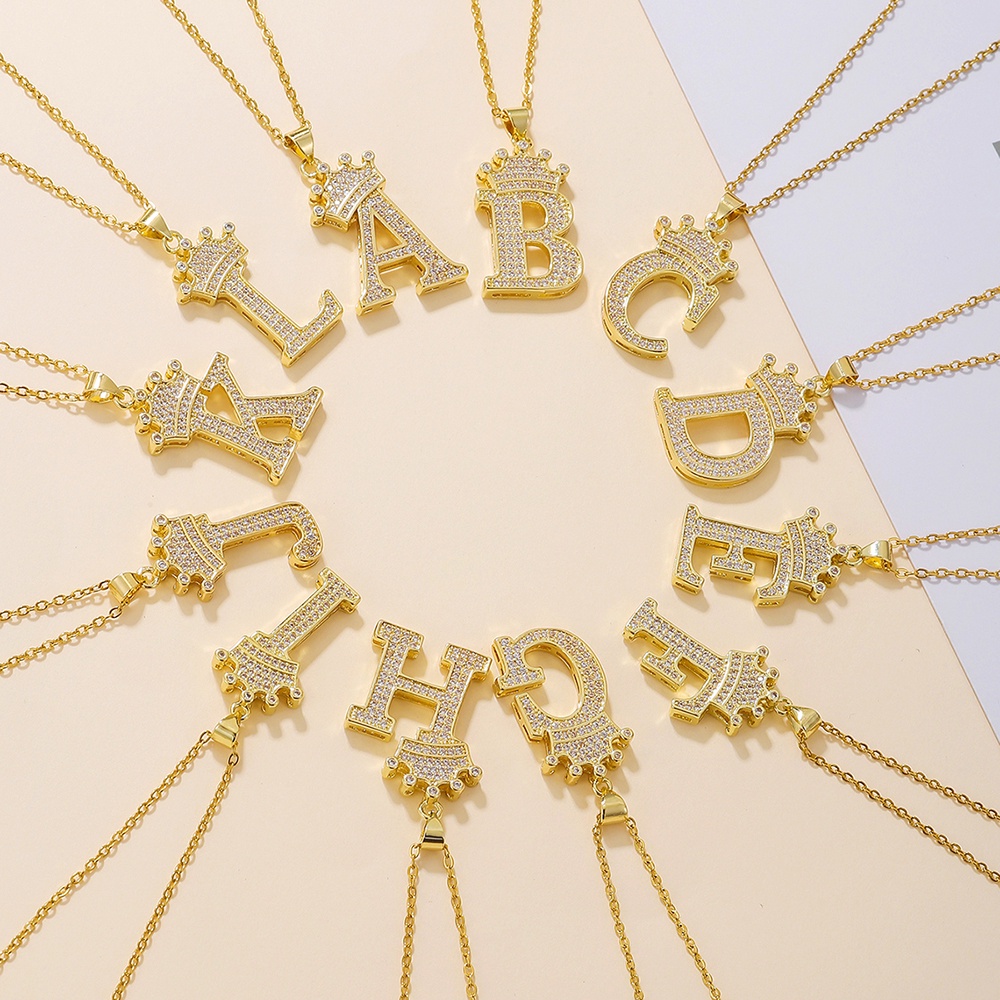 1PCS Fashionable Gold Diamond Crown Uppercase Letter Popular Pendant Necklace Suitable For Daily Use Festivals Parties Gifts Jewelry Set$8.99View on Mallflare
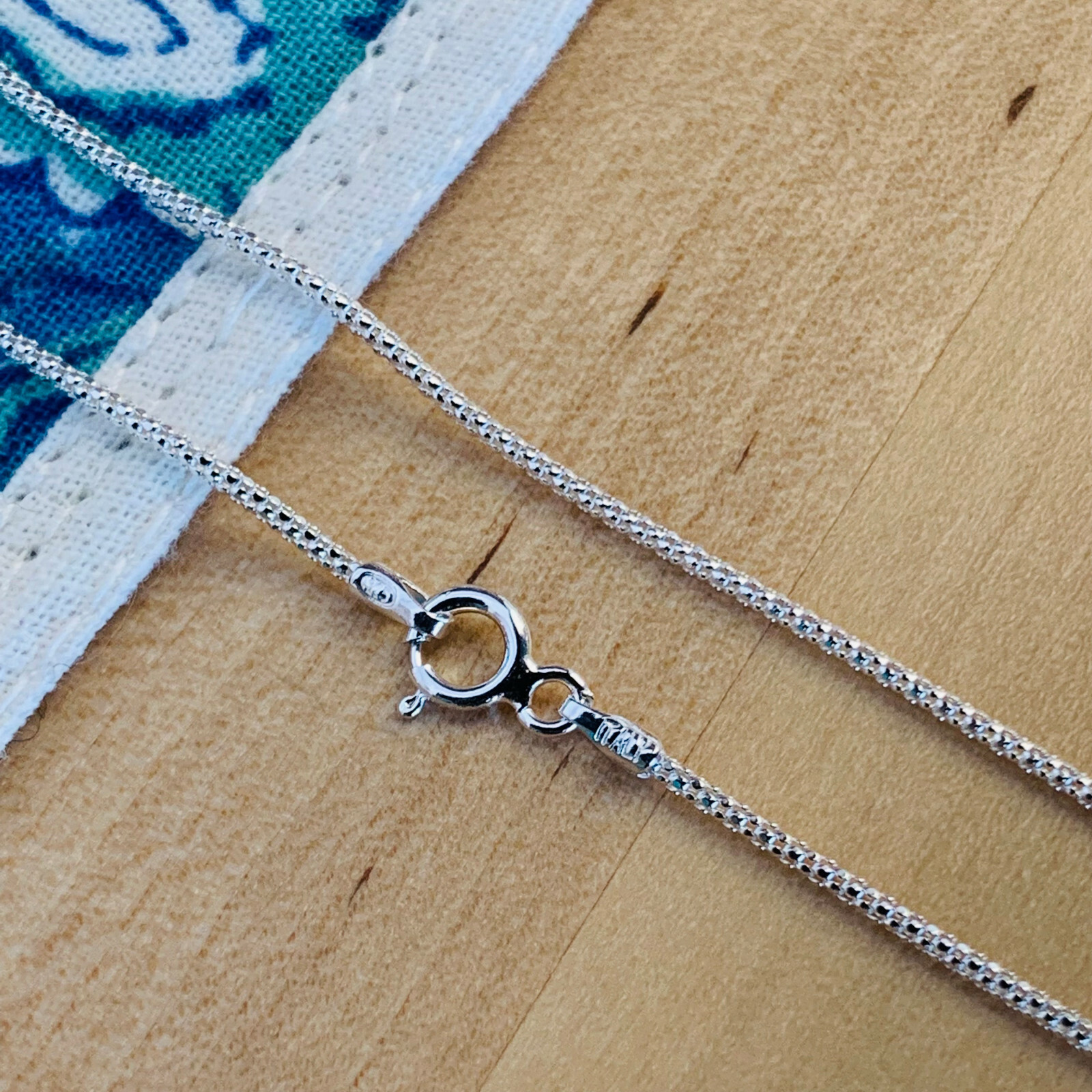 Real 925 Sterling Silver Diamond Cut Popcorn Chain Necklace Made in Italy$14.39Last checked Nov 22, 2026View on eBay
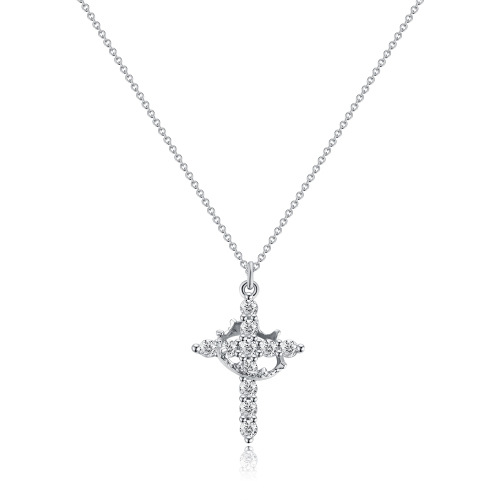 Fashion Jewelry Cross Full Diamond Crown Rotatable Necklace$8.99View on Mallflare
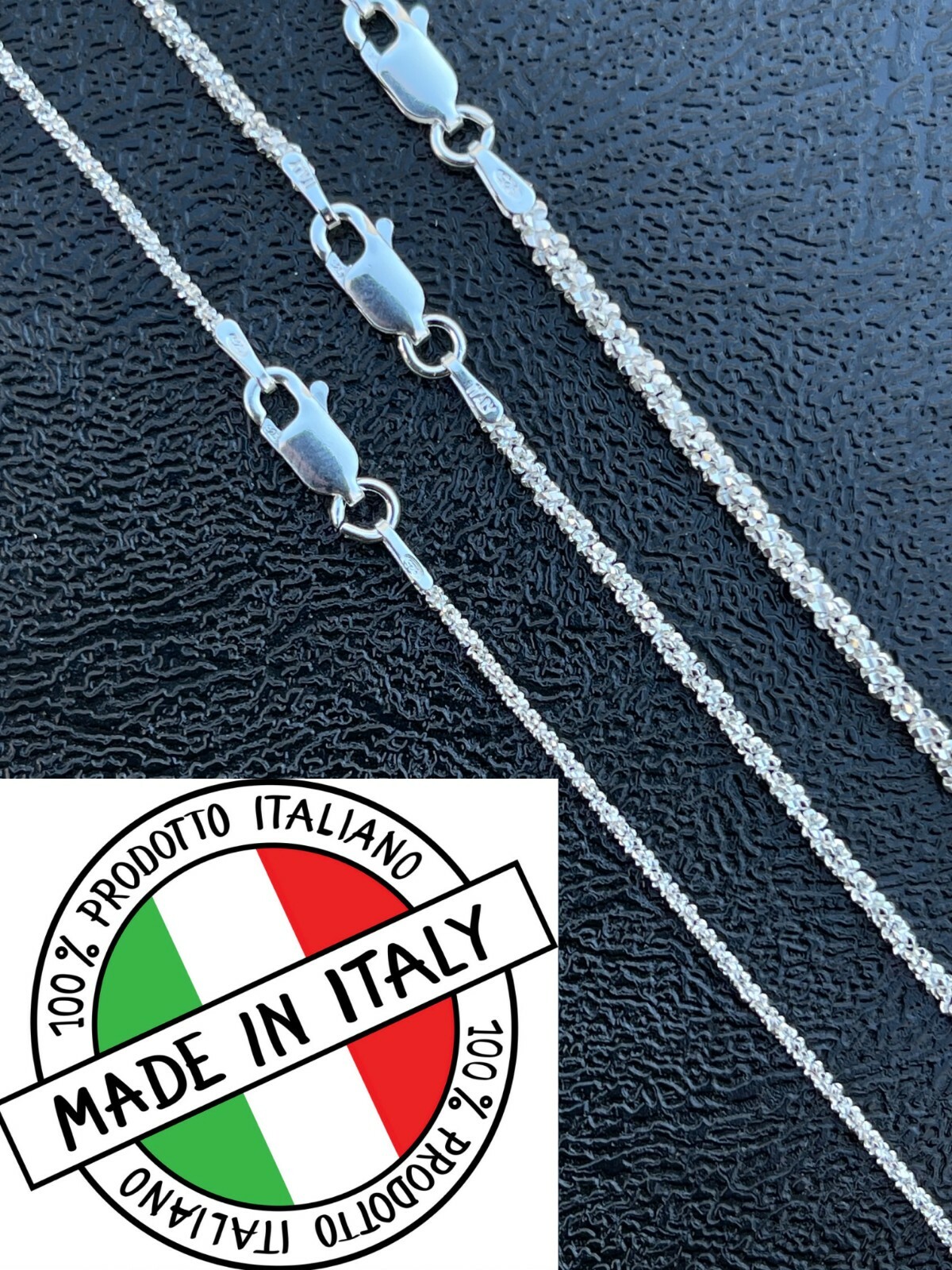 Real Solid 925 Sterling Silver Diamond Cut Sparkle Rope Chain Necklace 1mm - 3mm$25.90Last checked Nov 21, 2026View on eBay
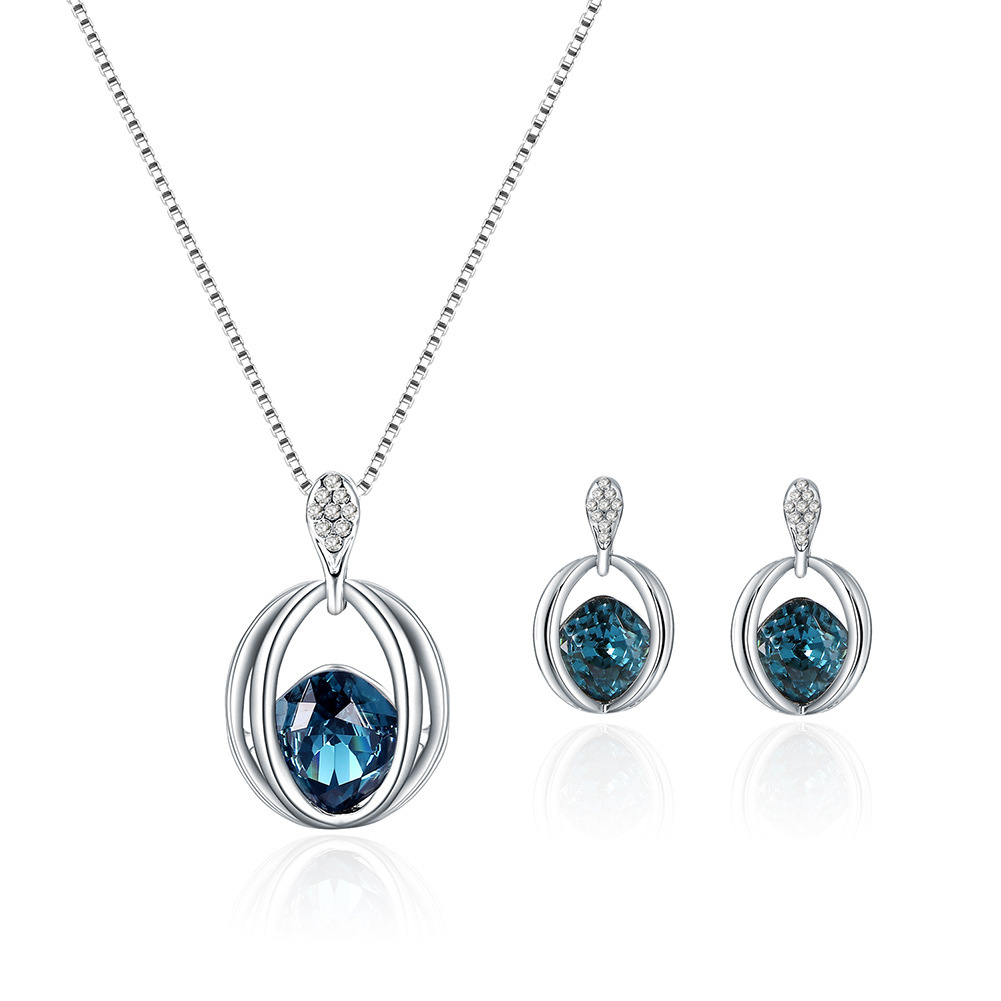 Women's Fashion Crystal Diamond Pendant Necklace Jewelry Birthday Gift$10.99View on Mallflare
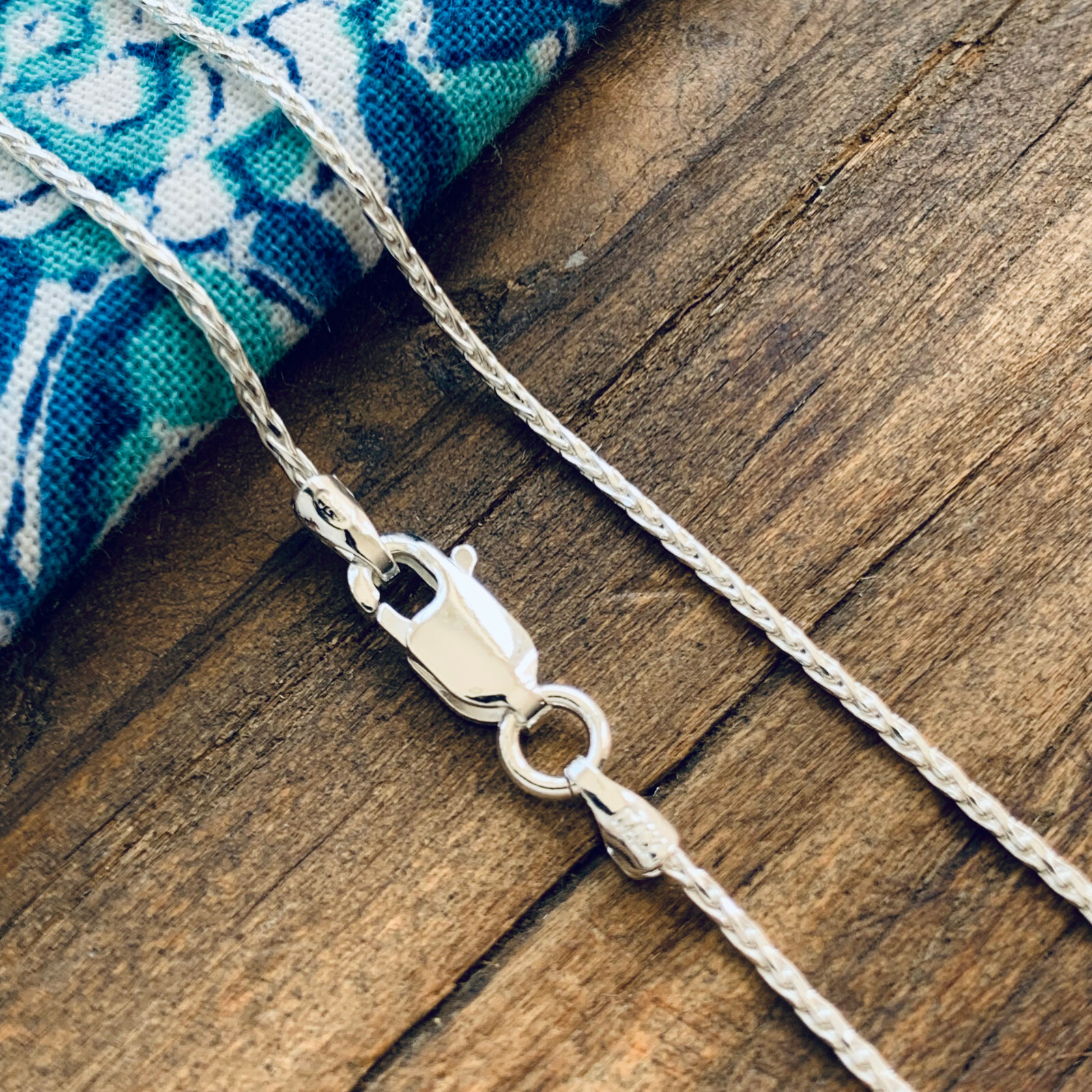 Real Solid 925 Sterling Silver Diamond Cut Wheat Spiga Rope Chain Necklace Italy$31.44Last checked Nov 21, 2026View on eBay
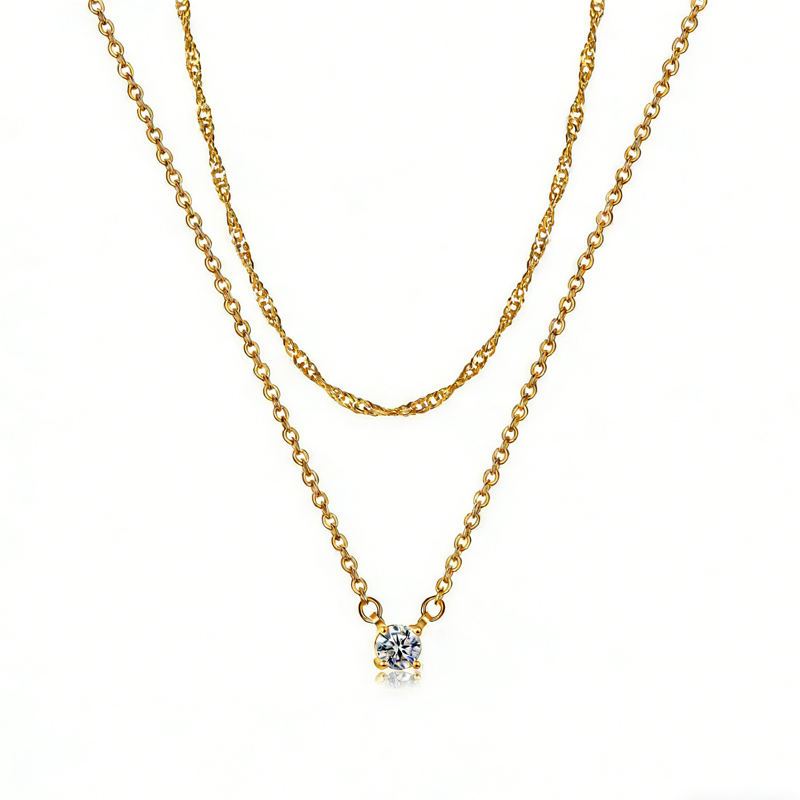 Dainty Diamond Solitaire Pendant Necklaces For Women, 14K Gold Plated Single Round Cubic Zirconia Square Simulated Choker Necklace Jewelry Gifts$18.99View on Mallflare
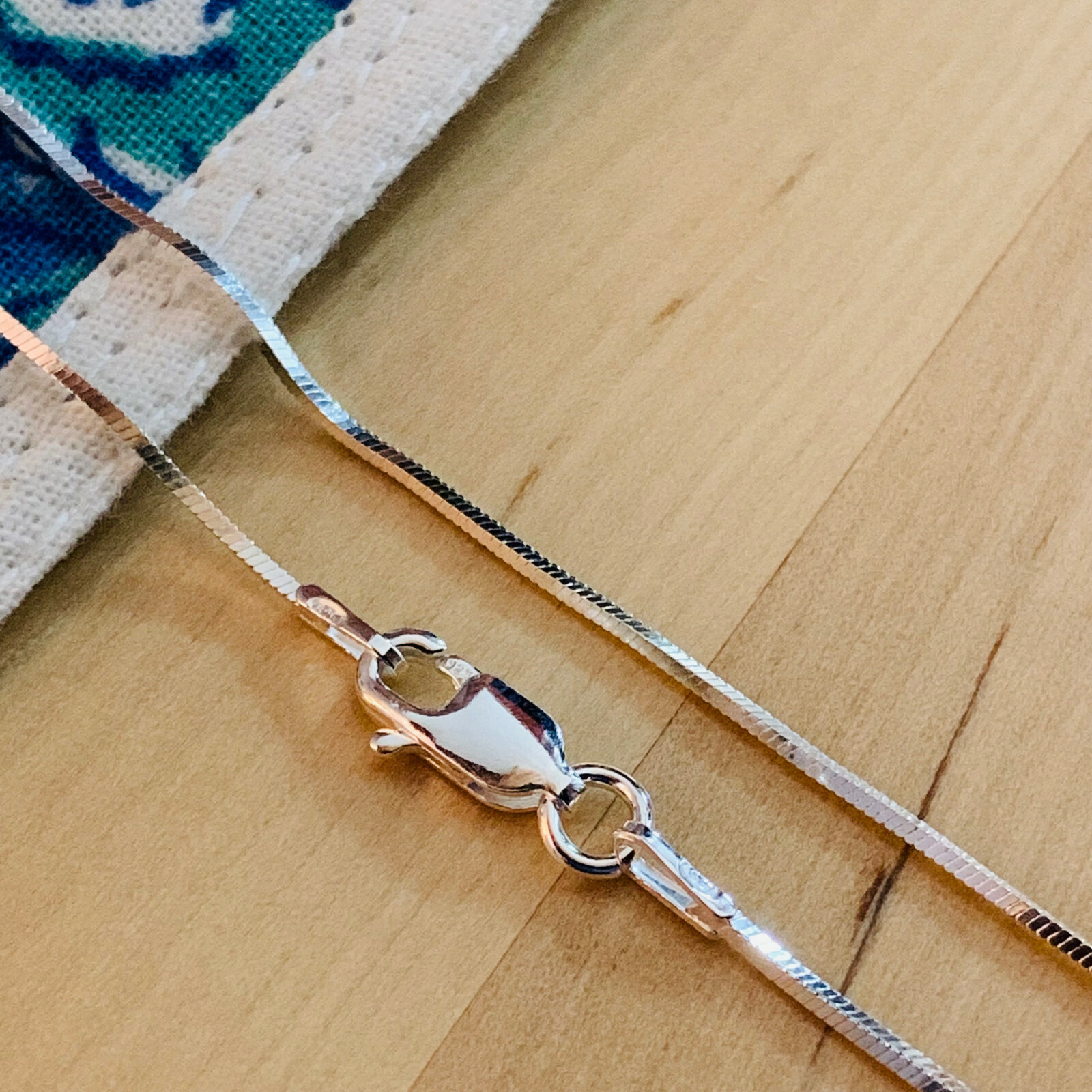 Real Solid 925 Sterling Silver Square Diamond Cut Snake Italian Chain Necklace$33.59Last checked Nov 24, 2026View on eBay
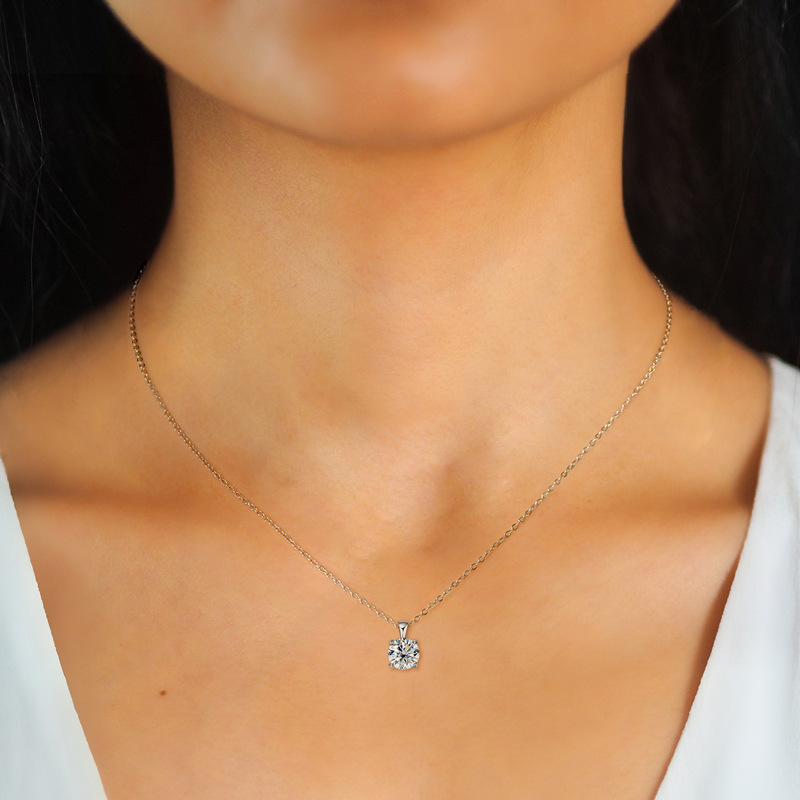 Classic Four-claw Diamond Necklace High-grade 925 Silver Plating 18K Gold Pendant$31.99View on Mallflare
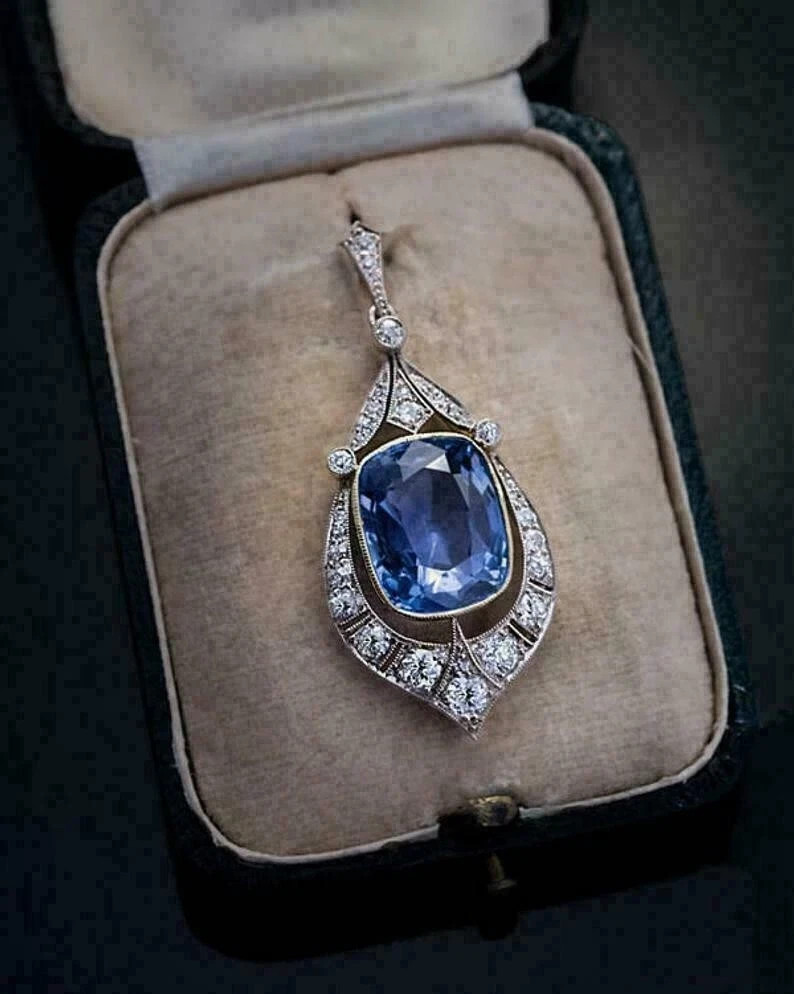 4Ct Cushion Cut Sapphire & Diamond Pendant 14K White Gold Over$46.76Last checked Nov 26, 2026View on eBay
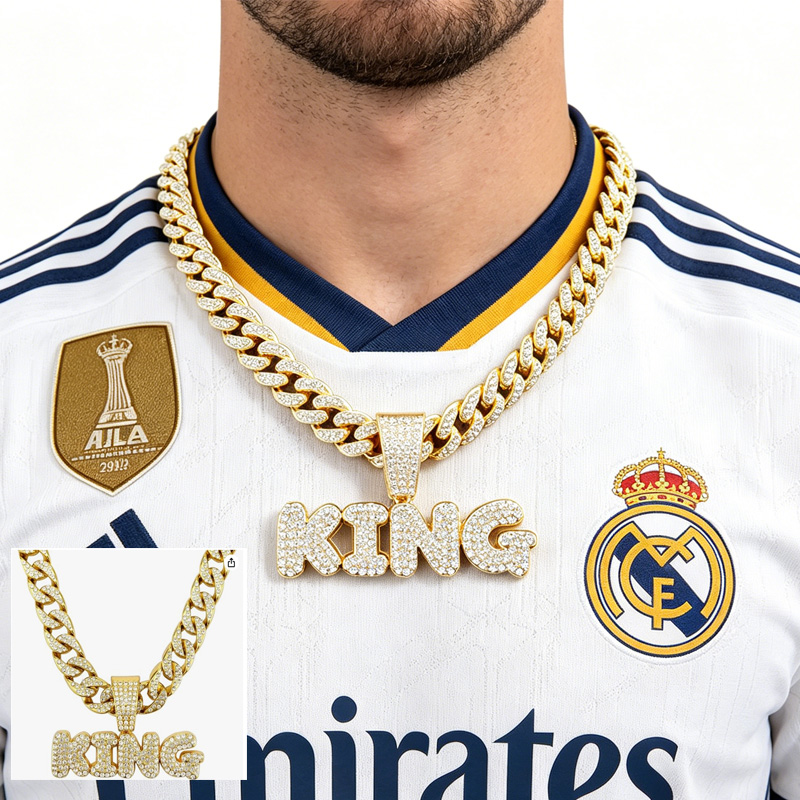 13mm Width Football Pendant Necklace,Full Diamond King Fashion Necklace, 3D Gold Zinc Alloy Stainless Steel Religious Zircon$35.99View on Mallflare
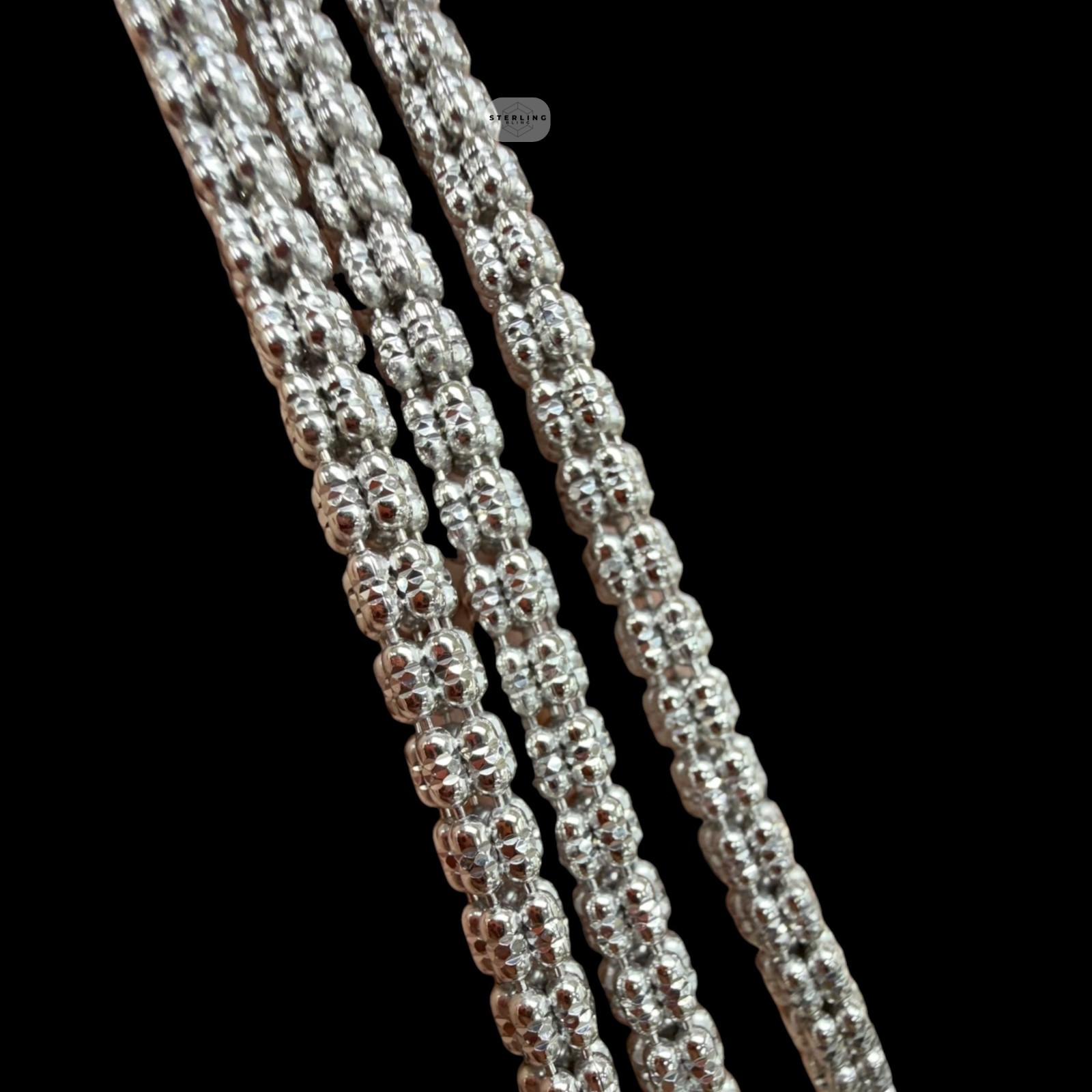 4mm Rhodium Ice Chain Diamond Cut Made in Italy Bronze Necklace Bracelet$47.99Last checked Nov 26, 2026View on eBay
 13mm Width Football Pendant Necklace,Number 23 Chain Iced Out Necklace, 3D Diamond Gold Zinc Alloy Stainless Steel Religious Zircon$40.99View on Mallflare
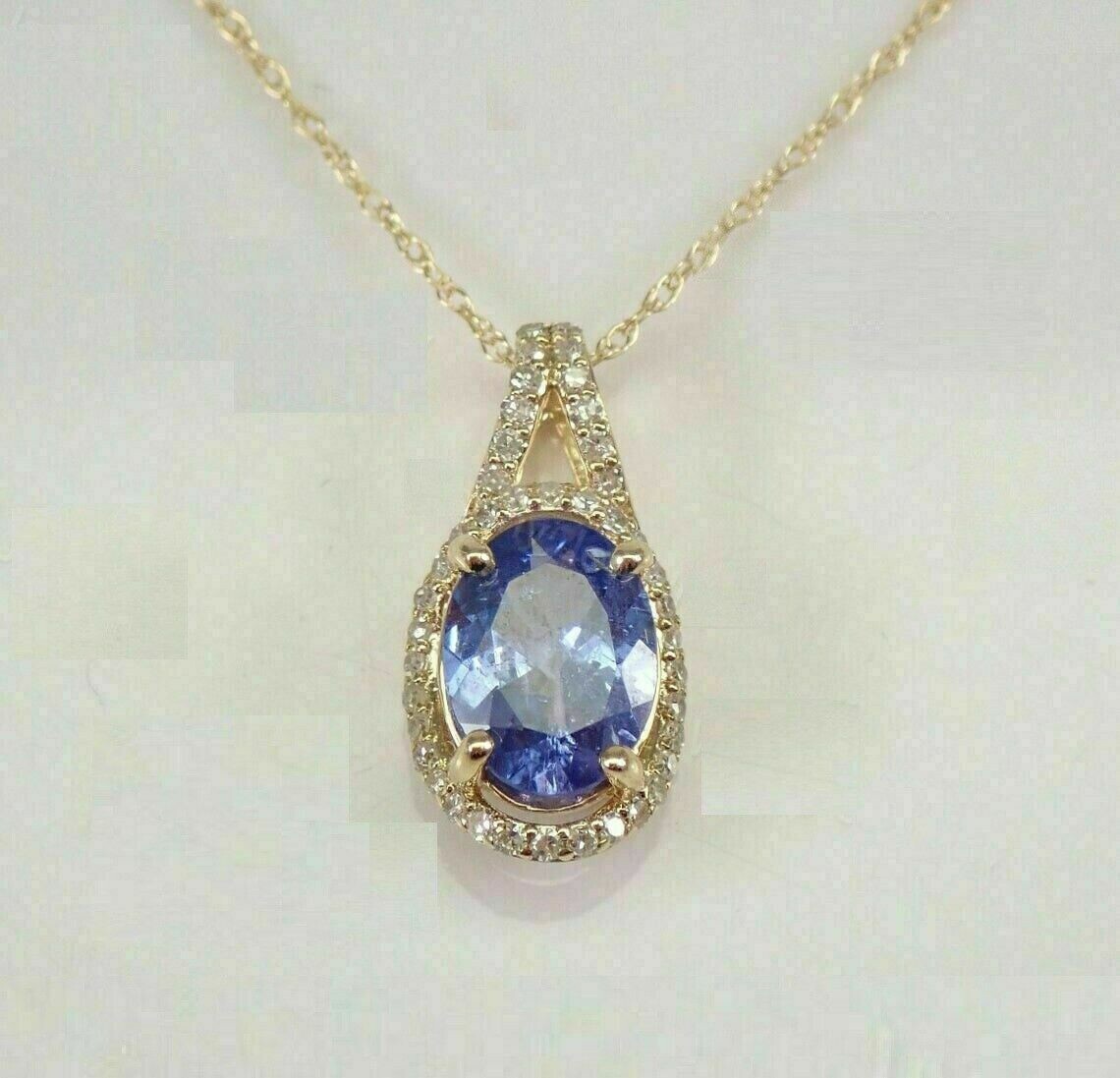 2Ct Oval Cut Blue Tanzanite Diamond Halo Pendant Necklace 14K Yellow Gold Finish$52.00Last checked Nov 20, 2026View on eBay
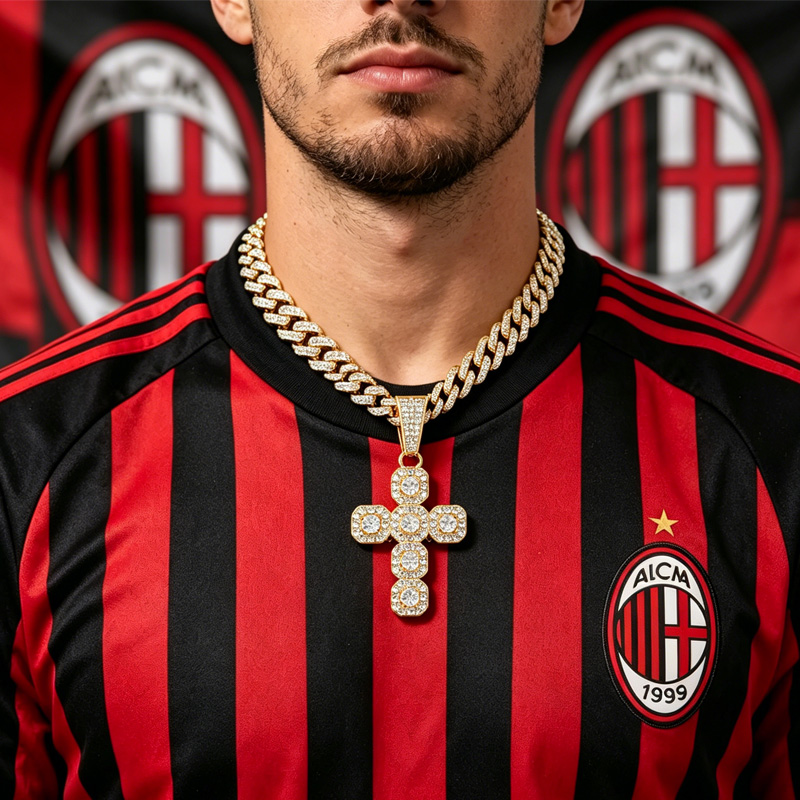 13mm Width Football Pendant Necklace,Full Diamond Cross Necklace, 3D Gold Zinc Alloy Stainless Steel Religious Zircon$40.99View on Mallflare
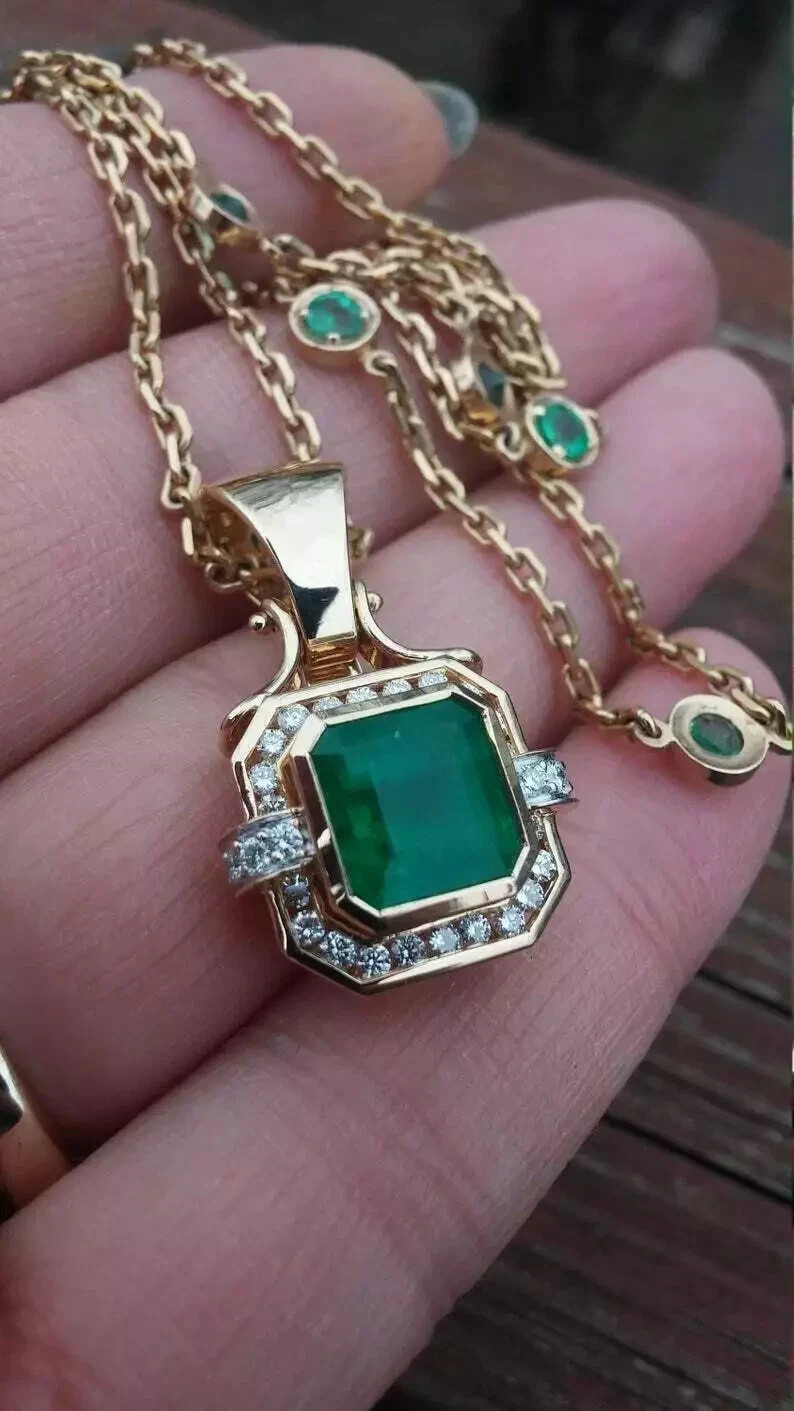 2.70Ct Asscher Cut Emerald Diamond Halo Pendant 14K Yellow Gold Finish$52.72Last checked Nov 21, 2026View on eBay
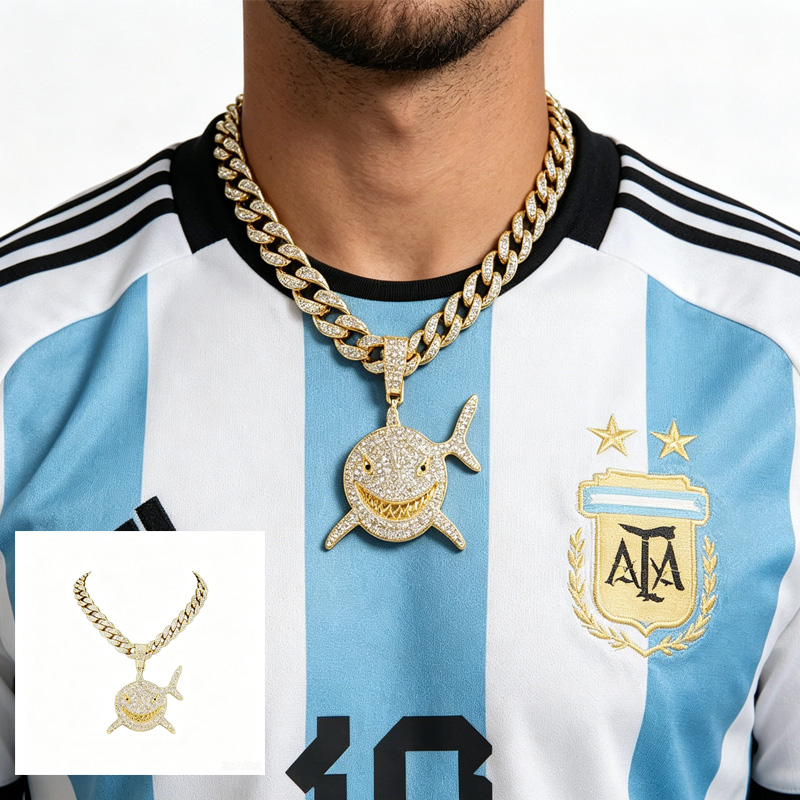 13mm Width Football Pendant Necklace,rhinestone Gold-plated Shark Necklace, 3D Diamond Gold Zinc Alloy Stainless Steel Religious Zircon$40.99View on Mallflare
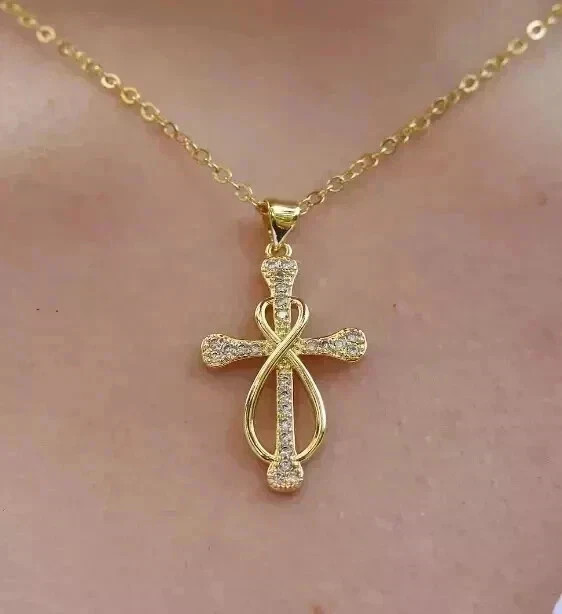 1Ct Round Simulated Diamond Cross Women Pendant 18"Chain 14k Yellow Gold Plated$53.99Last checked Nov 24, 2026View on eBay
 13mm Width Football Pendant Necklace,Hip Hop Green Eyes Tiger Head Necklace 3D Diamond Gold Zinc Alloy Stainless Steel Religious Zircon$40.99View on Mallflare
Highlights
- Natural vs lab-grown vs simulant: mined and lab-grown diamonds are certified carbon crystals (GIA/IGI), while CZ, crystal, and 'diamond-cut' metal are look-alikes with no gemological value.
- Metal durability tier: solid 14K/18K gold or platinum holds stones for decades; 925 silver with 18K plating and brass-based gold plating wear through in months of daily wear.
- Setting architecture: four-prong solitaire settings expose the stone for brilliance but snag on knitwear; bezel and halo settings protect edges and suit active daily wear.
- Chain construction decides lifespan: solid gold cable/box chains at 1.0–1.5 mm resist stretching, while 0.5 mm plated chains and 'diamond-cut' rope chains are the first failure point.
Best use cases
- Daily-wear signature piece: choose a bezel-set lab-grown or natural diamond solitaire on a solid 14K gold chain—skip prong-set plated pendants that snag and tarnish.
- Gift for a girlfriend or anniversary: pick a certified 0.25–0.50 ct lab-grown pendant with a real gold chain; avoid 'free diamond studs' bundle listings and pink/black diamond claims without certificates.
- Fashion or party layering: a CZ or crystal pendant on gold-plated silver is the right spend; skip it if you expect heirloom durability or resale value.
- Men's chain-style necklace: choose a solid 925 silver or 10K–14K gold diamond-cut rope or box chain at 2–4 mm; plated 1 mm chains stretch and flake within a season.
Buying tips
- Match carat to budget logic, not hype: 0.10–0.25 ct suits everyday pendants, 0.50 ct is the visible-solitaire threshold, and 1.0 ct+ drives most of the price jump.
- Demand the 4Cs in writing—carat, color (D–J for white diamonds), clarity (VS2 or better for eye-clean), and cut (Excellent/Ideal)—or the 'diamond' is likely a simulant.
- Check metal stamps: '14K'/'585' or '18K'/'750' and 'PT950' mean solid precious metal; '925' means sterling silver, and '18K GP' or 'gold plated' means a thin coating that wears off.
- For lab-grown, confirm it is CVD or HPHT grown and IGI/GIA certified—lab-grown is chemically identical to mined diamond but resells at a fraction, so buy it for wear, not investment.
Specs
| Stone Type | Natural / Lab-grown / CZ simulant |
|---|---|
| Metal Purity | Solid 14K-18K gold / PT950 / 925 silver |
| Setting Style | Prong solitaire / Bezel / Halo |
| Chain Length | 16-18 in pendant / 20-24 in layering |
Related searches
What to check before buying
- Measure neck fit before choosing chain length: 16 in sits at the collarbone, 18 in at the sternum, and 20–24 in layers over necklines—pendants under 0.5 ct look best at 16–18 in.
- Check clasp and chain end: a lobster claw on a soldered jump ring outlasts spring-ring clasps, and a 1 mm+ solid chain survives daily removal.
- Confirm metal allergy compatibility: nickel-free 14K/18K gold, platinum, or sterling silver for sensitive skin; avoid brass-based or unknown-alloy gold plating.
- Verify certification paperwork and return terms for any stone above 0.25 ct before buying online—certificate number should match the stone and accompany the necklace.
FAQ
Data sources: eBay / Amazon listings and product attribute feeds. Updated Nov 27, 2026.
Some links on this page are affiliate links. If you buy after clicking one, we may earn a commission at no extra cost to you. This does not change which products appear here or their order. Affiliate disclosure.