
Photos from current listings. Actual item, color, and included accessories may vary.
Gold Tennis Bracelet Buying Guide
A gold tennis bracelet is a flexible line bracelet of individually set stones, and the primary trade-off is between diamond quality (natural vs. lab-grown, clarity, color) and gold content (10K vs. 14K vs. plated). The decisive rule: buy solid 14K or higher gold with a stated diamond grade and secure clasp if you want an heirloom; plated base-metal or ungraded stones are fashion wear that will not survive daily use.
Median $394.00
Key takeaways
- Solid 14K gold (58.3% purity) is the durability and value standard; 10K (41.7%) is harder but less gold-rich, while '14K plated' means a thin gold layer over brass or steel that wears through.
- Lab-grown diamonds are chemically identical to natural diamonds and cost less at the same carat weight; natural stones carry a premium and should come with a recognized grading report.
- Tennis bracelet stones are set in a continuous line with 3- or 4-prong settings; a secure box clasp with a figure-eight safety latch prevents loss far better than a single lobster claw.
At a glance
- Category
- Necklaces & Bracelets
- Last updated
- Nov 29, 2026
Current offers
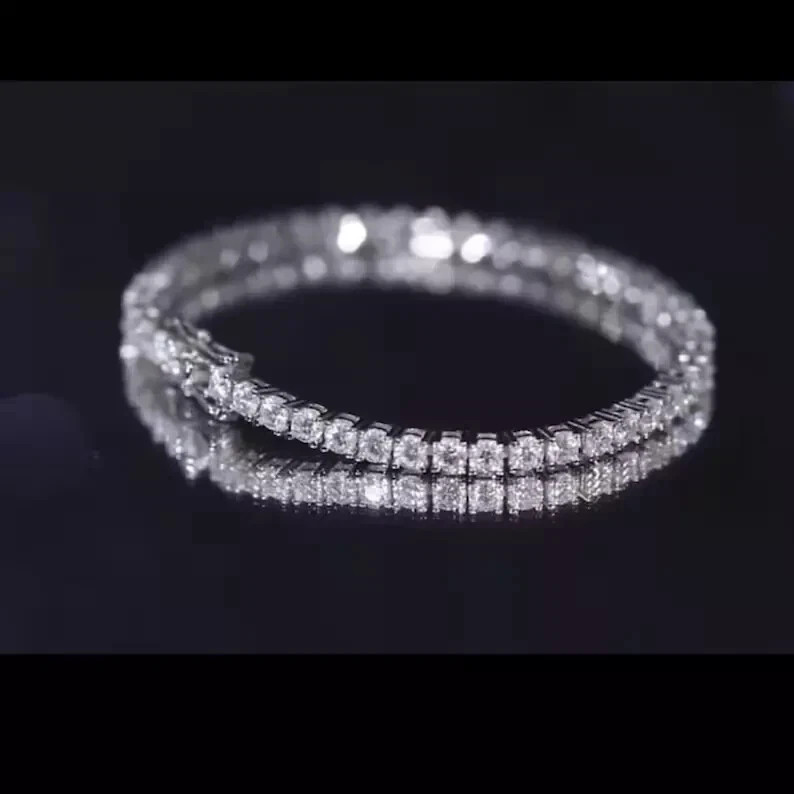 7Ct Round Cut Lab Created Diamond 14k White Gold Plated Women's Tennis Bracelet$57.50Last checked Nov 28, 2026View on eBay
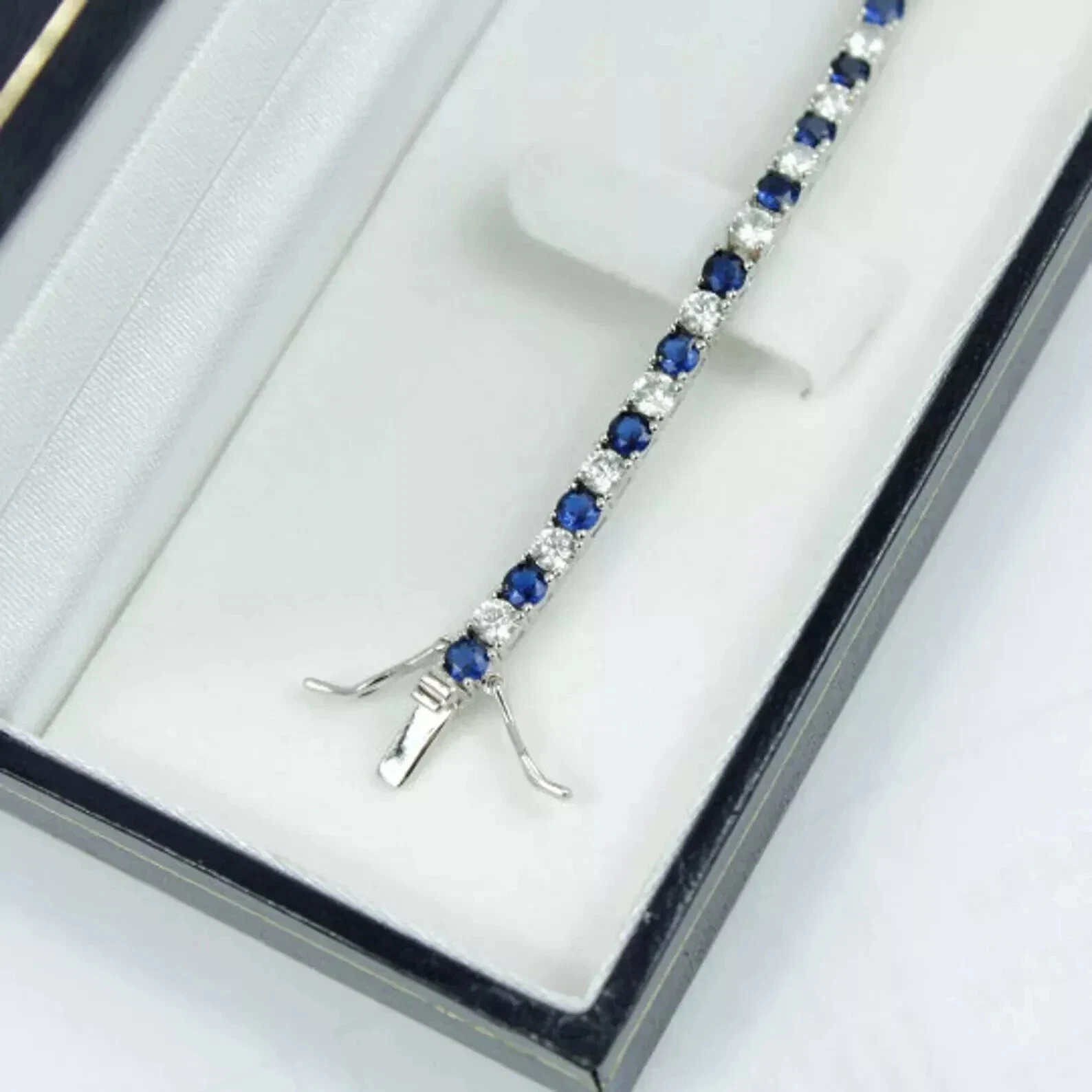 9ct Round 4mm Lab Created Diamond Sapphire Tennis Bracelet 14K White Gold Plated$64.50Last checked Nov 21, 2026View on eBay
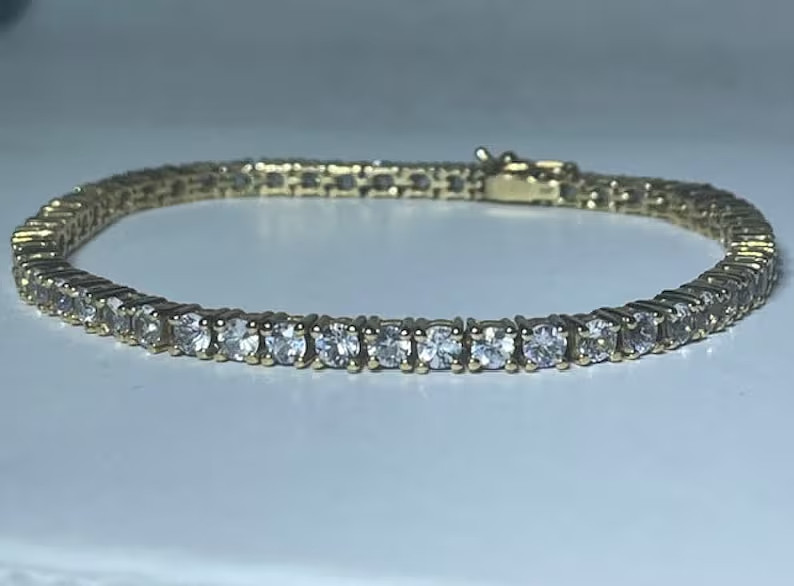 7' Inch Long Tennis Wedding Bracelet Solid 14K Yellow Gold 6 CT Round Cut VVS1$365.50Last checked Nov 14, 2026View on eBay
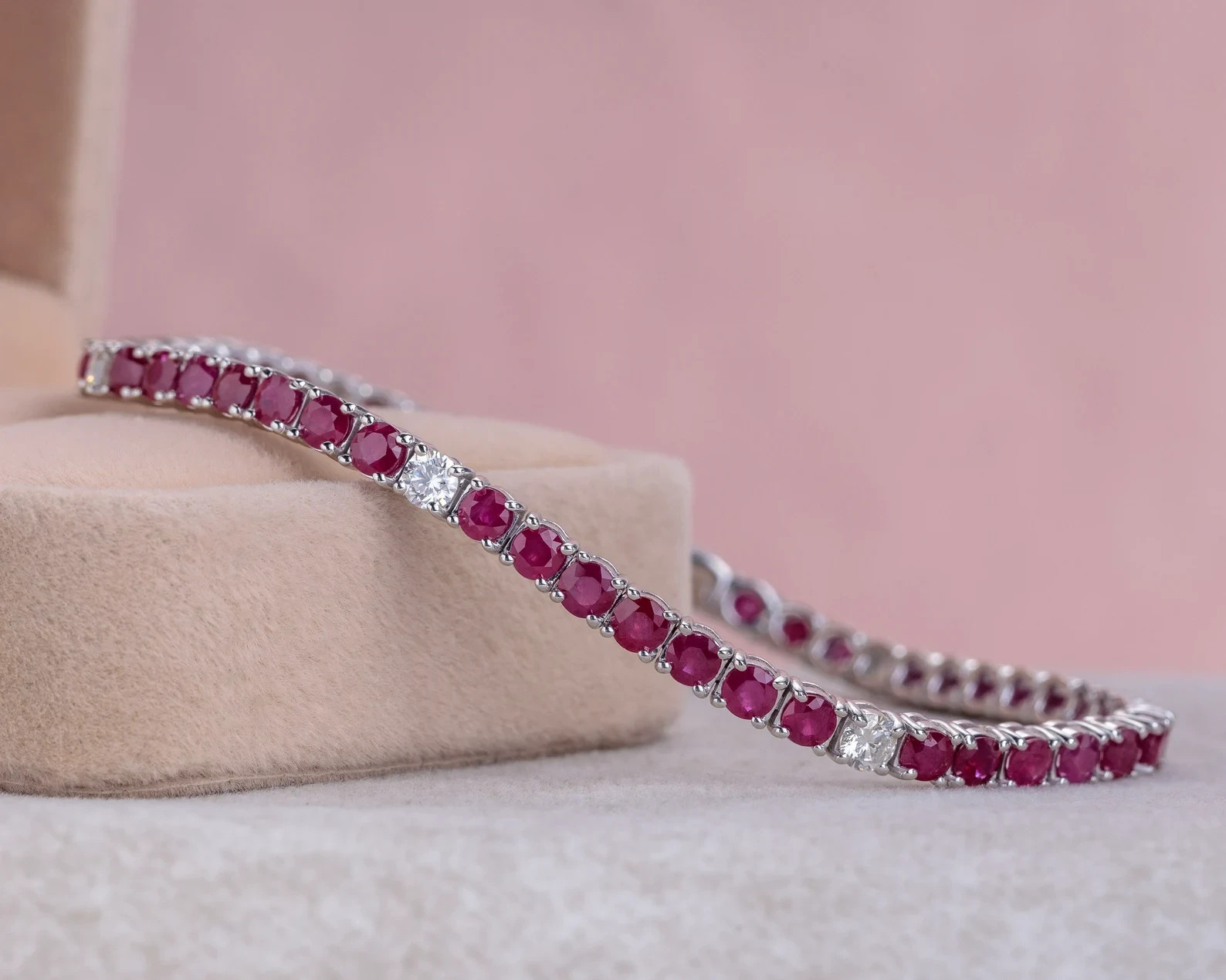 15 Ct Round Cut Natural Ruby Diamond Wedding Tennis Bracelet 14K White Gold 7"$382.97Last checked Nov 14, 2026View on eBay
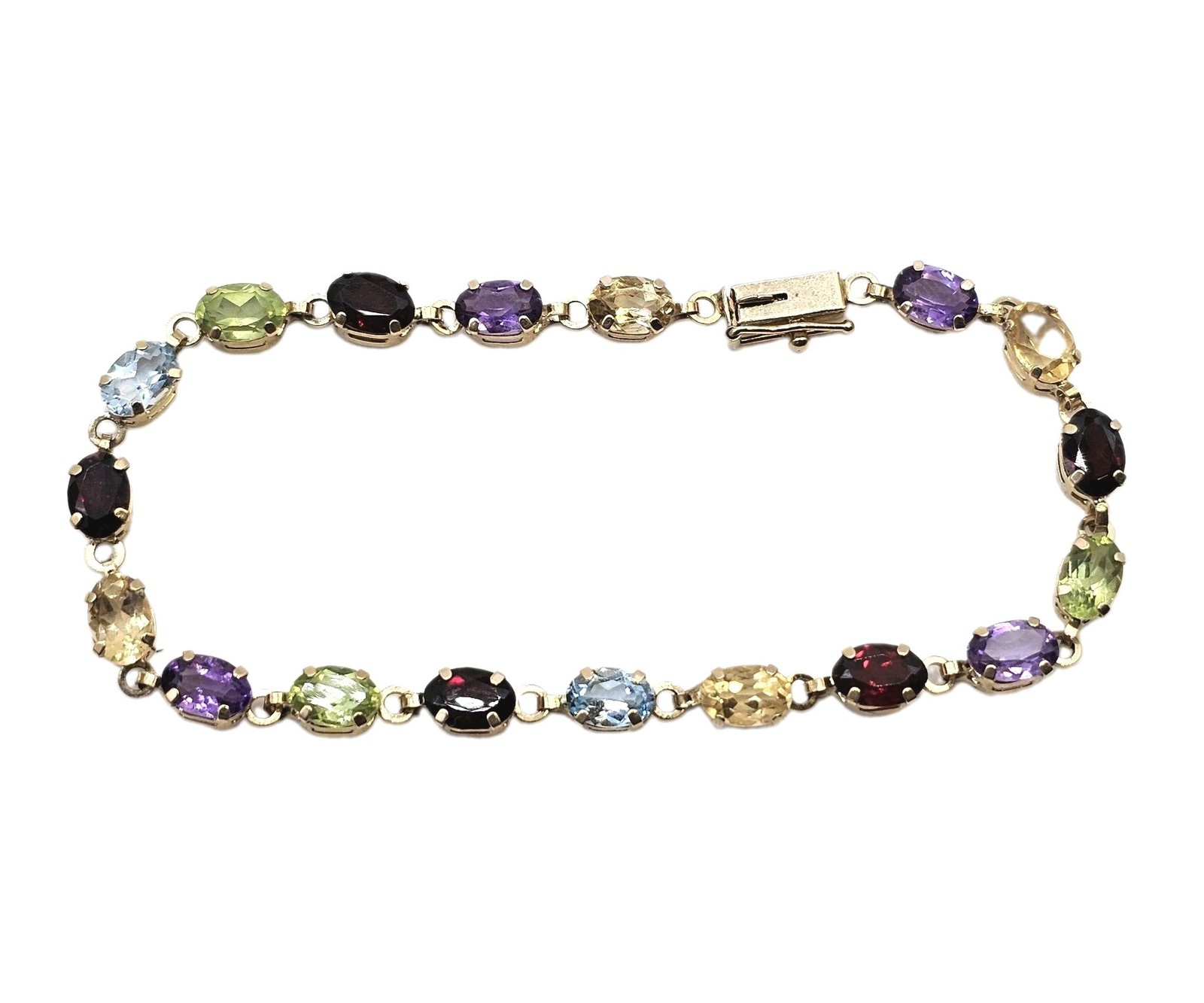 6.75" 10K Gold Multi Gemstone Tennis Bracelet Amethyst Topaz Aqua 4.4 Grams$394.00Last checked Nov 14, 2026View on eBay
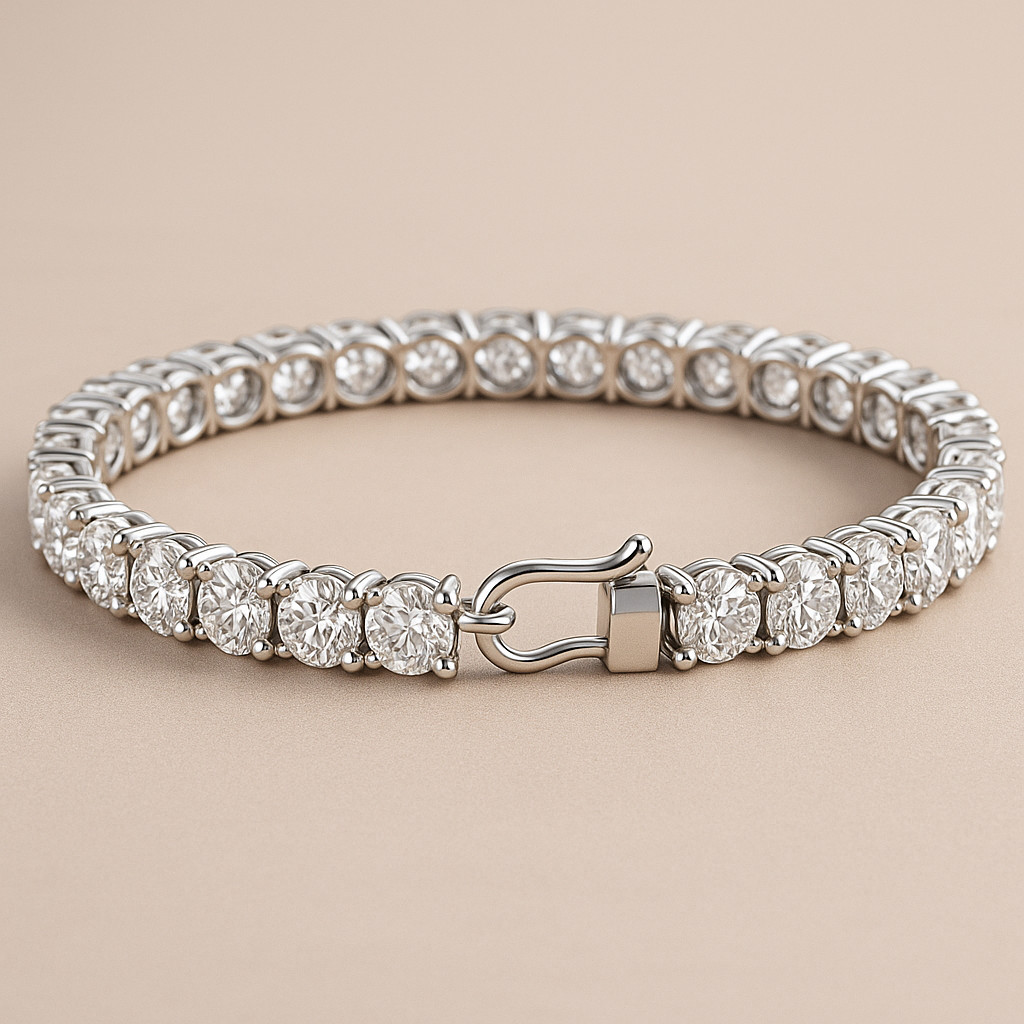 Elegant 7.00 Ct Certified Natural Treated Diamond Tennis Bracelet 14K Gold$445.02Last checked Nov 14, 2026View on eBay
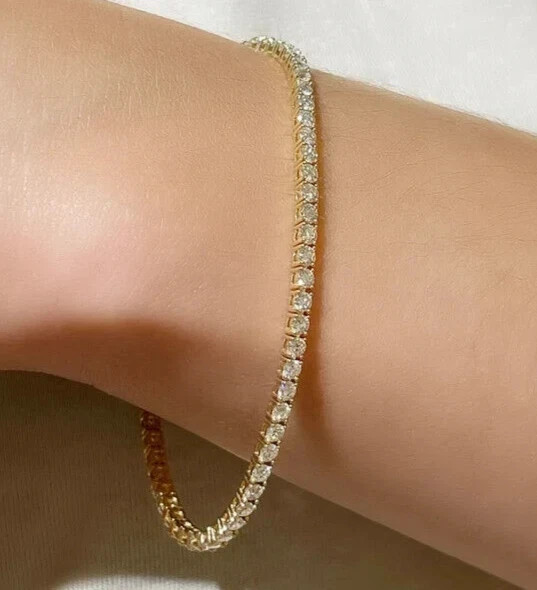 IGI 4.55CT Round Lab Grown Diamond Tennis Bracelet Wedding Gift 14K Yellow Gold$2,202.00Last checked Nov 14, 2026View on eBay
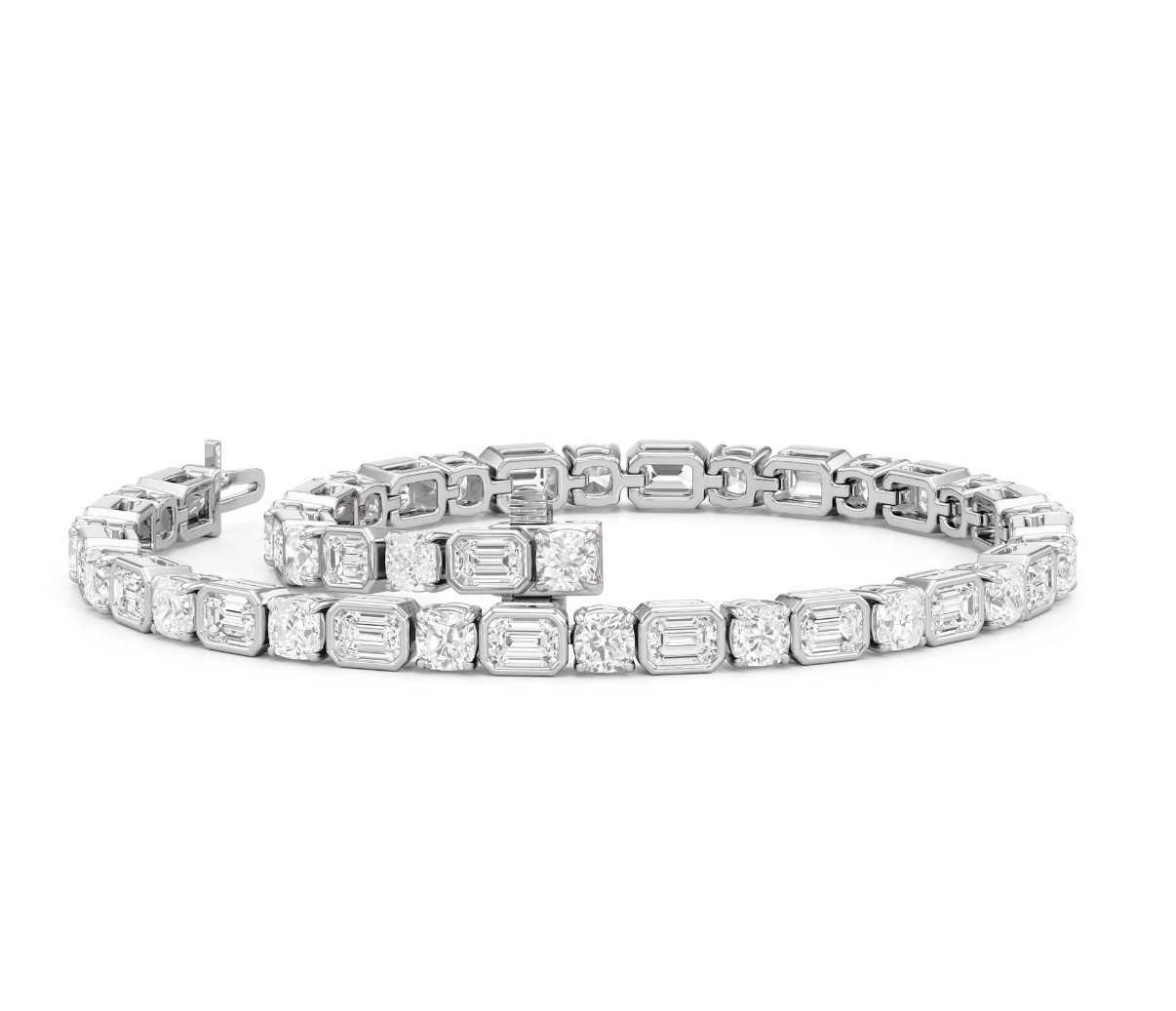 IGI 8 CT Emerald Round F-VS1 Lab Grown Diamond Tennis Bracelet 10K White Gold$2,925.00Last checked Nov 14, 2026View on eBay
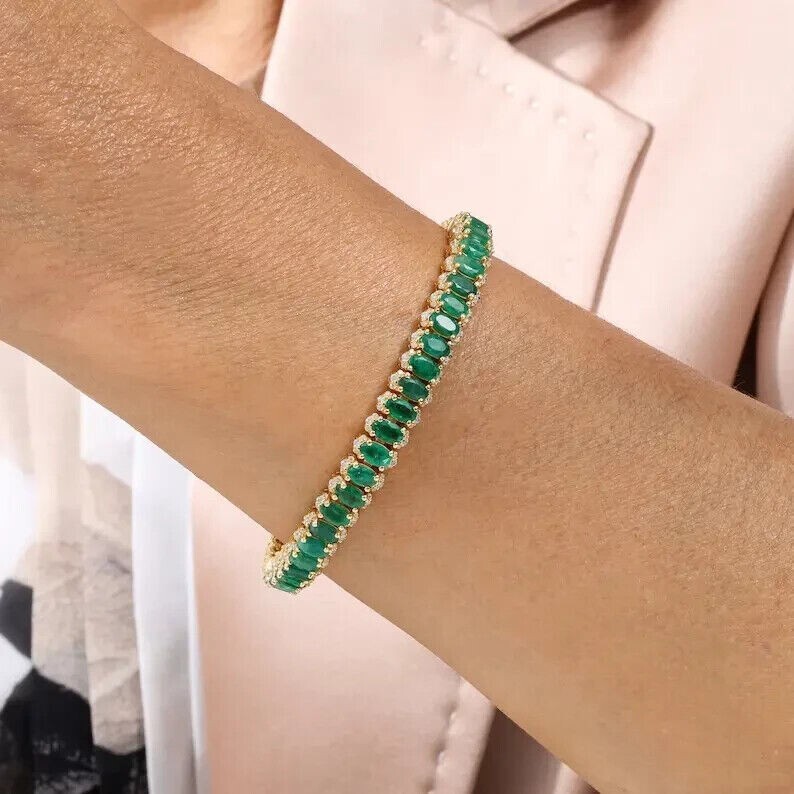 Natural Emerald &Diamond Birthday Gift Women's Tennis Bracelet 14K Yellow Gold$3,325.00Last checked Nov 18, 2026View on eBay
Highlights
- Solid 14K gold (58.3% purity) is the durability and value standard; 10K (41.7%) is harder but less gold-rich, while '14K plated' means a thin gold layer over brass or steel that wears through.
- Lab-grown diamonds are chemically identical to natural diamonds and cost less at the same carat weight; natural stones carry a premium and should come with a recognized grading report.
- Tennis bracelet stones are set in a continuous line with 3- or 4-prong settings; a secure box clasp with a figure-eight safety latch prevents loss far better than a single lobster claw.
- Bracelet length must match wrist measurement plus 0.5 inch of ease; standard women's sizes run 7 inches, and a 6.5-inch bracelet fits a 6-inch wrist snugly.
Best use cases
- Best fit: daily wear or gifting — choose solid 14K yellow or white gold with a box clasp and safety latch, and skip plated or vermeil pieces that tarnish within months.
- Best fit: maximum sparkle on a budget — choose lab-grown diamonds in 10K or 14K gold; skip natural-diamond listings at the same carat weight if price is the constraint.
- Best fit: a colorful statement — choose multi-gemstone 10K gold bracelets with amethyst, topaz, or aqua; skip these for high-impact daily wear because softer stones chip.
- Wrong fit: buying a 7-inch bracelet for a wrist over 6.5 inches — it will feel tight; size up to 7.5 inches or add a extender link.
Buying tips
- Match gold content to use: 14K for heirloom durability, 10K for harder everyday wear, and avoid gold-plated brass for anything worn daily.
- Check diamond grading: VVS1–VS1 clarity and F–G color are fine for tennis bracelets; SI clarity is acceptable if the stones are small and well-set.
- Verify clasp type: a box clasp with a figure-eight safety is the minimum; a single lobster claw on a tennis bracelet is a loss risk.
- Calculate length: measure your wrist in inches and add 0.5 inch for comfort; a 7-inch bracelet is standard for a 6.5-inch wrist.
Specs
| Gold Purity | Solid 10K / 14K / 18K vs plated |
|---|---|
| Diamond Type | Natural vs lab-grown vs gemstone |
| Bracelet Length | 6.5 / 7 / 7.5 / 8 in |
| Clasp Type | Box + safety vs lobster claw |
Related searches
What to check before buying
- Measure your wrist with a soft tape and add 0.5 inch; confirm the listing states the exact bracelet length in inches.
- Confirm gold purity is stamped (10K, 14K, 18K) and that 'plated' does not appear in the metal description for a daily-wear piece.
- Check the clasp type and safety latch in the listing photos; a box clasp with a figure-eight is required for security.
- For gemstone bracelets, confirm the stone type and treatment (natural, lab-grown, or treated) and whether a grading report is included.
FAQ
Data sources: eBay / Amazon listings and product attribute feeds. Updated Nov 29, 2026.
Some links on this page are affiliate links. If you buy after clicking one, we may earn a commission at no extra cost to you. This does not change which products appear here or their order. Affiliate disclosure.