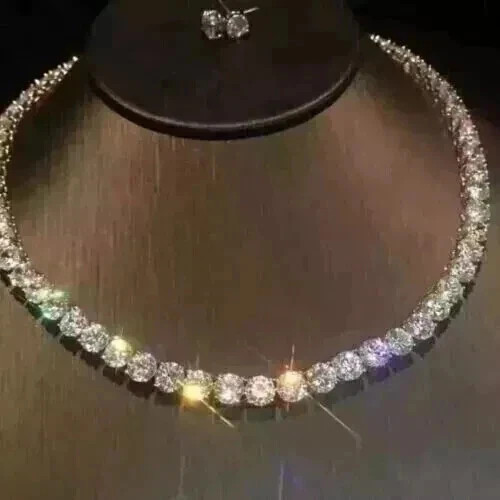

Photos from current listings. Actual item, color, and included accessories may vary.
Lab Created Diamond Necklace Buying Guide
A lab-created diamond necklace uses stones with identical carbon crystal structure to mined diamonds, so the real decision is not 'real vs fake' but whether the metal, setting, and diamond grading are built to last. The trade-off is between gold-plated brass (bright now, tarnishes later) and solid 14K/18K gold or platinum (lifetime durability, higher cost). Buy solid gold or platinum with GIA/IGI-certified stones for daily wear; accept plating only for occasional, short-wear fashion.
Key takeaways
- Lab diamonds are chemically, physically, and optically identical to mined diamonds—only origin differs—so cut grade (Excellent/Ideal) and carat weight drive sparkle, not 'lab' status.
- Metal construction is the durability divider: 14K/18K solid gold or platinum resists tarnish for decades, while 14K gold-plated brass or sterling wears through in months of daily contact.
- Tennis necklaces are defined by total carat weight (e.g., 20 Ct) and stone count; each stone's spread and prong security determine whether the line looks continuous or gappy.
At a glance
- Category
- Necklaces & Bracelets
- Last updated
- Nov 28, 2026
Current offers
Highlights
- Lab diamonds are chemically, physically, and optically identical to mined diamonds—only origin differs—so cut grade (Excellent/Ideal) and carat weight drive sparkle, not 'lab' status.
- Metal construction is the durability divider: 14K/18K solid gold or platinum resists tarnish for decades, while 14K gold-plated brass or sterling wears through in months of daily contact.
- Tennis necklaces are defined by total carat weight (e.g., 20 Ct) and stone count; each stone's spread and prong security determine whether the line looks continuous or gappy.
- Certification matters: GIA or IGI grading reports guarantee color/clarity claims; uncertified 'lab created' listings may use CVD stones with undisclosed treatments or lower grades.
Best use cases
- Daily-wear signature piece: choose solid 14K/18K gold or platinum with a secure four-prong setting and IGI/GIA-certified stones; skip plated brass if you shower, sweat, or apply perfume regularly.
- Occasional evening or event wear: a 14K gold-plated brass tennis necklace with 20 Ct equivalent lab diamonds delivers high visual impact at low cost—just remove before water and store dry.
- Bridal or anniversary gift: prioritize certified stones (GIA/IGI) and solid white gold or platinum; skip ungraded 'lab created' listings where color and clarity are seller-described only.
- Sensitive skin or nickel allergy: specify nickel-free solid gold (18K white gold may contain nickel—ask for palladium-white or platinum) or platinum; avoid plated brass with unknown alloy.
Buying tips
- Match metal to wear frequency: solid 14K/18K gold or platinum for daily wear; 14K gold-plated brass or sterling only for occasional use—plating thickness under 2.5 microns wears through quickly.
- For tennis necklaces, check total carat weight against length: a 20 Ct line at 16–18 inches uses roughly 3–4 mm stones; shorter lengths concentrate carat weight into larger, more visible stones.
- Demand a grading report: GIA or IGI certification for lab diamonds confirms color (D–J) and clarity (VS–SI) grades; uncertified stones carry resale and quality risk regardless of listing photos.
- Verify clasp and setting security: lobster or box clasps with safety latches and four-prong settings outperform friction clasps and glue-set stones for a necklace that moves against skin all day.
Specs
| Metal Type | Solid 14K/18K gold, platinum vs plated brass |
|---|---|
| Diamond Certification | GIA or IGI graded vs uncertified |
| Total Carat Weight | 0.5–20 Ct total (tennis lines 5–20 Ct) |
| Setting Style | Four-prong vs glue-set / bezel |
Related searches
What to check before buying
- Measure your preferred necklace length: 16 inches sits at the collarbone, 18 inches at the sternum—tennis necklaces should lie flat without twisting, so match length to neck circumference.
- Confirm metal allergy needs before choosing white gold: standard 18K white gold contains nickel; specify palladium-white gold or platinum if you react to nickel.
- Check clasp type and safety: a box clasp with figure-eight safety or a lobster clasp with latch prevents loss; avoid simple spring rings on high-carat tennis lines.
- Verify certification paperwork is included: ask for the GIA or IGI report number and confirm it matches the stones—certified lab diamonds hold documented quality, uncertified ones do not.
FAQ
Data sources: eBay / Amazon listings and product attribute feeds. Updated Nov 28, 2026.
Some links on this page are affiliate links. If you buy after clicking one, we may earn a commission at no extra cost to you. This does not change which products appear here or their order. Affiliate disclosure.