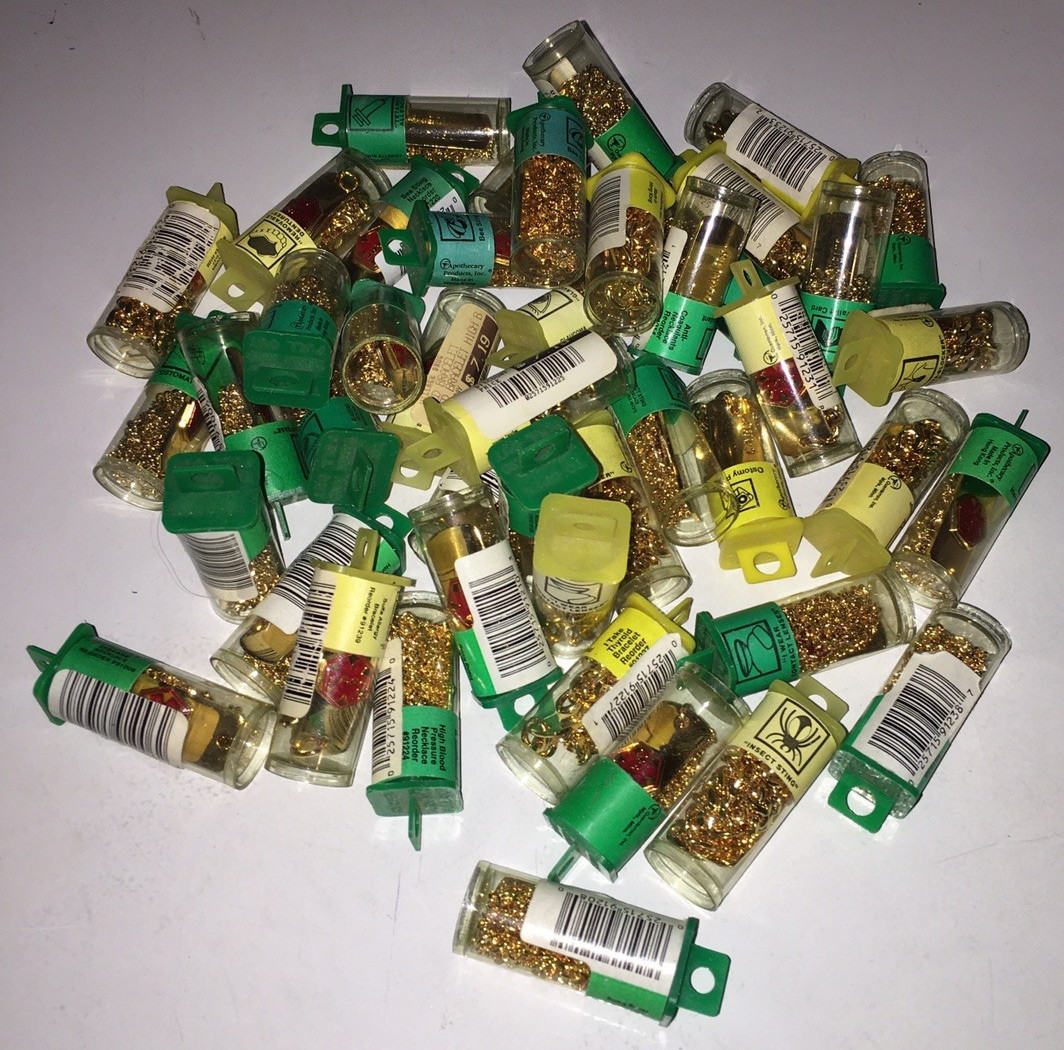

Photos from current listings. Actual item, color, and included accessories may vary.
Medical Alert Bracelet Buying Guide
A medical alert bracelet is a wearable identification tag that communicates critical health information—allergies, conditions, emergency contacts—when the wearer cannot speak. The core trade-off is between engraving legibility and metal durability: laser-etched stainless steel or titanium outlasts stamped or plated alloys, while silicone bands trade longevity for comfort and cost. Choose a laser-engraved solid stainless or titanium piece with a secure clasp if you need years of daily wear; accept plated or silicone only as a short-term backup.
Key takeaways
- Solid 316L stainless steel and titanium resist corrosion and skin irritation; plated brass or gold-filled finishes wear through within months of daily contact.
- Laser engraving cuts 0.1–0.2 mm deep and stays legible for years; stamped or printed inserts fade and fill with grime.
- Medical alert symbols follow ISO 7010-style cross or caduceus emblems; embossed icon plus engraved text reads faster for first responders.
At a glance
- Category
- Necklaces & Bracelets
- Last updated
- Nov 28, 2026
Current offers
Highlights
- Solid 316L stainless steel and titanium resist corrosion and skin irritation; plated brass or gold-filled finishes wear through within months of daily contact.
- Laser engraving cuts 0.1–0.2 mm deep and stays legible for years; stamped or printed inserts fade and fill with grime.
- Medical alert symbols follow ISO 7010-style cross or caduceus emblems; embossed icon plus engraved text reads faster for first responders.
- Clasp type determines loss risk: lobster claw and fold-over clasps are secure; magnetic and spring-bar clasps pop open during activity.
Best use cases
- Best fit: daily wear for chronic conditions (diabetes, epilepsy, severe allergies) — pick laser-engraved 316L stainless or titanium with a fold-over clasp.
- Best fit: sports and water activity — choose a silicone or rubber band with engraved stainless tag; avoid plated finishes that chip in chlorinated pools.
- Wrong fit: fashion-first gold-plated bracelets for lifelong conditions — plating wears off and engraving depth is shallow; use only as a backup.
- Wrong fit: oversized pendants or necklaces for dementia or autism — wristbands stay visible and are less likely to be removed or lost.
Buying tips
- Measure wrist circumference snugly and add 0.5–1 inch for comfort; a bracelet that slides over the hand can slip off unnoticed.
- Prioritize laser engraving over mechanical stamping: laser depth of 0.1–0.2 mm remains readable after years, while stamped text can deform.
- Choose 316L stainless steel or titanium over plated brass; both are hypoallergenic and resist sweat, chlorine, and salt water.
- Verify the clasp: fold-over or lobster claw clasps are secure for active wear; magnetic clasps release under load and are unsuitable for daily use.
Specs
| Metal Grade | 316L stainless / titanium vs plated brass |
|---|---|
| Engraving Method | Laser 0.1–0.2 mm vs stamped/printed |
| Clasp Type | Fold-over / lobster vs magnetic |
| Band Material | Silicone / leather / metal link |
Related searches
What to check before buying
- Measure wrist circumference with a flexible tape; add 0.5–1 inch for a comfortable fit that won't slide off.
- Confirm the engraving method is laser or deep mechanical engraving, not surface printing or plating.
- Check metal grade: 316L stainless steel or titanium for hypoallergenic daily wear; avoid nickel-plated or brass bases.
- Ensure the clasp type matches activity level: fold-over or lobster claw for sports; magnetic only for low-motion use.
FAQ
Data sources: eBay / Amazon listings and product attribute feeds. Updated Nov 28, 2026.
Some links on this page are affiliate links. If you buy after clicking one, we may earn a commission at no extra cost to you. This does not change which products appear here or their order. Affiliate disclosure.