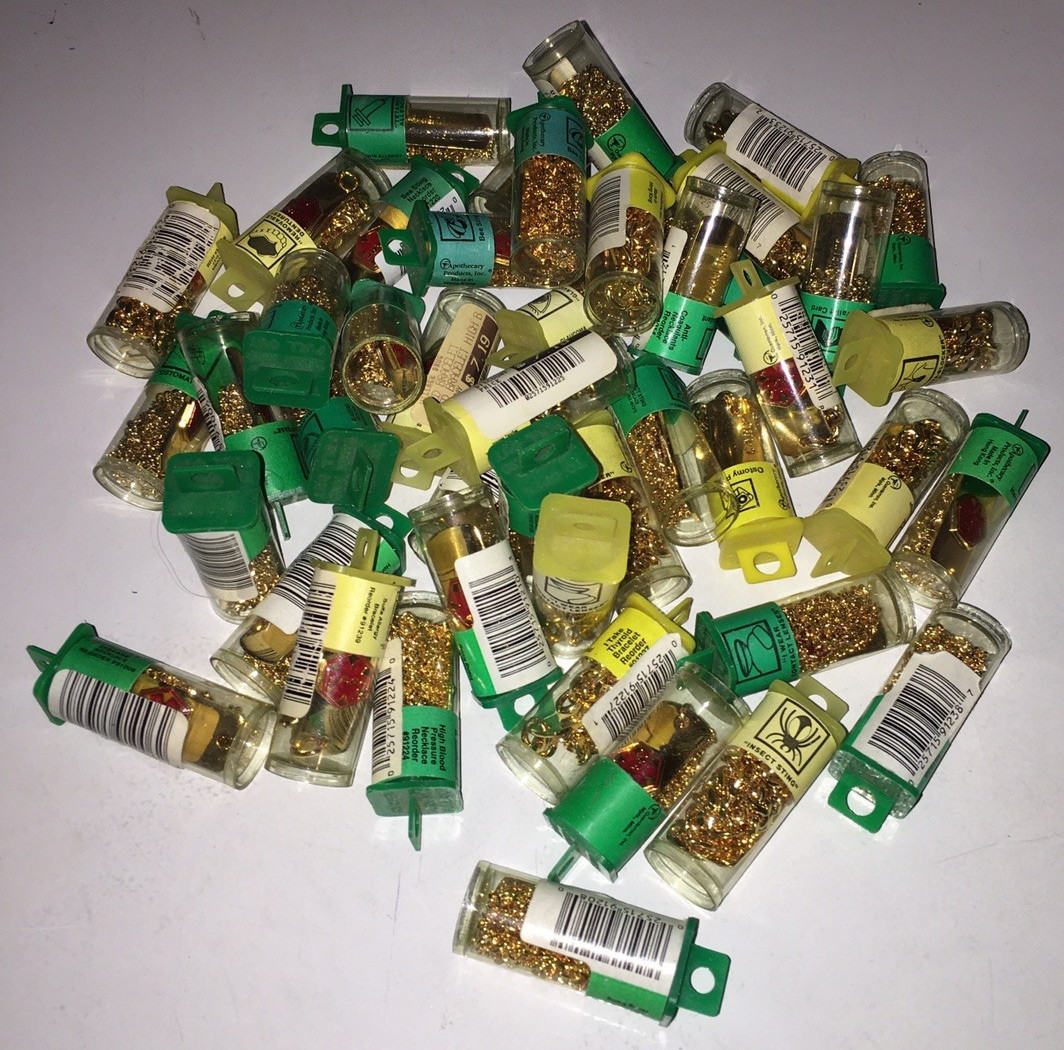

Photos from current listings. Actual item, color, and included accessories may vary.
Medical Bracelet Buying Guide
Medical bracelets are wearable alert tags that communicate critical health conditions—allergies, epilepsy, diabetes, or anticoagulant use—to first responders when the wearer cannot speak. The core trade-off is between engraved metal (surgical stainless steel or titanium) for permanence and laser-engraved silicone or beaded styles for comfort and daily wear; both must survive water, sweat, and abrasion without losing legibility. Buyers should choose a bracelet only if the engraving is deep enough to remain readable after years of wear and the clasp is secure enough for the wearer's dexterity—otherwise a necklace or a higher-contrast engraved plate is the safer choice.
Key takeaways
- Surgical-grade 316L stainless steel resists pitting and holds deep engraving; 304 stainless and plated alloys fade or corrode within months of chlorine or sweat exposure.
- Laser engraving on anodized aluminum or silicone fills with contrast pigment and stays legible; mechanical stamping on thin metal can wear shallow and blur over time.
- Medical alert symbols (Star of Life) and engraved text should sit on a face no smaller than 0.5 inches wide for first-responder readability at arm's length.
At a glance
- Category
- Necklaces & Bracelets
- Last updated
- Nov 28, 2026
Current offers
Highlights
- Surgical-grade 316L stainless steel resists pitting and holds deep engraving; 304 stainless and plated alloys fade or corrode within months of chlorine or sweat exposure.
- Laser engraving on anodized aluminum or silicone fills with contrast pigment and stays legible; mechanical stamping on thin metal can wear shallow and blur over time.
- Medical alert symbols (Star of Life) and engraved text should sit on a face no smaller than 0.5 inches wide for first-responder readability at arm's length.
- Stretch or beaded bracelets eliminate clasps entirely for arthritis or neuropathy, while magnetic or lobster-claw clasps on metal links require fine motor control to fasten.
Best use cases
- Best fit: Active adults with drug or insect-sting allergies—choose a 316L stainless steel link or silicone band with laser-engraved contrast text and a secure fold-over clasp that survives swimming and gym wear.
- Best fit: Seniors or anyone with arthritis—pick a stretch beaded bracelet or a necklace-style alert so no clasp manipulation is needed; skip tiny lobster-claw clasps on thin chains.
- Best fit: Children or dementia patients—select a lightweight silicone or nylon band with a locking clasp and no removable parts; skip beaded styles with small components that can be lost or chewed.
- Wrong fit: Buyers wanting a fashion piece—medical bracelets prioritize legibility and durability over aesthetics, so a delicate chain with shallow engraving will lose its message first.
Buying tips
- Measure the wrist snugly and add 0.5 inches for a metal link bracelet; for stretch or beaded styles, order the actual wrist circumference so the band does not slide off.
- Insist on 316L stainless steel or titanium for metal plates; 304 stainless is acceptable for occasional wear but will show surface rust if worn in chlorinated pools.
- Check that engraving depth is at least 0.2 mm (deep engraving) or contrast-filled; shallow laser marking on polished metal rubs off within a year of daily friction.
- For necklaces, choose a 20–22 inch chain so the tag rests below the collarbone and stays visible when a shirt collar opens; 18 inch chains often hide under clothing.
Specs
| Metal Grade | 316L stainless vs 304 vs plated |
|---|---|
| Band Material | Silicone / Stainless / Titanium / Beaded |
| Engraving Type | Deep engraved vs laser contrast |
| Clasp Style | Stretch / Lobster / Fold-over / Magnetic |
Related searches
What to check before buying
- Confirm the engraved plate width is at least 0.5 inches and text height at least 0.1 inches for emergency readability.
- Verify the clasp type matches the wearer's hand strength—stretch or magnetic for limited dexterity, lobster claw or fold-over for active use.
- Check water resistance: 316L stainless steel and silicone are pool-safe; plated brass and leather degrade with chlorine and sweat.
- Ensure the bracelet circumference (including clasp) matches a snug wrist measurement plus 0.5 inches for metal, or exact wrist for stretch bands.
FAQ
Data sources: eBay / Amazon listings and product attribute feeds. Updated Nov 28, 2026.
Some links on this page are affiliate links. If you buy after clicking one, we may earn a commission at no extra cost to you. This does not change which products appear here or their order. Affiliate disclosure.