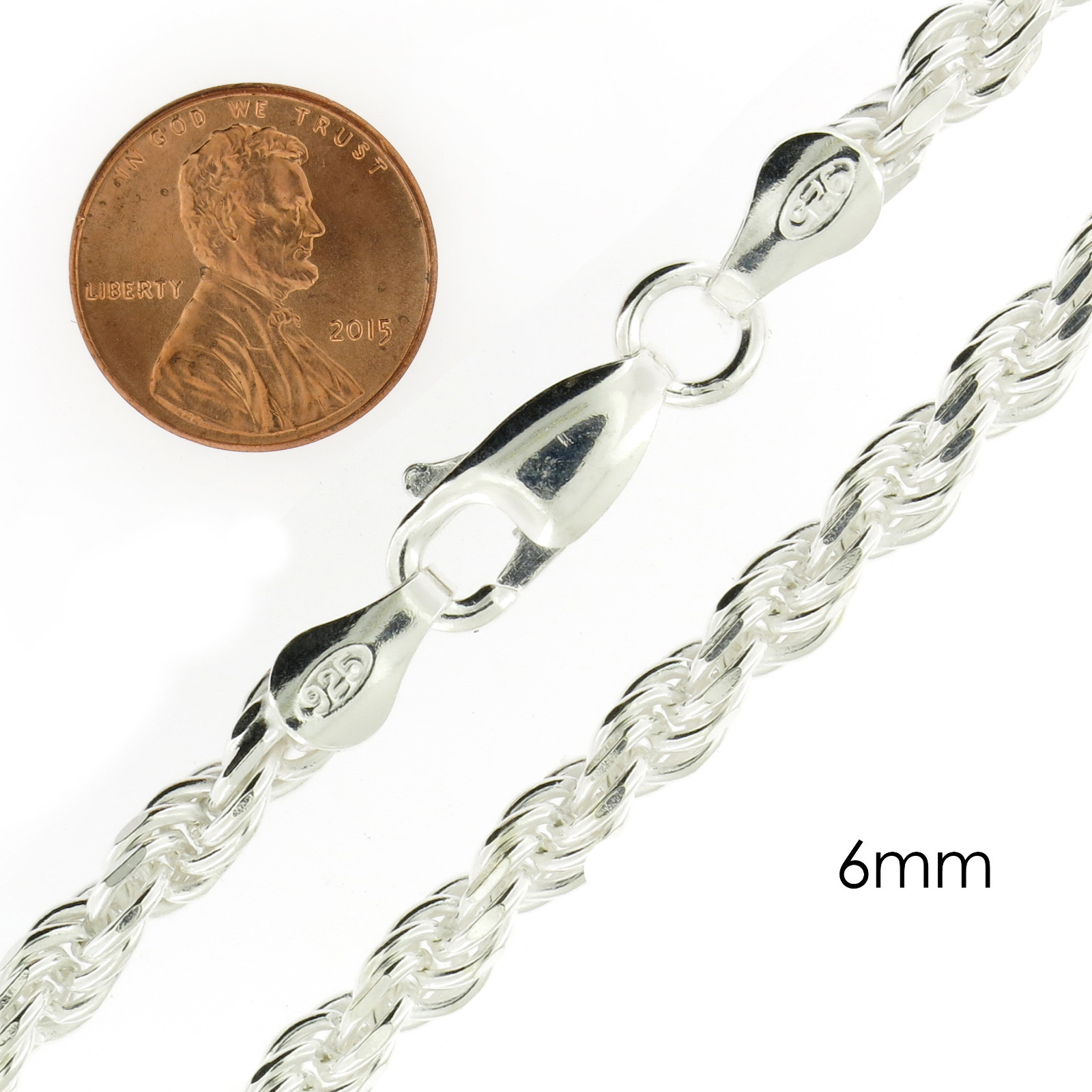

Photos from current listings. Actual item, color, and included accessories may vary.
Men Diamond Bracelet Buying Guide
Men's diamond bracelets split into two distinct constructions: diamond-cut precious-metal chains (sterling silver or gold) that create sparkle through faceted geometry without stones, and true diamond-set bracelets (natural or lab-grown) where total carat weight, metal plating thickness, and setting security drive durability. The core trade-off is between the low-maintenance, tarnish-resistant solid-metal chain and the higher-impact but more fragile stone-set tennis or cuban link. Buy solid 925 sterling silver or 10K+ gold for daily wear, and only choose diamond-set pieces when the setting is prong- or bezel-secured in solid gold—not plated brass.
Key takeaways
- Diamond-cut chains rely on faceted metal links (often 925 sterling silver or 10K–14K gold) to reflect light; they contain zero stones, so there is no lost-stone risk or carat premium.
- Lab-grown diamonds are chemically identical to mined diamonds and typically cost 60–80% less at the same carat weight; 12 TCW lab-grown tennis bracelets are common in 14K white gold plating over brass or silver.
- Tennis bracelets use a continuous line of individually prong-set stones—each setting is a failure point; security comes from solid gold prongs and a double-latch box clasp, not a single spring ring.
At a glance
- Category
- Necklaces & Bracelets
- Last updated
- Nov 28, 2026
Current offers
Highlights
- Diamond-cut chains rely on faceted metal links (often 925 sterling silver or 10K–14K gold) to reflect light; they contain zero stones, so there is no lost-stone risk or carat premium.
- Lab-grown diamonds are chemically identical to mined diamonds and typically cost 60–80% less at the same carat weight; 12 TCW lab-grown tennis bracelets are common in 14K white gold plating over brass or silver.
- Tennis bracelets use a continuous line of individually prong-set stones—each setting is a failure point; security comes from solid gold prongs and a double-latch box clasp, not a single spring ring.
- Plating thickness determines longevity: 14K white gold plating over sterling silver or brass wears through in months with daily friction, while solid 10K/14K gold or rhodium-finished sterling silver resists tarnish for years.
Best use cases
- Daily wear with active hands: choose a solid 925 sterling silver diamond-cut rope or curb chain (7–9mm width) with a lobster clasp—no stones to lose, and silver patina is easily polished off.
- Formal or evening impact: choose a lab-grown diamond tennis bracelet in 14K solid gold with a double box clasp; skip plated brass versions if you wear it more than twice a week.
- Gift for a teen or first jewelry piece: choose a 6–7mm diamond-cut sterling silver bracelet (8–8.5 inch) — it survives daily knocks and resizes cheaply; skip 12 TCW tennis bracelets, which are fragile and overpriced for casual wear.
- Large wrists (8.5 inch+): choose chain styles with removable links or extender chains; skip fixed-length tennis bracelets, which cannot be lengthened without re-stringing the entire line.
Buying tips
- Measure your wrist snugly with a tape and add 0.5 inch for a comfort fit: a 7-inch wrist takes a 7.5-inch bracelet; chain styles can run 0.25 inch looser than tennis styles without looking sloppy.
- Demand solid 925 sterling silver (stamped '925' or 'S925') or 10K/14K gold; 'diamond-cut' describes the faceting, not the metal—avoid brass or copper cores labeled only 'silver-tone'.
- For stone-set bracelets, check total carat weight per stone: 12 TCW across 40+ stones means small 0.3 CT stones with many prongs; fewer, larger stones (2–3 CT each) set in bezels are more secure.
- Verify clasp type: lobster claw or double box clasp with safety latch for daily wear; spring-ring clasps on heavy tennis bracelets are a known failure point and should be replaced.
Specs
| Metal Core | 925 Silver / 10K-14K Gold / Plated Brass |
|---|---|
| Stone Type | None (diamond-cut) / Lab or Natural Diamond |
| Carat Weight (Tennis) | 0.5-12 TCW total; 0.1-0.3 CT per stone |
| Clasp Type | Lobster claw / Double box with safety latch |
Related searches
What to check before buying
- Wrist circumference measured (inches) plus 0.5 inch comfort allowance; confirm the bracelet's stated length matches before ordering.
- Metal stamp present (925, 10K, 14K, or 18K) and plating thickness stated in microns if plated—under 2.5 microns will wear through quickly.
- For tennis styles, confirm the clasp is a double-latch box clasp and the bracelet has a safety chain or figure-8 safety catch.
- Confirm the bracelet ships with a polishing cloth and, for silver, a tarnish-inhibiting pouch; sterling silver needs airtight storage to slow oxidation.
FAQ
Data sources: eBay / Amazon listings and product attribute feeds. Updated Nov 28, 2026.
Some links on this page are affiliate links. If you buy after clicking one, we may earn a commission at no extra cost to you. This does not change which products appear here or their order. Affiliate disclosure.