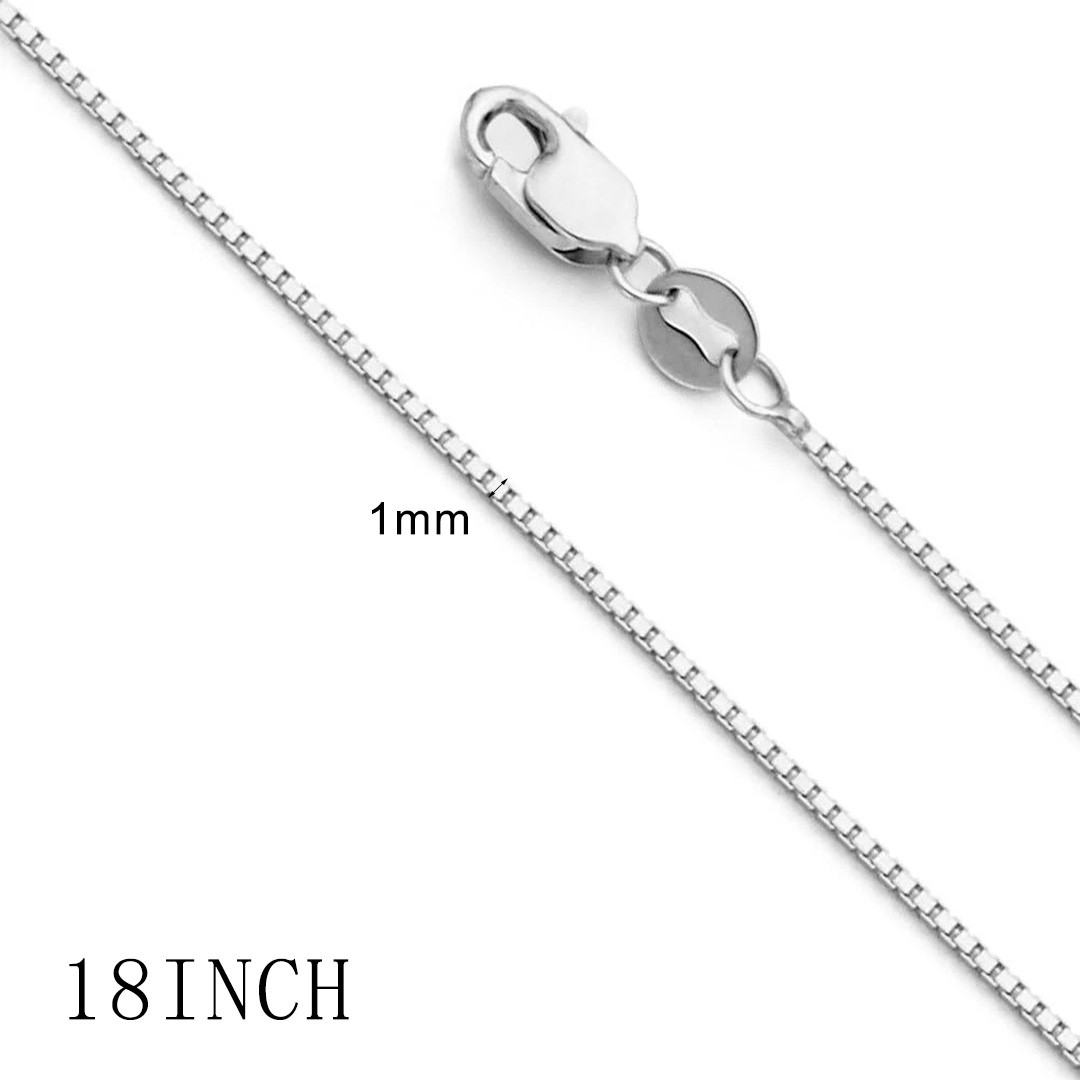

Photos from current listings. Actual item, color, and included accessories may vary.
Real Pearl Necklace Buying Guide
A real pearl necklace is defined by nacre-producing mollusk origin, not by bead shape or luster alone. The core trade-off is between thin-nacre freshwater or akoya pearls that lose luster within a few years and thick-nacre South Sea or Tahitian pearls that hold value and sheen for decades. The decision rule: buy only when the seller states pearl type, nacre thickness or grading tier, and metal purity — otherwise treat the strand as costume.
Key takeaways
- Freshwater pearls are nucleated with mantle tissue and grow 2–12 mm; akoya are bead-nucleated and capped at 10 mm, which is why large akoya strands command premium prices.
- Nacre thickness determines durability: akoya nacre of 0.3–0.5 mm is standard, while South Sea and Tahitian pearls carry 2–4 mm nacre and resist chipping and wear far longer.
- Luster grading runs A–AAA in the freshwater/akoya trade; AAA means sharp reflections and less than 10% surface blemishes visible at 30 cm, A shows dull sheen and visible spots.
At a glance
- Category
- Necklaces & Bracelets
- Last updated
- Nov 28, 2026
Current offers
Highlights
- Freshwater pearls are nucleated with mantle tissue and grow 2–12 mm; akoya are bead-nucleated and capped at 10 mm, which is why large akoya strands command premium prices.
- Nacre thickness determines durability: akoya nacre of 0.3–0.5 mm is standard, while South Sea and Tahitian pearls carry 2–4 mm nacre and resist chipping and wear far longer.
- Luster grading runs A–AAA in the freshwater/akoya trade; AAA means sharp reflections and less than 10% surface blemishes visible at 30 cm, A shows dull sheen and visible spots.
- Clasp and silk matter as much as pearls: a solid 14k gold clasp with a figure-eight safety catch and hand-knotted silk thread keeps the strand secure and prevents pearl-on-pearl abrasion.
Best use cases
- Daily wear with real pearls: choose a 6.5–7.5 mm freshwater strand with AAA luster and 14k gold clasp — thick enough nacre for regular use and easy to replace if lost or damaged.
- Bridal or heirloom purchase: pick 8–9 mm akoya or 9–11 mm South Sea pearls with a documented nacre grade and solid gold clasp; skip freshwater in this tier because the size-for-price gap signals thin nacre or off-round shapes.
- Gift for a child or teen: select a 5–6 mm freshwater strand with a lobster or safety clasp and a shorter 16-inch length; skip akoya and South Sea because the higher cost is wasted on a piece likely outgrown or lost.
Buying tips
- Sizing rule: 6–7 mm pearls read delicate and suit 16-inch chokers; 8–9 mm suit 18-inch princess lengths; 10 mm and above demand 20-inch or longer strands to sit correctly on the collarbone.
- Nacre rule: if the listing does not state nacre thickness or a recognized luster grade (AAA/AA+), treat the pearls as thin-nacre and expect dulling within 2–3 years of regular wear.
- Metal rule: the clasp must be stamped 14k or 18k gold (or sterling silver at minimum); gold-plated or base-metal clasps tarnish and fail long before good pearls wear out.
- Generation rule: freshwater pearls are tissue-nucleated and usually near-round to oval; akoya are bead-nucleated and perfectly round but smaller — pay for akoya only when roundness and 8 mm-plus size are required.
Specs
| Pearl Type | Freshwater / Akoya / South Sea / Tahitian |
|---|---|
| Pearl Size | 2–12 mm (freshwater); 6–10 mm (akoya) |
| Nacre Thickness | 0.3–0.5 mm akoya; 2–4 mm South Sea |
| Luster Grade | A–AAA surface and reflection scale |
Related searches
What to check before buying
- Measure the neck: a 16-inch strand sits at the base of the throat, 18 inches at the collarbone, 20 inches below the collarbone — order the length that matches the neckline you wear most.
- Confirm clasp metal and catch type: require a stamped 14k/18k gold or sterling silver clasp with a figure-eight safety catch before buying any strand above fashion tier.
- Check pearl type and nacre disclosure in the listing: freshwater, akoya, South Sea, or Tahitian must be named, with luster grade and surface quality stated.
- Verify knotting: hand-knotted silk between each pearl is the durability standard; unknotted strands rub and the thread fails at the drill hole first.
FAQ
Data sources: eBay / Amazon listings and product attribute feeds. Updated Nov 28, 2026.
Some links on this page are affiliate links. If you buy after clicking one, we may earn a commission at no extra cost to you. This does not change which products appear here or their order. Affiliate disclosure.