
Photos from current listings. Actual item, color, and included accessories may vary.
Stainless Steel Necklace Buying Guide
Stainless steel necklaces are corrosion-resistant, low-tarnish chains and pendants built for daily wear, with the primary trade-off being construction grade: 304 vs 316L steel and solid vs hollow links determine whether a piece survives years of showers and sweat or snaps within months. The clear decision rule is to buy solid 316L links with a verified clasp (lobster or box) for everyday use, and accept 304 or hollow links only for occasional, light-duty fashion wear.
Median $11.86
Key takeaways
- 316L surgical-grade stainless steel resists chloride and sweat pitting far better than 304; 304 is fine for occasional wear but can spot in chlorinated pools or heavy perspiration.
- Solid links (Cuban, box, Byzantine) hold shape and strength under tension; hollow or semi-hollow links dent and crush, so weight-to-volume ratio is the honest solidity test.
- PVD or IP gold plating on stainless survives 1-3 years of daily wear; electroplated gold on brass flakes within months, and stainless with 18k PVD is the durable gilded option.
At a glance
- Category
- Necklaces & Bracelets
- Last updated
- Nov 29, 2026
Current offers
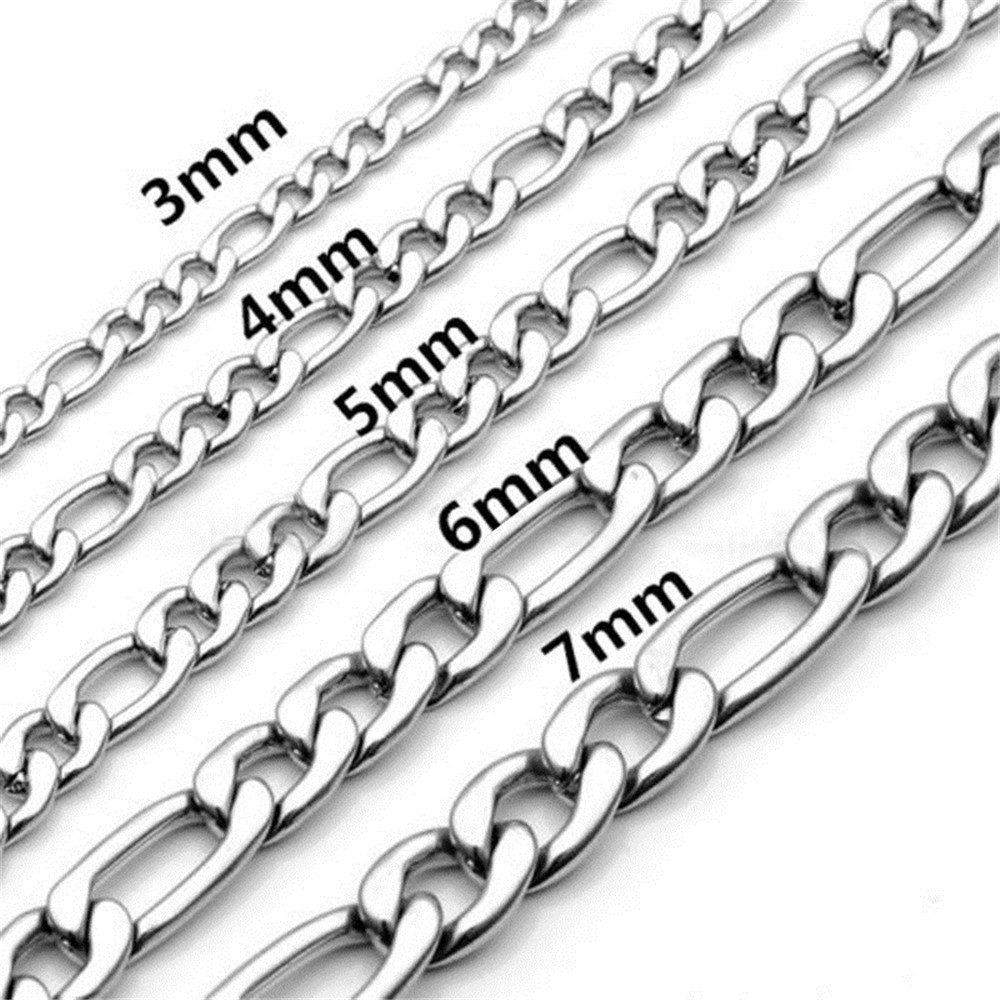 3-9mm Men's Women's Silver Stainless Steel Figaro Chain Necklace 18"-26"$2.09Last checked Nov 24, 2026View on eBay
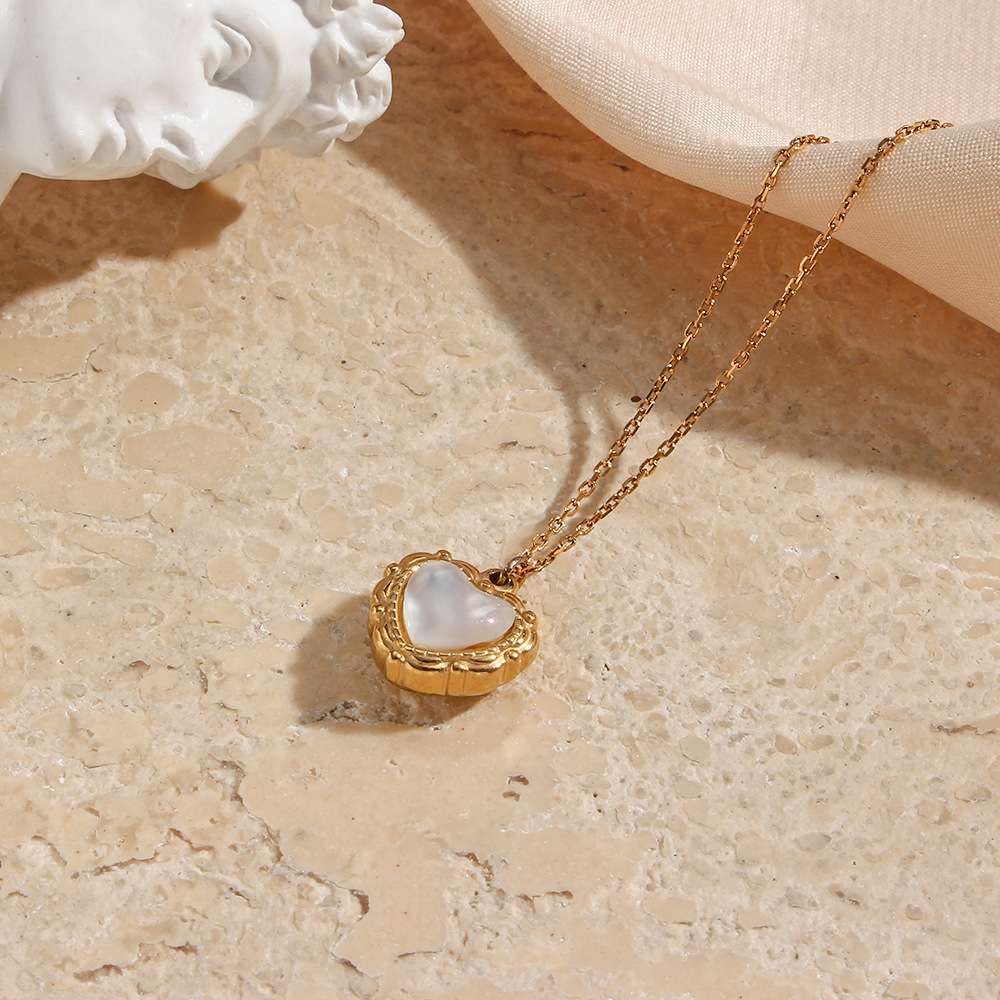 High-grade Love Light Luxury Pendant Jewelry Stainless Steel 18k Gold Plating Vintage Shell Necklace$12.99View on Mallflare
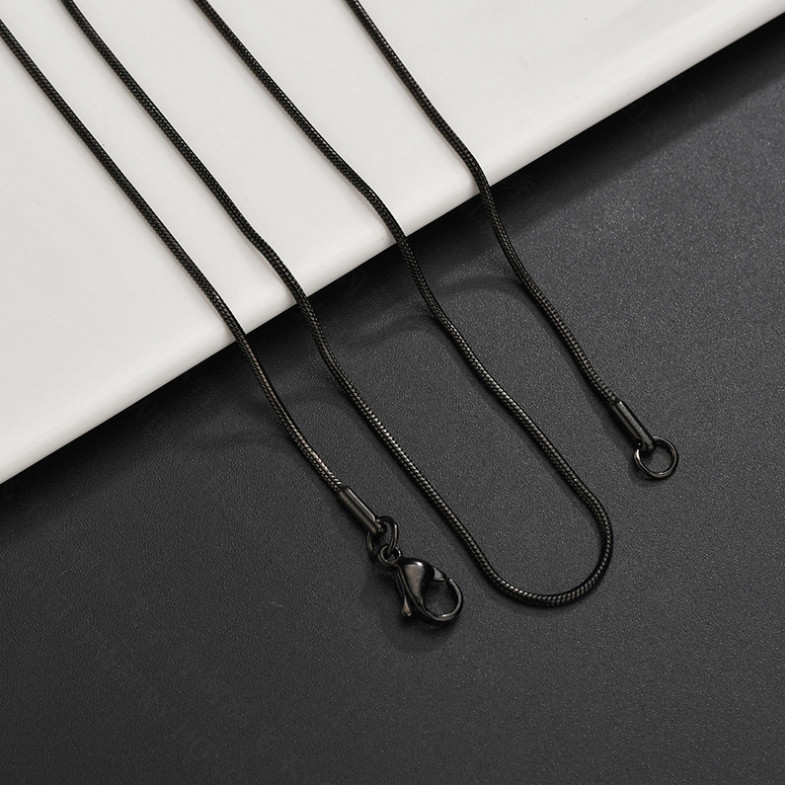 Stainless Steel Silver Gold Black Round Snake Chain Necklace Women Men 16-30''$5.95Last checked Nov 20, 2026View on eBay
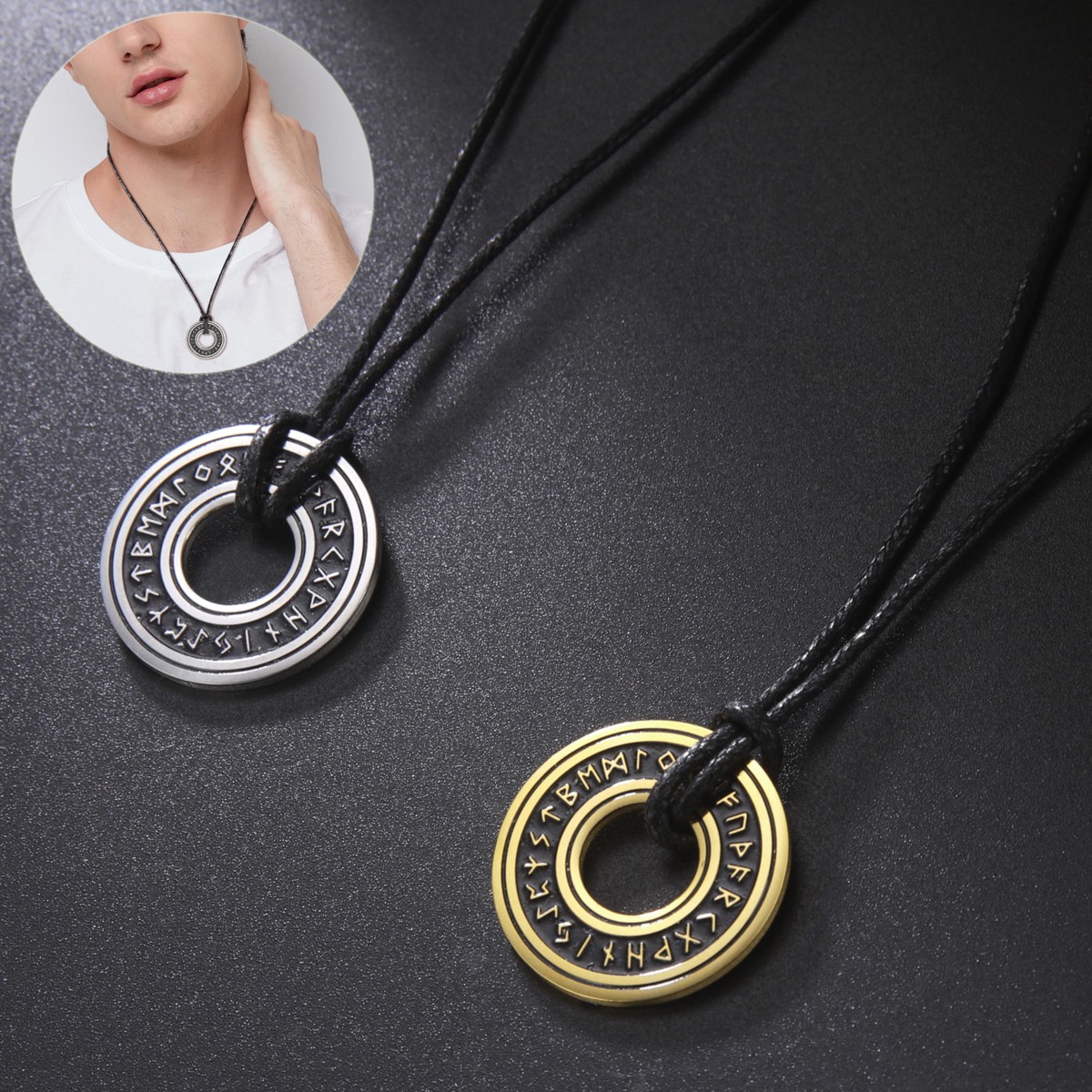 Vintage Nordic Rune Necklaces For Men Stainless Steel Norse Runes Viking Jewerly Pagan Elder Futhark Pendant Amulet Fashion Jewelry$13.99View on Mallflare
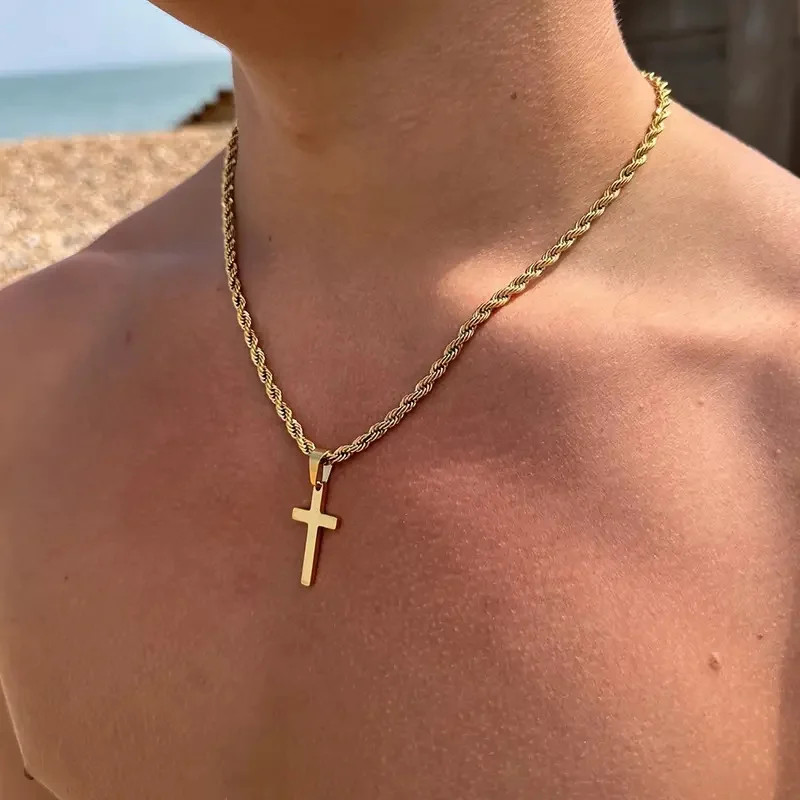 Stainless Steel Cross Pendant Necklace Minimalist Gold Color Jewelry Men Women$6.99View on eBay
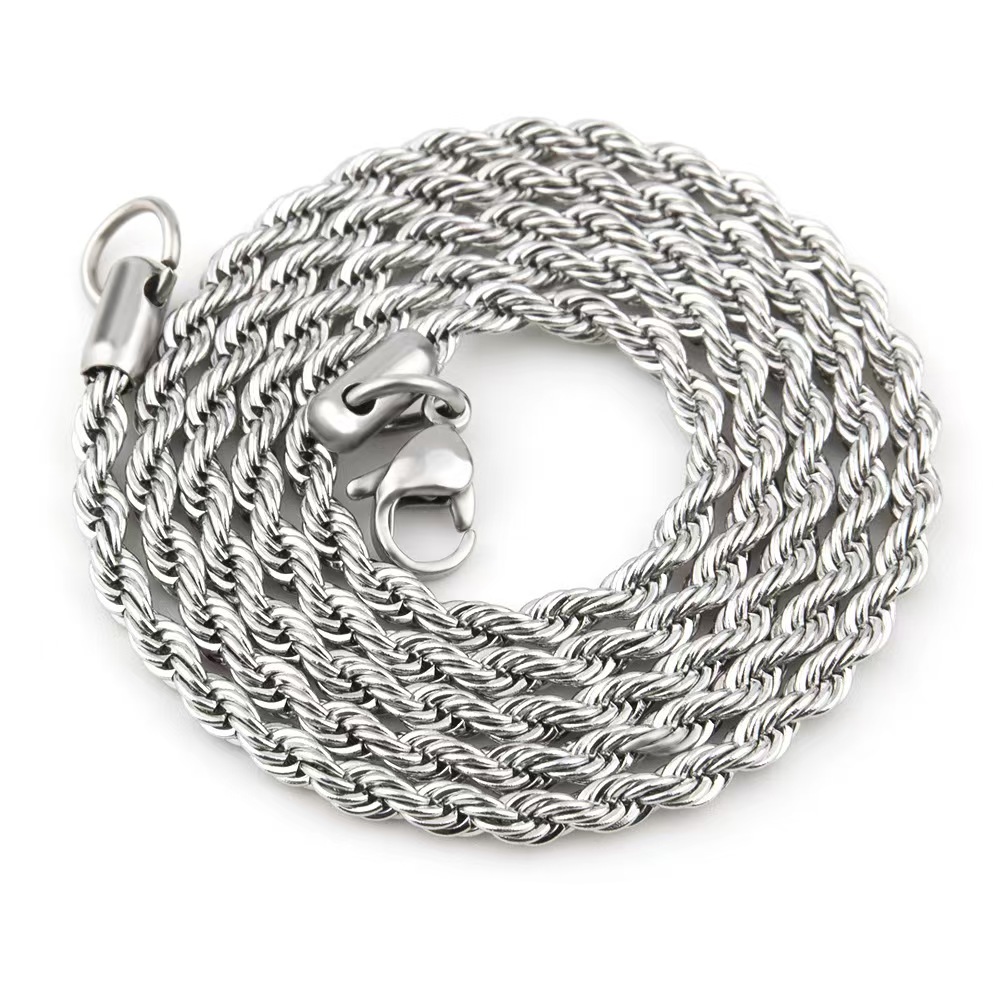 1pc Stainless Steel Twist Chain Necklace,Daily Wear Essential,Ideal Gift For Jewelry Enthusiasts And Crafters$18.99View on Mallflare
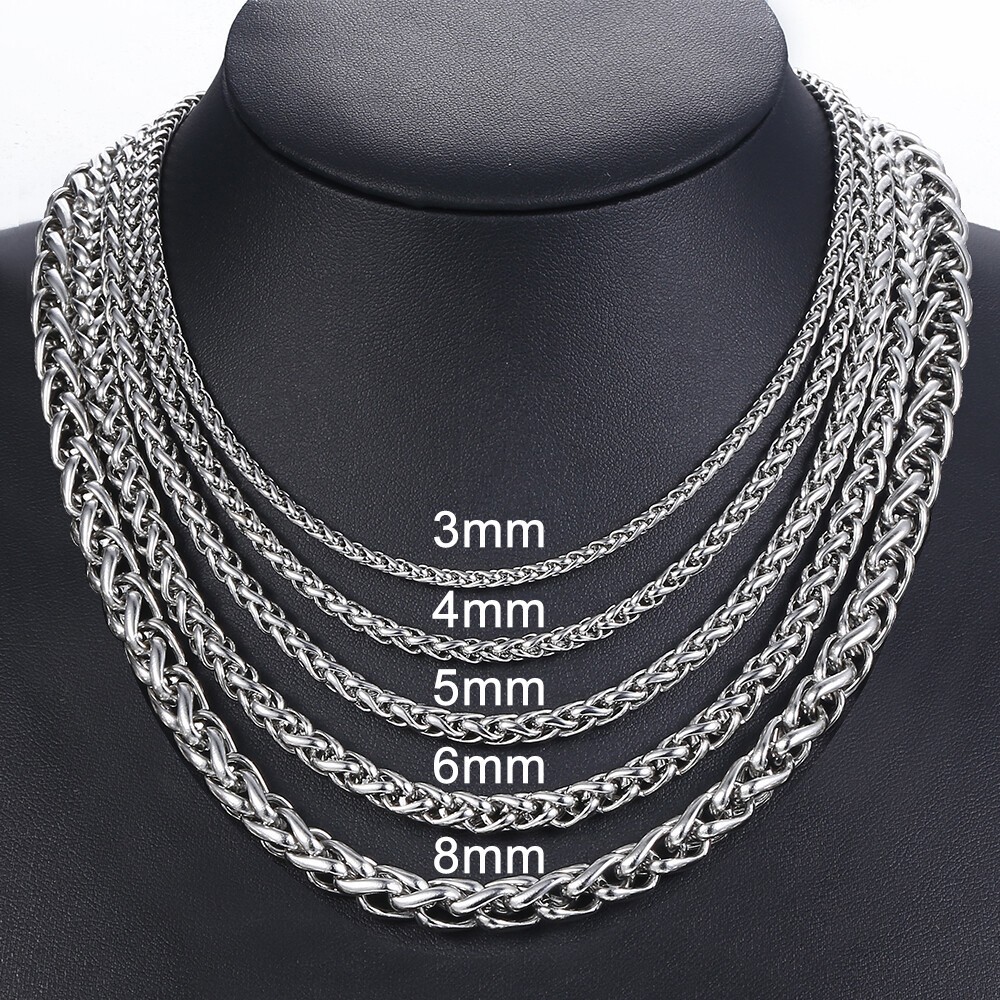 3/4/5mm Braided Wheat Chain Silver 316L Stainless Steel Men Women Necklace$7.25Last checked Nov 24, 2026View on eBay
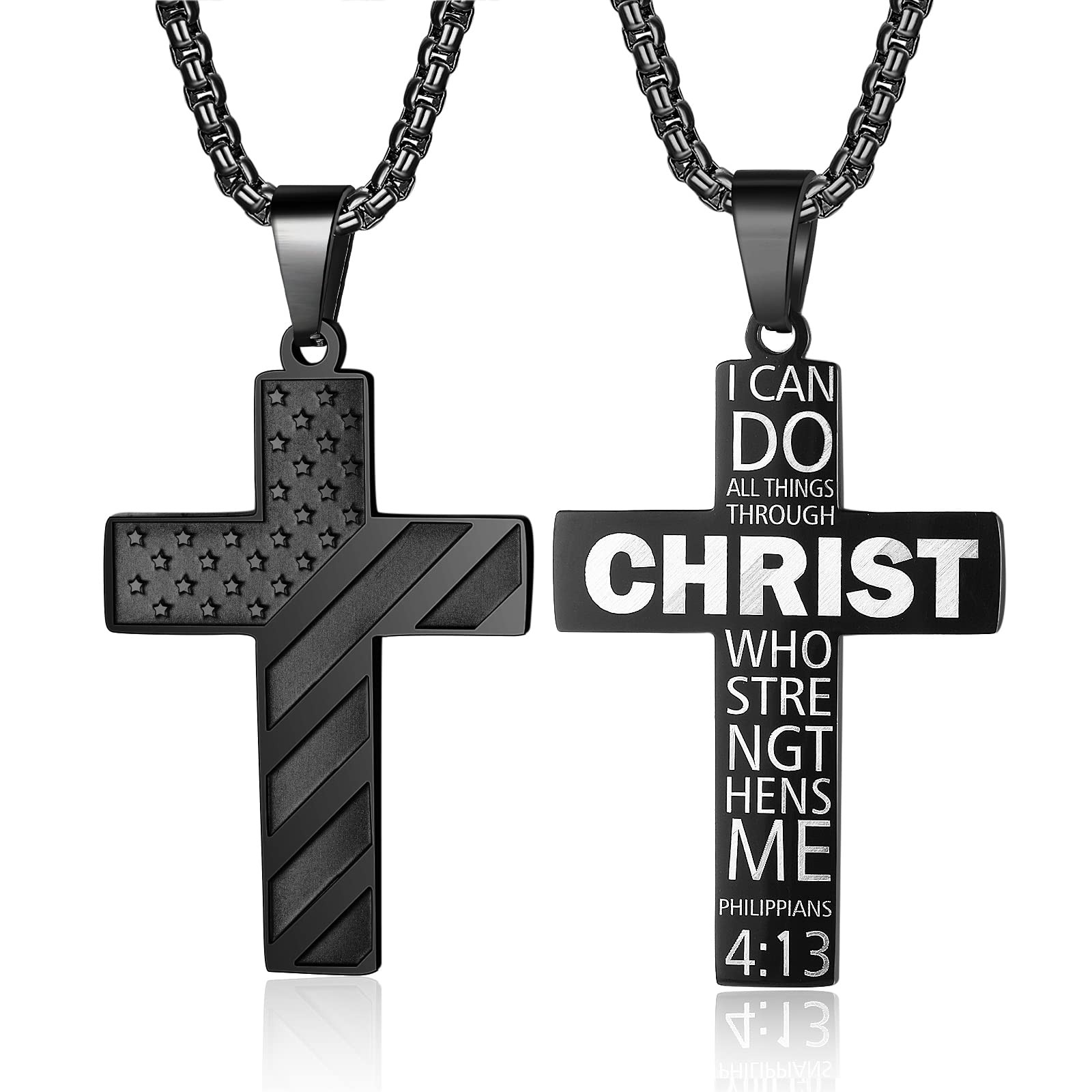 ZRAY American Flag Cross Necklace for Men Stainless Steel Chain 24inch Bible ...$7.49View on eBay
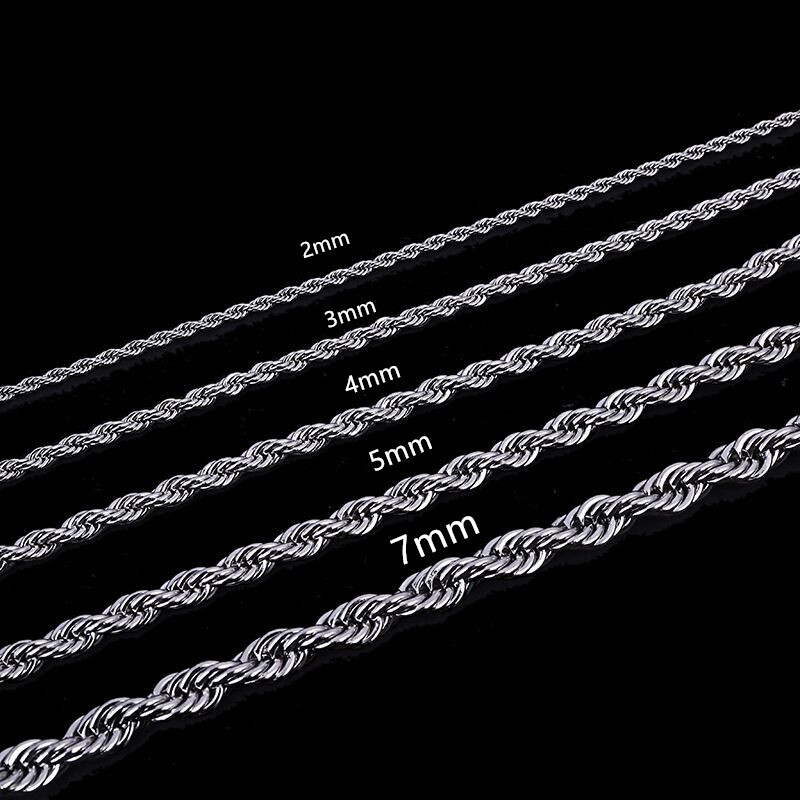 2/2.5/3/4/5/6/7mm 316L Stainless Steel Women Men Rope Chains Necklaces 18-32''$7.69Last checked Nov 21, 2026View on eBay
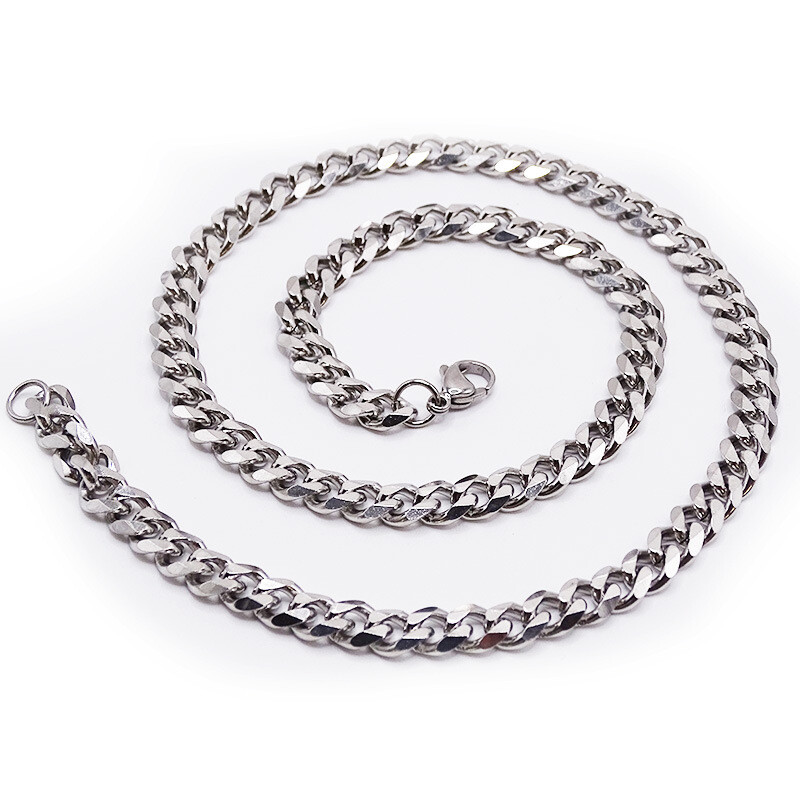 16-30" Stainless Steel Silver Chain Cuban Curb Necklace 3/5/7/9/11mm Womens Mens$7.99Last checked Nov 24, 2026View on eBay
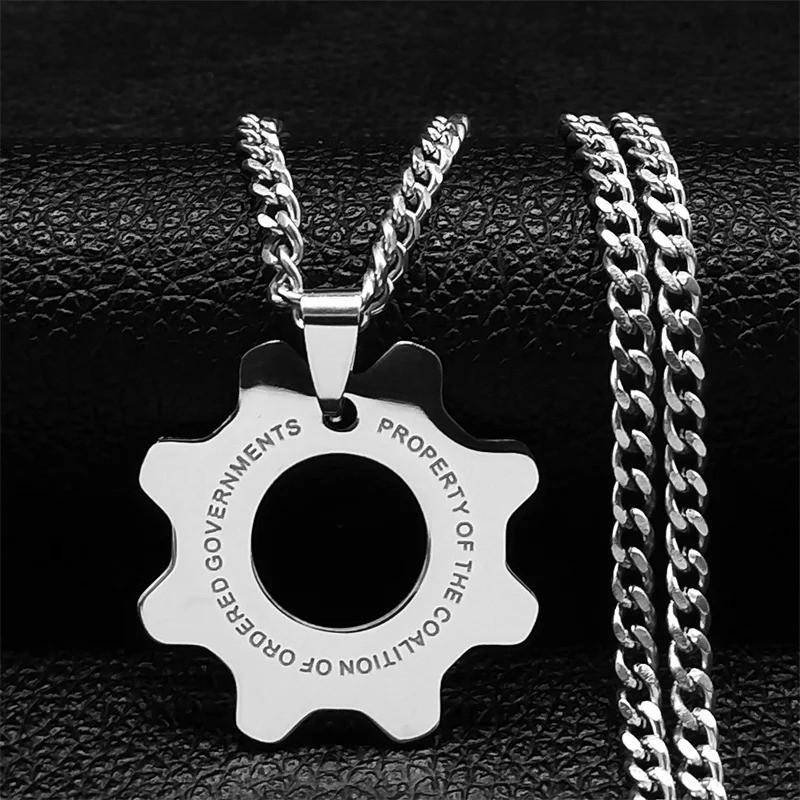 Game Gears of War Necklace Stainless Steel Reactor Necklace Fans Jewelry.$8.40View on eBay
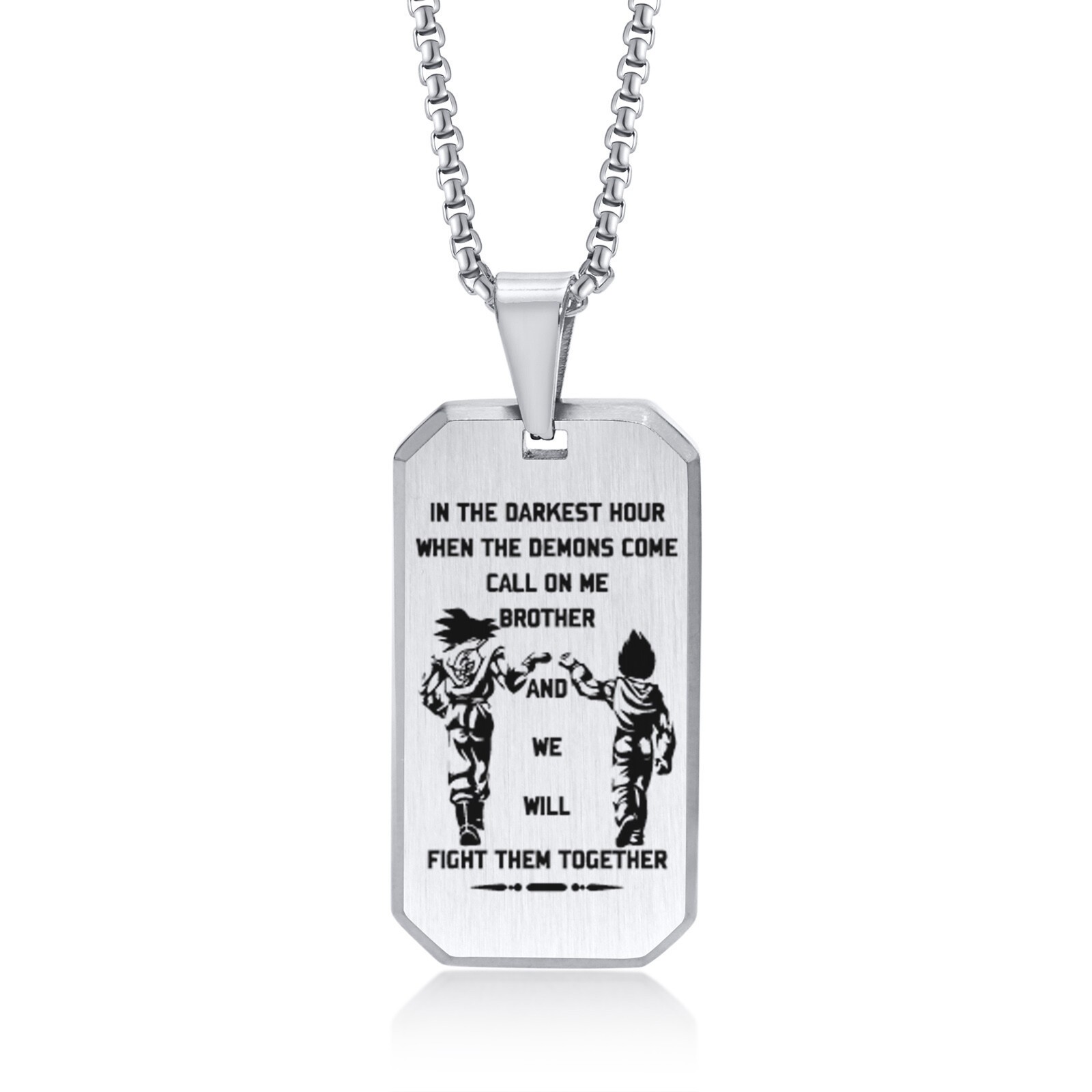 Stainless Steel Brother Tag Necklaces Chain Free Custom Graduation Classic Gift$8.43Last checked Nov 25, 2026View on eBay
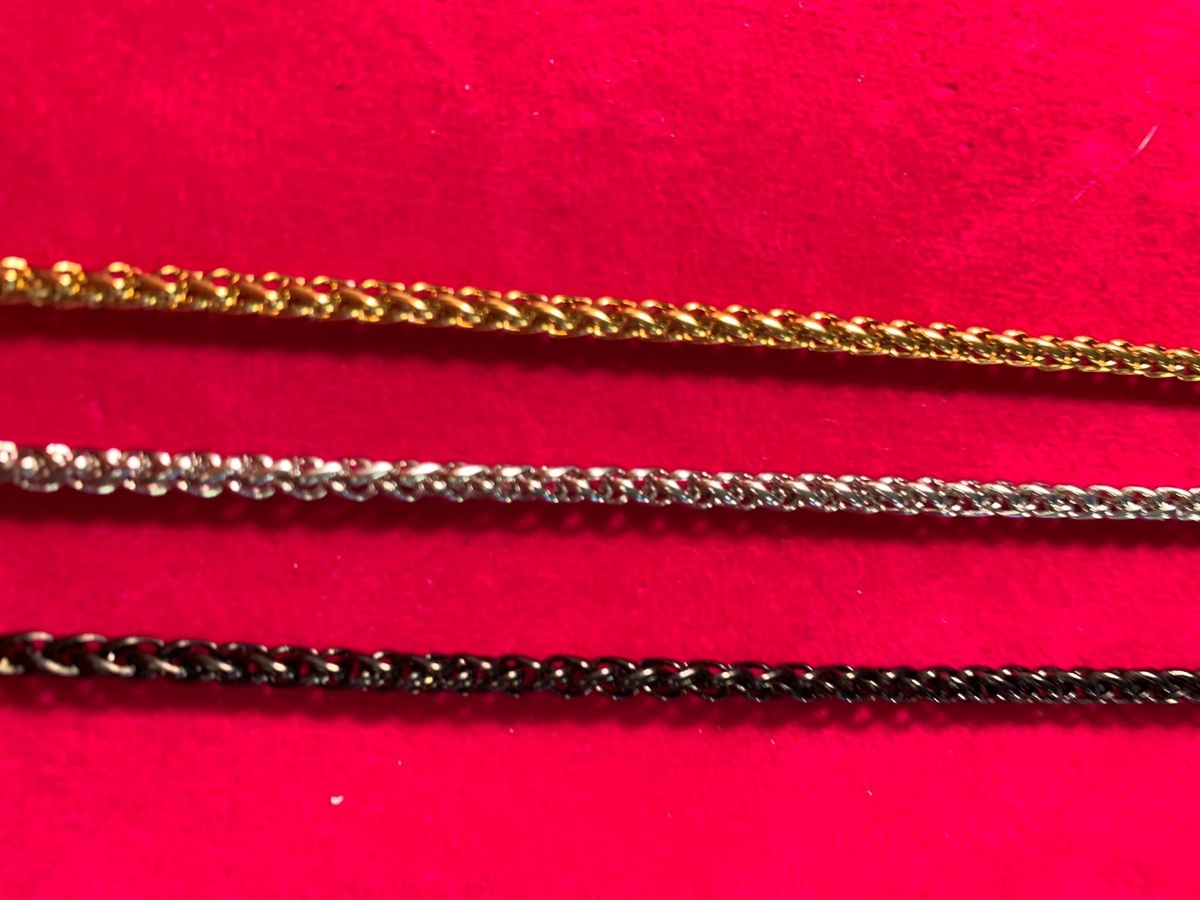 16"-60" 3mm Gold , Silver, Black Plated Stainless Steel Braided Wheat Necklace$8.50Last checked Nov 25, 2026View on eBay
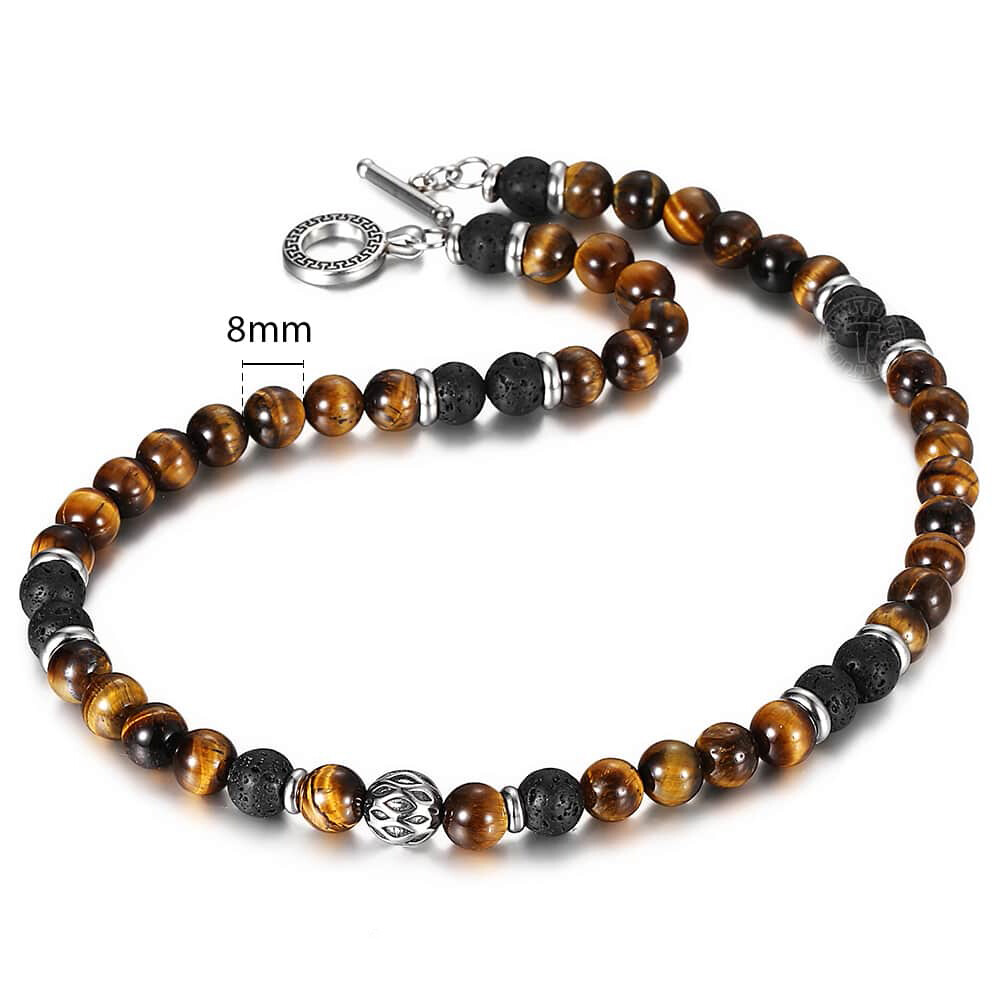 Men's 8mm Natural Tiger Eye Lava Bead Necklace Stainless Steel Toggle 18/20/24"$8.53Last checked Nov 20, 2026View on eBay
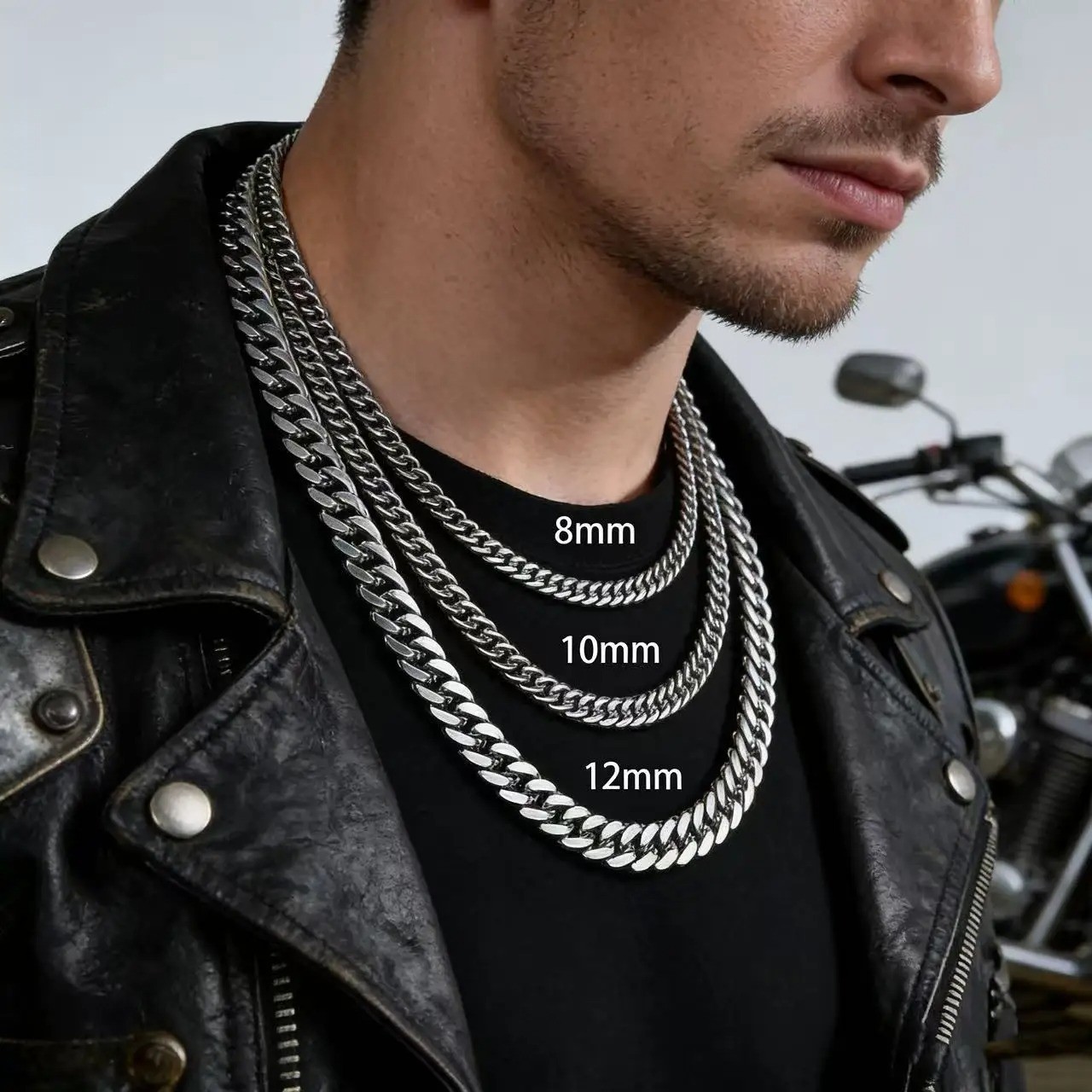 Mens Cuban Link Chain Necklace Stainless Steel 8-14mm Hip Hop Punk Jewelry$8.55Last checked Nov 28, 2026View on eBay
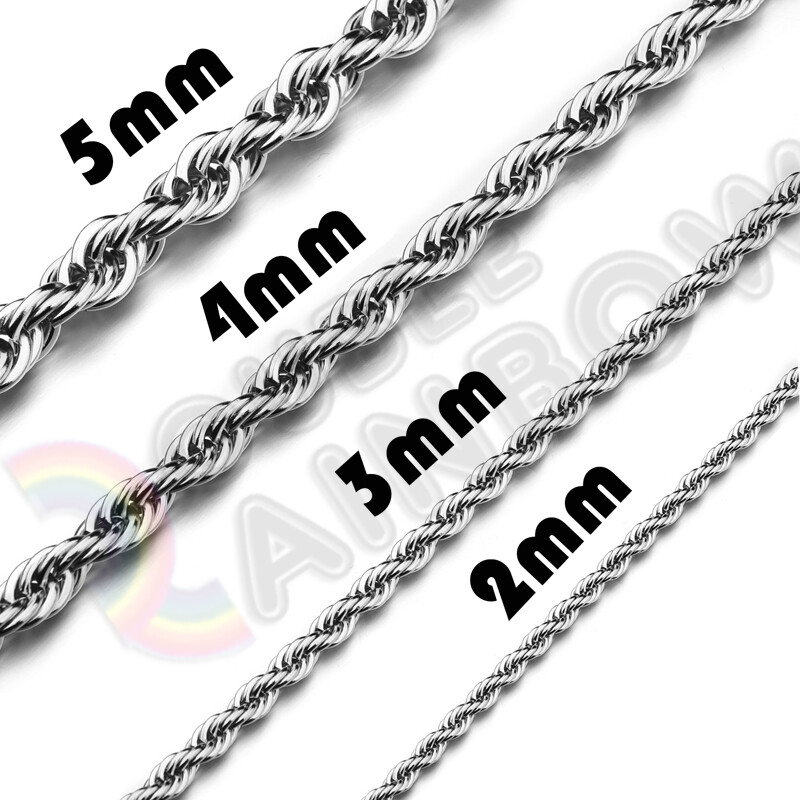 Men Women Stainless Steel Silver 2mm/3mm/4mm/5mm Rope Necklace Chain Link C11$8.98Last checked Nov 24, 2026View on eBay
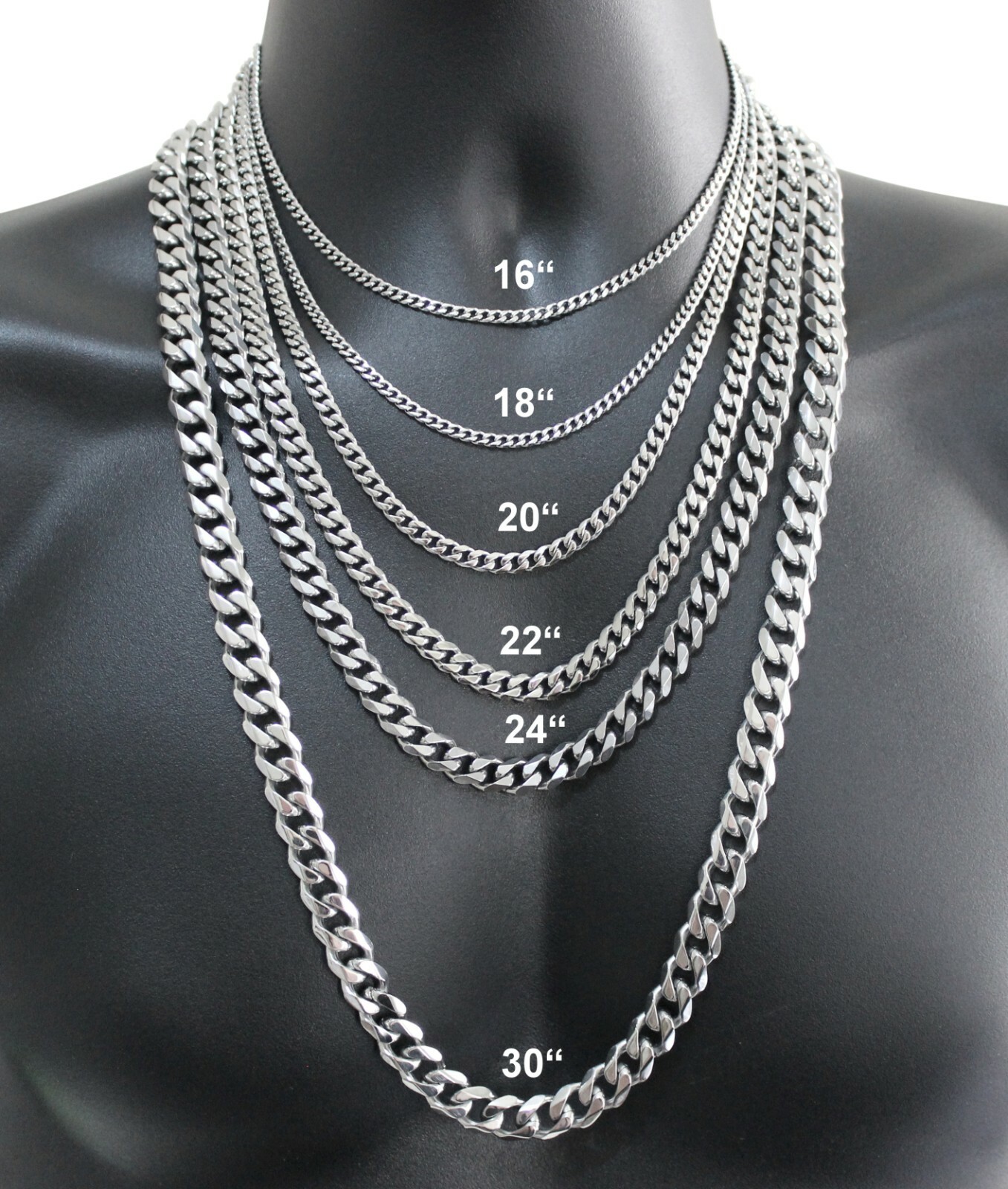 16-36" Stainless Steel Silver Chain Cuban Curb Womens Mens Necklace 3/5/7/9/11mm$8.99Last checked Nov 21, 2026View on eBay
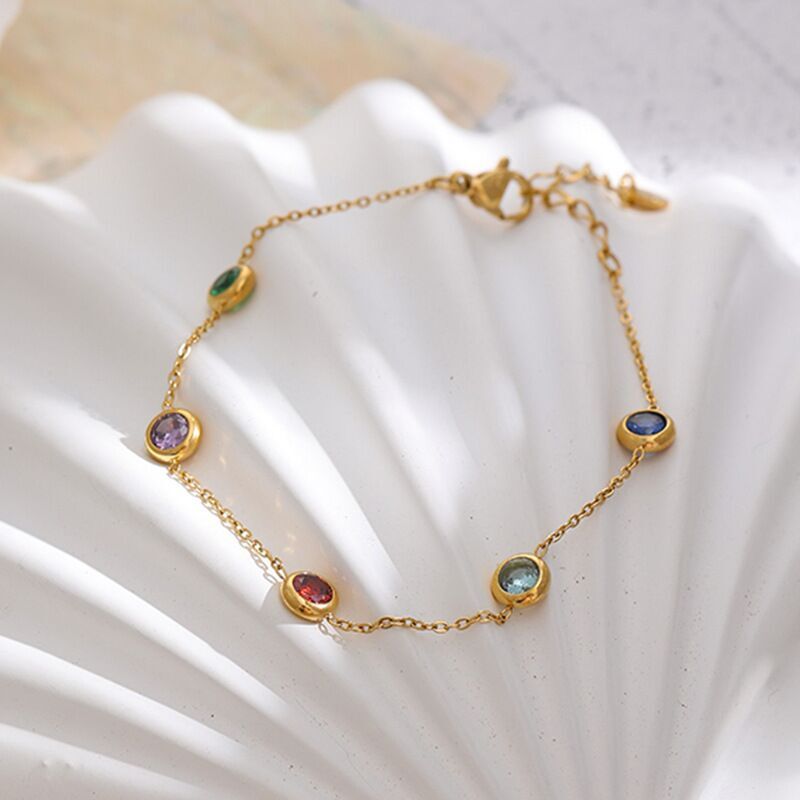 Woman 18K Gold Plated Stainless Steel Multicolor CZ Necklace Chain/Bracelet$8.99View on eBay
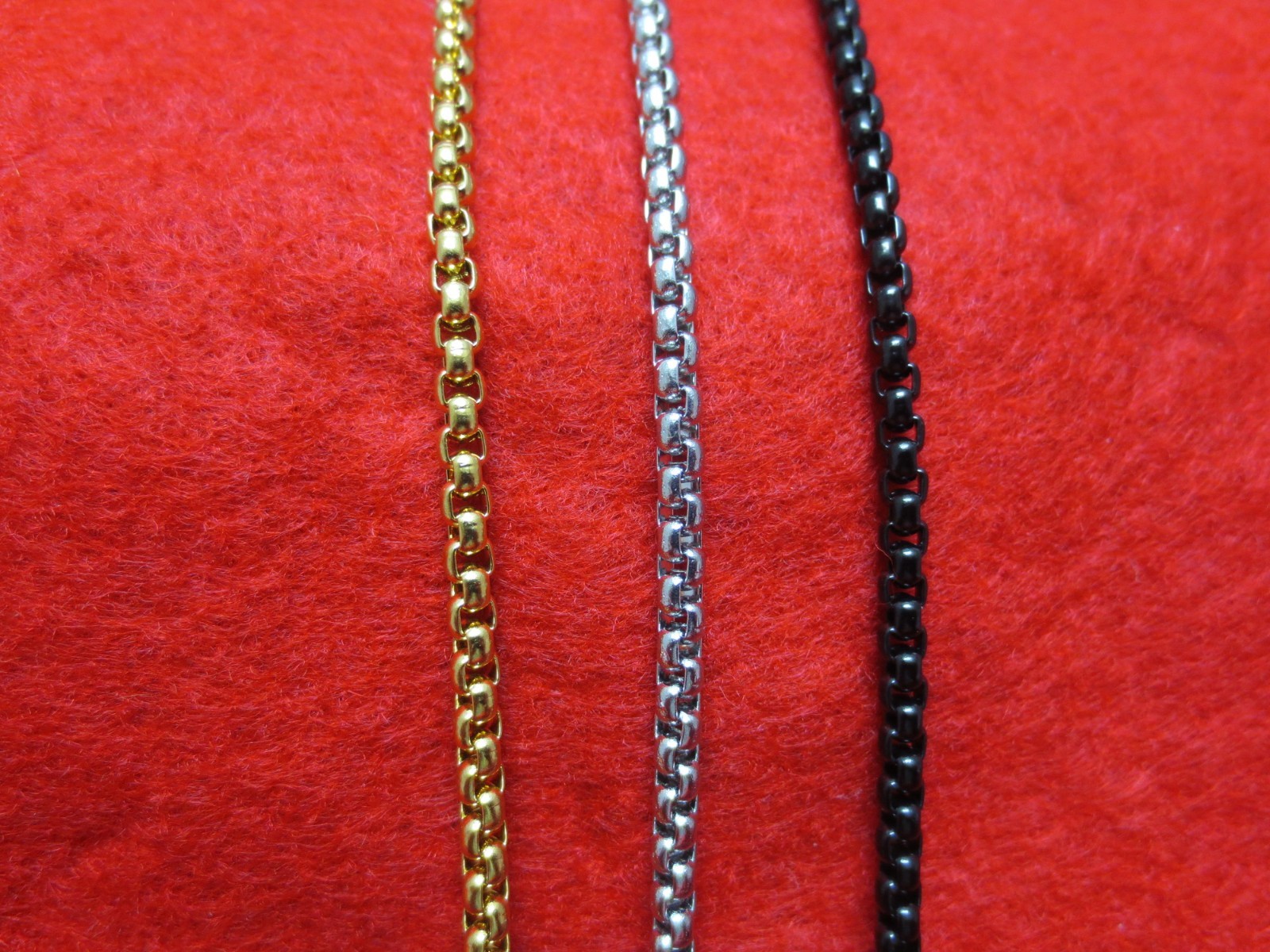 3MM 16"-60" GOLD-SILVER-BLACK PLATED STAINLESS STEEL SMOOTH BOX ROPE NECKLACES$9.35Last checked Nov 25, 2026View on eBay
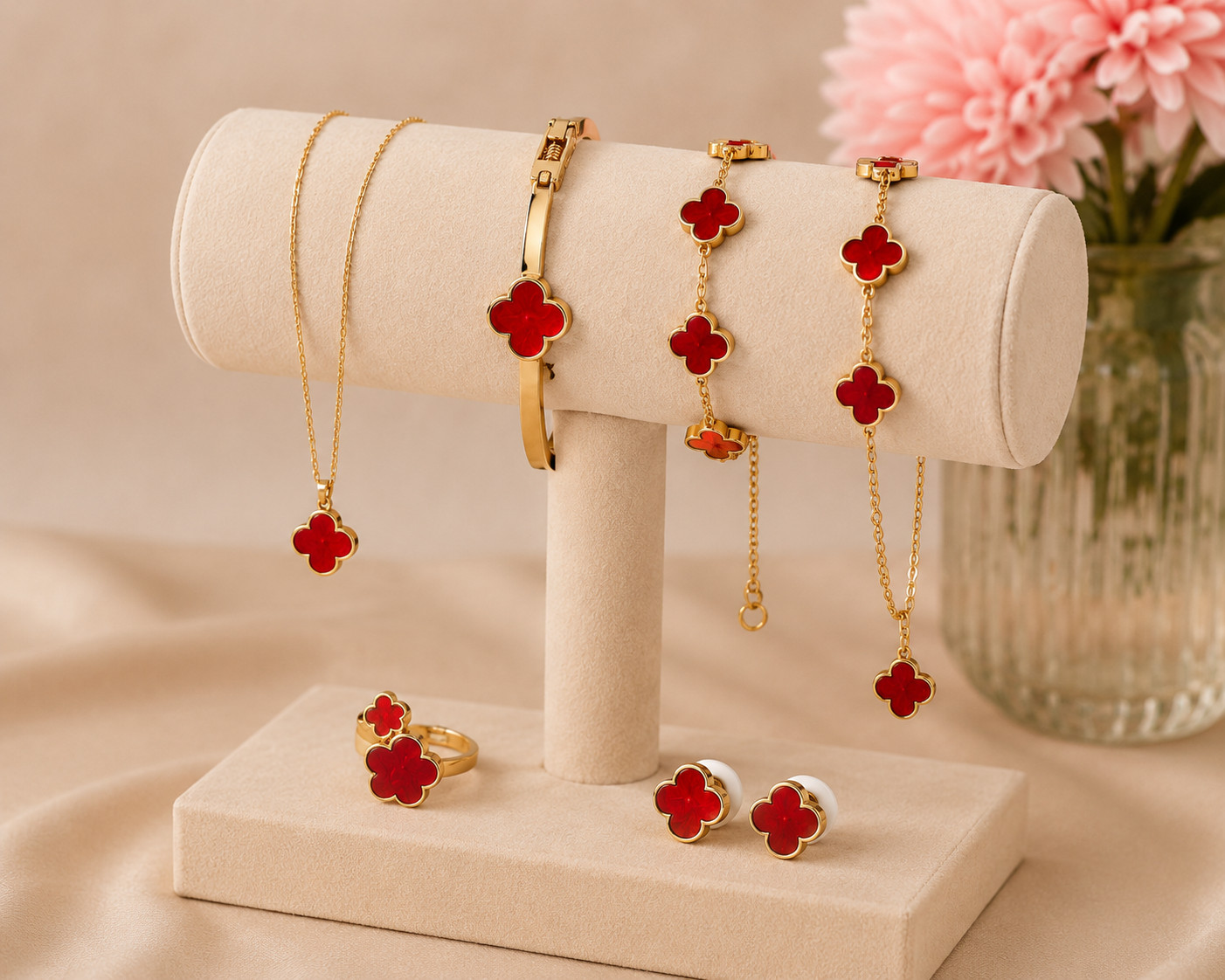 Stainless Steel Gold Clover Jewelry Set 5PCS Necklace Bracelet Ring Earrings Tea$10.99Last checked Nov 18, 2026View on eBay
Highlights
- 316L surgical-grade stainless steel resists chloride and sweat pitting far better than 304; 304 is fine for occasional wear but can spot in chlorinated pools or heavy perspiration.
- Solid links (Cuban, box, Byzantine) hold shape and strength under tension; hollow or semi-hollow links dent and crush, so weight-to-volume ratio is the honest solidity test.
- PVD or IP gold plating on stainless survives 1-3 years of daily wear; electroplated gold on brass flakes within months, and stainless with 18k PVD is the durable gilded option.
- Clasp type dictates failure point: lobster claws and box clasps with safety tabs outlast spring rings and fold-overs, especially on chains above 6mm width.
Best use cases
- Everyday shower-and-sweat wear: pick solid 316L with a lobster clasp and PVD finish; skip hollow 304 chains and bare electroplated brass.
- Statement hip-hop or Cuban layering: choose solid 6-12mm Cuban or Byzantine in 316L; hollow versions at the same visual width are lighter but crush and kink.
- Pendant necklaces for men or unisex: use a 2.5-3.5mm box or Franco chain in 316L sized 20-24 inches; thinner 1-2mm snake chains stretch and break under pendant weight.
- Sentimental or gift pendants (book, star, rune): a 1.5-2mm 304 or 316L cable chain at 16-18 inches is adequate; avoid heavy pendants on fine chains regardless of steel grade.
Buying tips
- Match chain width to pendant weight: pendants under 5g suit 1.5-2mm chains, 5-15g need 2.5-3.5mm, and pendants above 15g require 4mm+ or a bail that distributes load.
- Size length by neck circumference plus drape: add 2 inches for a choker-lay flat look, 4 inches for standard collarbone, and 6+ inches for layering over shirts.
- Demand 316L for saltwater, chlorinated pools, or daily gym wear; 304 is acceptable only for occasional fashion and should be rinsed and dried after contact with sweat.
- Verify clasp and jump-ring construction: soldered jump rings and box or lobster clasps with safety tabs are the minimum for chains above 6mm and for any pendant over 10g.
Specs
| Steel Grade | 316L surgical vs 304 general |
|---|---|
| Link Construction | Solid vs hollow/semi-hollow |
| Plating Method | PVD/IP gold vs electroplate |
| Clasp Type | Lobster/box vs spring ring |
Related searches
What to check before buying
- Measure neck circumference with a soft tape and add 2-4 inches for drape; confirm the clasp type and chain width before choosing a length tier.
- Confirm the steel grade (316L vs 304) and plating method (PVD/IP vs electroplate) because these determine sweat, chlorine, and fade resistance.
- Check pendant bail opening against chain width: the bail must clear the chain diameter with 1mm slack so the pendant slides without abrading the links.
- Verify extension chains and jump rings are stainless too; mismatched base-metal extenders are the first component to corrode and discolor the neck.
FAQ
Data sources: eBay / Amazon listings and product attribute feeds. Updated Nov 29, 2026.
Some links on this page are affiliate links. If you buy after clicking one, we may earn a commission at no extra cost to you. This does not change which products appear here or their order. Affiliate disclosure.