
Photos from current listings. Actual item, color, and included accessories may vary.
Tennis Bracelet Buying Guide
A tennis bracelet is a continuous line of individually linked, uniformly sized stones—traditionally diamonds—set in a flexible metal band that must balance sparkle against clasp security and metal durability. The core trade-off is between genuine precious-metal settings (solid 14k/18k gold or platinum, which hold stones for decades) and plated or vermeil bases that look identical initially but wear through at clasps and links. The decision rule: buy solid gold or platinum with a box-and-tongue clasp plus safety latch for daily wear; choose sterling silver with rhodium plating only for occasional wear; skip base-metal or thin gold-plated bracelets if you intend to wear them weekly.
Median $144.99
Key takeaways
- Precious-metal purity determines lifespan: solid 14k/18k gold or platinum settings retain stones for decades, while 18k gold-over-sterling vermeil and rhodium-plated brass wear through at high-friction link joints within 1–3 years of daily wear.
- Clasp architecture is the #1 failure point: demand a box-and-tongue clasp with a fold-over safety latch; lobster claws and single spring rings are retrofit closures that open under wrist motion and lose stones.
- Stone setting style governs security: four-prong baskets expose more stone surface but snag on clothing; channel and bezel settings flush-mount stones and are the durable choice for active wearers.
At a glance
- Category
- Necklaces & Bracelets
- Last updated
- Nov 29, 2026
Current offers
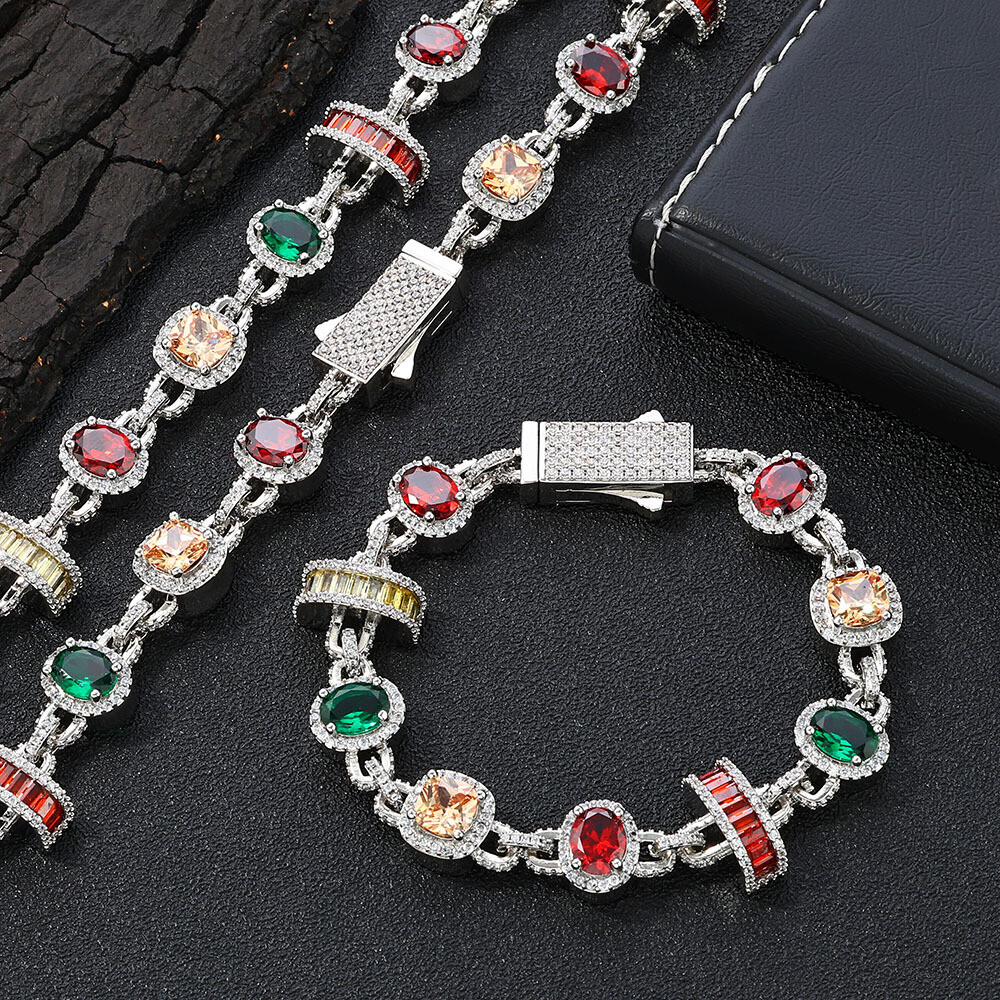 Jewelry Men Women Gift Hip Hop Tennis Chain Necklaces Bracelet Colorful$49.94Last checked Nov 24, 2026View on eBay
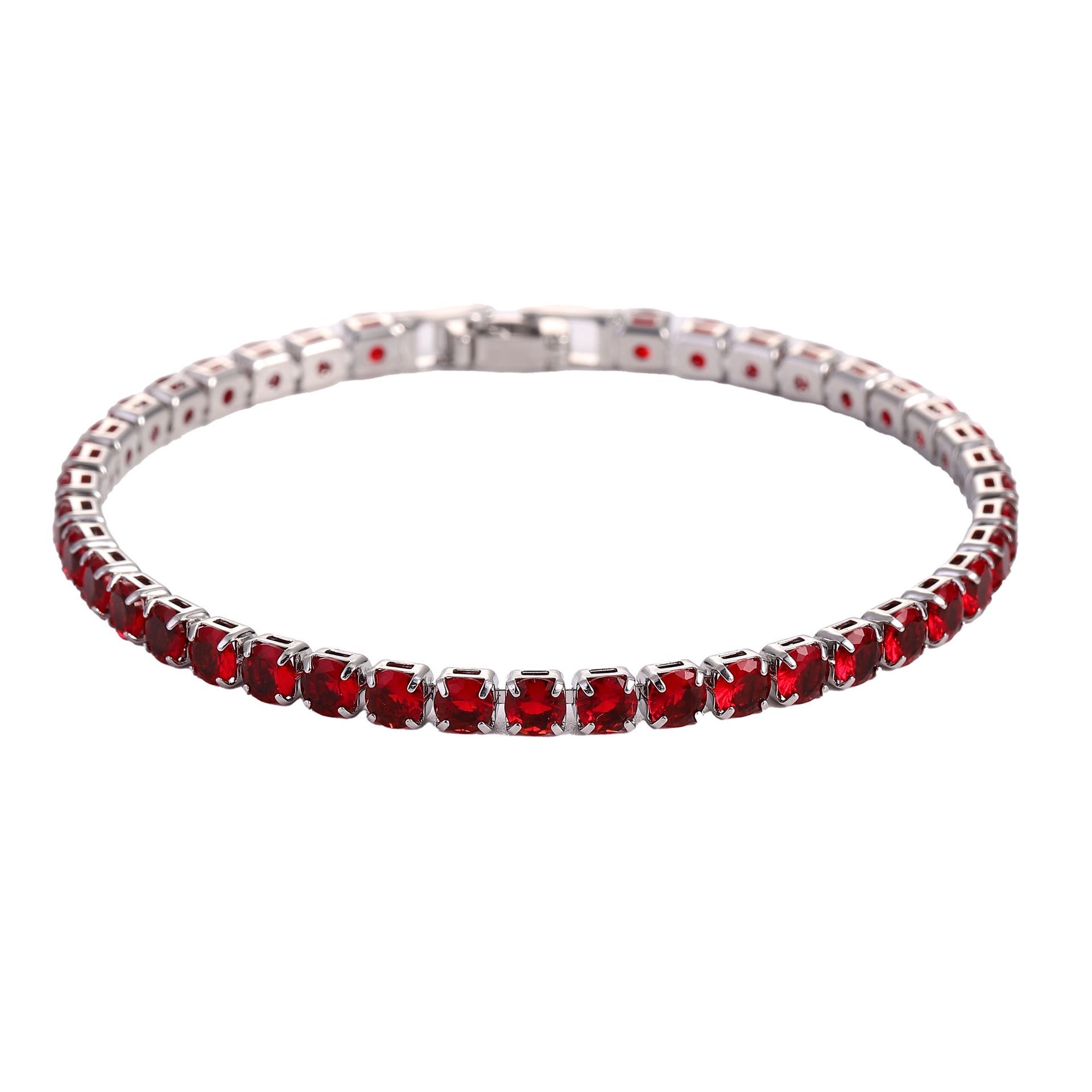 Sparkling Tennis Chain Bracelet, 14K Gold Plated Cubic Zirconia Wristband, Dainty Unisex Jewelry For Wedding, Party & Daily Wear$11.99View on Mallflare
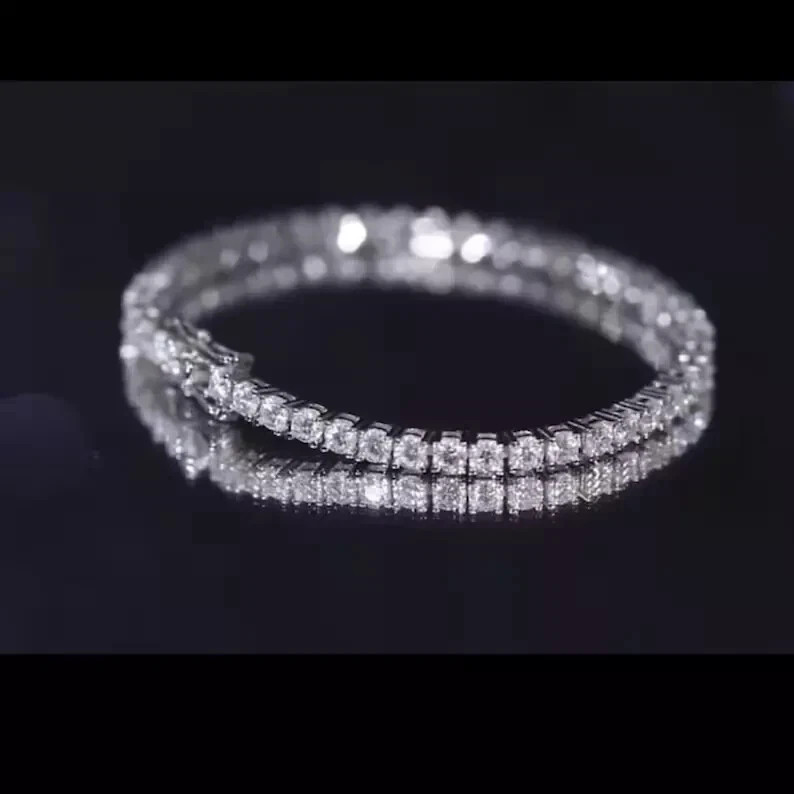 7Ct Round Cut Lab Created Diamond 14k White Gold Plated Women's Tennis Bracelet$57.50Last checked Nov 28, 2026View on eBay
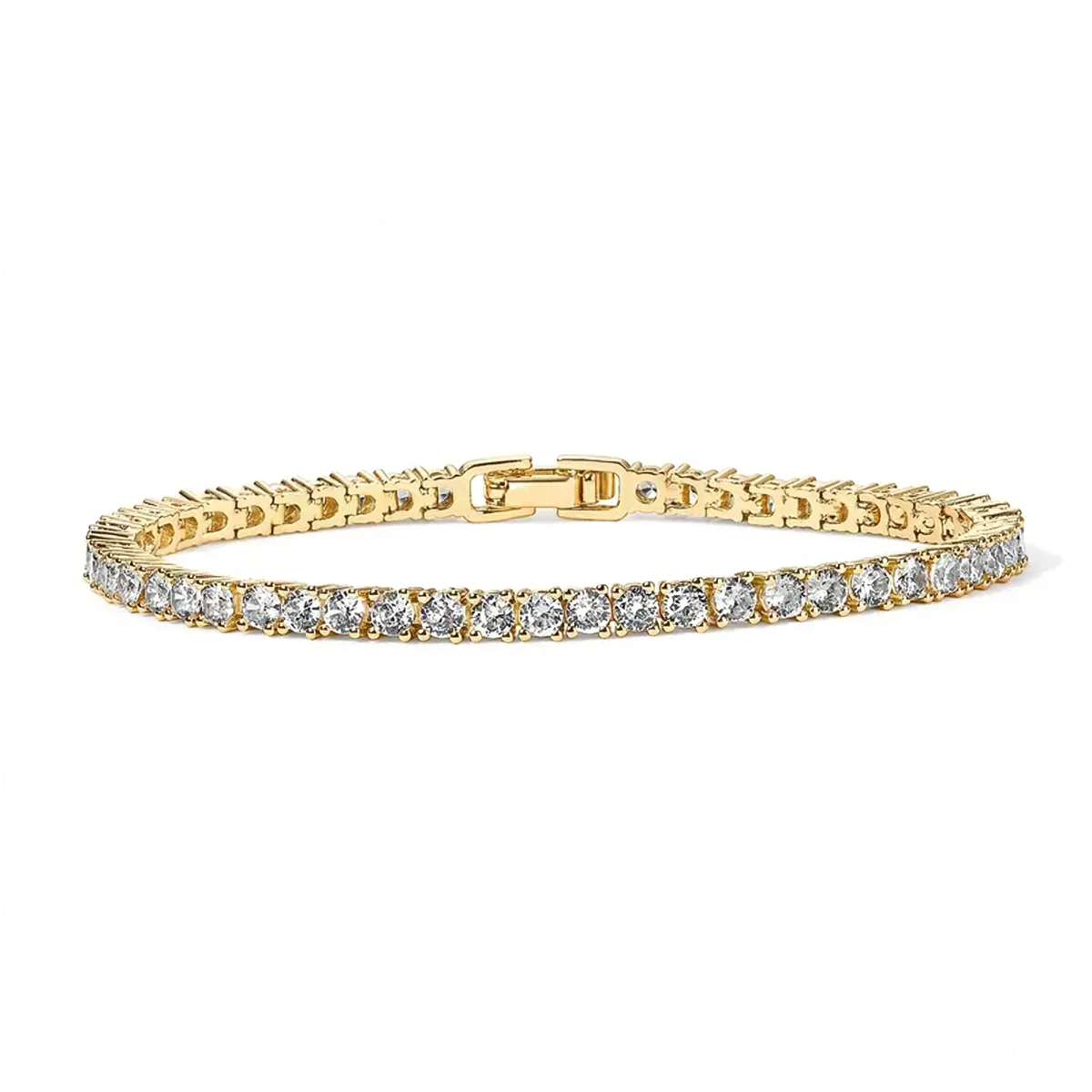 Gold Tone CZ Tennis Bracelet For Women, Single Row Round Cubic Zirconia Line With Box Clasp, Sparkling Rhinestone Wedding Bridesmaid Jewelry, Plated Stainless Steel Wrist Chain$21.99View on Mallflare
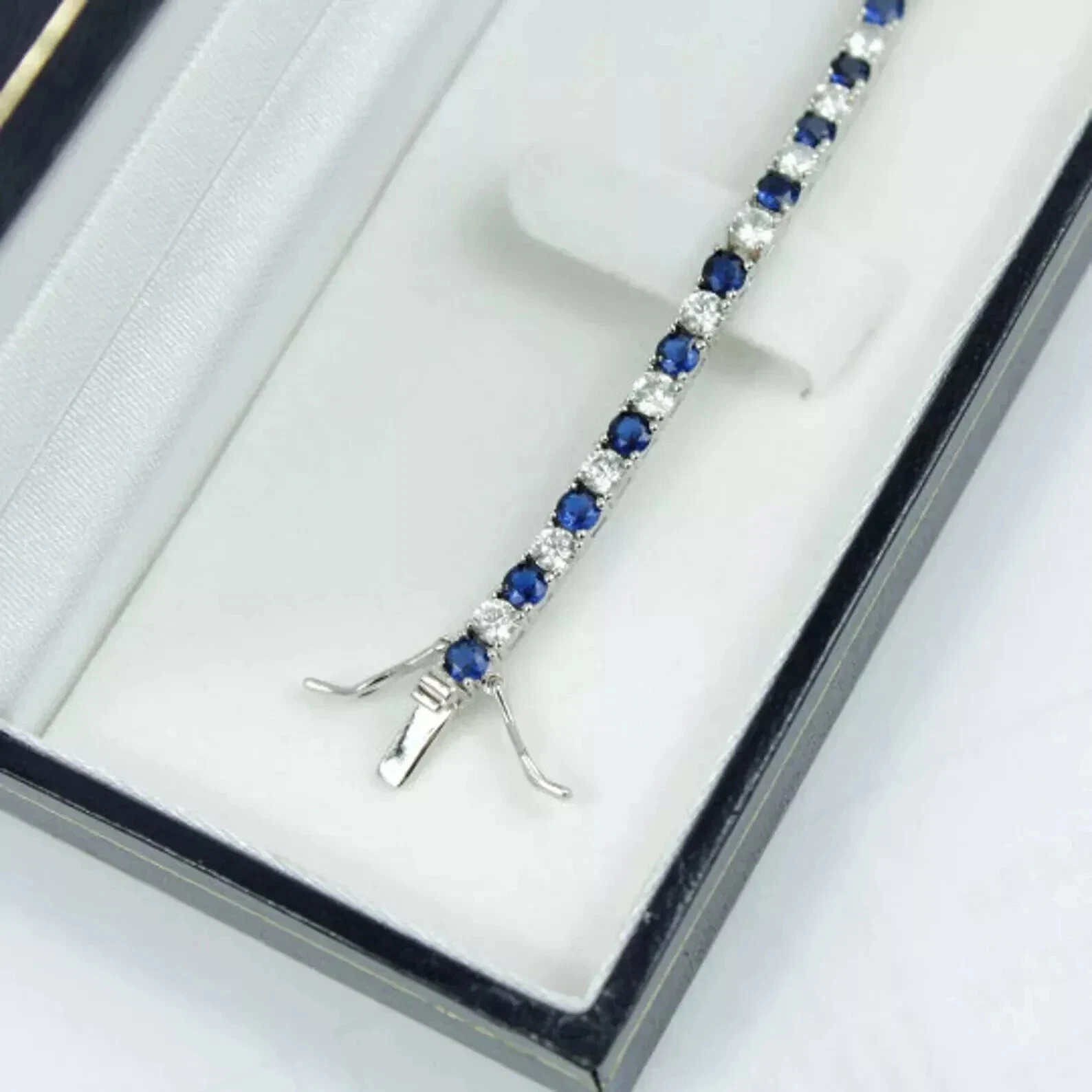 9ct Round 4mm Lab Created Diamond Sapphire Tennis Bracelet 14K White Gold Plated$64.50Last checked Nov 21, 2026View on eBay
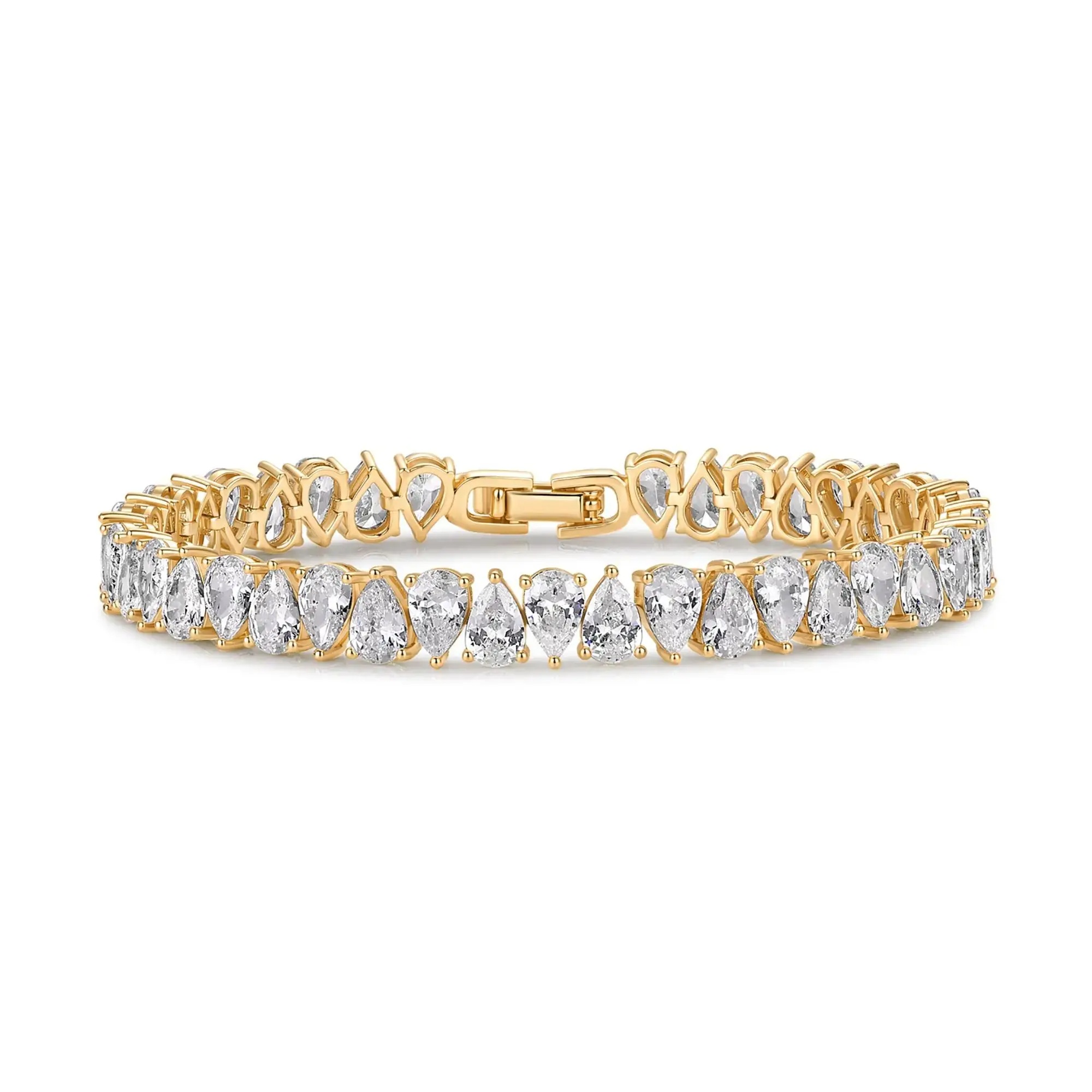 Gold Tone Pear Cut CZ Tennis Bracelet For Women, Pear-Shaped Cubic Zirconia Line With Box Clasp, Clear Stone Sparkling Wedding Bridesmaid Plated Wrist Jewelry Gift$22.99View on Mallflare
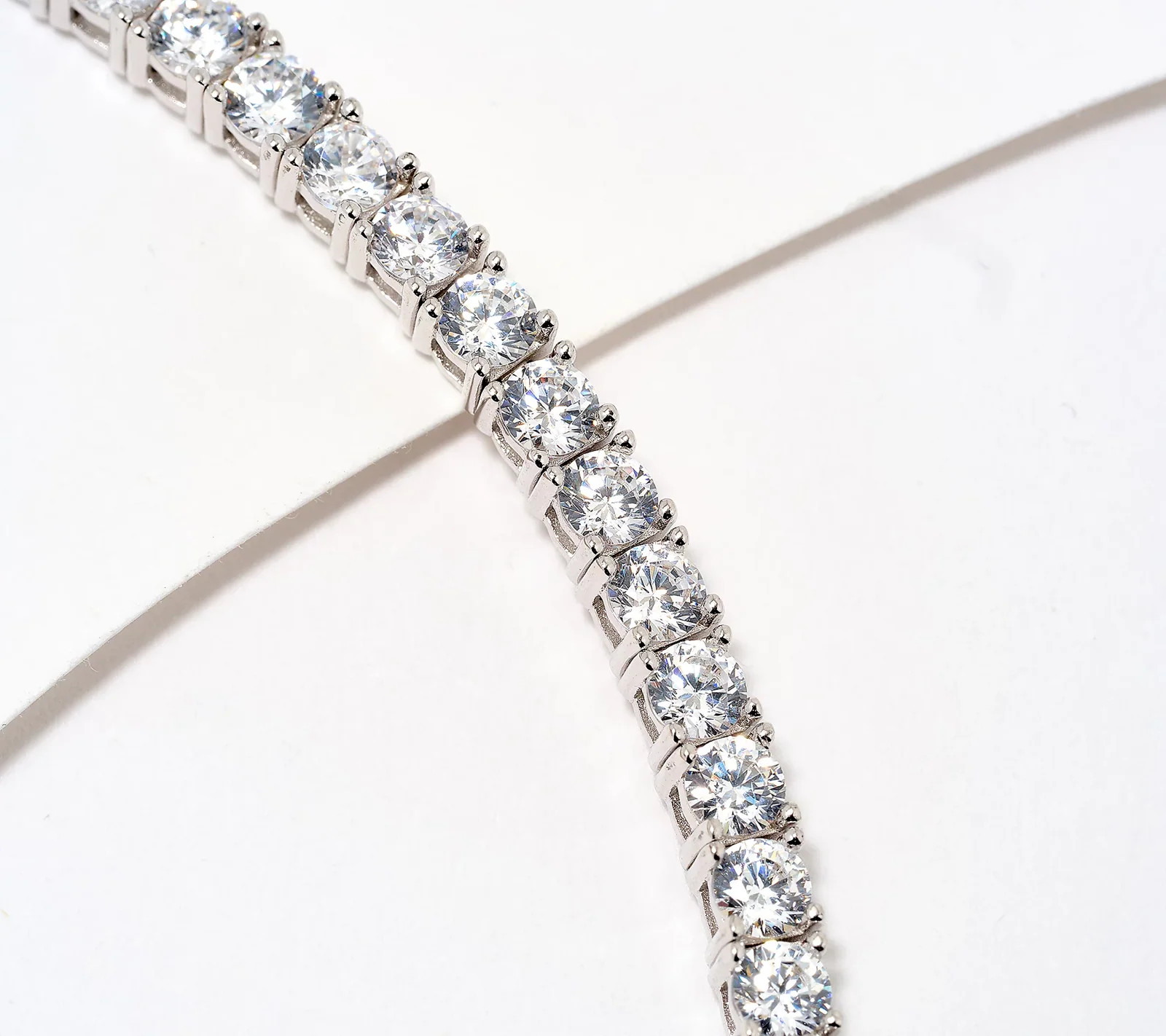 Diamonique Classics Round Cut Sterling Silver Tennis Bracelet Large$89.99Last checked Nov 23, 2026View on eBay
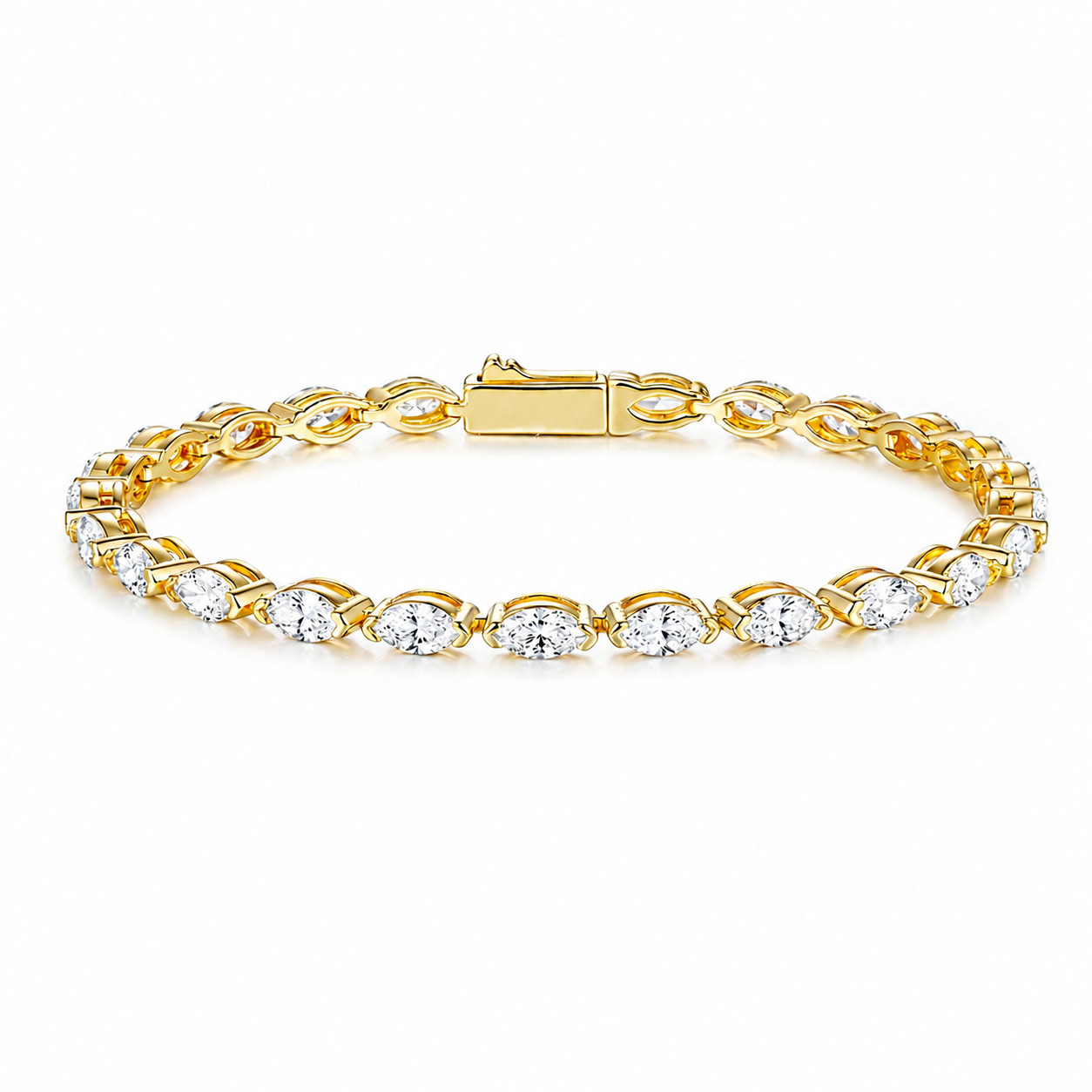 3x6mm Marquise Moissanite Tennis Bracelet 925 Sterling Silver GRA 6-8.5in$98.99Last checked Nov 25, 2026View on eBay
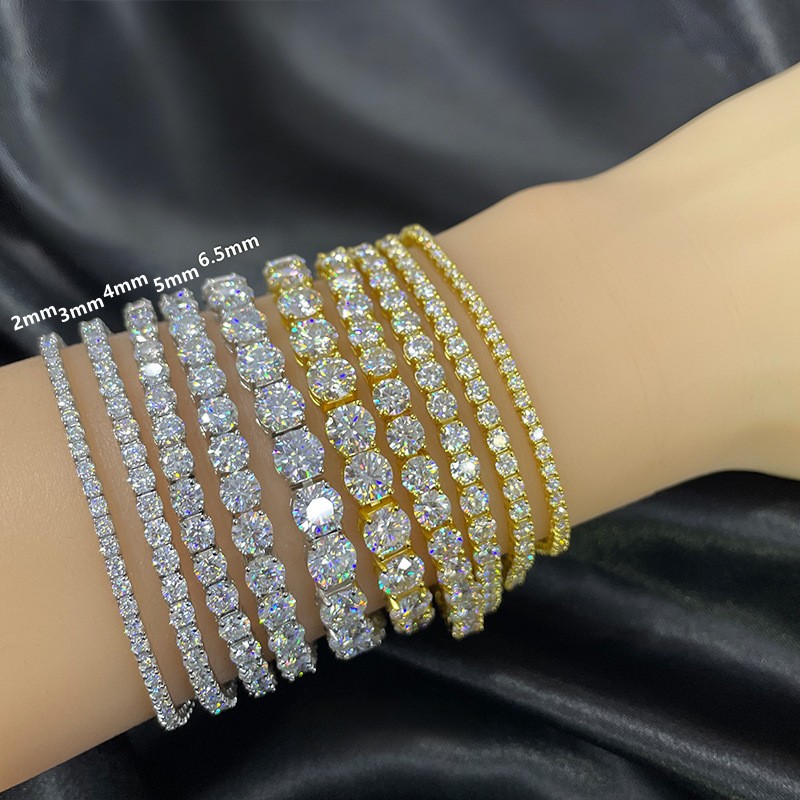 2-6.5mm VVS1 MOISSANITE Tennis Chain Bracelet S925 Sterling Silver - Men Women$124.98Last checked Nov 26, 2026View on eBay
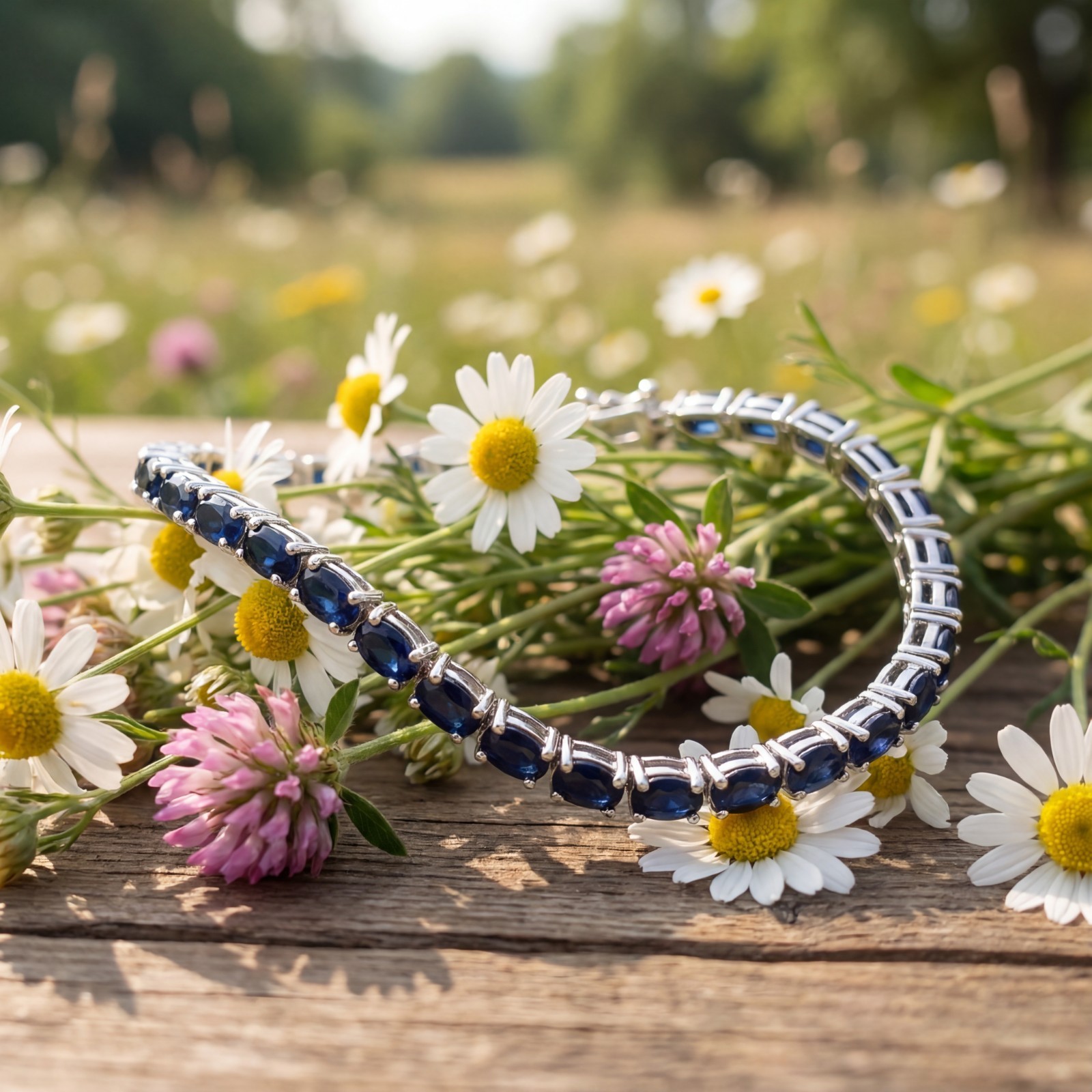 925 Sterling Silver Genuine Sapphire Tennis Bracelet$165.00Last checked Nov 26, 2026View on eBay
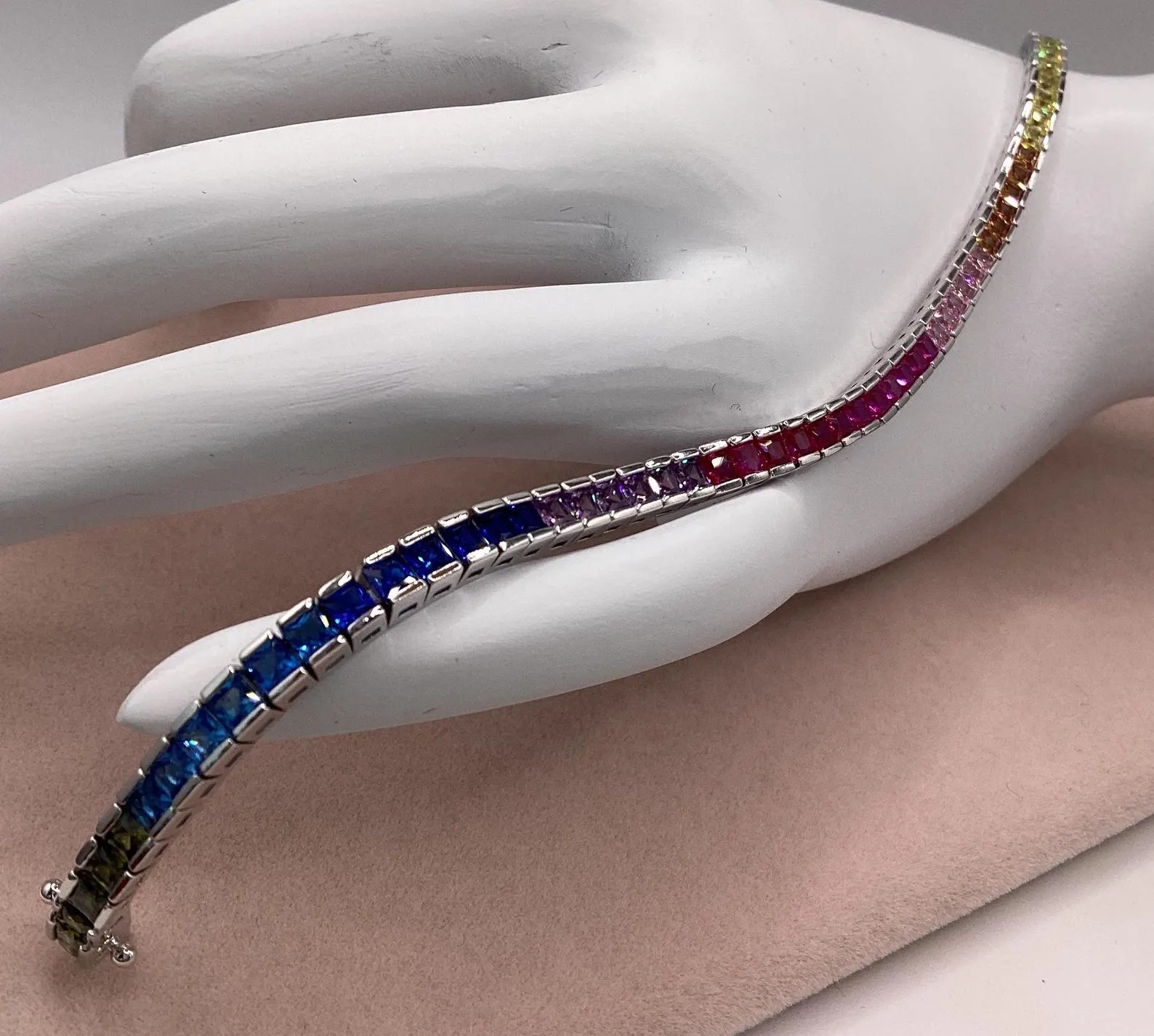 Sapphire Tennis Bracelet Princess Cut Sterling Silver Channel Set 7 inch$325.00Last checked Nov 14, 2026View on eBay
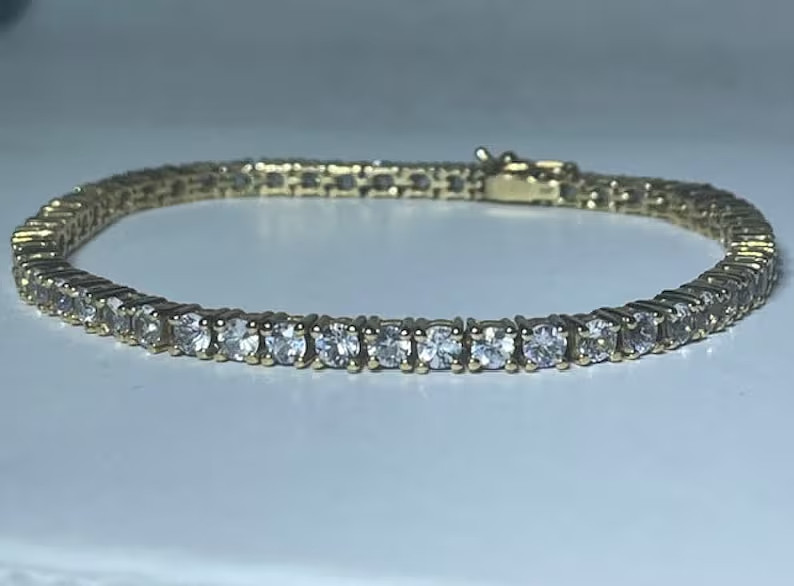 7' Inch Long Tennis Wedding Bracelet Solid 14K Yellow Gold 6 CT Round Cut VVS1$365.50Last checked Nov 14, 2026View on eBay
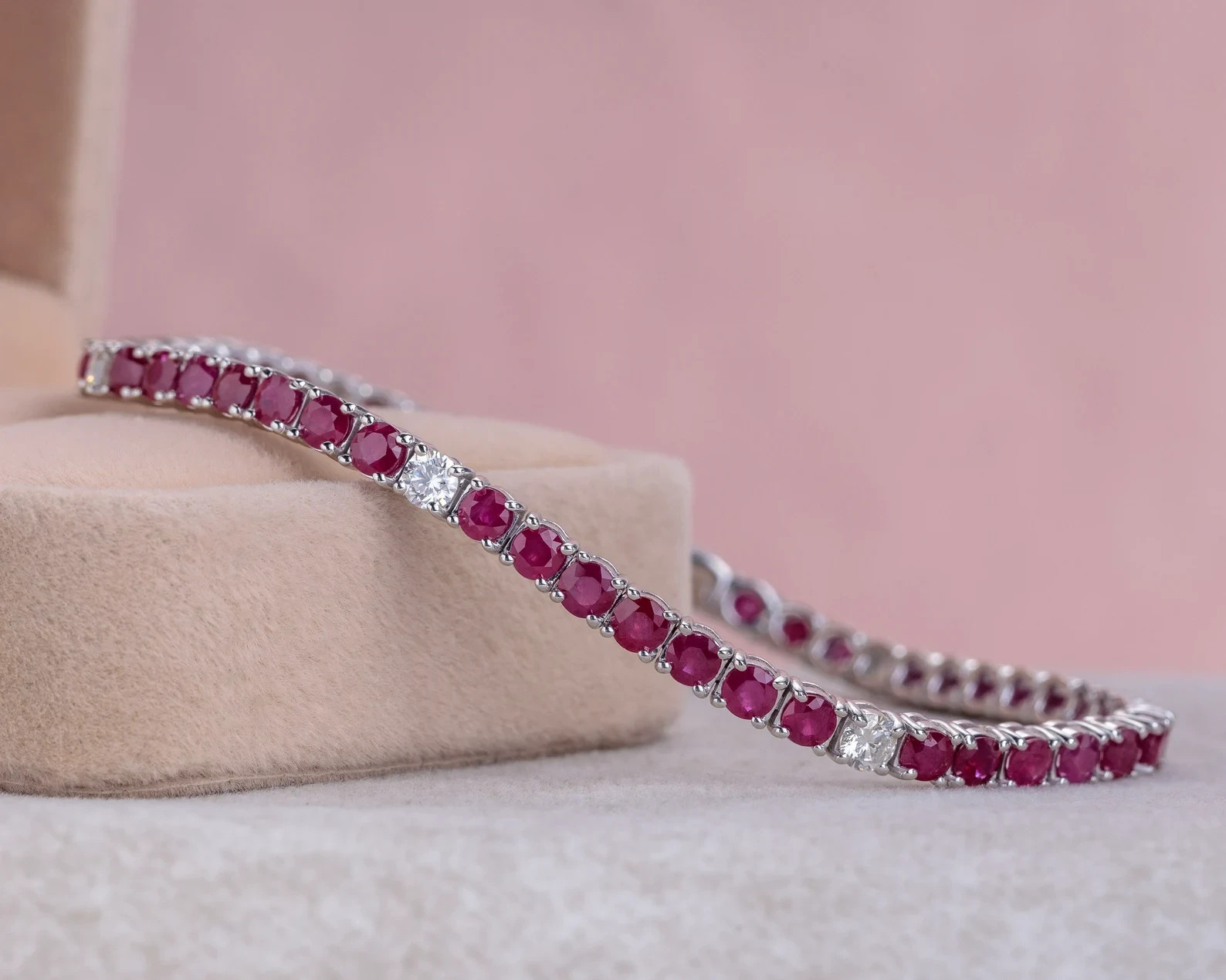 15 Ct Round Cut Natural Ruby Diamond Wedding Tennis Bracelet 14K White Gold 7"$382.97Last checked Nov 14, 2026View on eBay
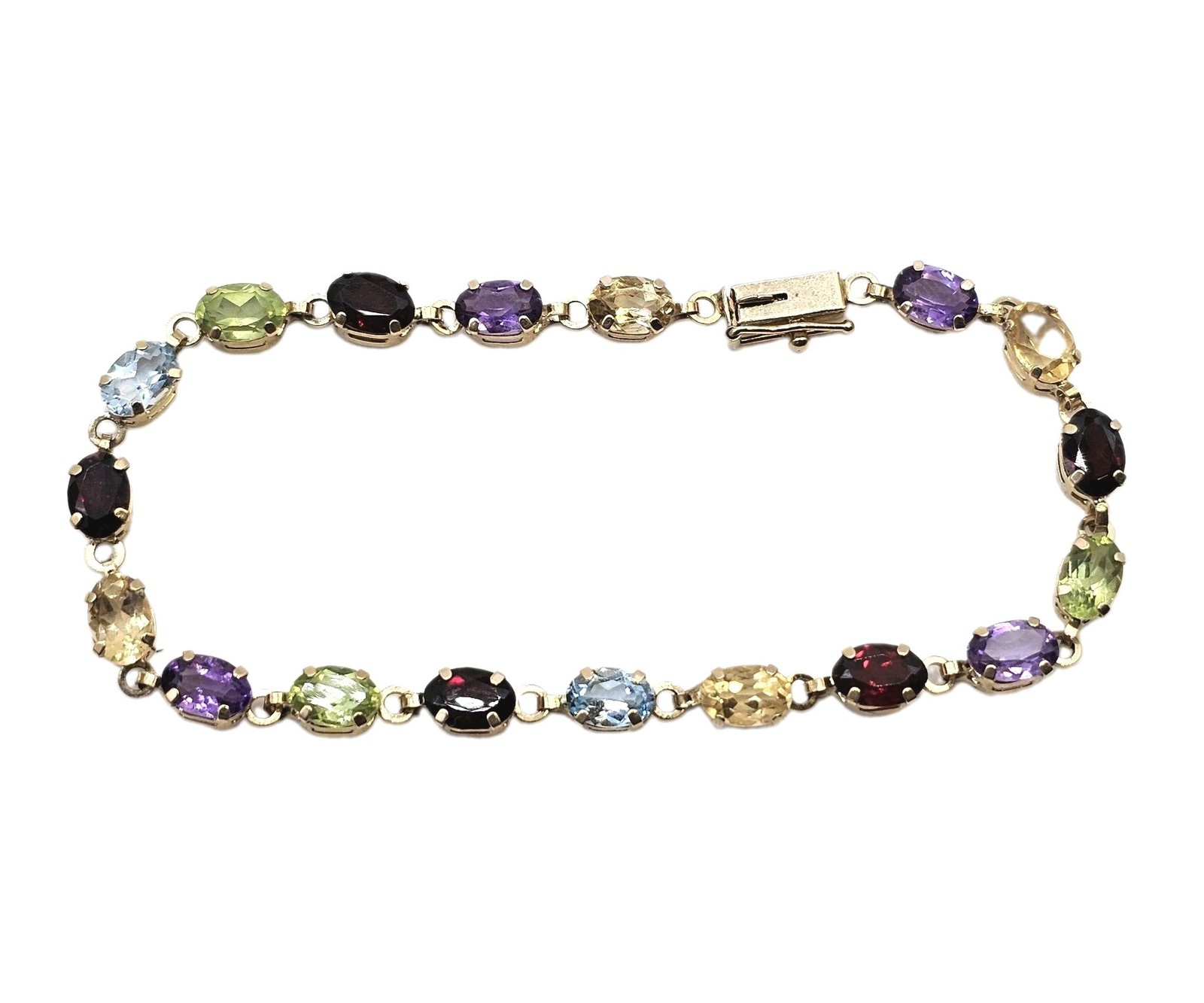 6.75" 10K Gold Multi Gemstone Tennis Bracelet Amethyst Topaz Aqua 4.4 Grams$394.00Last checked Nov 14, 2026View on eBay
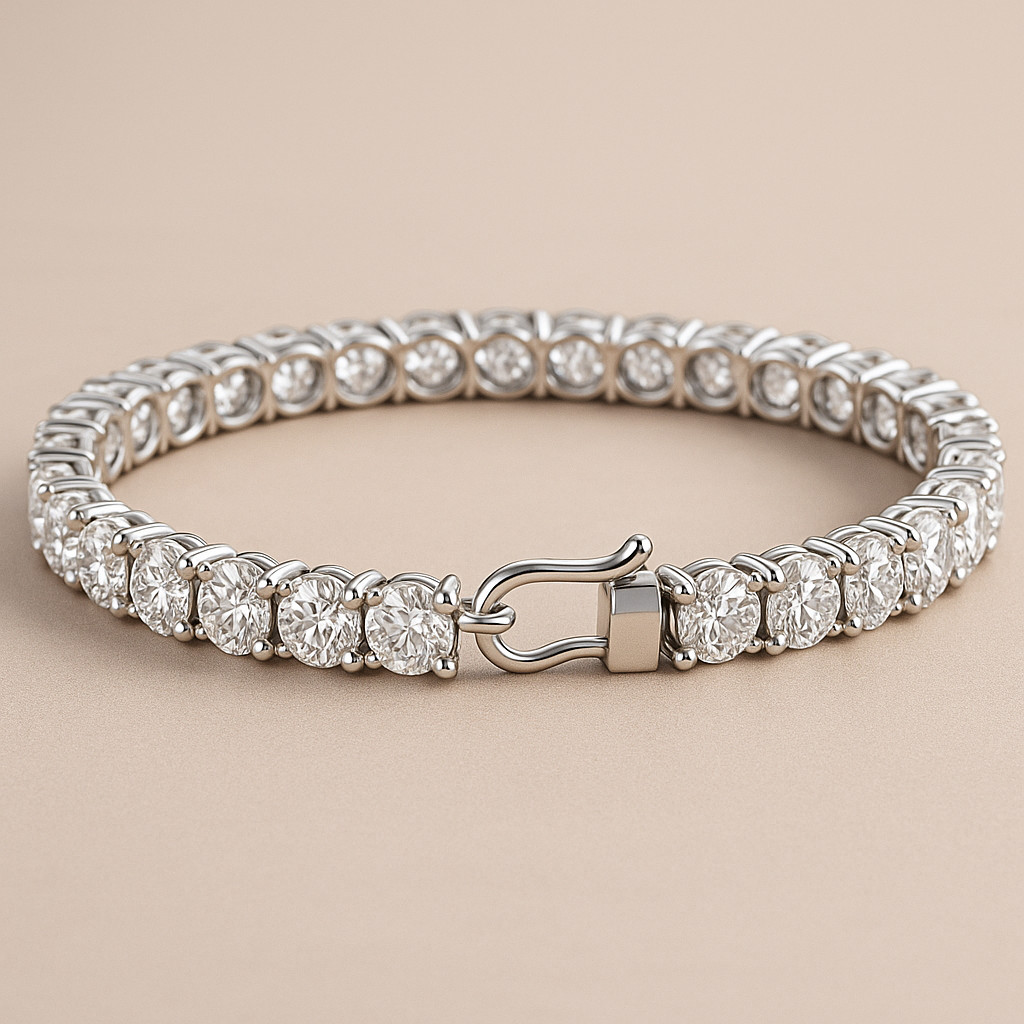 Elegant 7.00 Ct Certified Natural Treated Diamond Tennis Bracelet 14K Gold$445.02Last checked Nov 14, 2026View on eBay
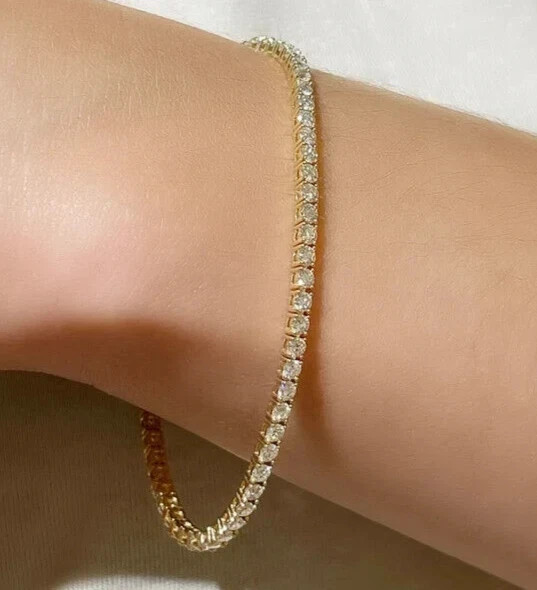 IGI 4.55CT Round Lab Grown Diamond Tennis Bracelet Wedding Gift 14K Yellow Gold$2,202.00Last checked Nov 14, 2026View on eBay
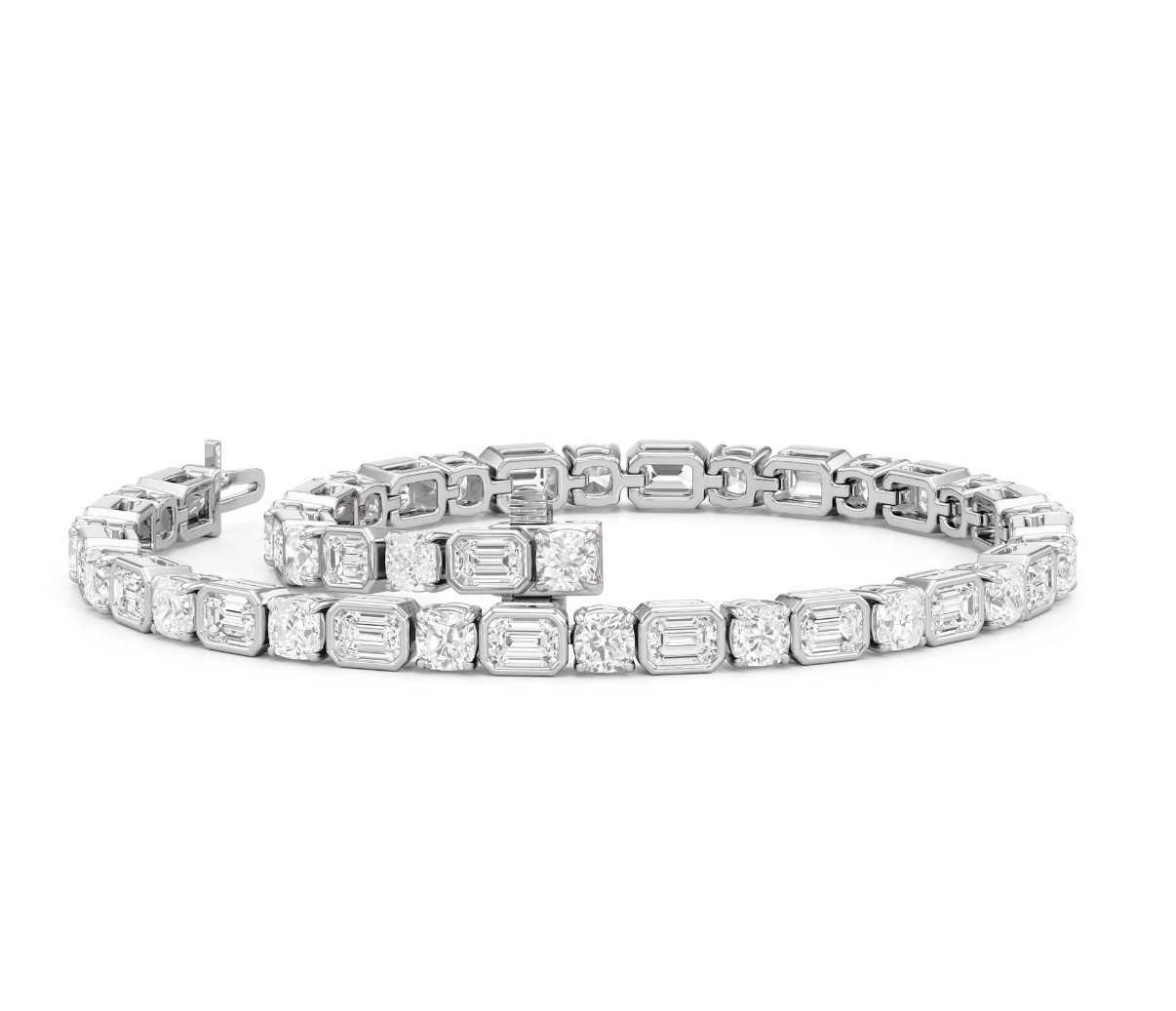 IGI 8 CT Emerald Round F-VS1 Lab Grown Diamond Tennis Bracelet 10K White Gold$2,925.00Last checked Nov 14, 2026View on eBay
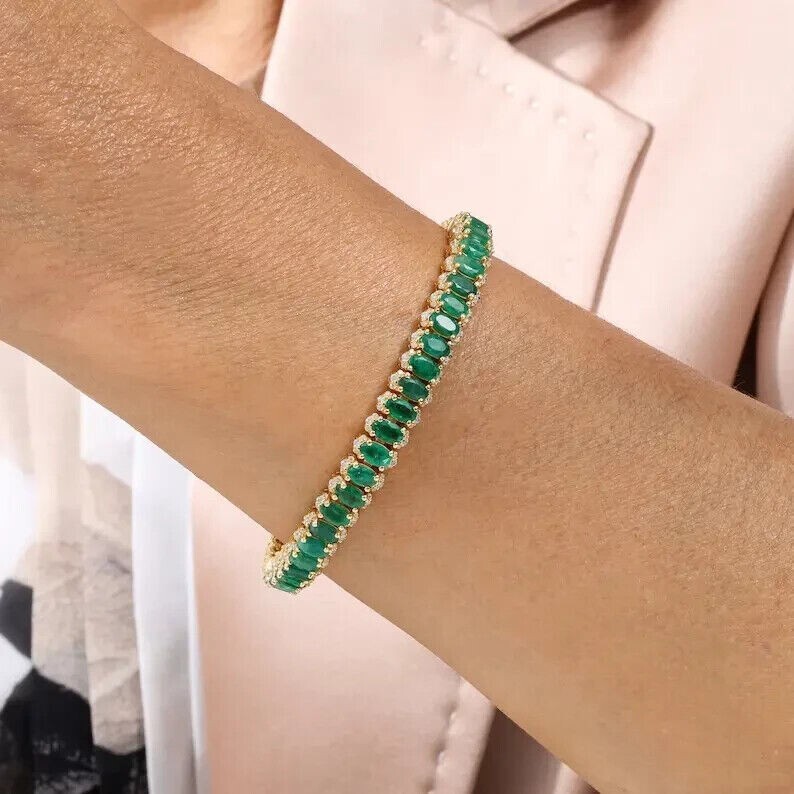 Natural Emerald &Diamond Birthday Gift Women's Tennis Bracelet 14K Yellow Gold$3,325.00Last checked Nov 18, 2026View on eBay
Highlights
- Precious-metal purity determines lifespan: solid 14k/18k gold or platinum settings retain stones for decades, while 18k gold-over-sterling vermeil and rhodium-plated brass wear through at high-friction link joints within 1–3 years of daily wear.
- Clasp architecture is the #1 failure point: demand a box-and-tongue clasp with a fold-over safety latch; lobster claws and single spring rings are retrofit closures that open under wrist motion and lose stones.
- Stone setting style governs security: four-prong baskets expose more stone surface but snag on clothing; channel and bezel settings flush-mount stones and are the durable choice for active wearers.
- Link construction separates quality tiers: individual hinge-and-pin links with soldered joints flex smoothly and resist stretching; stamped or open-loop links stretch and kink, permanently loosening the bracelet over time.
Best use cases
- Daily wear / office and gym: pick a solid 14k or 18k gold (or platinum) channel-set or bezel-set line with a box clasp and safety latch—skip prong-set sterling silver, which snags and loosens stones under repeated motion.
- Occasional evening and wedding wear: a rhodium-plated sterling silver or 14k gold-plated moissanite or lab-created stone bracelet delivers the look at lower cost; accept that plating will dull with frequent wear.
- Gifting and heirloom intent: buy solid 18k gold or platinum with GIA-or-IGI-certified natural or lab-grown stones and a signed clasp—skip plated or vermeil pieces, which cannot be resized or repaired economically.
- Active or rough-wear use: choose a bezel-set stainless steel or titanium line, or a channel-set sterling silver with box clasp—avoid prong-set stones and lobster-claw closures entirely.
Buying tips
- Match length to wrist circumference plus 0.5–0.75 in of ease: measure your wrist snugly, then add 0.5 in for a close fit or 0.75 in for a drape; standard women's lengths are 6.5, 7, and 7.5 in—a 7.87 in bracelet fits wrists over 7.25 in.
- Stone size scales non-linearly with carat weight: a 4mm round stone is roughly 0.25 ct each; a 3x6mm marquise is roughly 0.30–0.35 ct each—multiply by stone count to estimate total carat weight and verify the stated TCW against that math.
- Plating thickness matters: look for 2.5 microns or more of gold plating (vermeil standard) on sterling silver; under 1 micron of flash plating on brass wears to base metal within months of daily wear.
- Certification separates real from mislabeled stones: demand GRA certificates for moissanite, IGI or GIA reports for lab-grown diamonds, and a stated treatment disclosure for sapphire and ruby—unstamped 'diamond' claims on plated brass are cubic zirconia.
Specs
| Metal Base | Solid 14k/18k gold, platinum, .925 silver |
|---|---|
| Plating Type | Vermeil 2.5µm+ vs flash plate <1µm |
| Setting Style | Prong, channel, bezel, pave |
| Clasp Type | Box + safety latch vs lobster claw |
Related searches
What to check before buying
- Measure your wrist circumference with a flexible tape at the wrist bone, then add 0.5–0.75 in—confirm the listed length matches before ordering, since most tennis bracelets cannot be resized more than 0.5 in without removing links.
- Check your wrist and clothing habits: prong settings snag on knits and long sleeves; choose channel or bezel settings if you wear sweaters or work with your hands.
- Confirm metal allergy compatibility: sterling silver (.925) and 14k/18k gold are nickel-free; plated brass and white gold rhodium finishes can contain nickel underlayers—ask for nickel-free certification if you have contact dermatitis.
- Verify clasp type in the specifications: box-and-tongue with fold-over safety latch is the minimum for daily wear; lobster claw or spring ring is acceptable only for occasional wear.
FAQ
Data sources: eBay / Amazon listings and product attribute feeds. Updated Nov 29, 2026.
Some links on this page are affiliate links. If you buy after clicking one, we may earn a commission at no extra cost to you. This does not change which products appear here or their order. Affiliate disclosure.