
Photos from current listings. Actual item, color, and included accessories may vary.
White Gold Bracelet Buying Guide
White gold bracelets are rhodium-plated gold alloys (10K–18K) or sterling silver with white plating, and the core trade-off is solid gold versus plated brass/steel: solid white gold keeps its color when scratched, while plating wears through at clasps and links within months of daily wear. The decision rule is simple: buy solid 10K–14K white gold (or rhodium-finished sterling with a thick plating layer) for everyday wear, and treat gold-plated-base-metal bracelets as occasional-wear fashion pieces only.
Median $61.00
Key takeaways
- Solid white gold is yellow gold alloyed with palladium, nickel, or silver; 14K is ~58.3% gold and 18K is 75%, while 10K (~41.7%) is harder and more scratch-resistant.
- White gold is not naturally white — it requires rhodium plating, which wears at high-friction points (clasp, link edges) and needs re-plating roughly every 1–2 years on daily-worn pieces.
- Tennis bracelets are defined by continuous 3–4 prong-set stones with a double-locking box clasp; stone total carat weight scales directly with stone count and mm diameter, not with listing photo size.
At a glance
- Category
- Necklaces & Bracelets
- Last updated
- Nov 29, 2026
Current offers
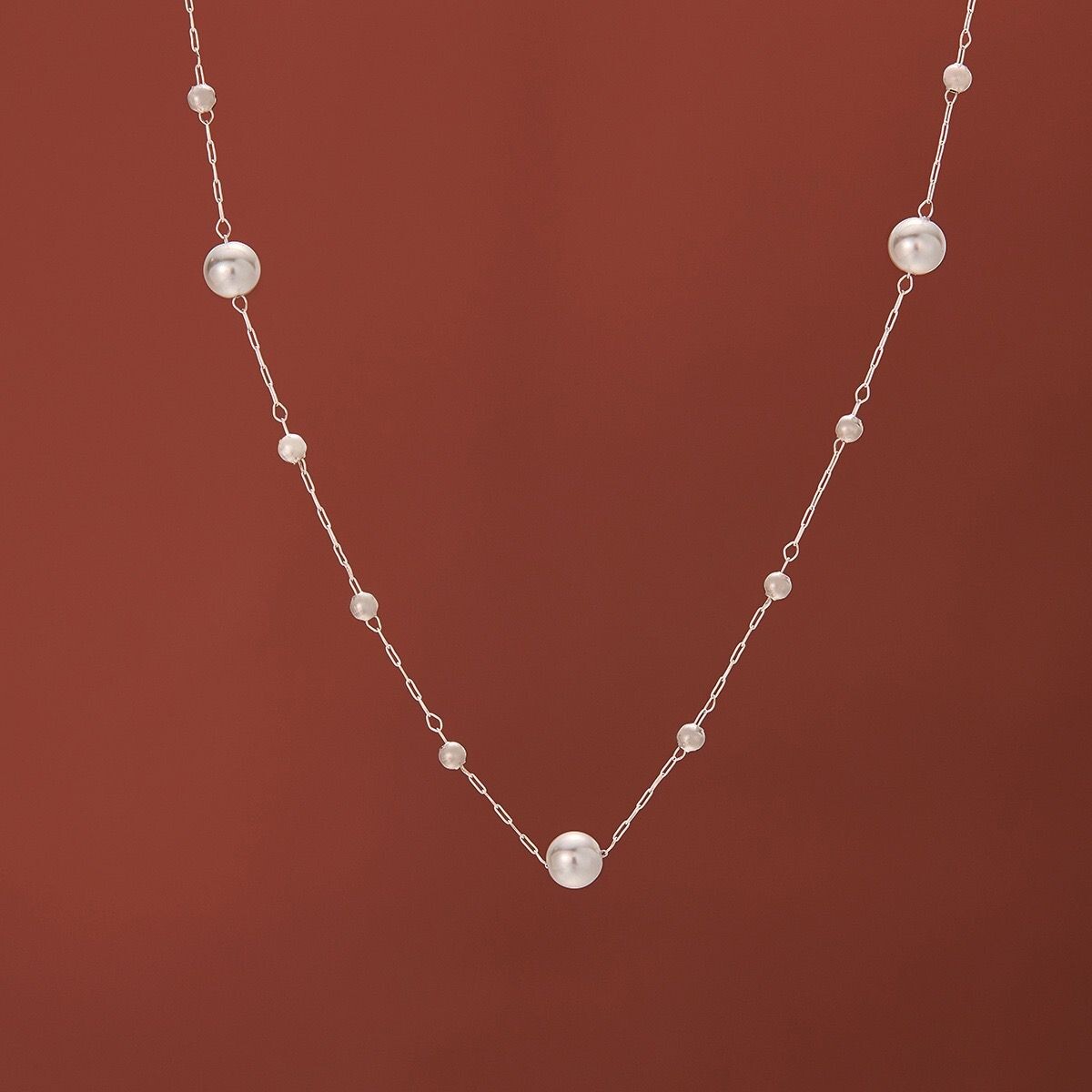 2 Colors Woman 18k Gold Plated Pearl Beaded Tassel Charm Chain Necklace/Bracelet$9.25Last checked Nov 24, 2026View on eBay
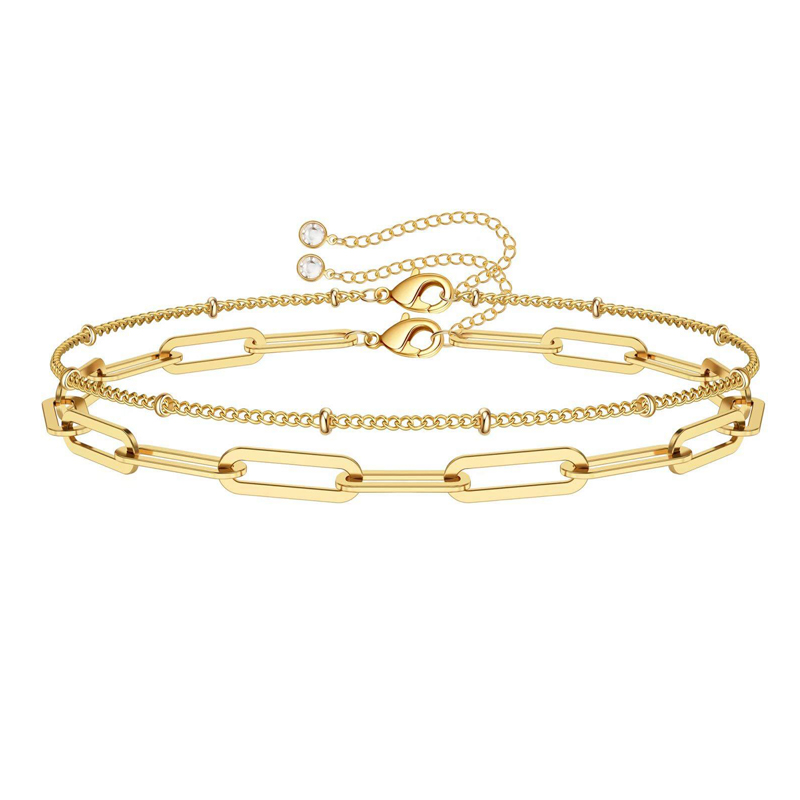 Dainty Gold Bracelets For Women, 14K Filled Adjustable Layered Bracelet Cute Evil Eye Oval Chain Pearl Bar Turtle For Jewelry$18.99View on Mallflare
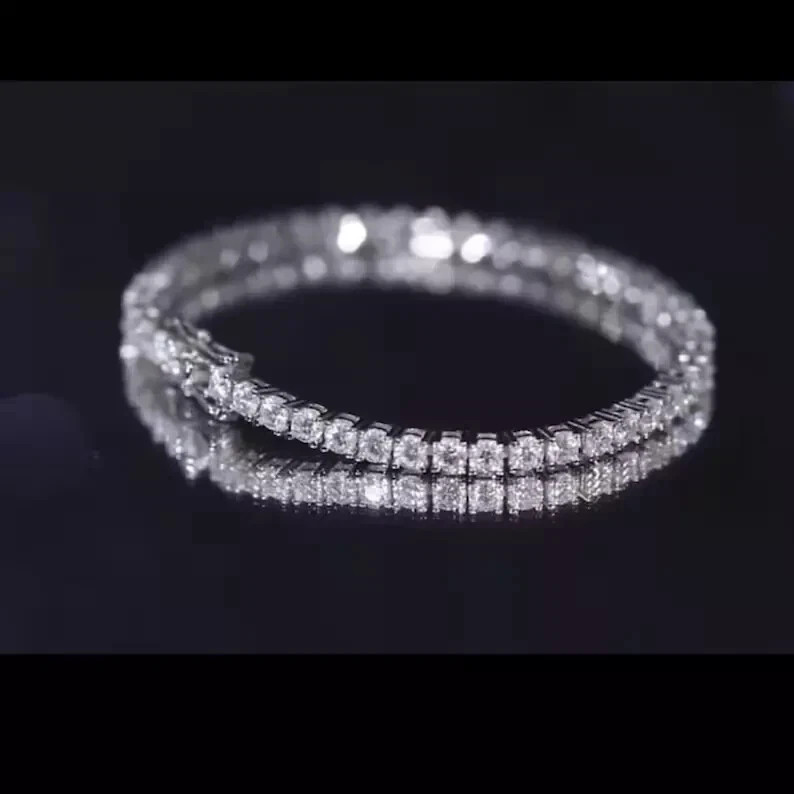 7Ct Round Cut Lab Created Diamond 14k White Gold Plated Women's Tennis Bracelet$57.50Last checked Nov 28, 2026View on eBay
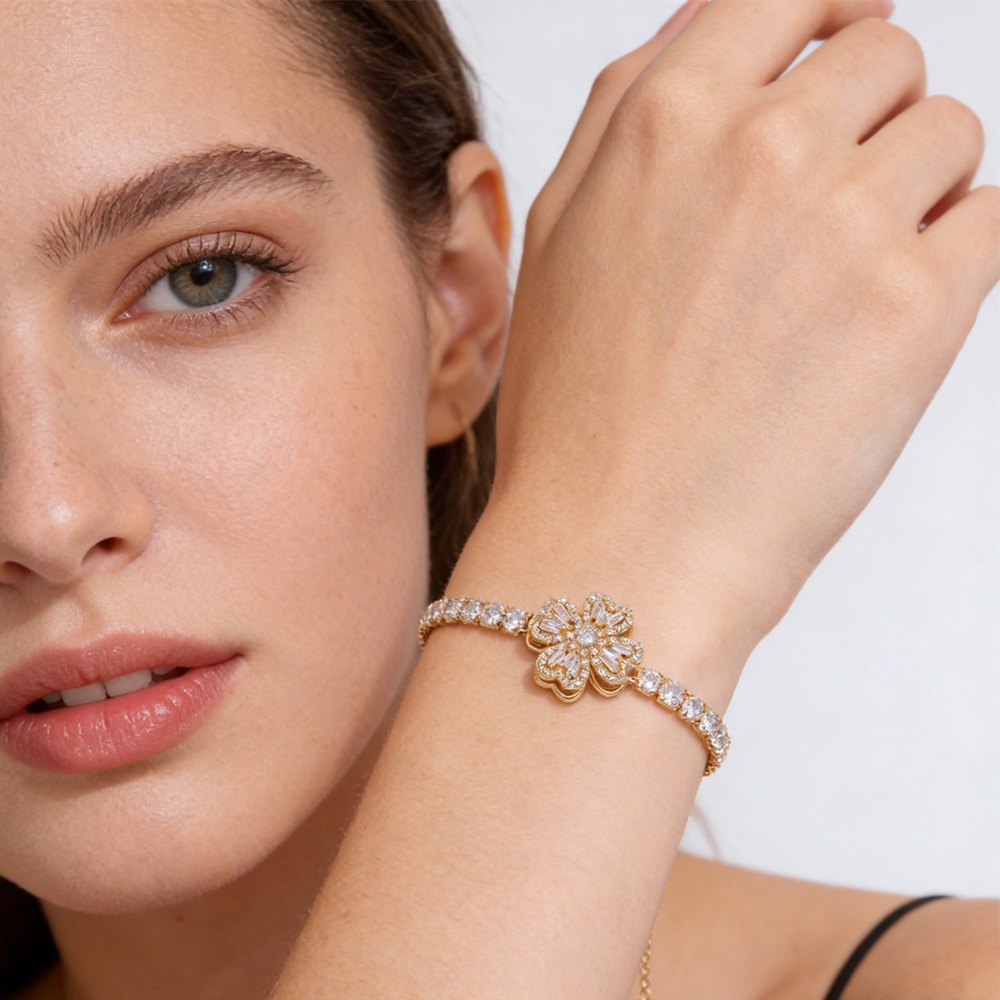 Women Bracelets Sterling Infinity Heart White Gold Plated Cubic Zirconia Adjustable Bracelet Best Gifts For$20.99View on Mallflare
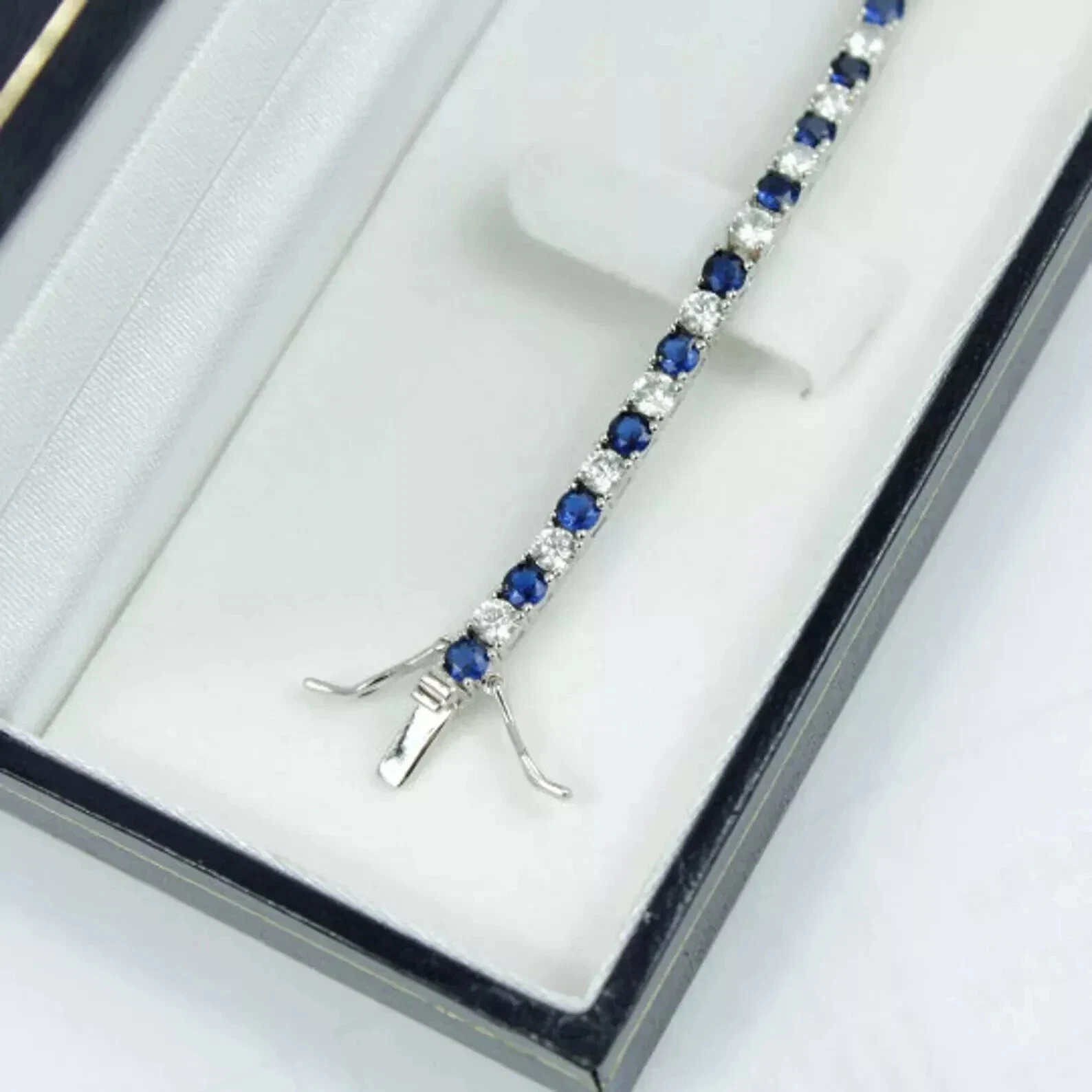 9ct Round 4mm Lab Created Diamond Sapphire Tennis Bracelet 14K White Gold Plated$64.50Last checked Nov 21, 2026View on eBay
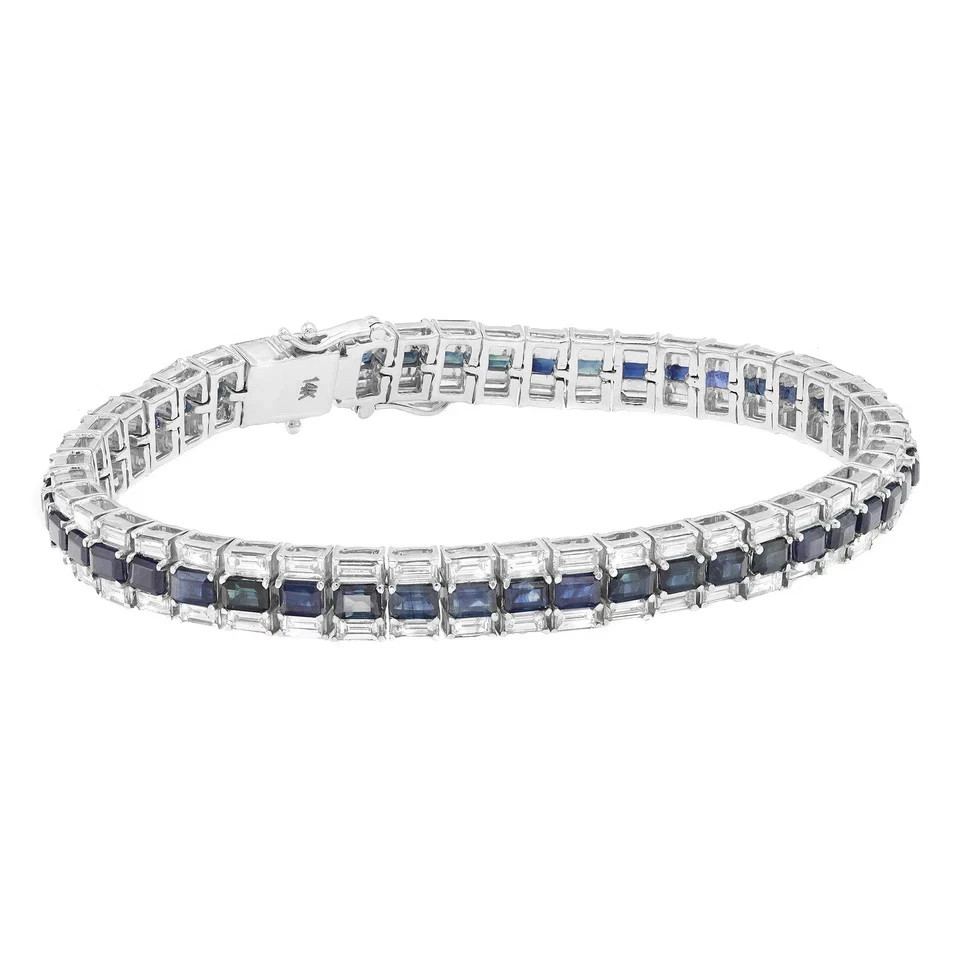 12TCW Baguette Cut Lab Created Sapphire & Diamond Bracelet 14K White Gold Plated$129.99Last checked Nov 22, 2026View on eBay
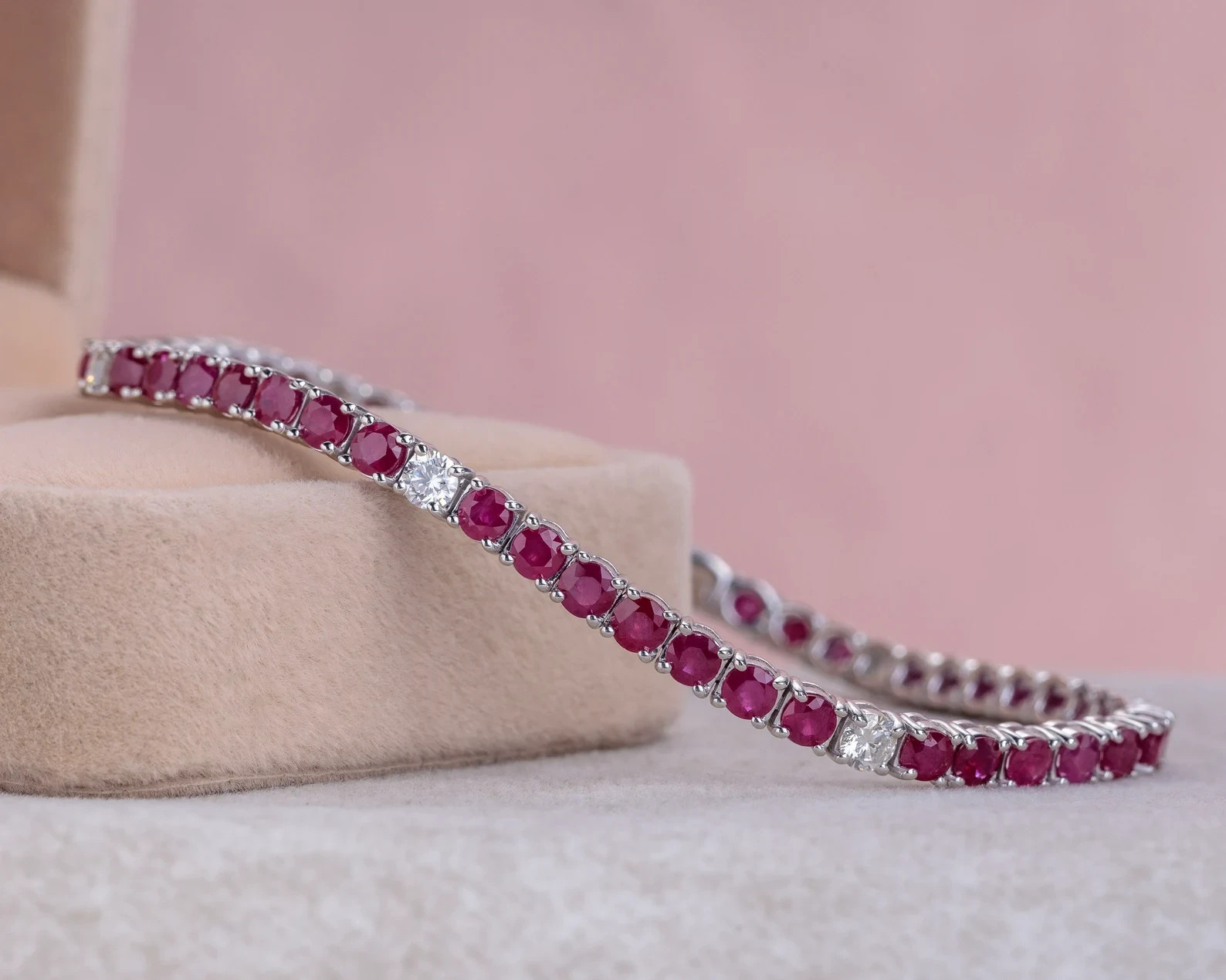 15 Ct Round Cut Natural Ruby Diamond Wedding Tennis Bracelet 14K White Gold 7"$382.97Last checked Nov 14, 2026View on eBay
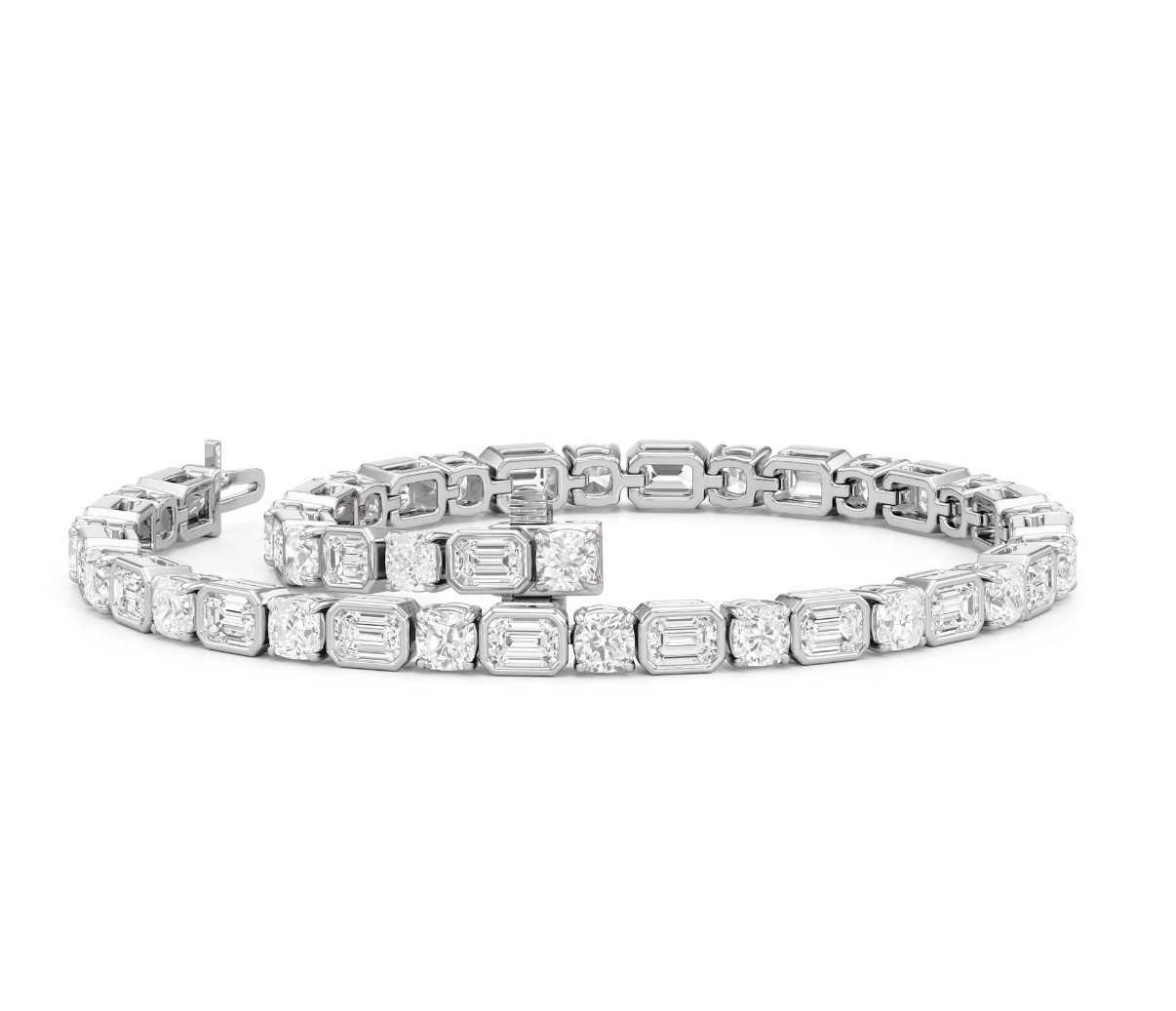 IGI 8 CT Emerald Round F-VS1 Lab Grown Diamond Tennis Bracelet 10K White Gold$2,925.00Last checked Nov 14, 2026View on eBay
Highlights
- Solid white gold is yellow gold alloyed with palladium, nickel, or silver; 14K is ~58.3% gold and 18K is 75%, while 10K (~41.7%) is harder and more scratch-resistant.
- White gold is not naturally white — it requires rhodium plating, which wears at high-friction points (clasp, link edges) and needs re-plating roughly every 1–2 years on daily-worn pieces.
- Tennis bracelets are defined by continuous 3–4 prong-set stones with a double-locking box clasp; stone total carat weight scales directly with stone count and mm diameter, not with listing photo size.
- Lab-grown diamonds are chemically and optically identical to mined stones (IGI/GIA graded, F–VS1 typical), while CZ and white sapphire are simulants that cloud or scratch over time.
Best use cases
- Daily wear and sensitive skin: choose solid 14K white gold or rhodium-plated sterling silver (925) — skip brass-base '14K plated' tennis bracelets that green or flake at the clasp.
- Gift or occasional evening wear: a CZ or white sapphire rhodium-plated bracelet delivers the look at low cost; reserve it for event wear, not showering or gym use.
- High-sparkle tennis look on a budget: pick lab-grown diamond in 10K–14K white gold over CZ — same visual fire, real diamond grading, and far better resale and durability.
Buying tips
- Verify the stamp: '14K' or '585' means solid 14K gold; '14K GP', '14K plated', or 'gold over sterling' means a thin gold layer on a base metal that will wear.
- Size the tennis bracelet to your wrist plus 0.5–1 inch: measure wrist circumference, then choose a 7-inch bracelet for a 6–6.5 inch wrist for a slight drape; 6.5-inch bracelets fit snugly.
- Judge stone weight by count and diameter: 4mm round stones at 7 inches yield roughly 4–5 TCW, while '12 TCW' listings imply larger or more stones — confirm mm size and count, not just carat claims.
- Check clasp type: a tennis bracelet needs a double figure-eight safety clasp; a single lobster claw on a heavy stone bracelet is a failure point.
Specs
| Metal Type | Solid 10K-18K white gold / plated brass / sterling |
|---|---|
| Plating | Rhodium (re-plate every 1-2 yrs) |
| Stone Options | Lab diamond / natural / CZ / sapphire |
| Bracelet Length | 6.5-7.5 in (wrist + 0.5-1 in) |
Related searches
What to check before buying
- Measure wrist circumference with a soft tape at the wrist bone; add 0.5–1 inch for comfort and choose the nearest standard length (6.5, 7, or 7.5 inches).
- Confirm metal mark and plating: solid 10K/14K/18K stamp versus 'plated' or 'GP', and whether rhodium re-plating will be needed.
- Check stone setting security: prongs should be thick and tight; ask whether stones are lab-grown, natural, CZ, or sapphire — this drives both durability and value.
- Verify clasp and safety catch type, and confirm the bracelet ships with a jewelry pouch and care card for rhodium-plated pieces.
FAQ
Data sources: eBay / Amazon listings and product attribute feeds. Updated Nov 29, 2026.
Some links on this page are affiliate links. If you buy after clicking one, we may earn a commission at no extra cost to you. This does not change which products appear here or their order. Affiliate disclosure.