
Photos from current listings. Actual item, color, and included accessories may vary.
Leather Watch Band Buying Guide
A leather watch band is a replaceable strap that determines comfort, durability, and the visual character of a watch, with the primary trade-off between genuine full-grain leather (patina, longevity) and bonded/corrected-grain leather (lower cost, faster wear). The decision rule is simple: buy full-grain or top-grain leather with stitched edges and stainless steel hardware for daily wear, and accept corrected-grain or split leather only for light, occasional use.
Median $11.99
Key takeaways
- Full-grain leather retains the original hide surface and develops patina; corrected-grain has been sanded and stamped, while bonded leather is shredded scraps glued to a backing and delaminates first.
- Stitching quality separates durable bands from disposable ones: locked, tight stitching at the lug and buckle ends resists pull-through, while loose or glued edges fray within months.
- Quick-release spring bars (typically 1.5–1.8mm diameter) allow tool-free swaps but use thinner wire than standard 2.0mm bars, so heavy watches should use standard spring bars.
At a glance
- Category
- Watch Accessories
- Last updated
- Nov 27, 2026
Current offers
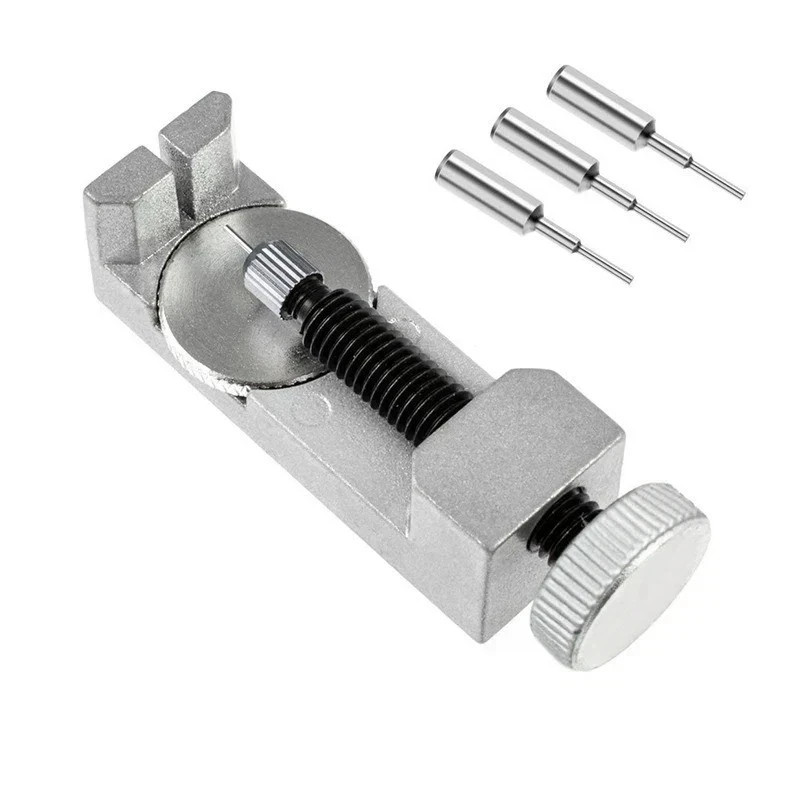 20mm 22mm Genuine Leather Watch Band Quick Release Straps Fits for Galaxy$1.49Last checked Nov 26, 2026View on eBay
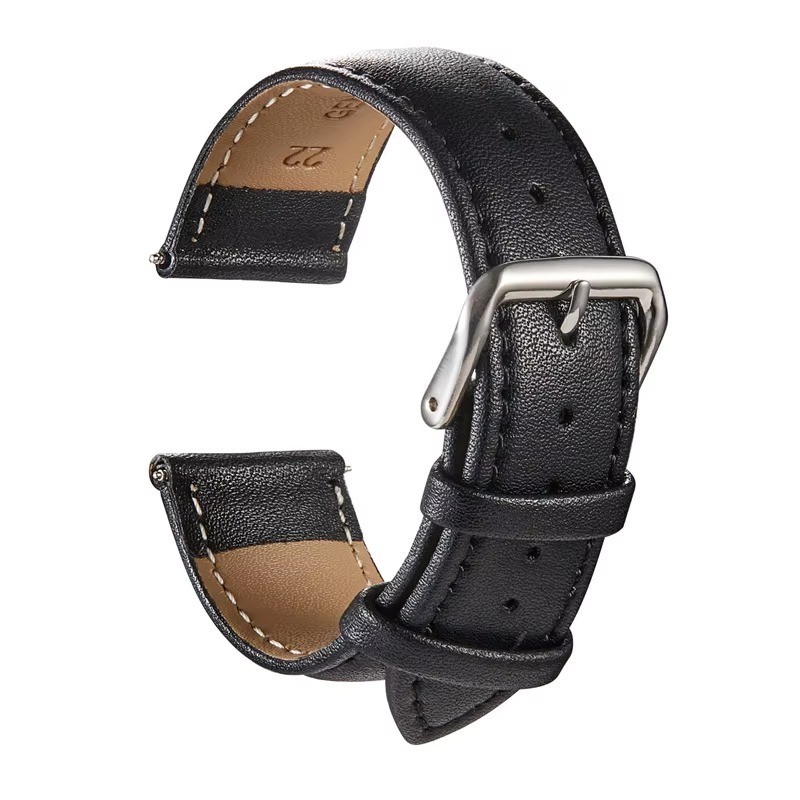 Leather Watch Strap 12mm to 24mm Genuine Replacement Soft Bracelet Watch Band$4.30Last checked Nov 25, 2026View on eBay
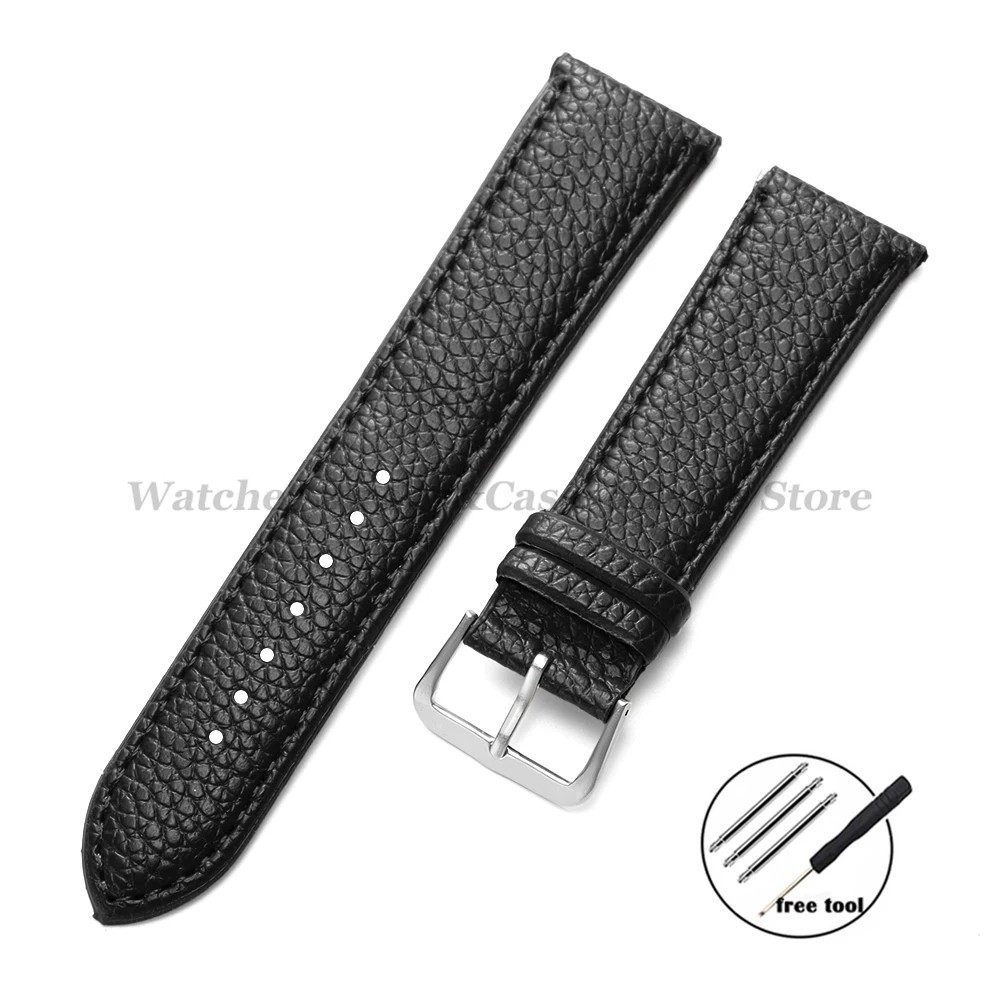 Leather Watch Strap Band Replacement Universal Men Women 12 14 16 18 20 22mm PU$4.75Last checked Nov 24, 2026View on eBay
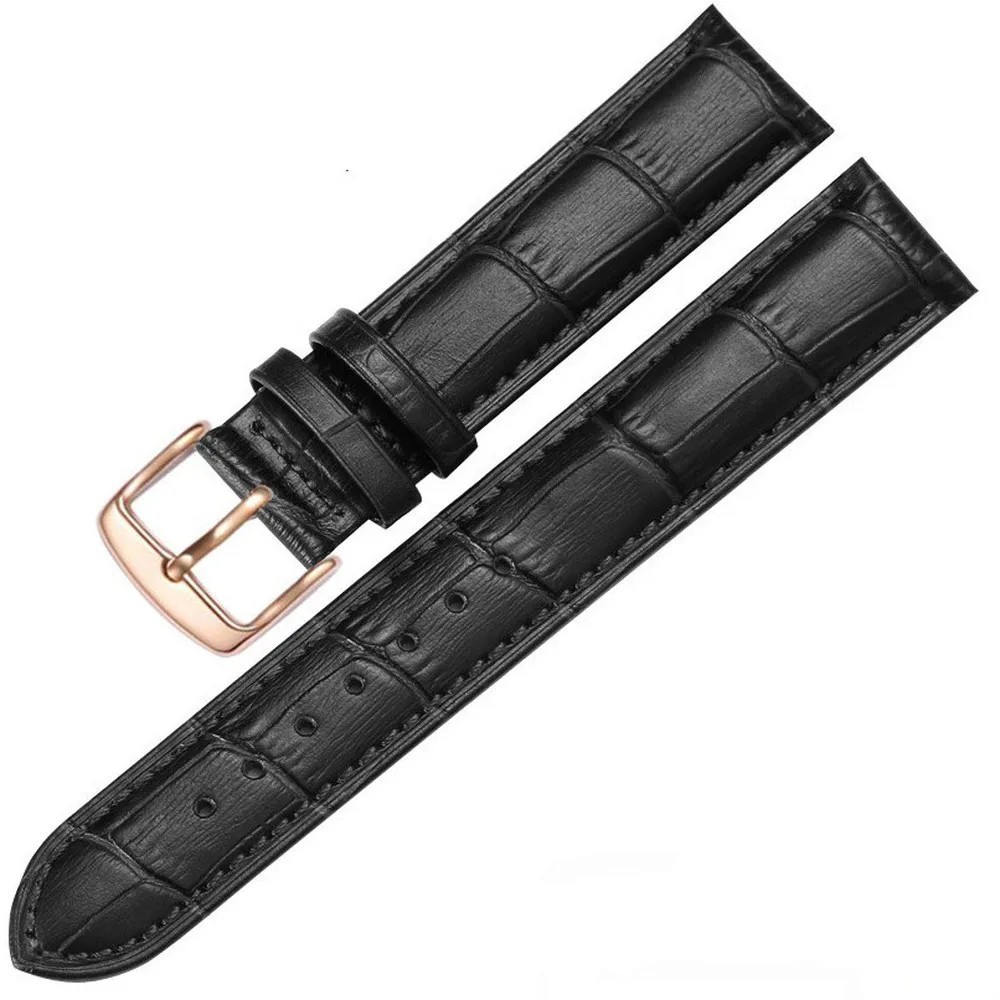 Leather Watch Strap Band Sweatproof Gold Buckle Replacement 14 16 18 20 22 24mm$5.50Last checked Nov 18, 2026View on eBay
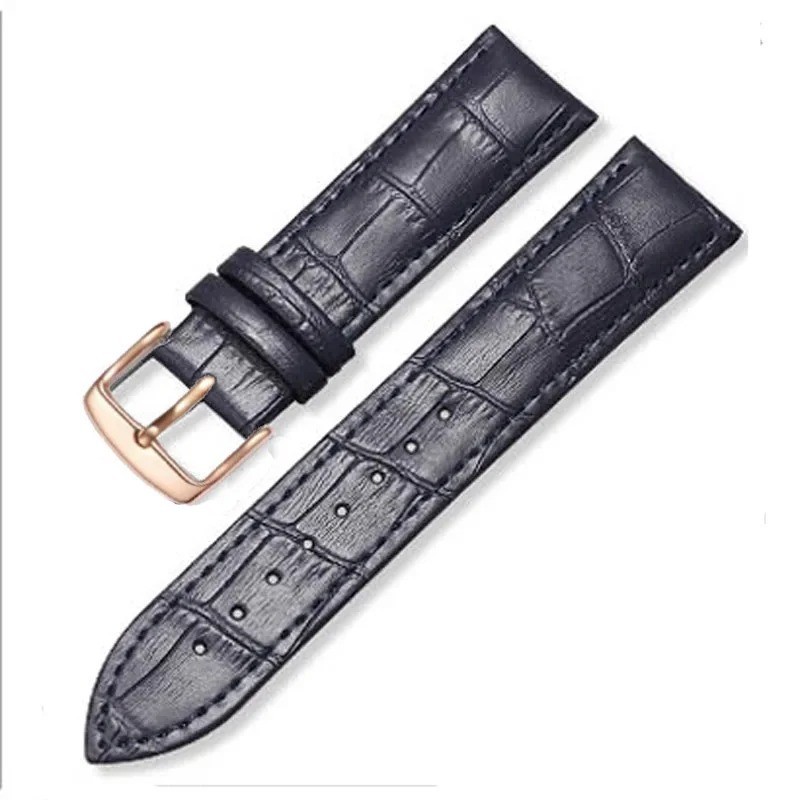 12mm 14mm 16mm 17mm 18mm 20mm 21mm 22mm Genuine Leather Watch Band Replacement$5.99Last checked Nov 25, 2026View on eBay
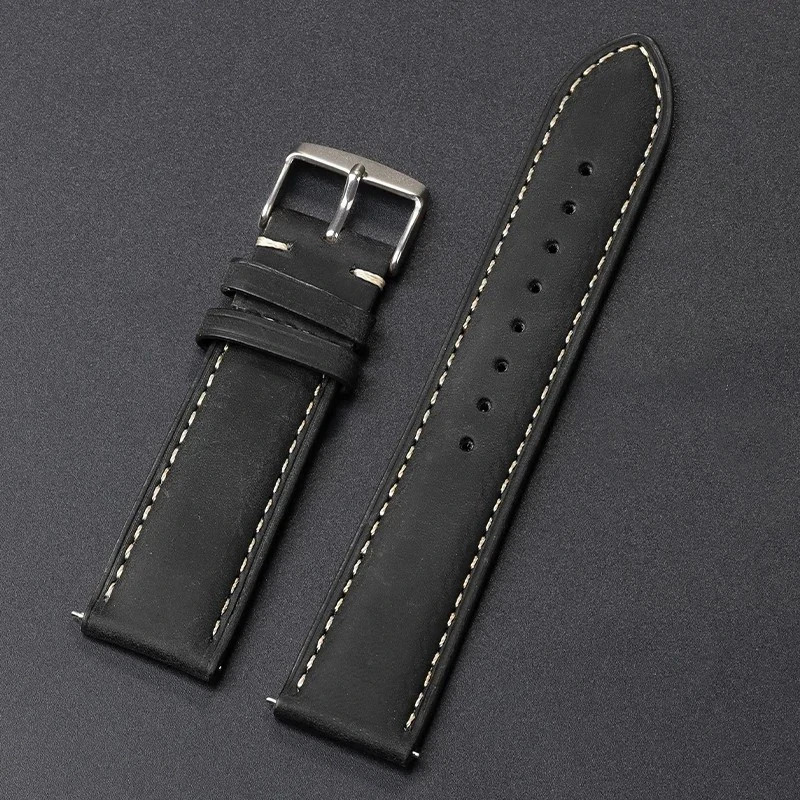 Leather Watch Band 18mm 20mm 22mm Quick Release Replacement Watch Strap$9.20Last checked Nov 23, 2026View on eBay
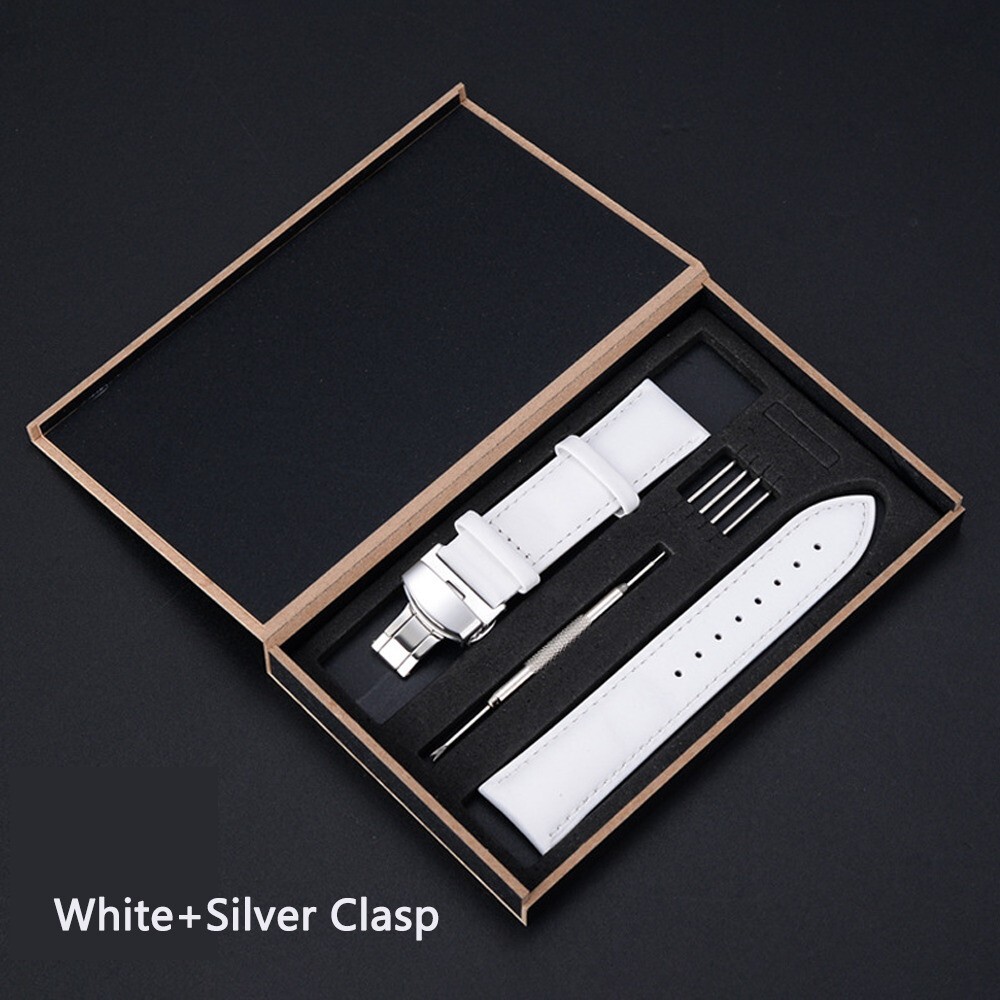 12mm-24mm Leather Watch Band Bracelet Strap Replacement Deployment Clasp Buckle$9.25Last checked Nov 24, 2026View on eBay
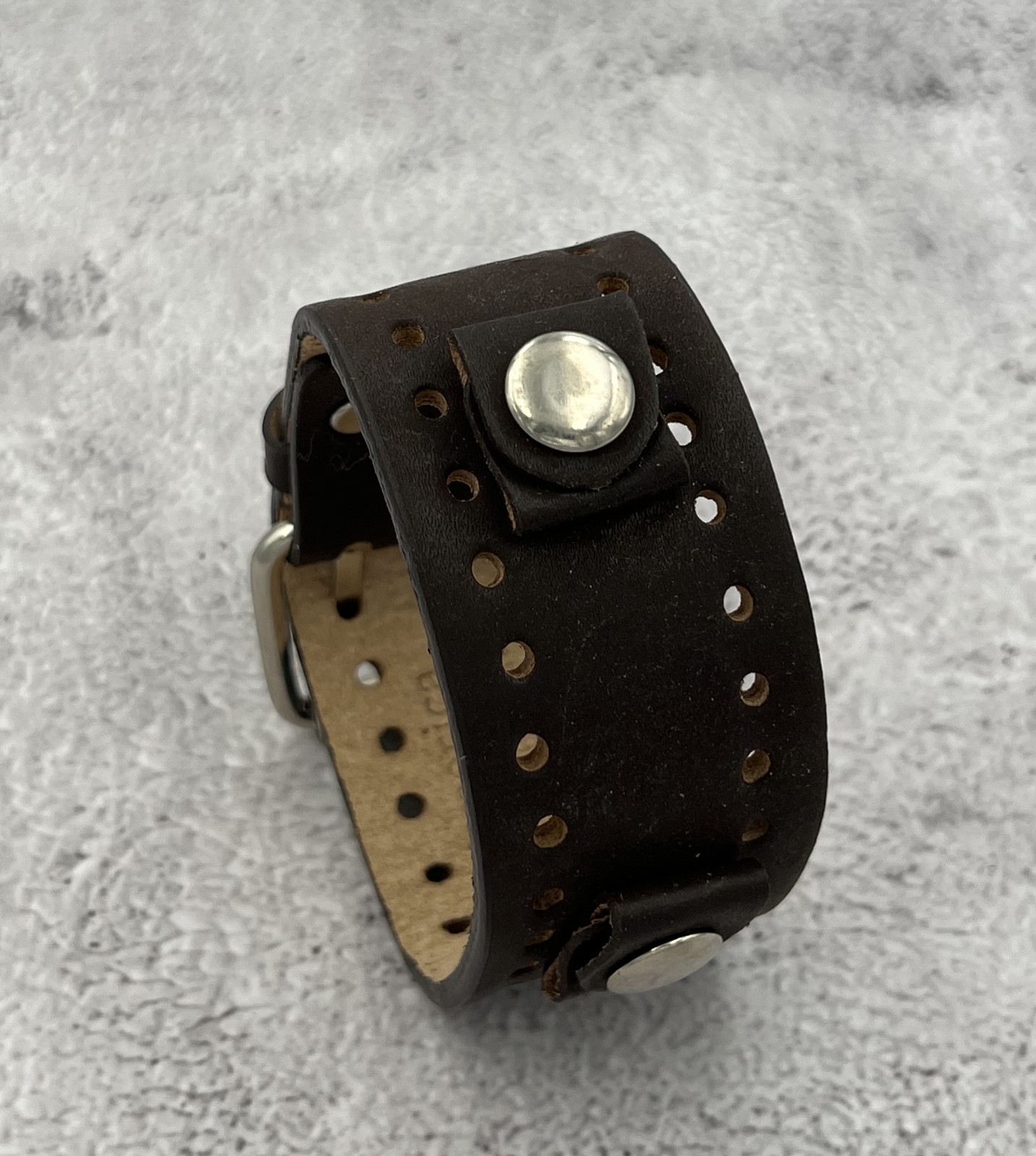 Rev MWK Leather 18 mm Lug Width Wide Dark Brown Cuff Watch Band$9.99Last checked Nov 26, 2026View on eBay
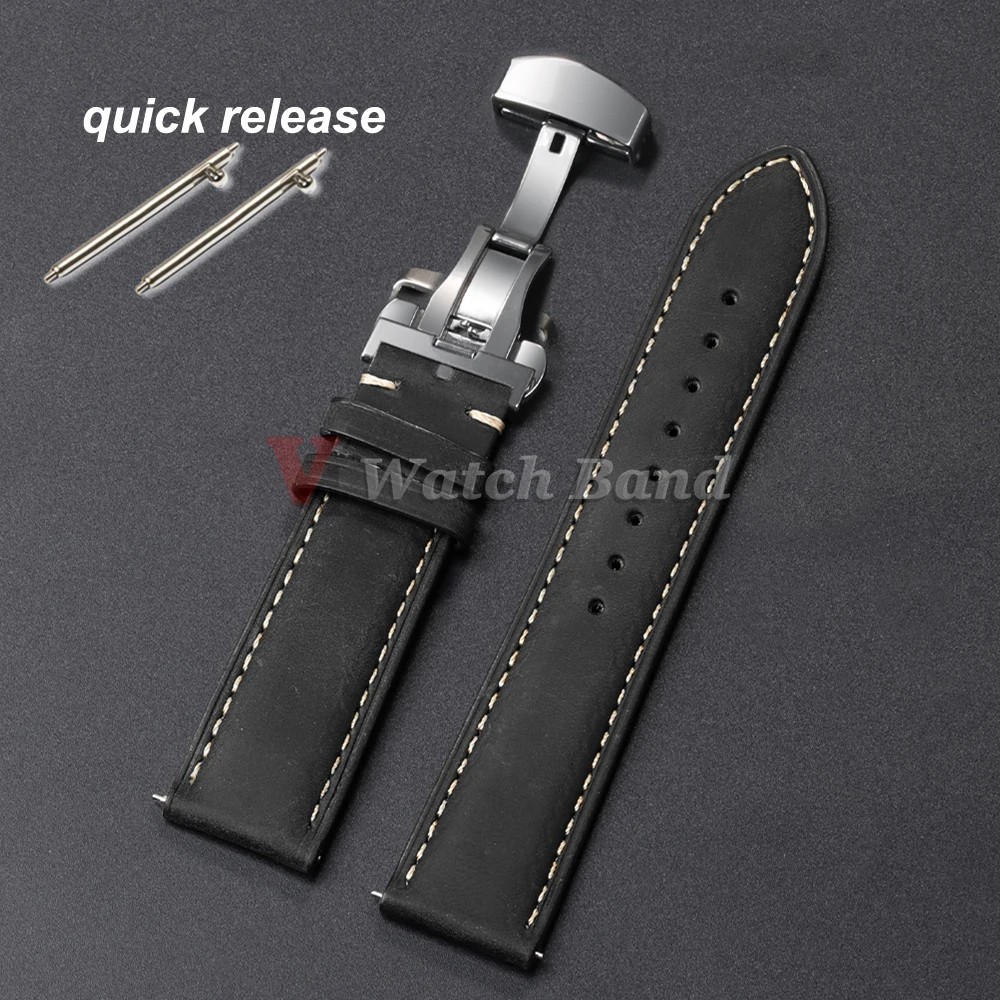 Genuine Calfskin Leather Watch Band 18mm 20mm 22mm Butterfly Buckle Strap$10.45Last checked Nov 26, 2026View on eBay
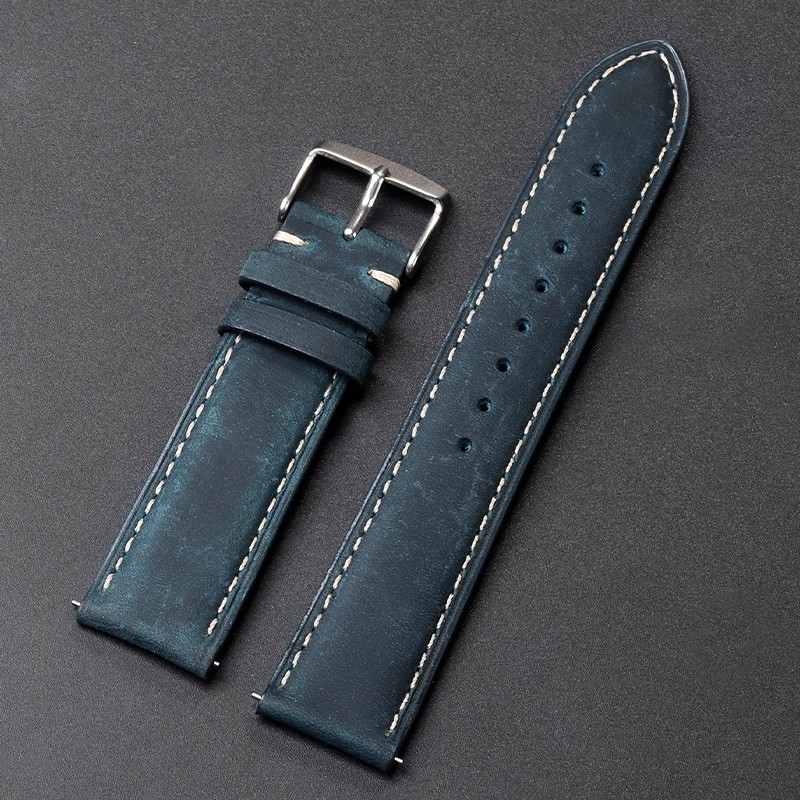 Leather Watch Band 18mm 20mm 22mm Quick Release Replacement Watch Strap$10.99View on eBay
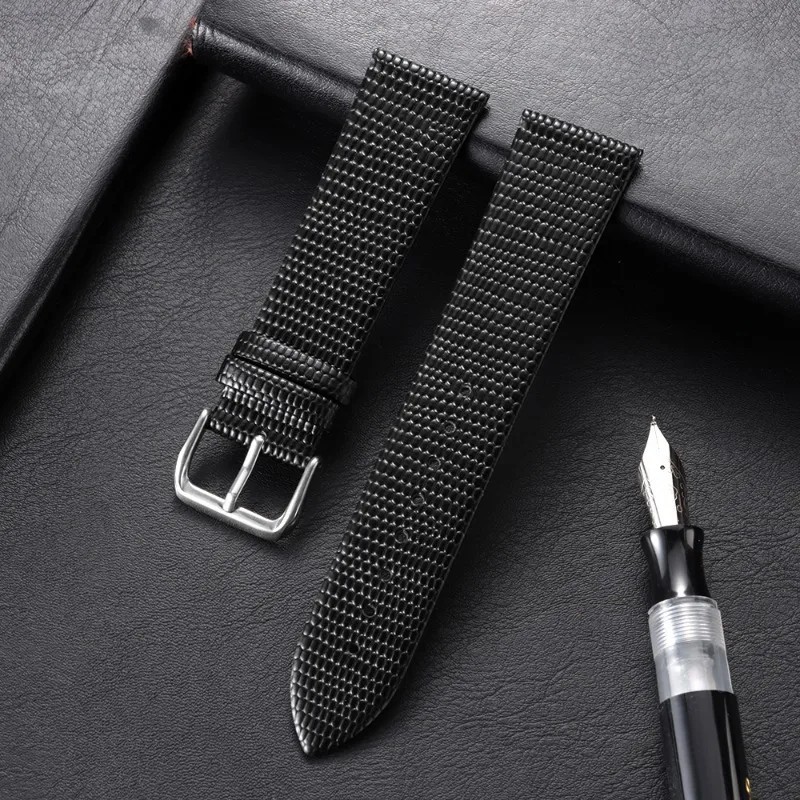 16mm 18mm 20mm Lizard Embossed Calf Genuine Leather Thin and Soft Watch Band$12.99View on eBay
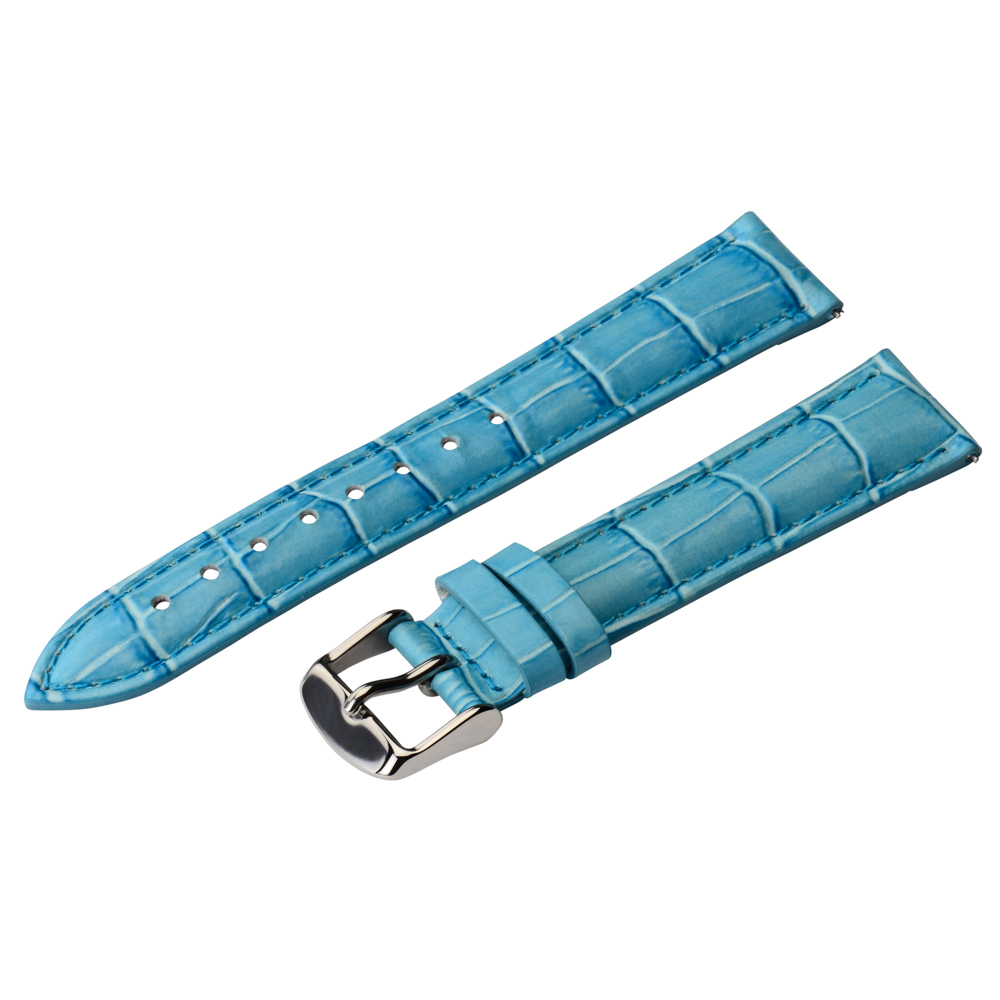 GENUINE CROCO GRAIN LEATHER INTERCHANGEABLE Watch Band Strap$13.45Last checked Nov 25, 2026View on eBay
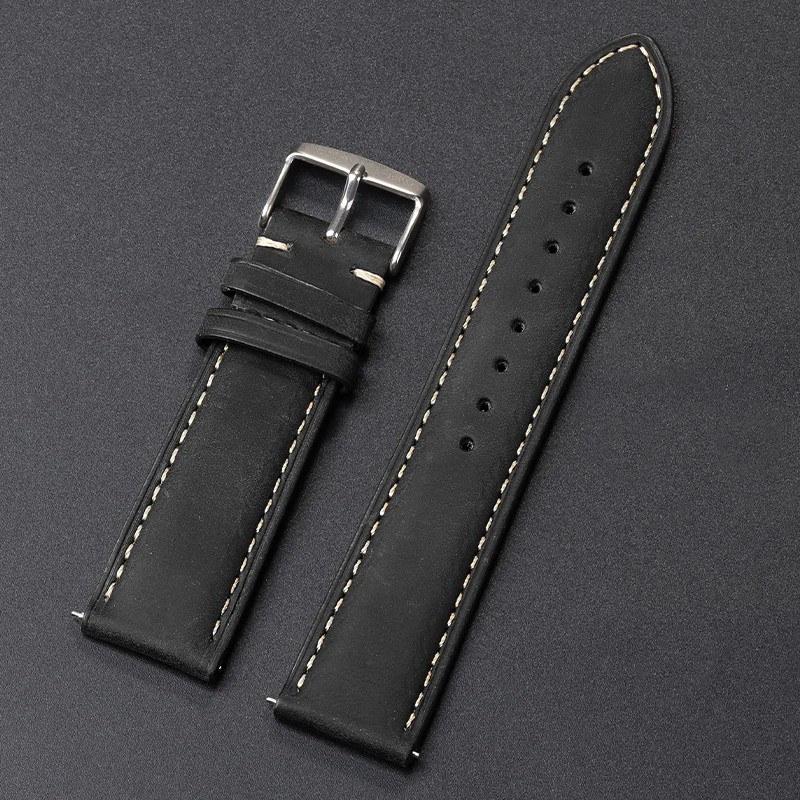 Leather Watch Band 18mm 20mm 22mm Quick Release Replacement Watch Strap$13.79Last checked Nov 24, 2026View on eBay
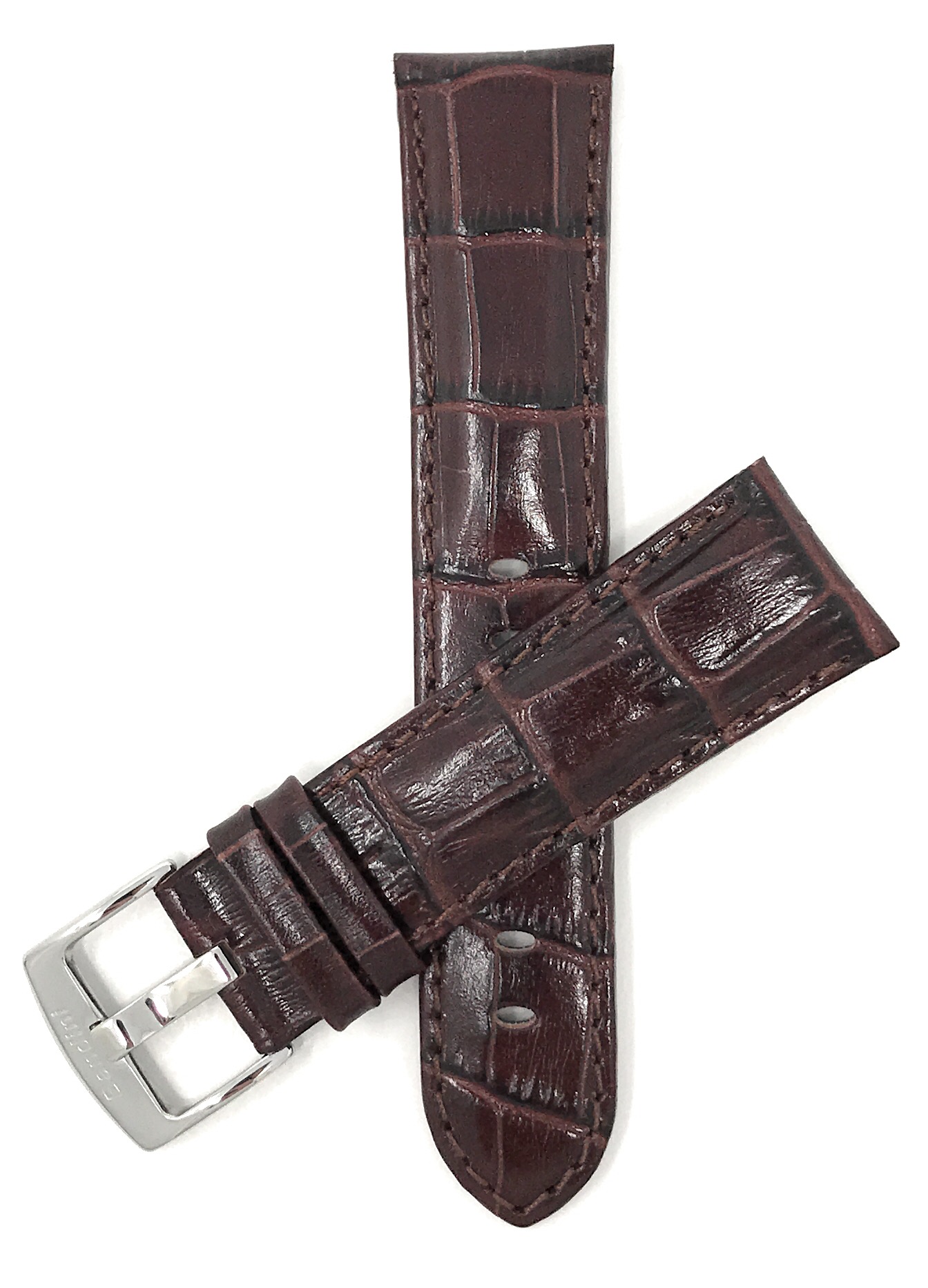 Bandini Leather Watch Band, Alligator Style Strap, 18mm - 30mm Extra Long Too$29.93Last checked Nov 26, 2026View on eBay
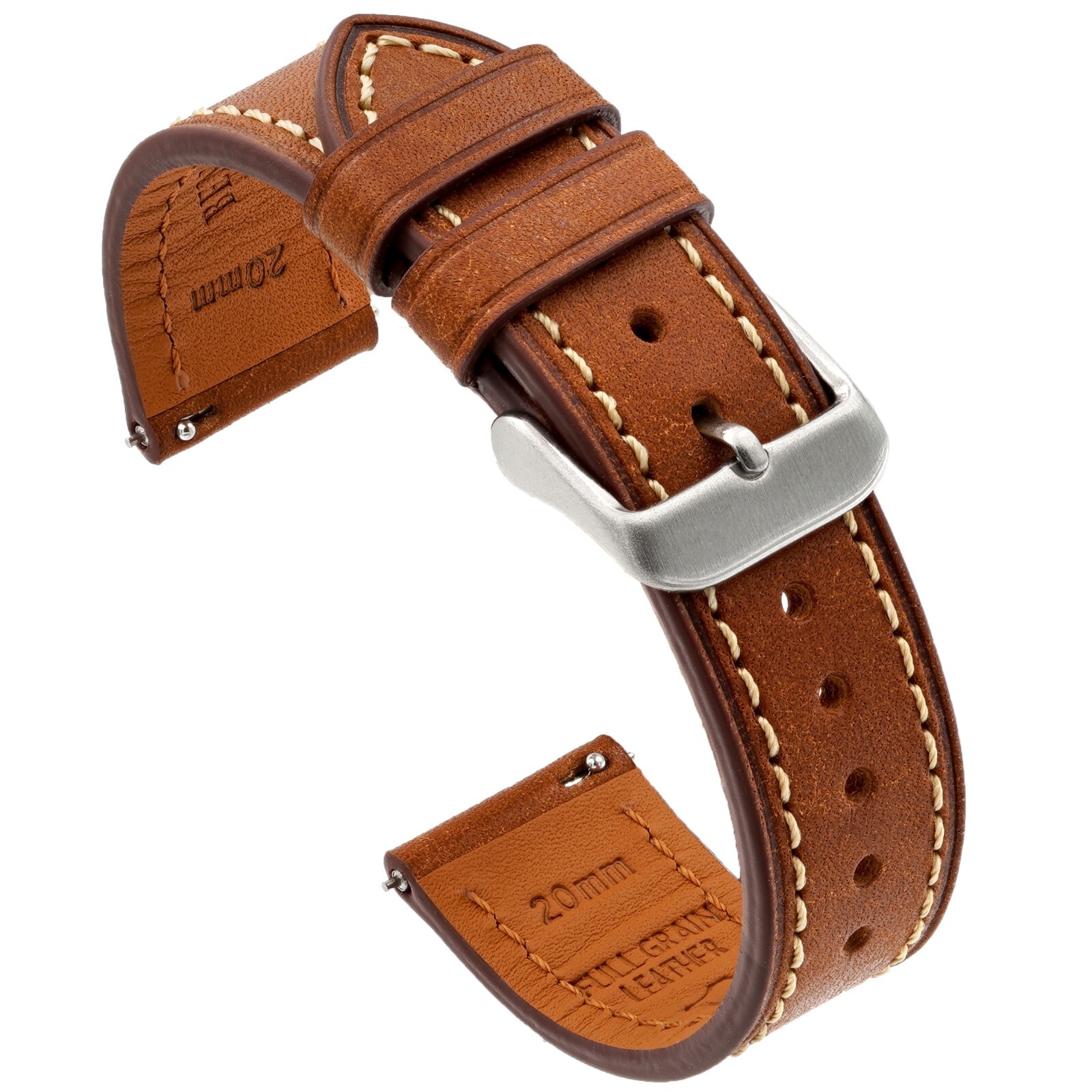 Italian Leather Watch Band - Full-Grain Leather - Cognac - 18, 20 or 22mm$39.95Last checked Nov 23, 2026View on eBay
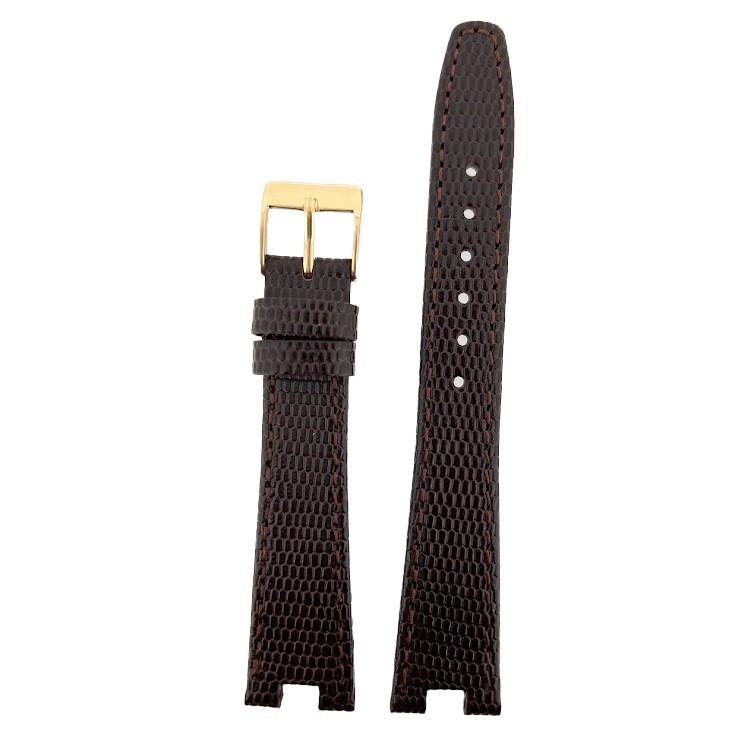 Watch Strap fits Gucci 4500M 18mm Leather Black Brown with Center Cut$39.95Last checked Nov 23, 2026View on eBay
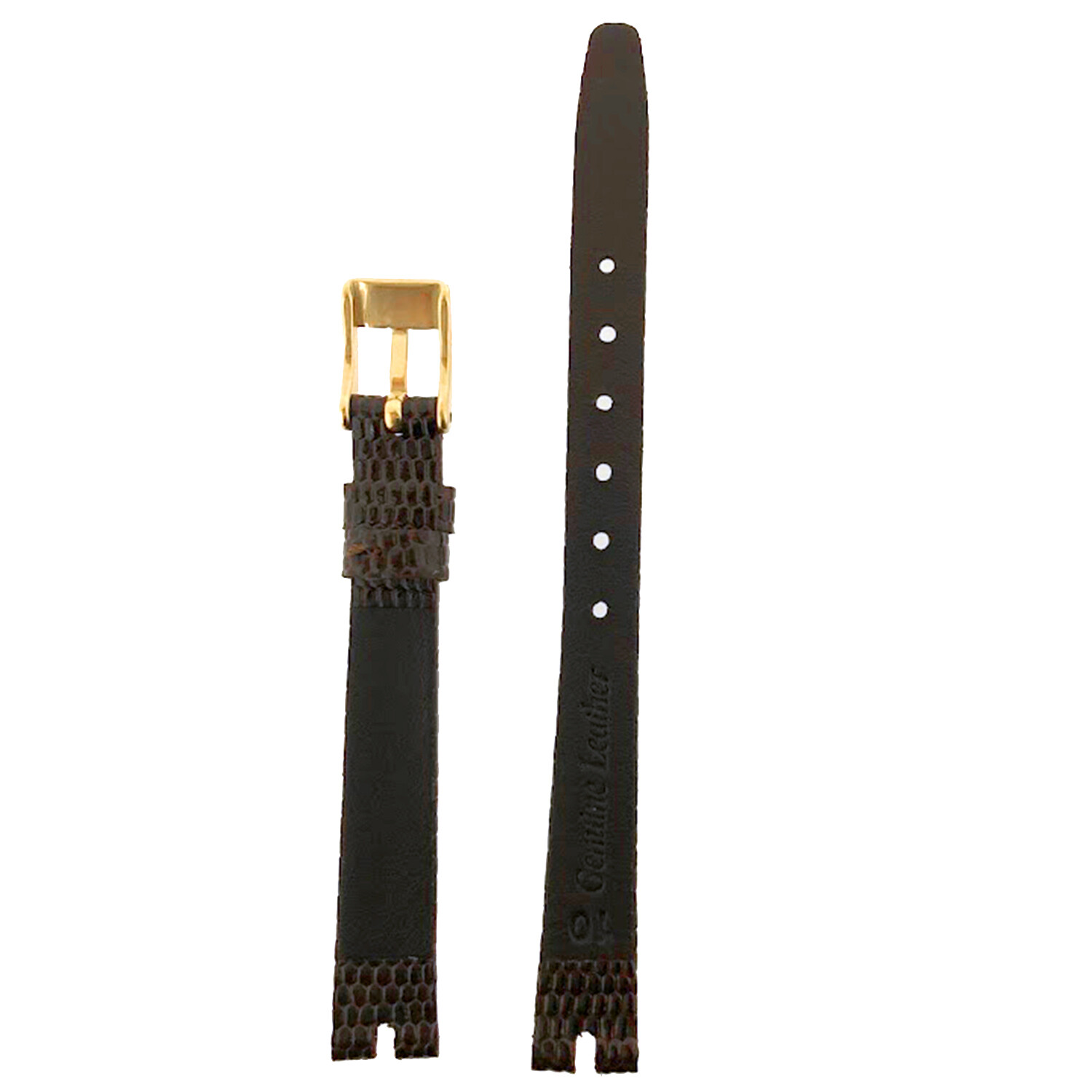 Watch Strap fits Gucci 2000L 10mm Leather Black Brown with Center Cut$39.95Last checked Nov 22, 2026View on eBay
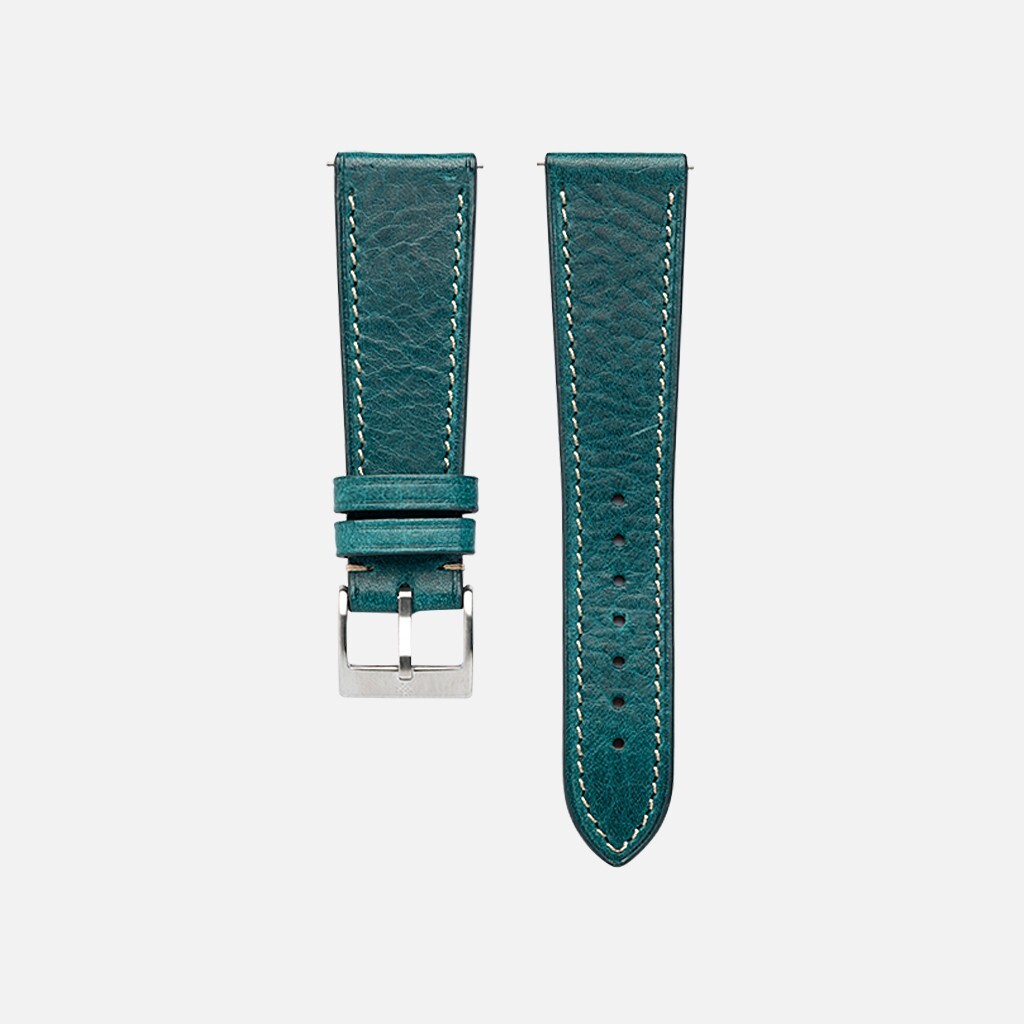 Waxy Slim Quick-Release Leather Watch Strap – Multiple Sizes & Colors - Zermatt$39.99Last checked Nov 26, 2026View on eBay
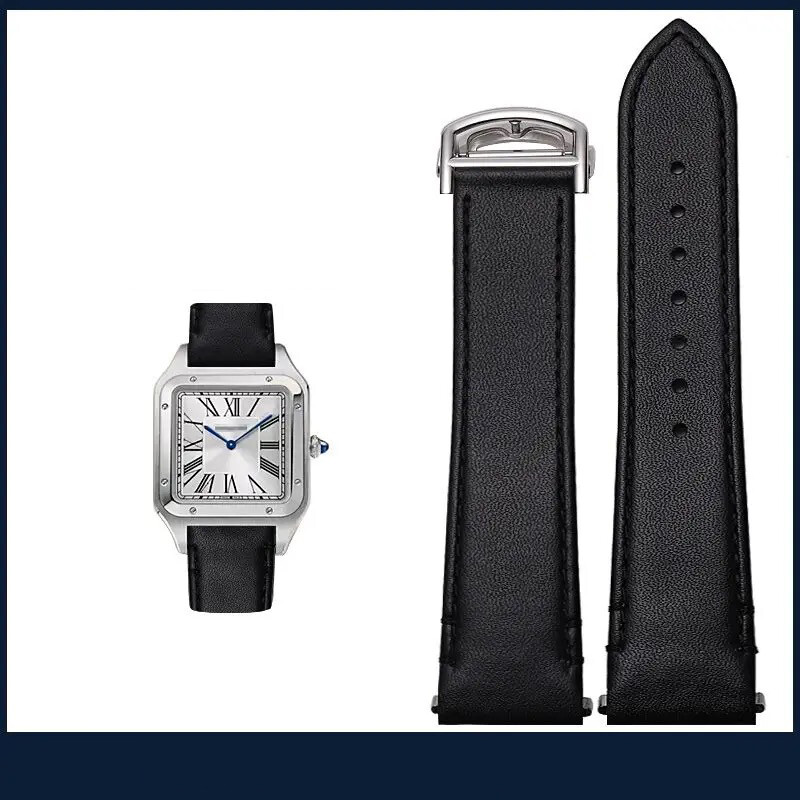 21MM LEATHER WATCH STRAP BAND FOR CARTIER SANTOS WSSA0018 4072 QUICK RELEASE BRO$109.61Last checked Nov 25, 2026View on eBay
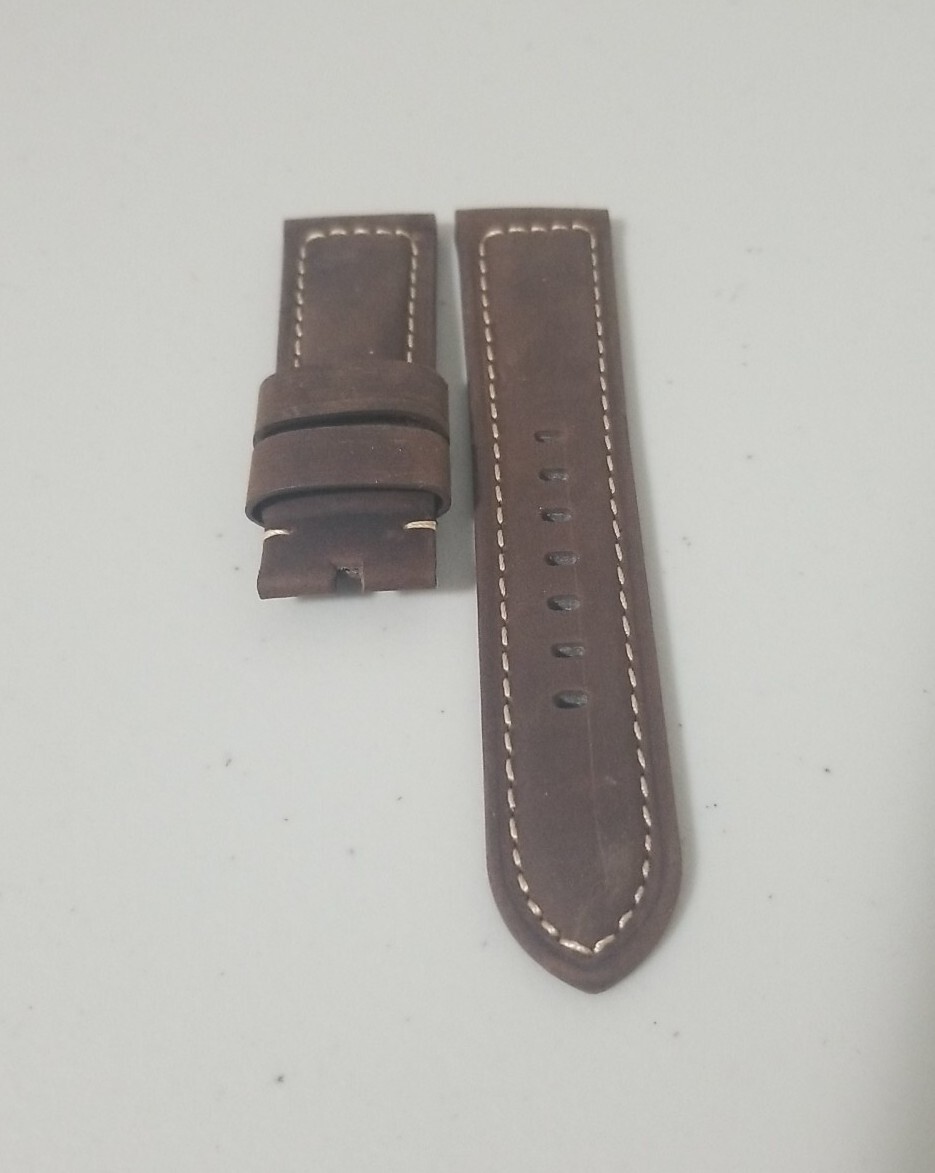 Panerai Watch 24mm Brown Assolutamente Leather OEM Suede Strap for Tang Buckle$114.00Last checked Nov 23, 2026View on eBay
Highlights
- Full-grain leather retains the original hide surface and develops patina; corrected-grain has been sanded and stamped, while bonded leather is shredded scraps glued to a backing and delaminates first.
- Stitching quality separates durable bands from disposable ones: locked, tight stitching at the lug and buckle ends resists pull-through, while loose or glued edges fray within months.
- Quick-release spring bars (typically 1.5–1.8mm diameter) allow tool-free swaps but use thinner wire than standard 2.0mm bars, so heavy watches should use standard spring bars.
- Lug width must match the watch case exactly (common sizes 18mm, 20mm, 22mm, 24mm); a band 2mm narrower leaves visible gaps and stresses the spring bar.
Best use cases
- Best fit: daily-worn dress or field watch with 20mm or 22mm lugs — choose full-grain leather with stitched edges and a stainless steel pin buckle; skip bonded leather, which cracks at the buckle fold.
- Best fit: quick-swap between leather and sport straps — pick a quick-release band in your exact lug width; skip quick-release for dive watches over 200g, where standard spring bars are safer.
- Wrong fit: swimming, showering, or high-sweat activity — leather degrades from water and salt; choose rubber, silicone, or a treated water-resistant leather only for incidental splashes.
- Wrong fit: oversized pilot or dive watches on slim leather — thin 2–3mm leather distorts under a heavy case; choose a padded 4–5mm band or a metal bracelet instead.
Buying tips
- Measure lug width (the gap between watch lugs) in millimeters before ordering; bands come in 6–24mm, and the most common men's sizes are 20mm and 22mm, women's 16mm and 18mm.
- Choose full-grain or top-grain leather over 'genuine leather' labeling, which legally can mean corrected-grain or bonded leather and wears through faster.
- Match band thickness to watch weight: 2–3mm for dress watches under 60g, 3–4mm for everyday watches, 4–5mm padded for chronographs and pilots.
- Confirm hardware material — 304 or 316L stainless steel buckles resist rust; zinc-alloy buckles pit and lose finish within a year of daily wear.
Specs
| Leather Grade | Full-grain > top-grain > bonded |
|---|---|
| Lug Width Range | 6–24mm (common 18/20/22/24mm) |
| Band Thickness | 2–5mm (dress to padded) |
| Buckle Material | 304/316L stainless vs zinc alloy |
Related searches
What to check before buying
- Measure your watch lug width precisely with calipers or a ruler; the band must be within 0.5mm of the lug gap to seat without gaps or forced bending.
- Check spring bar type: quick-release bands need clearance in the lug holes, while standard bands require a spring bar tool for installation.
- Verify buckle size suits your wrist: a 20mm band typically tapers to an 18mm buckle, so wrist circumference under 160mm may need a shorter strap length.
- Assess climate and sweat exposure — humid or high-activity use demands treated leather or a non-leather alternative, since untreated leather absorbs moisture and odors.
FAQ
Data sources: eBay / Amazon listings and product attribute feeds. Updated Nov 27, 2026.
Some links on this page are affiliate links. If you buy after clicking one, we may earn a commission at no extra cost to you. This does not change which products appear here or their order. Affiliate disclosure.