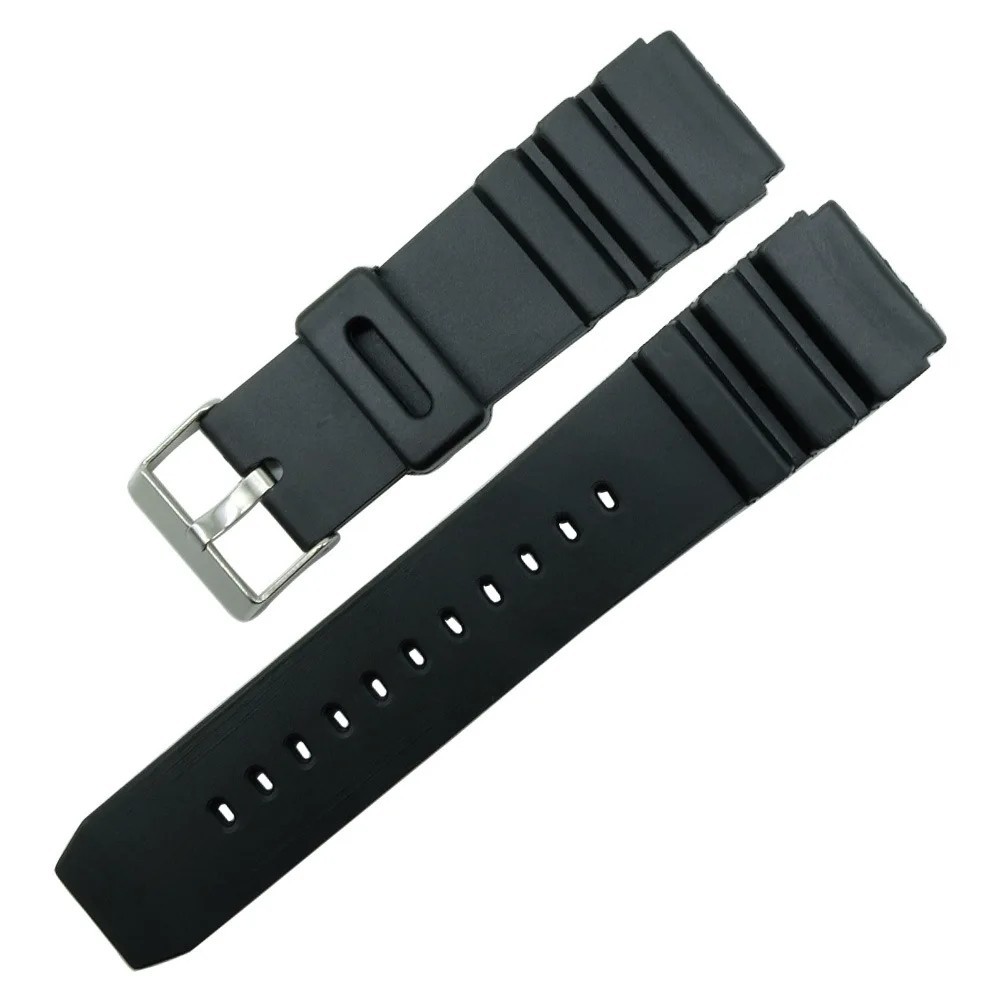

Photos from current listings. Actual item, color, and included accessories may vary.
Wristwatch Band Buying Guide
A wristwatch band is a critical wear component that determines comfort, security, and longevity; the primary trade-off is between genuine leather (comfort, patina, limited water resistance) and metal/synthetic (durability, water resistance, weight). The decisive rule: match lug width and spring-bar type exactly, and choose material grade based on exposure to water and sweat—not on brand name.
Key takeaways
- Lug width must match the watch case to the millimeter (common sizes: 18mm, 20mm, 22mm); a 0.5mm mismatch causes gap or buckle stress and voids water resistance.
- Genuine leather (calf, croc, shell cordovan) grades differ by tanning: chrome-tanned is soft but cracks at flex points; vegetable-tanned develops patina but needs breaking in.
- Metal bracelets use 316L stainless steel (standard) vs 904L (higher corrosion resistance); folded links are hollow and stretch, solid links are milled and durable.
At a glance
- Category
- Watch Accessories
- Last updated
- Nov 28, 2026
Current offers
Highlights
- Lug width must match the watch case to the millimeter (common sizes: 18mm, 20mm, 22mm); a 0.5mm mismatch causes gap or buckle stress and voids water resistance.
- Genuine leather (calf, croc, shell cordovan) grades differ by tanning: chrome-tanned is soft but cracks at flex points; vegetable-tanned develops patina but needs breaking in.
- Metal bracelets use 316L stainless steel (standard) vs 904L (higher corrosion resistance); folded links are hollow and stretch, solid links are milled and durable.
- Quick-release spring bars (1.5–2.5mm diameter) allow tool-free swaps; drilled lugs accept thicker bars for heavy watches; standard spring bars require a tool.
Best use cases
- Daily office wear with a dress watch: pick a 2.5–3mm thick genuine leather strap with quick-release bars in the exact lug width; skip metal bracelets that add bulk.
- Swimming or high-sweat activity: choose a rubber or silicone strap (FKM fluoroelastomer resists oils) or a solid-link stainless bracelet; avoid untreated leather which degrades in water.
- Vintage or oversized watch (case >42mm): use a tapered strap (e.g., 22mm to 20mm) to balance visual weight; skip straight straps that look blocky.
- Frequent strap swapping: select drilled-lug watches and quick-release straps; skip screw-bar systems that require thread-locking compound.
Buying tips
- Measure lug width with calipers (not a ruler) between the lugs; then choose a strap exactly that width—never force a wider strap.
- For leather, 3–4mm thickness suits sport watches; 2–2.5mm suits dress watches; thickness above 5mm can interfere with spring-bar engagement.
- Check spring-bar diameter: 1.5mm fits most vintage lugs; 1.8mm is standard; 2.5mm requires drilled lugs and heavy-duty bars.
- Metal bracelet sizing: count removable links and ensure clasp has micro-adjust holes; a bracelet with only 3 micro-adjust positions may not fit 6.5-inch wrists.
Specs
| Lug Width | 18 / 20 / 22 mm (measure exactly) |
|---|---|
| Material Grade | Genuine leather / 316L steel / FKM rubber |
| Spring Bar Type | Quick-release / standard / drilled-lug |
| Strap Thickness | 2–4 mm (dress) / 3–5 mm (sport) |
Related searches
What to check before buying
- Measure lug width precisely (e.g., 20.0mm, not 20mm) and confirm strap width matches without compression.
- Check watch case thickness: straps thicker than 4mm may rub against a thin case or prevent flat seating.
- Verify spring-bar type (quick-release, drilled lugs, or standard) and obtain the correct removal tool before ordering.
- For metal bracelets, confirm end-link shape (curved vs straight) fits the watch case profile; straight end-links leave gaps on curved lugs.
FAQ
Data sources: eBay / Amazon listings and product attribute feeds. Updated Nov 28, 2026.
Some links on this page are affiliate links. If you buy after clicking one, we may earn a commission at no extra cost to you. This does not change which products appear here or their order. Affiliate disclosure.