
Photos from current listings. Actual item, color, and included accessories may vary.
Chronograph Watch Buying Guide
A chronograph watch is defined by its stopwatch complication — pushers that start, stop, and reset an elapsed-seconds hand, with sub-dials or a digital readout. The core trade-off is movement architecture versus cost: quartz chronographs are accurate and cheap but disposable, while mechanical (automatic) chronographs and solar (Eco-Drive) movements cost more to buy and service but can last decades. The decision rule is simple: buy quartz if you want a low-maintenance daily beater, buy solar/automatic if you want a serviceable heirloom, and skip anything with unlisted movement, unrated water resistance, or a case under 38 mm on a male wrist.
Median $58.00
Key takeaways
- Quartz chronographs use a battery-powered stepper motor and typically run 2–7 years per cell; solar (Eco-Drive) versions recharge from any light and eliminate battery swaps entirely.
- Mechanical chronographs use either a modular add-on (chrono module stacked on a base movement) or an integrated column-wheel/vertical-clutch caliber — integrated movements give crisper pusher feel and are the more durable design.
- Water resistance ratings are ISO-graded: 3 ATM (splash only), 5 ATM (shower/swim), 10 ATM (snorkel), 20 ATM (diving); pushers on non-screw-down chronographs must never be operated underwater.
At a glance
- Category
- Wristwatches
- Last updated
- Nov 27, 2026
Current offers
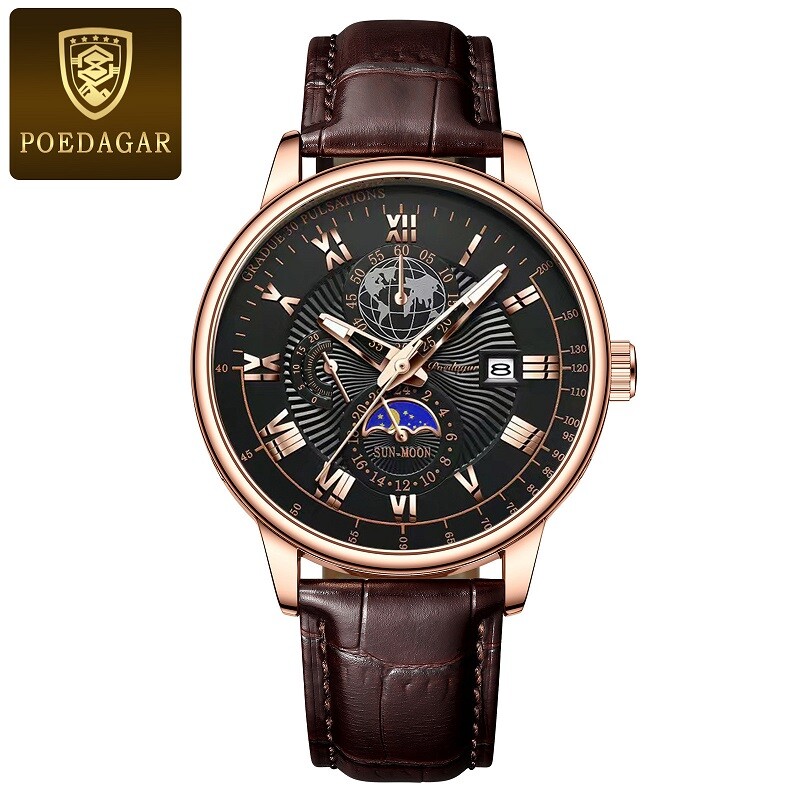 POEDAGAR Leather Luminous Men's Quartz Watch Chronograph Waterproof Wristwatches$20.99Last checked Nov 20, 2026View on eBay
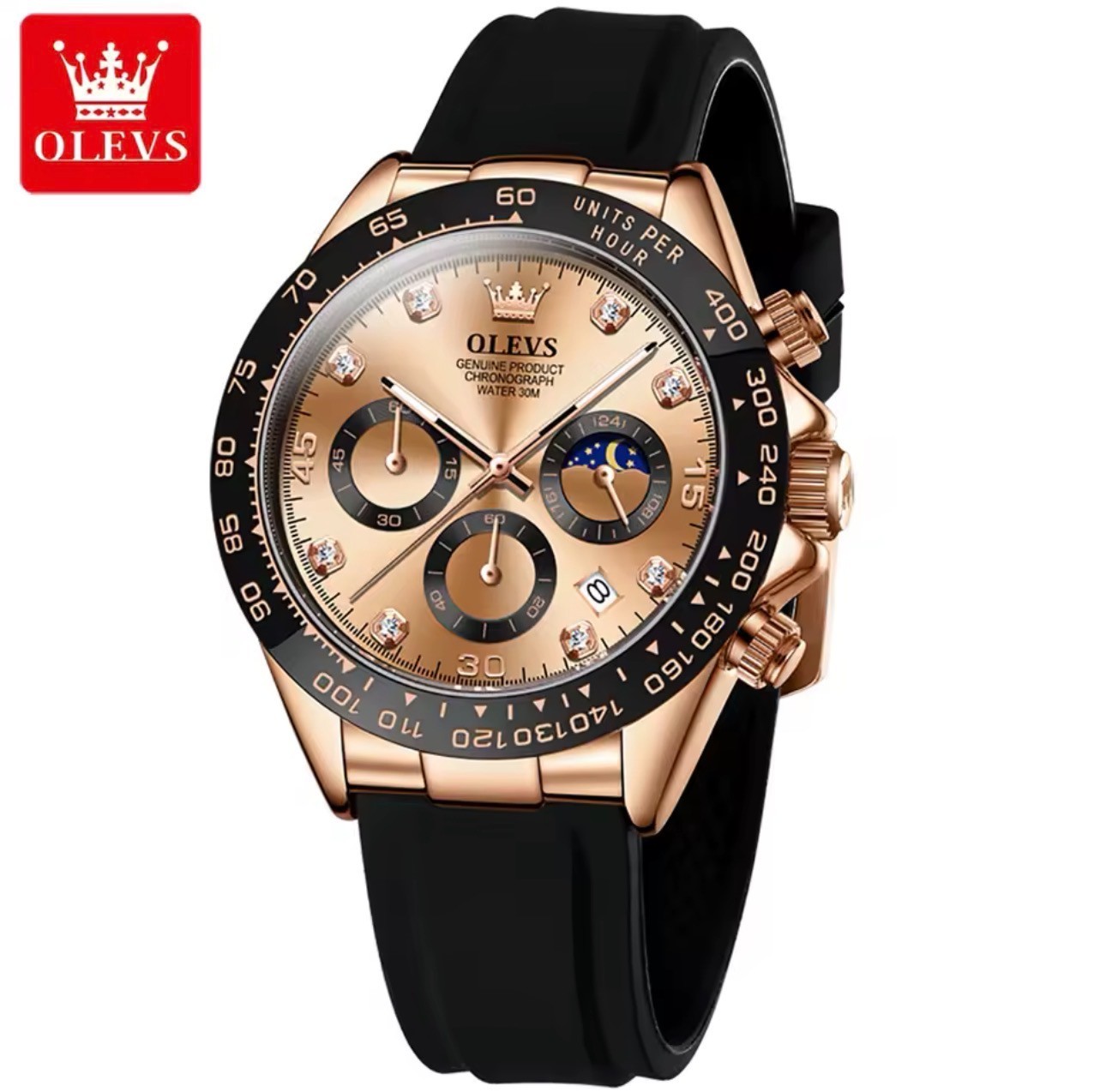 OLEVS Men’s Luxury Quartz Watch Waterproof Luminous Chronograph Date Wristwatch$22.99Last checked Nov 21, 2026View on eBay
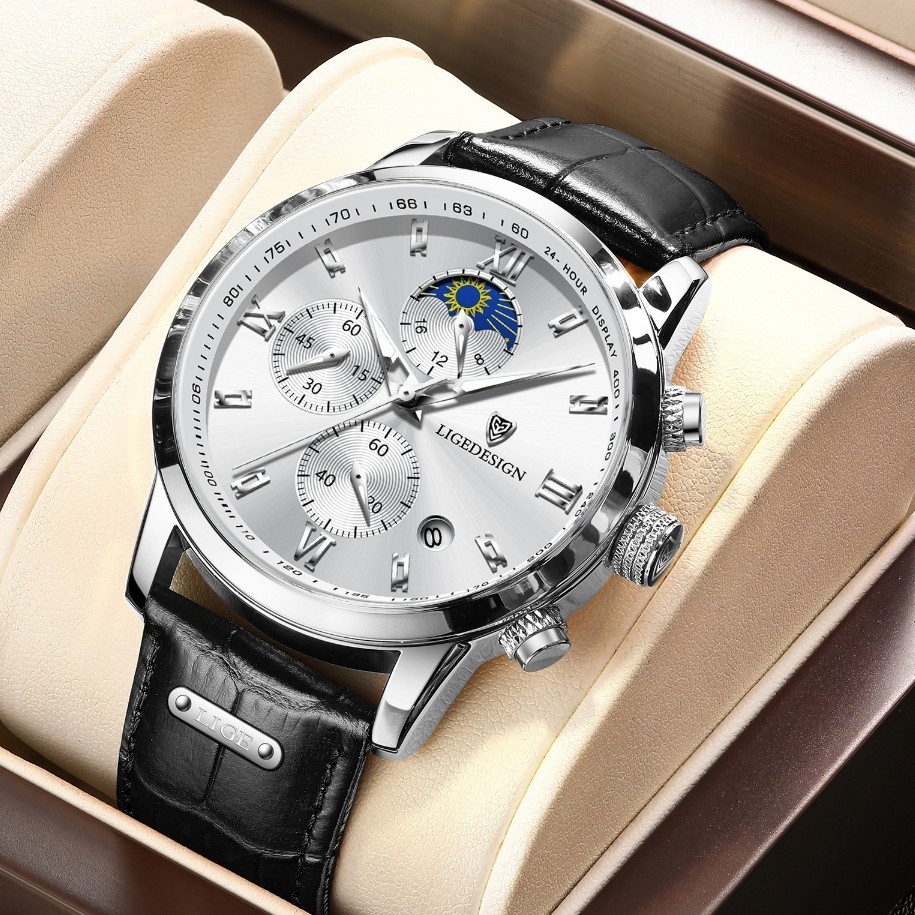 Men's Luxury Watch Quartz Analog Date Chronograph Waterproof Man Wristwatch Gift$25.99Last checked Nov 26, 2026View on eBay
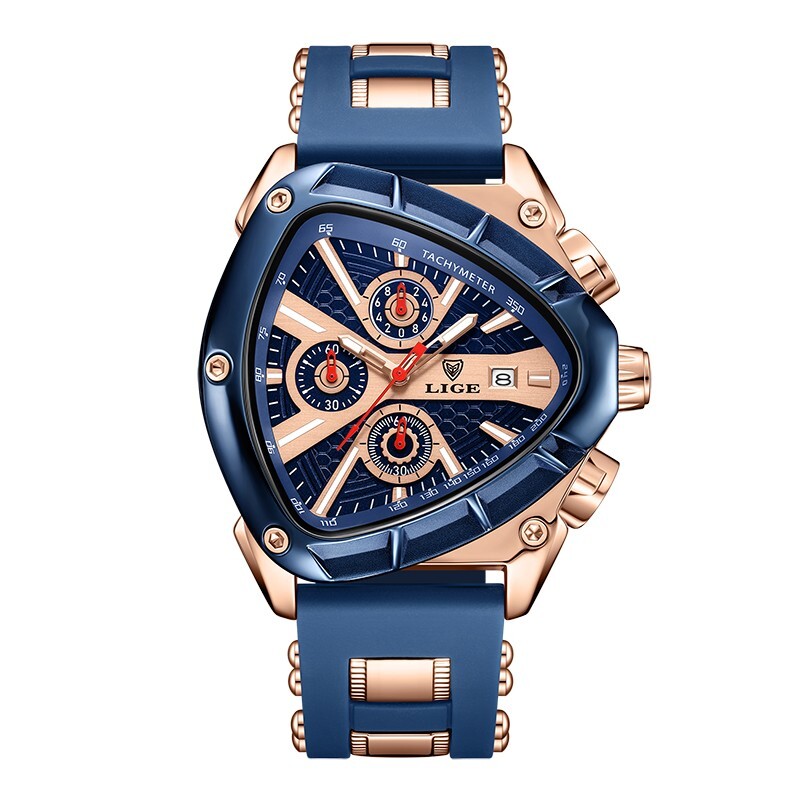 LIGE Men's Watch Quartz Sport Date Chronograph Waterproof Luxury Man Wristwatch$34.44Last checked Nov 21, 2026View on eBay
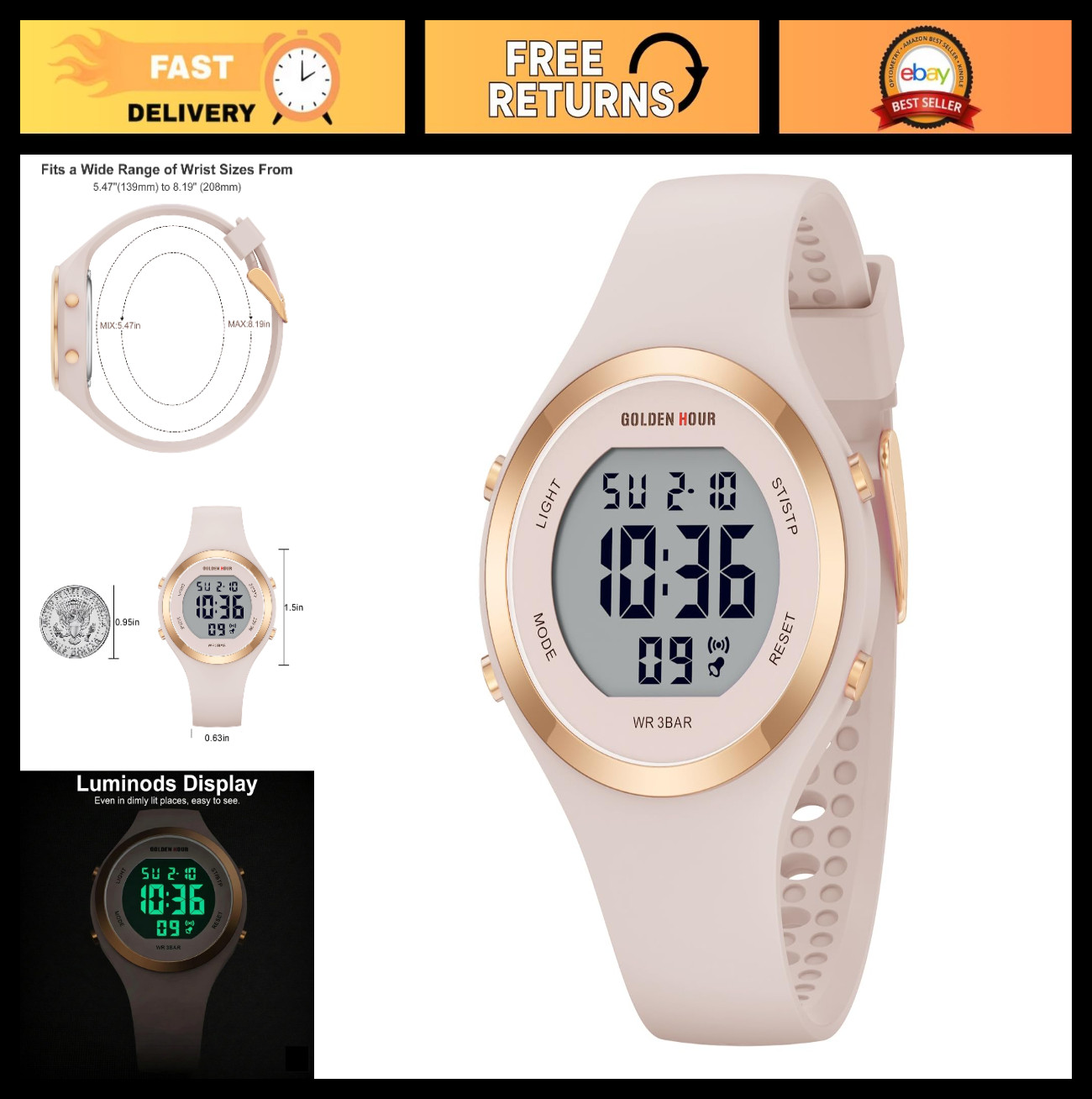 Waterproof Women's Digital Chronograph Sport Watch with Silicone Strap - Stylish$35.99Last checked Nov 23, 2026View on eBay
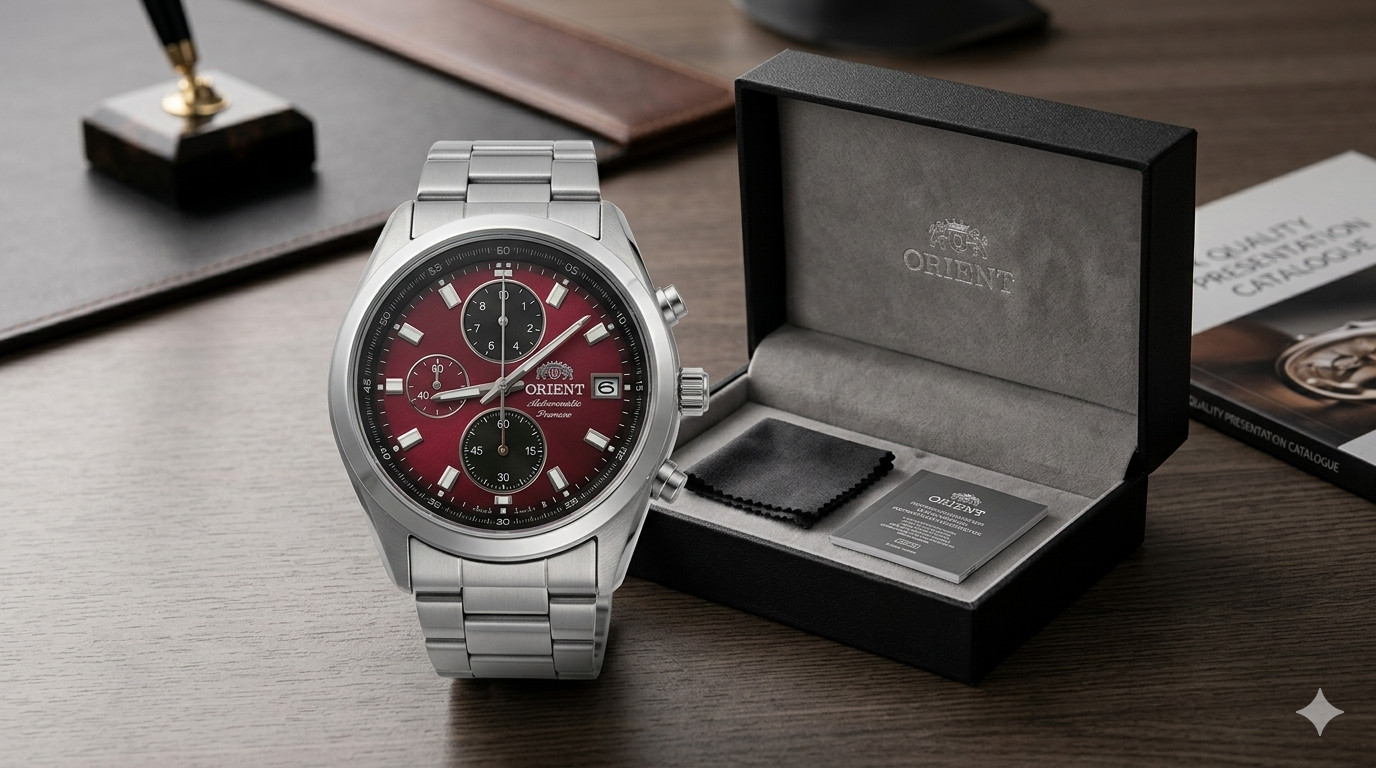 Orient Neo70's Horizon Solar Chronograph Watch Red Dial WV0031TY Stainless Steel$56.00View on eBay
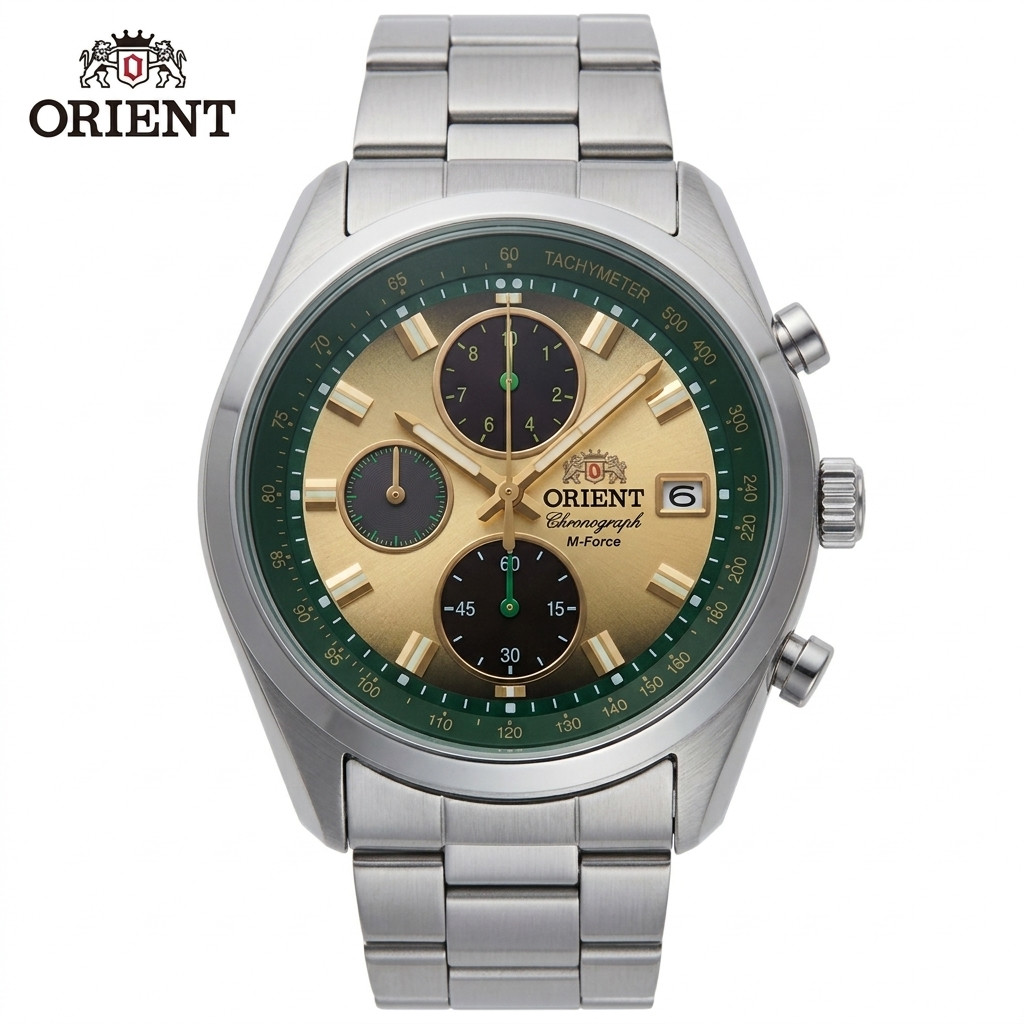 Orient Neo70s Horizon WV0021TY Solar Chronograph Green Gold Men's Watch$60.00View on eBay
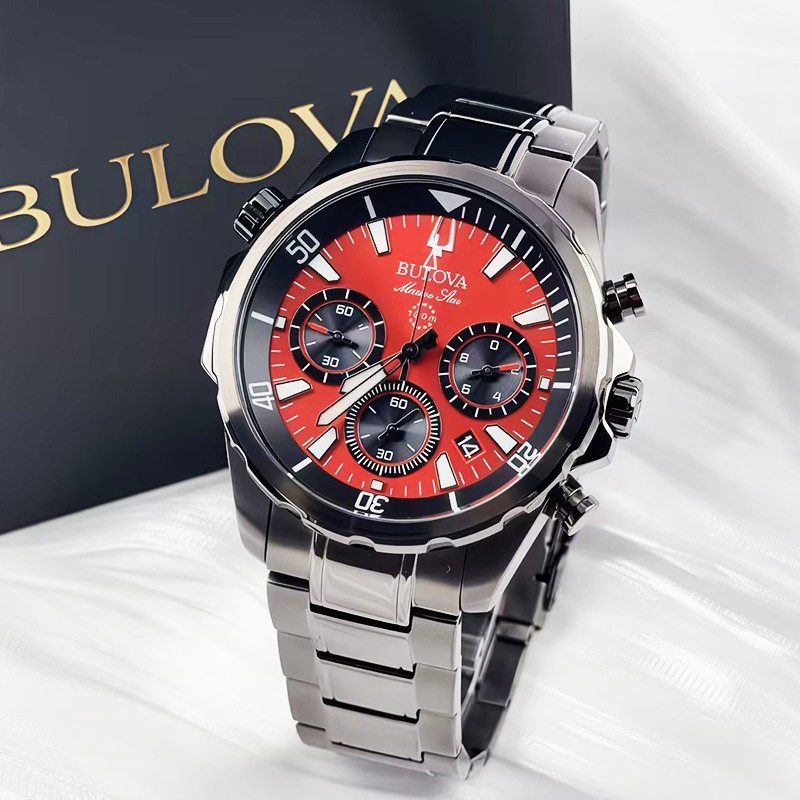 Bulova Marine Star 98B350 Men's Chronograph Quartz Watch Red Dial Stainless 43mm$176.04Last checked Nov 20, 2026View on eBay
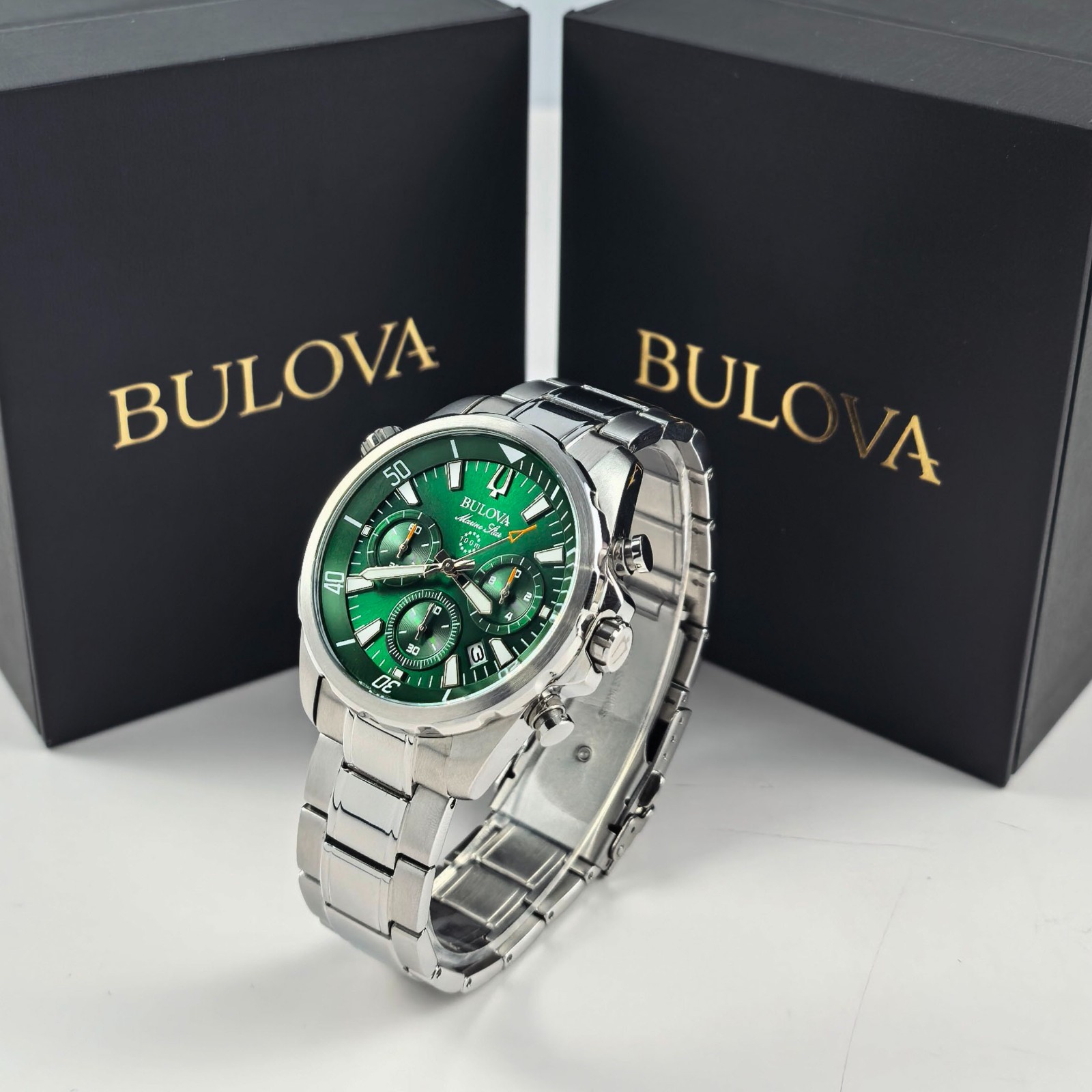 Bulova Classic Marine Star Green Dial Chronograph Men's Quartz Watch 96B396$176.04Last checked Nov 19, 2026View on eBay
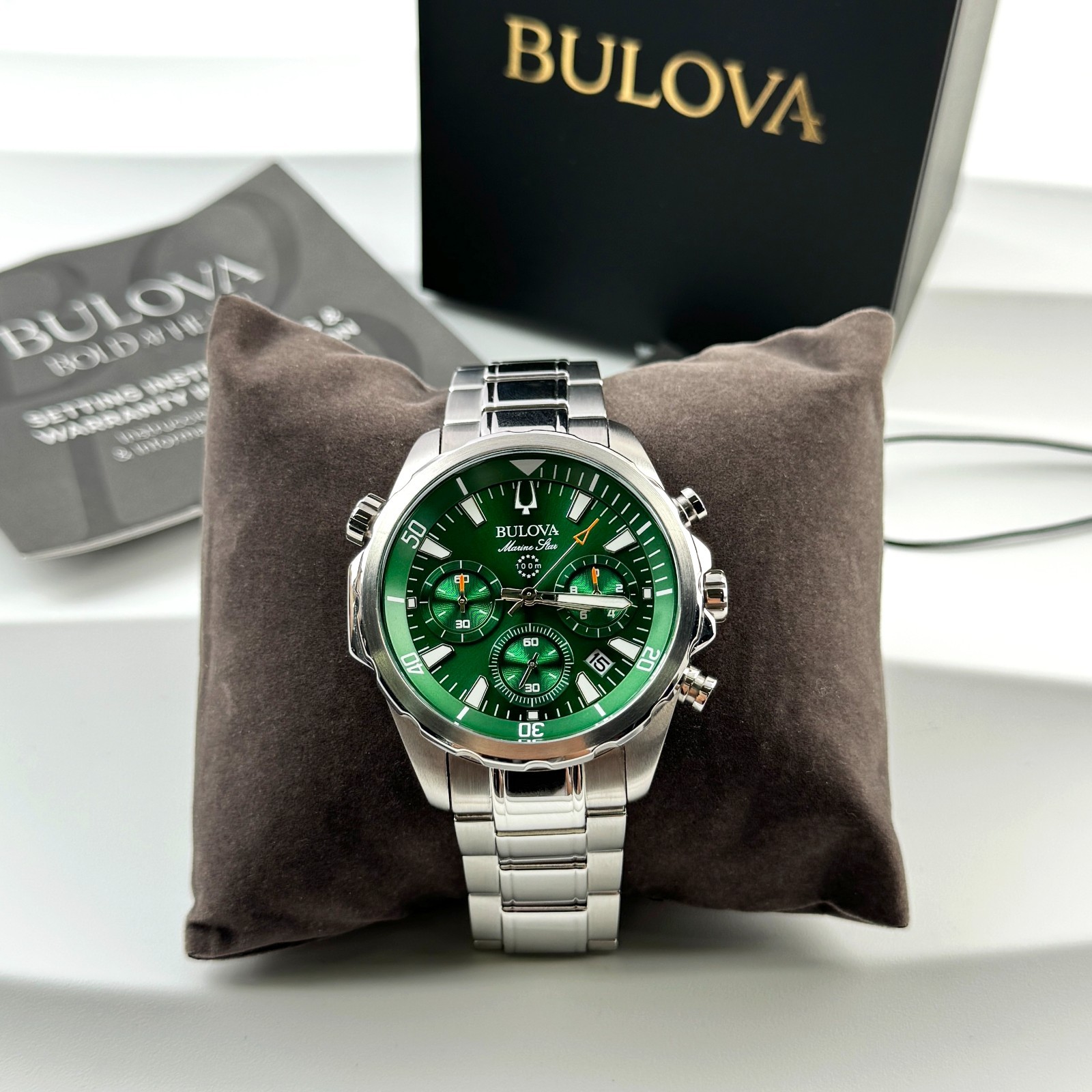 Bulova Men's New 96B396 Marine Star Chronograph Watch Green Dial 43mm$176.58Last checked Nov 21, 2026View on eBay
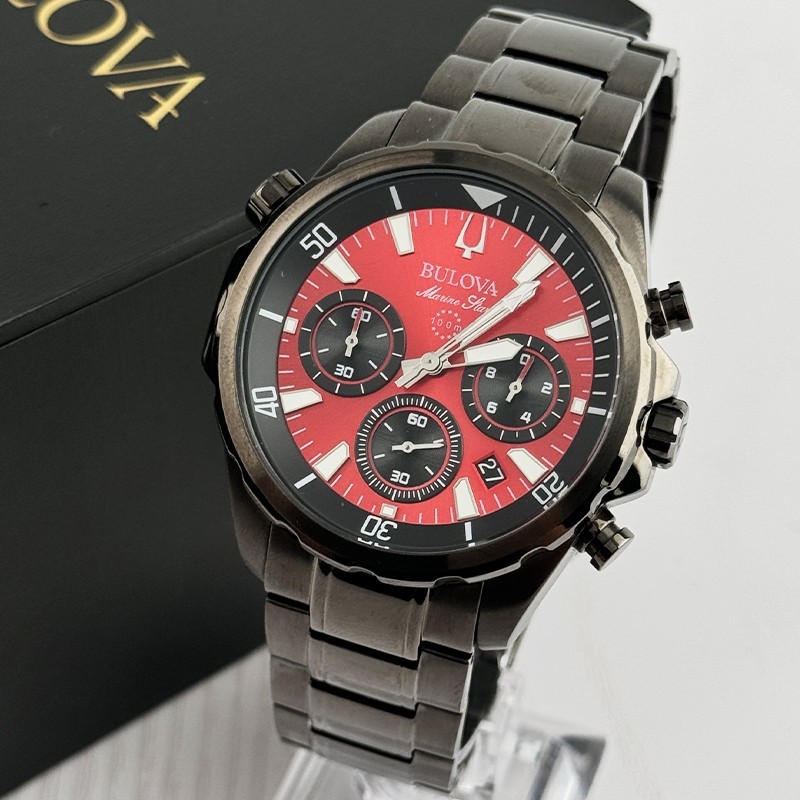 Bulova Marine Star Red Dial Chronograph Men's Quartz Watch 43mm 98B350$178.09Last checked Nov 21, 2026View on eBay
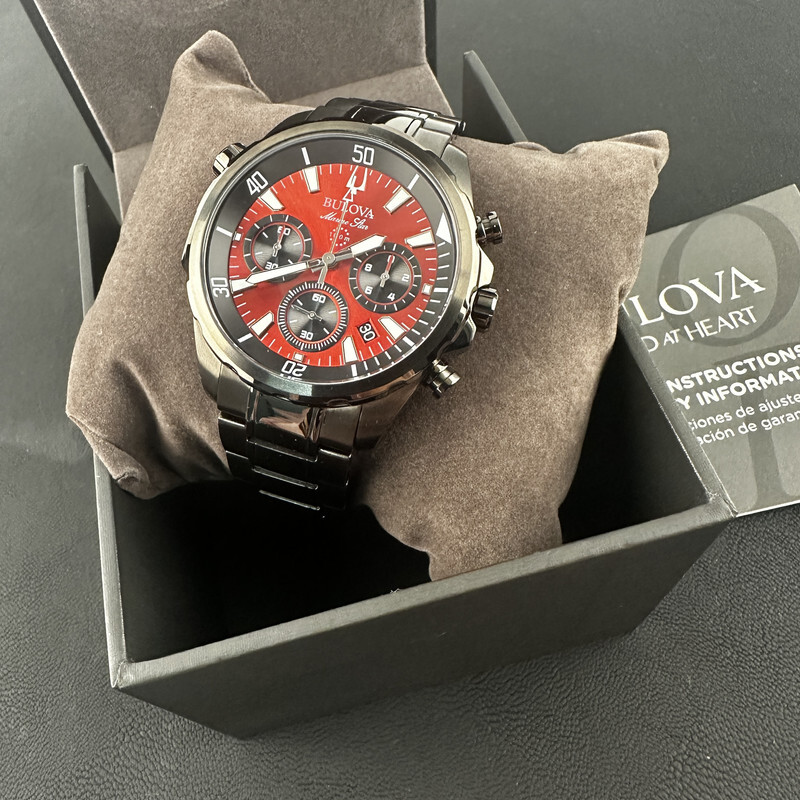 Bulova Marine Star/98B350 Chronograph Red Dial 6S20/Swiss Quartz Watch 43MM$183.00Last checked Nov 20, 2026View on eBay
Highlights
- Quartz chronographs use a battery-powered stepper motor and typically run 2–7 years per cell; solar (Eco-Drive) versions recharge from any light and eliminate battery swaps entirely.
- Mechanical chronographs use either a modular add-on (chrono module stacked on a base movement) or an integrated column-wheel/vertical-clutch caliber — integrated movements give crisper pusher feel and are the more durable design.
- Water resistance ratings are ISO-graded: 3 ATM (splash only), 5 ATM (shower/swim), 10 ATM (snorkel), 20 ATM (diving); pushers on non-screw-down chronographs must never be operated underwater.
- Case and crystal grades matter more than branding: 316L stainless steel resists pitting, sapphire crystal is near-scratch-proof versus mineral glass, and screw-down casebacks and crowns are the minimum for real water resistance.
Best use cases
- Best fit for a daily office/formal chronograph: pick a 38–42 mm stainless steel case, leather or steel bracelet, 5 ATM minimum, and a quartz or solar movement — skip oversized 46 mm+ fashion cases.
- Best fit for sports and swimming: choose 10 ATM or higher with screw-down pushers and crown, sapphire or mineral crystal, and a resin/rubber or steel bracelet — skip leather straps and 3 ATM dress chronographs.
- Best fit for a long-term collector: buy a mechanical automatic chronograph from a brand with documented service intervals and a display caseback — skip no-name automatics with no service network.
- Wrong fit: buying a chronograph purely for the look with an unlisted movement and 3 ATM rating — cosmetic chronographs with glued-on sub-dials fail first at the pushers and crown seals.
Buying tips
- Sizing rule: measure your wrist circumference; a 6.0–6.5 in wrist suits 36–39 mm cases, 6.5–7.25 in suits 40–42 mm, and 7.25 in+ can carry 44–46 mm — anything larger than your wrist width looks oversized and snags cuffs.
- Movement tiering: quartz chronographs are accurate to about ±15–20 seconds/month; solar quartz similar but battery-free; mechanical automatics drift ±10–30 seconds/day and need service every 5–7 years.
- Compatibility: verify lug width (common widths 18, 20, 22 mm) before buying straps, and confirm the strap/bracelet is quick-release if you plan to swap.
- Water resistance: 3 ATM is splash-only; 5 ATM is shower/swim-safe; 10 ATM is snorkel-safe; 20 ATM is dive-rated — never trust an unmarked caseback, and skip any chronograph where the pushers are not screw-down for swimming.
Specs
| Movement | Quartz / Solar / Automatic |
|---|---|
| Water Resistance | 3–20 ATM (5 ATM swim minimum) |
| Case Size | 36–46 mm diameter |
| Crystal | Mineral / Sapphire / Acrylic |
Related searches
What to check before buying
- Measure your wrist circumference and the width across the top of your wrist; match to case diameter (36–39 mm / 40–42 mm / 44–46 mm) before choosing a tier.
- Check the caseback for an explicit ATM or meter rating and confirm the crown and pushers are screw-down if you need water use beyond splashes.
- Confirm lug width in millimeters (18/20/22 mm are standard) so replacement straps and bracelets fit; note whether the bracelet uses quick-release pins.
- For mechanical chronographs, identify the caliber and confirm a service center exists in your region — a movement with no parts support is a dead watch after the first failure.
FAQ
Data sources: eBay / Amazon listings and product attribute feeds. Updated Nov 27, 2026.
Some links on this page are affiliate links. If you buy after clicking one, we may earn a commission at no extra cost to you. This does not change which products appear here or their order. Affiliate disclosure.