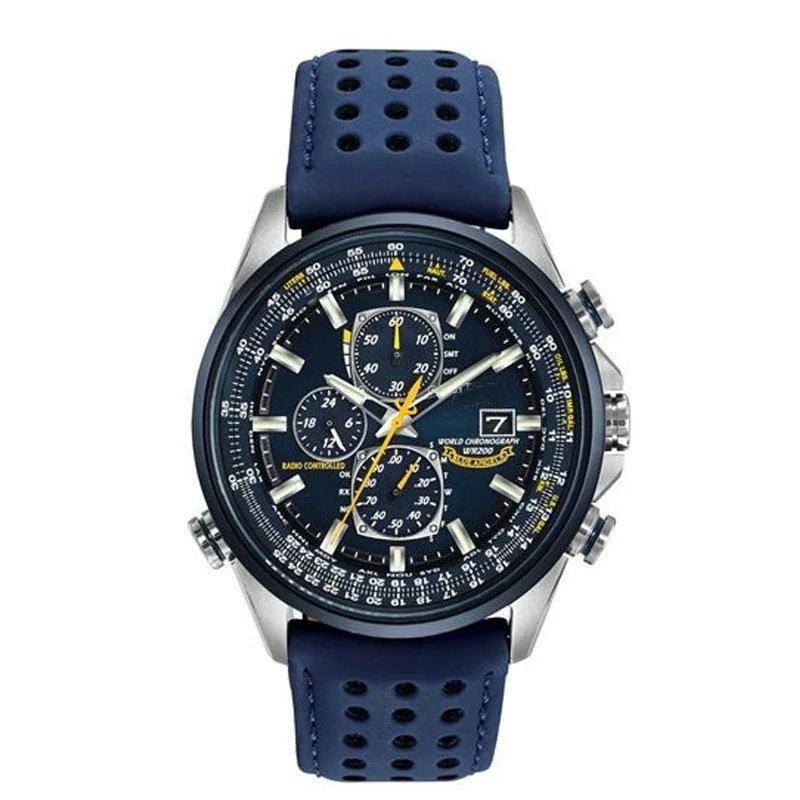

Photos from current listings. Actual item, color, and included accessories may vary.
Pilot Watches Buying Guide
Pilot watches are legibility-first aviation instruments defined by high-contrast dials, oversized crowns, and reliable mechanical or quartz movements. The core trade-off is authentic mechanical heritage versus quartz accuracy and low maintenance. Choose a mechanical hand-wind or automatic with a proven jewel count and stainless case for durability; skip fashion quartz in plated cases if longevity matters.
Median $29.93
Key takeaways
- Mechanical pilot watches use 17–21 jewel hand-wind or automatic movements; jewel count below 17 signals a low-grade movement prone to wear.
- Legibility standards demand matte black dials with white luminescent numerals and broad syringe or sword hands for low-light contrast.
- Case construction: 316L stainless steel with screw-down caseback and 50–100 m water resistance; plated brass or alloy cases corrode and wear through.
At a glance
- Category
- Wristwatches
- Last updated
- Nov 28, 2026
Current offers
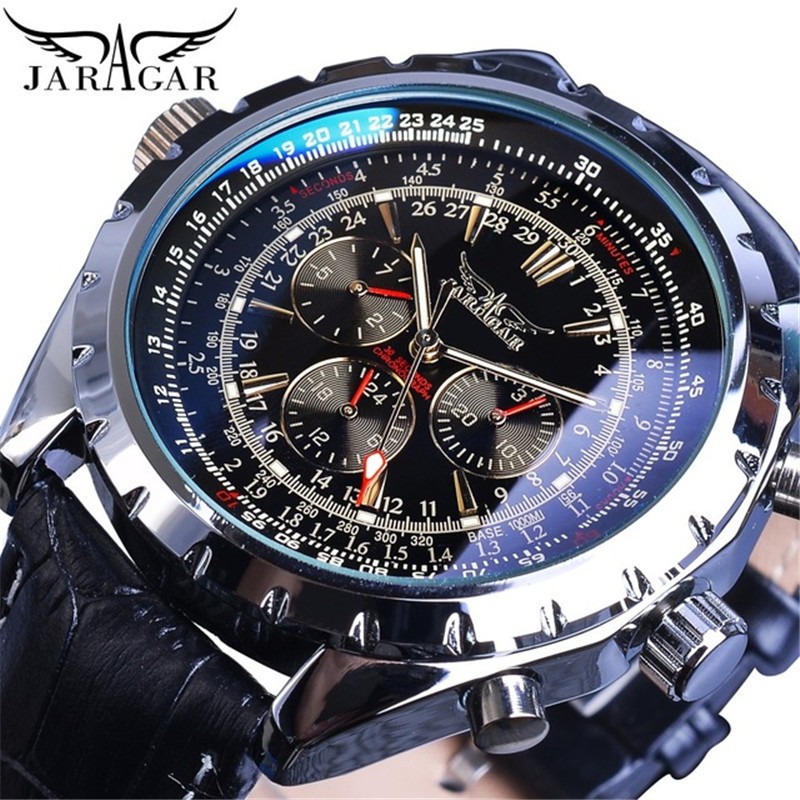
Highlights
- Mechanical pilot watches use 17–21 jewel hand-wind or automatic movements; jewel count below 17 signals a low-grade movement prone to wear.
- Legibility standards demand matte black dials with white luminescent numerals and broad syringe or sword hands for low-light contrast.
- Case construction: 316L stainless steel with screw-down caseback and 50–100 m water resistance; plated brass or alloy cases corrode and wear through.
- Pilot crown size: 7–9 mm onion or diamond crown for gloved operation; undersized 5 mm crowns compromise the defining aviation ergonomic.
Best use cases
- Best for daily aviation-style wear: automatic 38–42 mm stainless steel with date and 50 m+ water resistance; skip 45 mm+ oversized cases if your wrist is under 7 inches.
- Best for vintage or budget mechanical appreciation: 17-jewel hand-wind like HMT Pilot with acrylic crystal; skip if you need shock resistance or sapphire scratch protection.
- Wrong fit: fashion pilot watches with mineral crystal, 30 m water resistance, and alloy cases; these fail as durable instruments and should be skipped for any serious use.
Buying tips
- Case diameter should be 38–42 mm for wrists 6.5–7.5 inches; add 2 mm per half-inch of wrist circumference above 7.5 inches.
- Demand 316L stainless steel case and sapphire or hardlex crystal; mineral crystal scratches and plated alloy cases pit within a year of daily wear.
- Mechanical hand-wind needs 17+ jewels and daily winding; automatic needs 38–42 hour power reserve and hacking seconds for accurate setting.
- Water resistance of 50 m minimum for hand washing and rain; 100 m for swimming; pilot watches below 30 m are splash-only and unsuitable for daily exposure.
Specs
| Movement Type | Mechanical auto / hand-wind / quartz |
|---|---|
| Case Material | 316L stainless / plated alloy |
| Water Resistance | 30 m splash / 50–100 m daily |
| Case Diameter | 38–42 mm standard / 44+ oversize |
Related searches
What to check before buying
- Measure wrist circumference and flat top width; case lug-to-lug must not exceed wrist width by more than 2 mm for comfortable fit.
- Confirm strap lug width (18, 20, or 22 mm) before buying replacement leather or NATO straps; odd sizes limit aftermarket options.
- Check movement service interval: mechanical watches need servicing every 5–7 years; factor this into ownership if buying vintage hand-wind.
- Verify crown operation with gloves if using for actual aviation or outdoor work; onion crowns under 7 mm are difficult to grip.
FAQ
Data sources: eBay / Amazon listings and product attribute feeds. Updated Nov 28, 2026.
Some links on this page are affiliate links. If you buy after clicking one, we may earn a commission at no extra cost to you. This does not change which products appear here or their order. Affiliate disclosure.