
Photos from current listings. Actual item, color, and included accessories may vary.
Quartz Watches Buying Guide
Quartz watches use a battery-powered oscillating crystal to keep time, offering superior accuracy and low maintenance versus mechanical movements. The core trade-off is between ultra-low-cost disposable modules and serviceable, higher-torque movements paired with durable cases and proper water resistance. Buy a quartz watch when you want set-and-forget timekeeping; demand at least 3 ATM water resistance and a stainless steel case for daily durability, and skip anything labeled only 'waterproof' with no ATM rating.
Median $55.00
Key takeaways
- Quartz accuracy is typically ±15 seconds per month, far better than mechanical's ±15 seconds per day; battery life ranges from 2 years on basic modules to 10 years on high-capacity lithium cells.
- Water resistance is rated in ATM: 3 ATM handles splashes, 5 ATM is pool-safe, 10 ATM supports swimming, and 20 ATM is for diving; 'waterproof' without an ATM number is not a real rating.
- Case material drives longevity: 316L stainless steel resists corrosion and scratches, while plated brass or plastic cases wear through and pit; mineral glass is standard, sapphire is scratch-proof.
At a glance
- Category
- Wristwatches
- Last updated
- Nov 27, 2026
Current offers
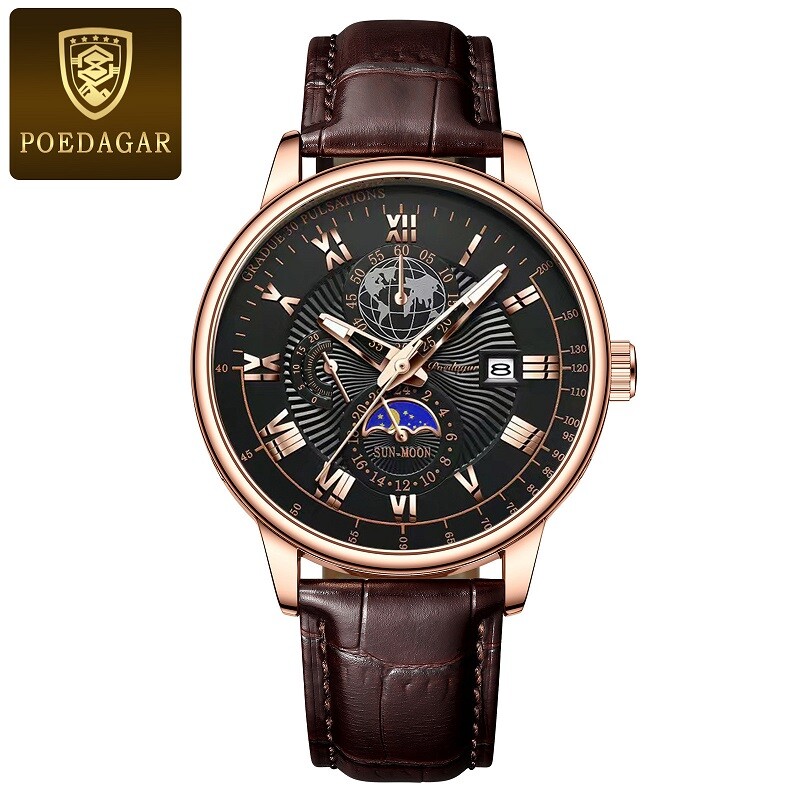 POEDAGAR Leather Luminous Men's Quartz Watch Chronograph Waterproof Wristwatches$20.99Last checked Nov 20, 2026View on eBay
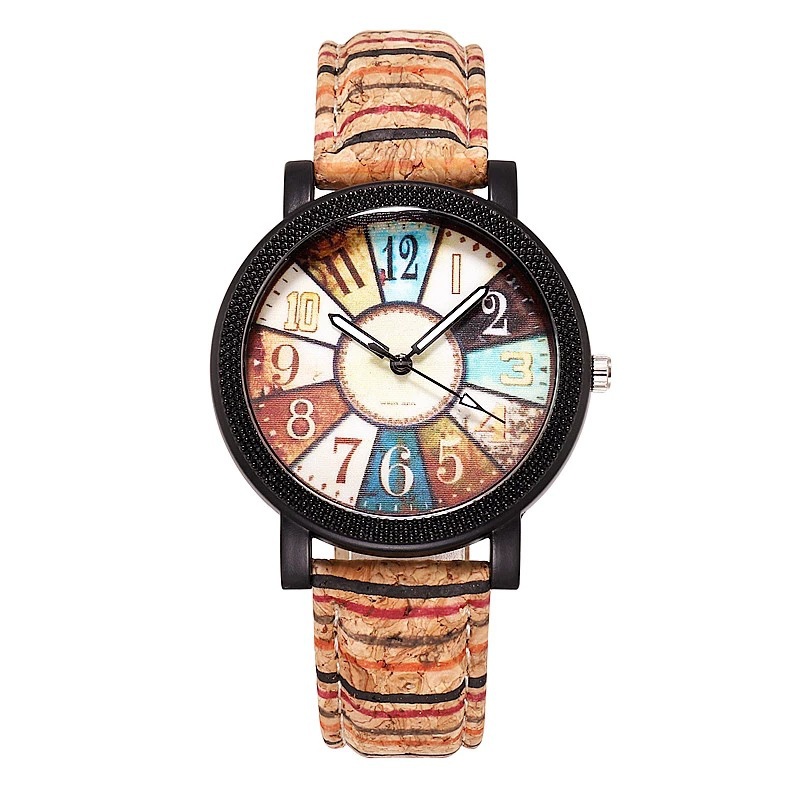 Casual Vintage Leather Women Quartz Wrist Watch Gift Clock$10.99View on Mallflare
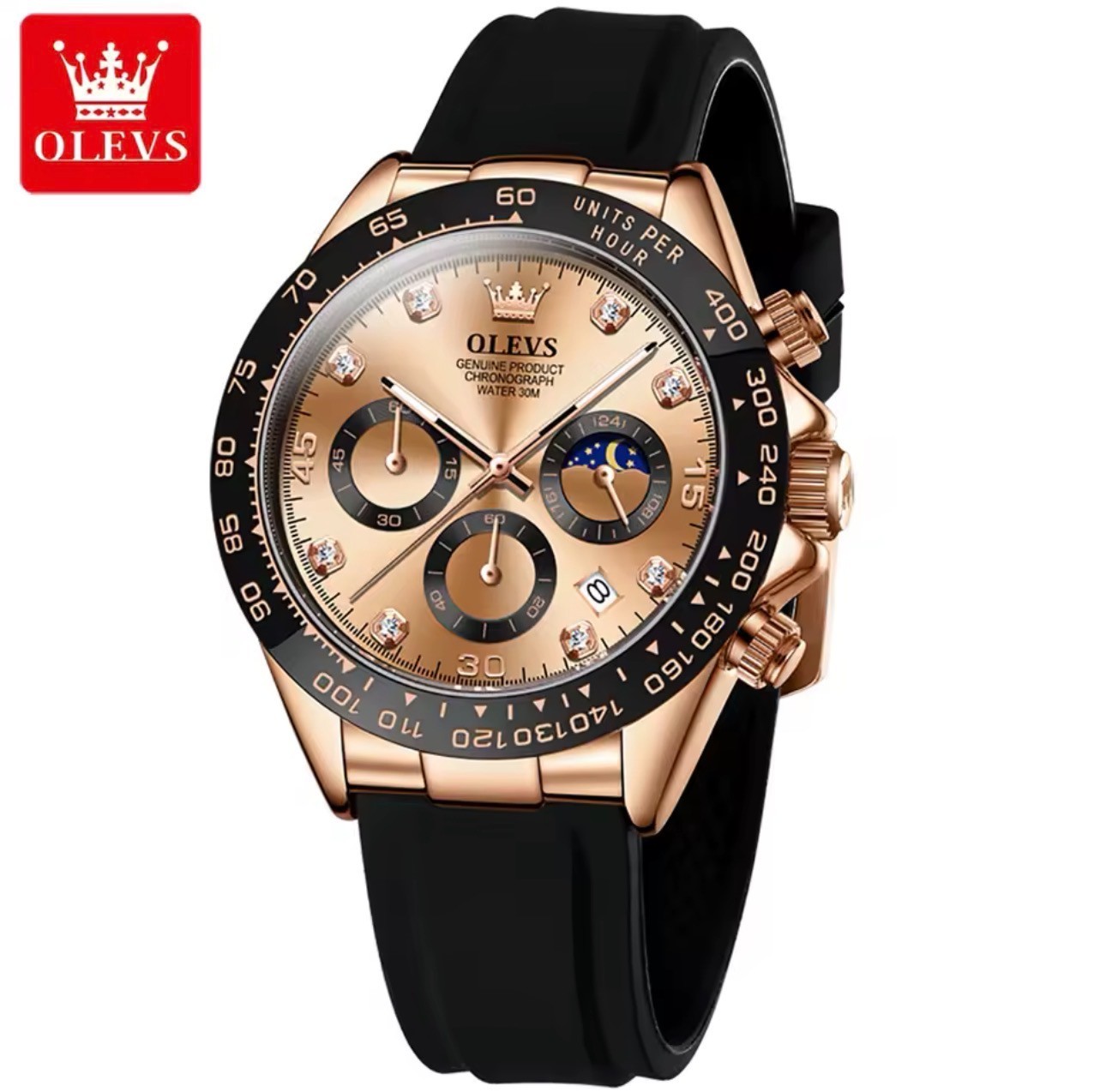 OLEVS Men’s Luxury Quartz Watch Waterproof Luminous Chronograph Date Wristwatch$22.99Last checked Nov 21, 2026View on eBay
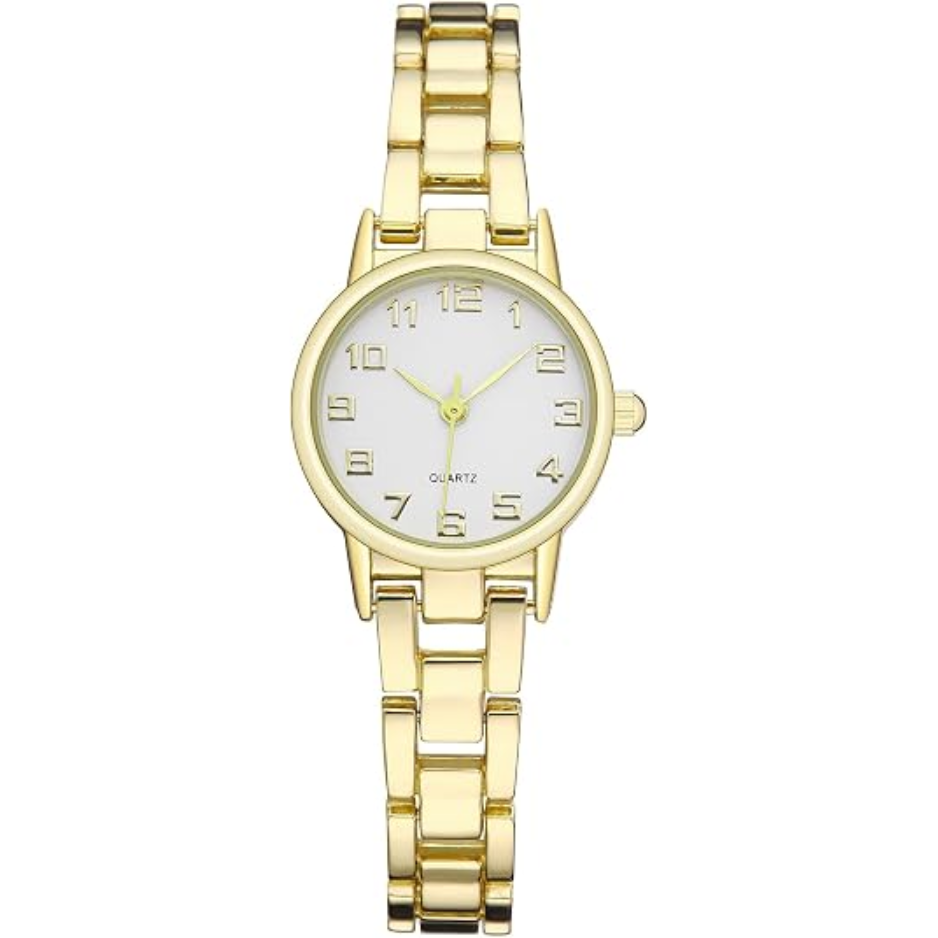 Women's Waterproof Analog Quartz Watch, Small Thin Dainty Bracelet$78.99View on Mallflare
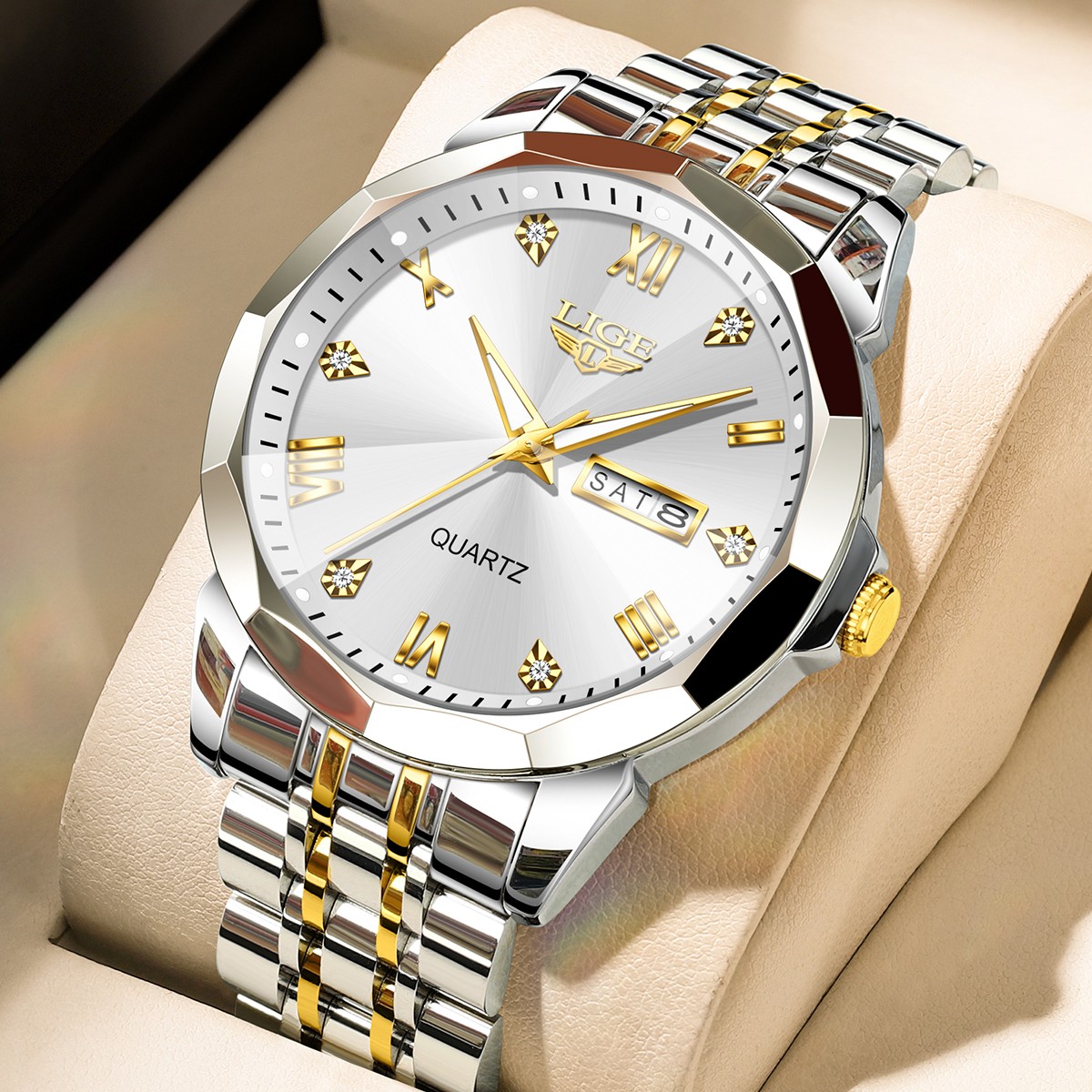 Men Women Ladies Watch Quartz Analog Date Luminous Stainless Steel Wristwatch$23.56Last checked Nov 26, 2026View on eBay
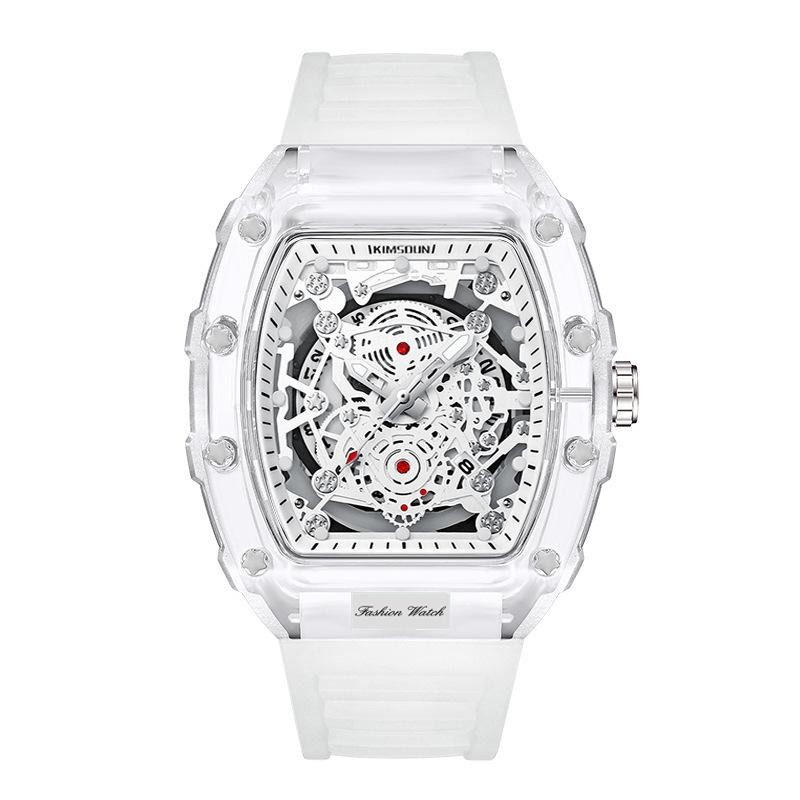 KIMSDUN Transparent Men's Watch Quartz Wristwatch Luminous Waterproof watch$24.23Last checked Nov 19, 2026View on eBay
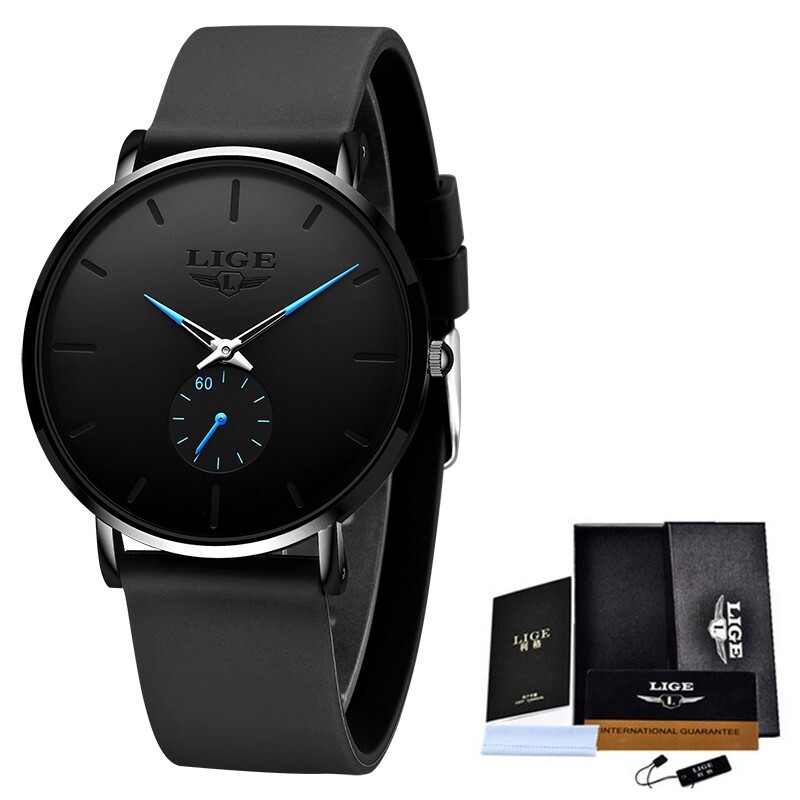 LIGE Men's Watch Ultra-thin Stainless Steel Quartz Waterproof Luxury Wristwatch$24.94Last checked Nov 26, 2026View on eBay
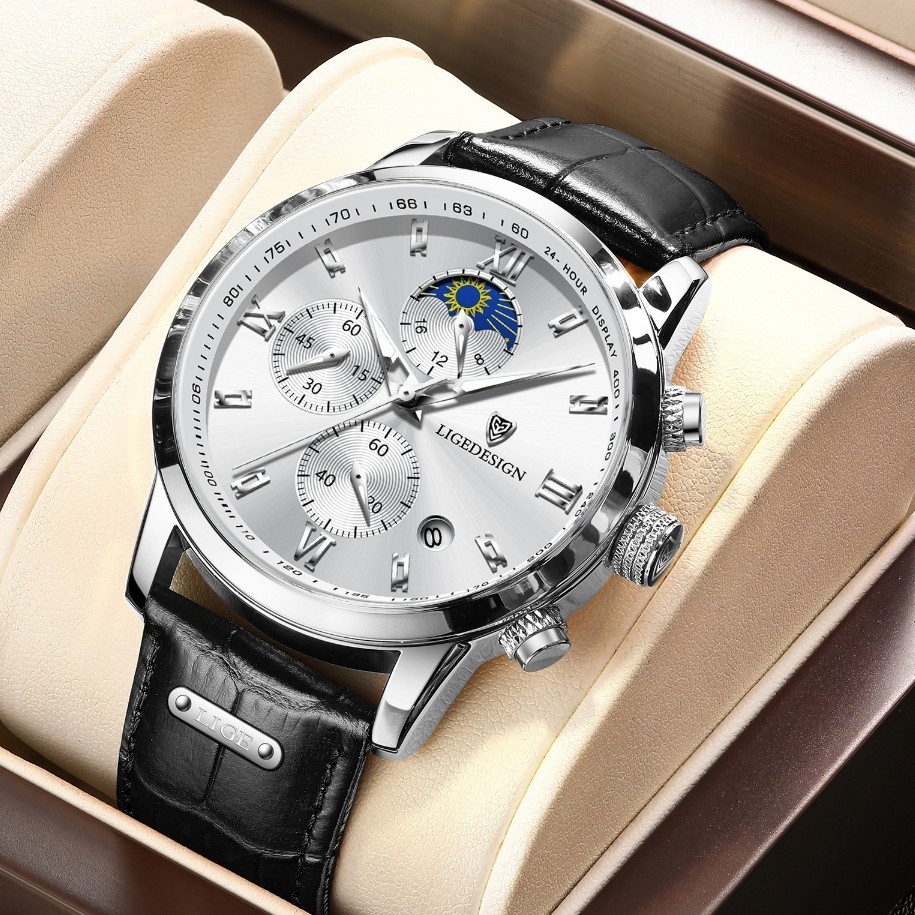 Men's Luxury Watch Quartz Analog Date Chronograph Waterproof Man Wristwatch Gift$25.99Last checked Nov 26, 2026View on eBay
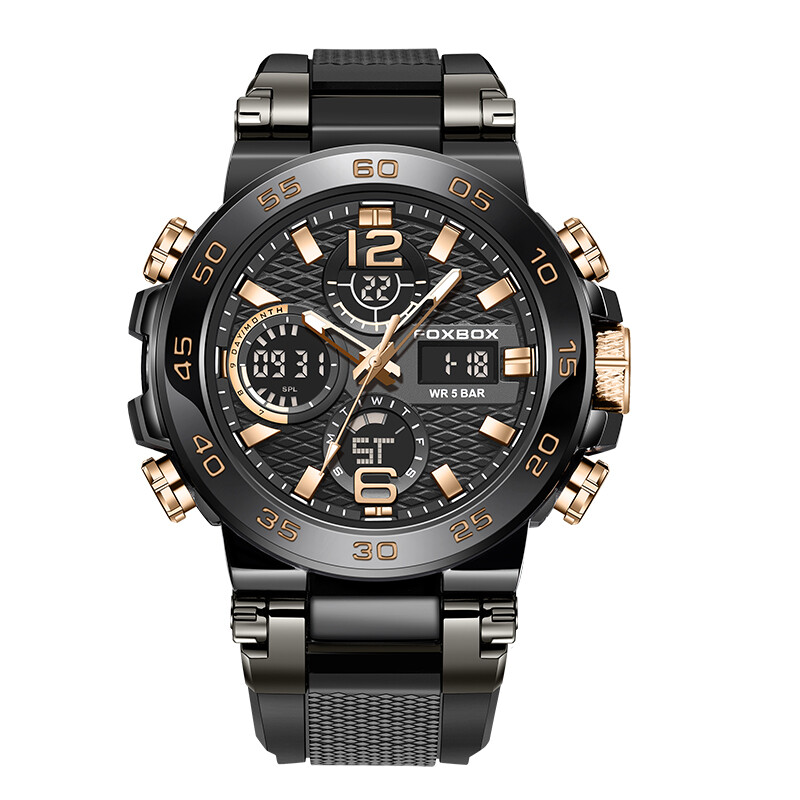 Luxury Men Watch Quartz Diver Sports Digital Analog 5ATM Waterproof Wristwatch$26.21Last checked Nov 25, 2026View on eBay
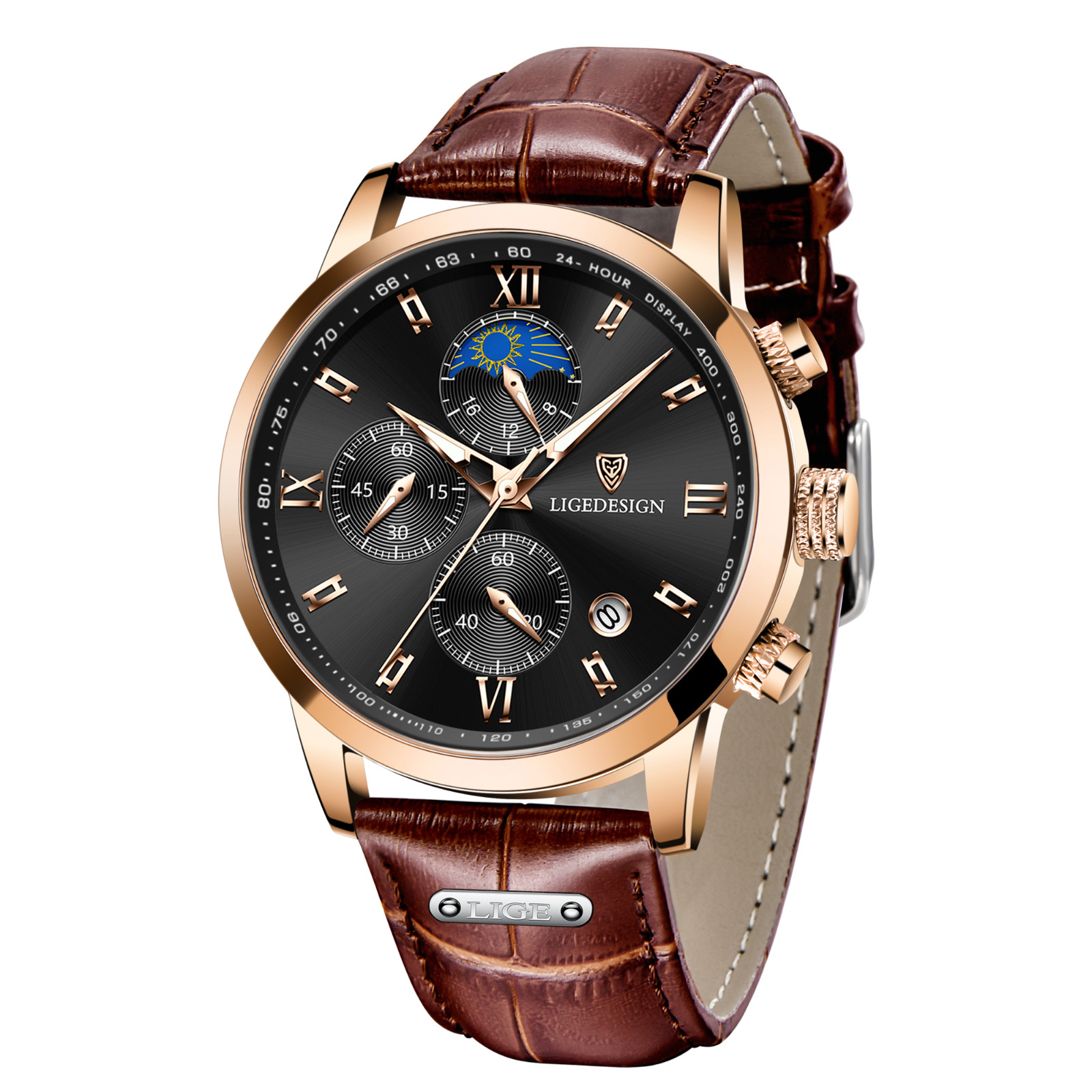 Men's Watches Quartz Luminous Date Dial Waterproof Leather Business Wristwatch$26.85Last checked Nov 19, 2026View on eBay
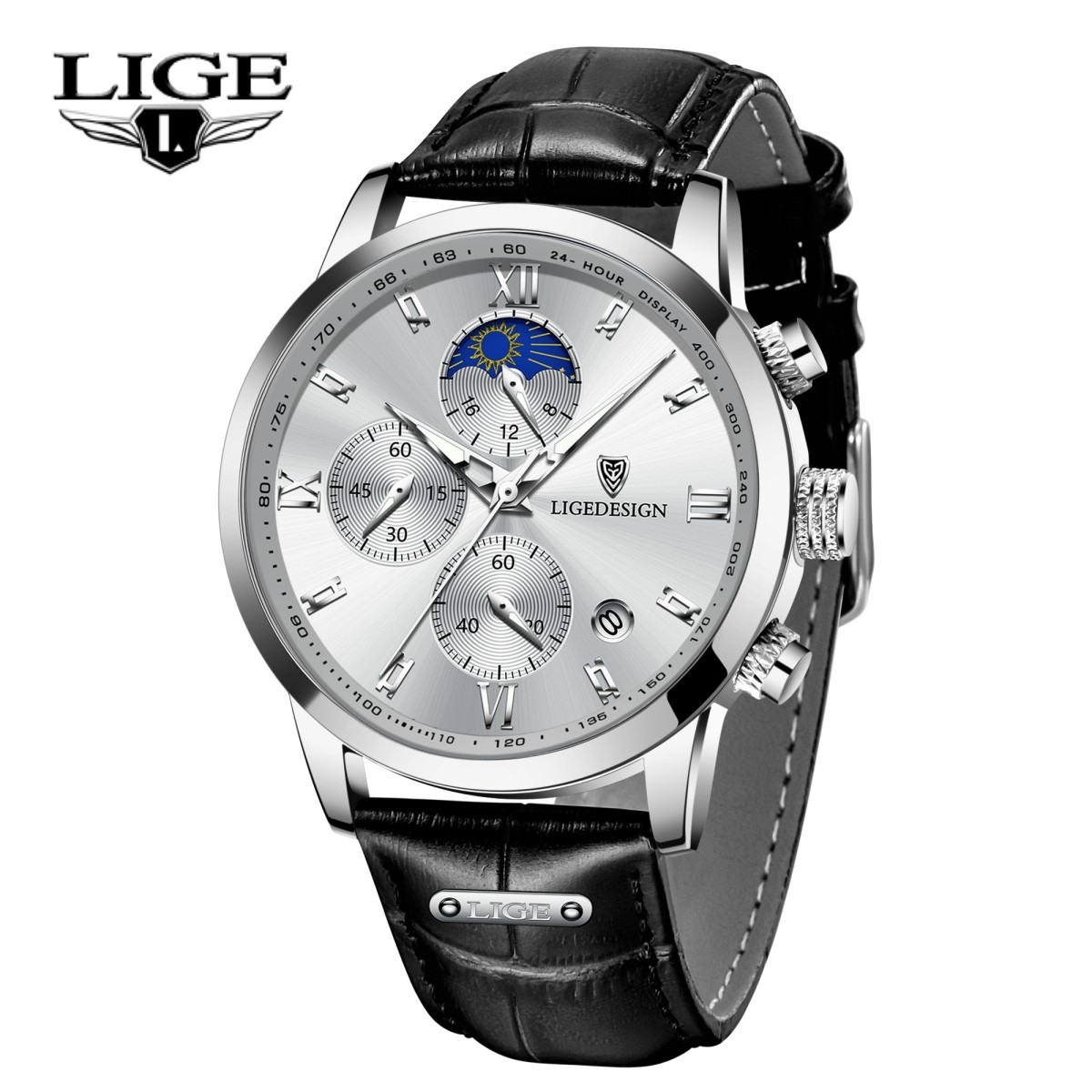 Men's Fashion Quartz Watch Leather Band Luminous Date Waterproof Male Wristwatch$26.89Last checked Nov 24, 2026View on eBay
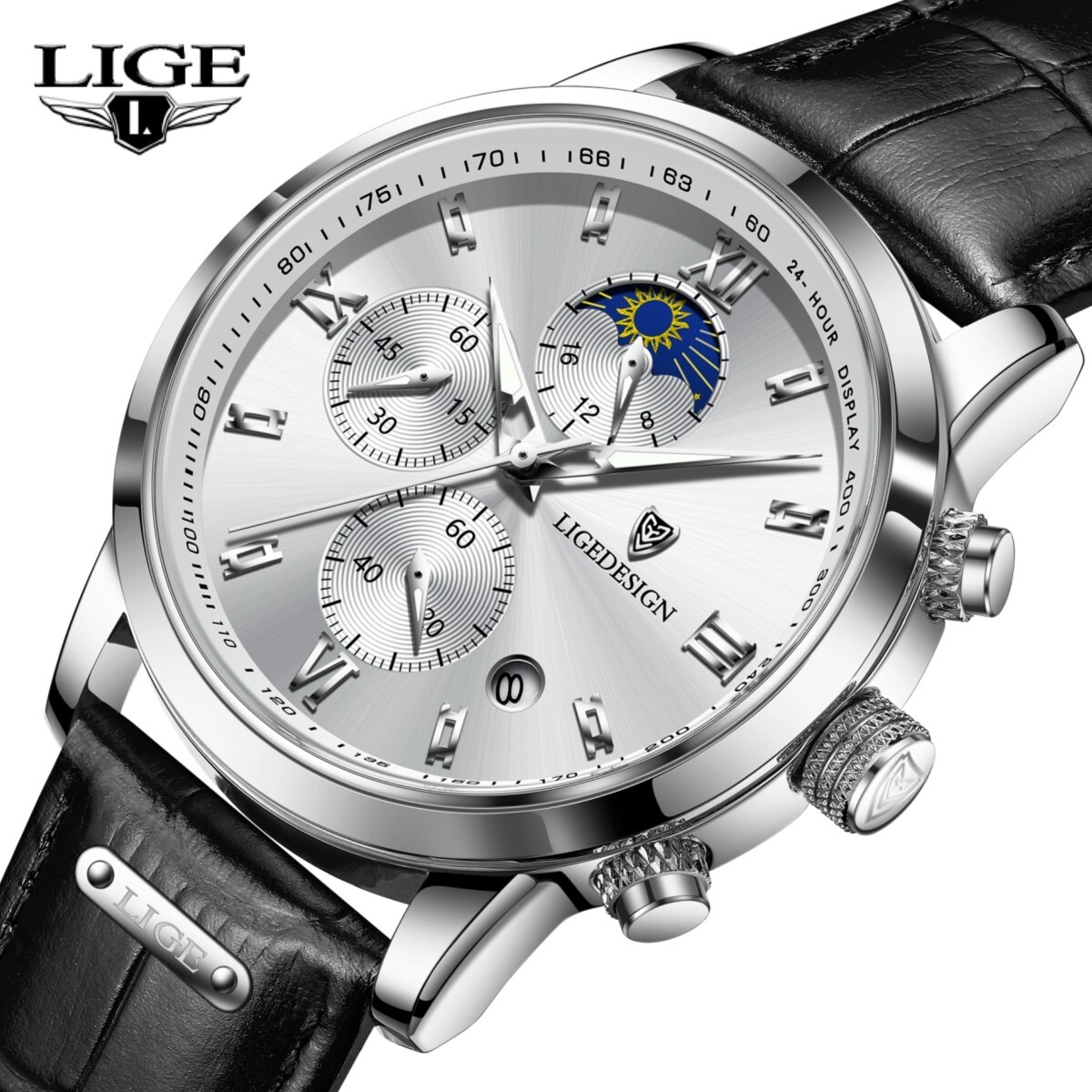 Mens Watch Business Leather Waterproof Quartz Wristwatch Luminous With Calendar$27.25Last checked Nov 21, 2026View on eBay
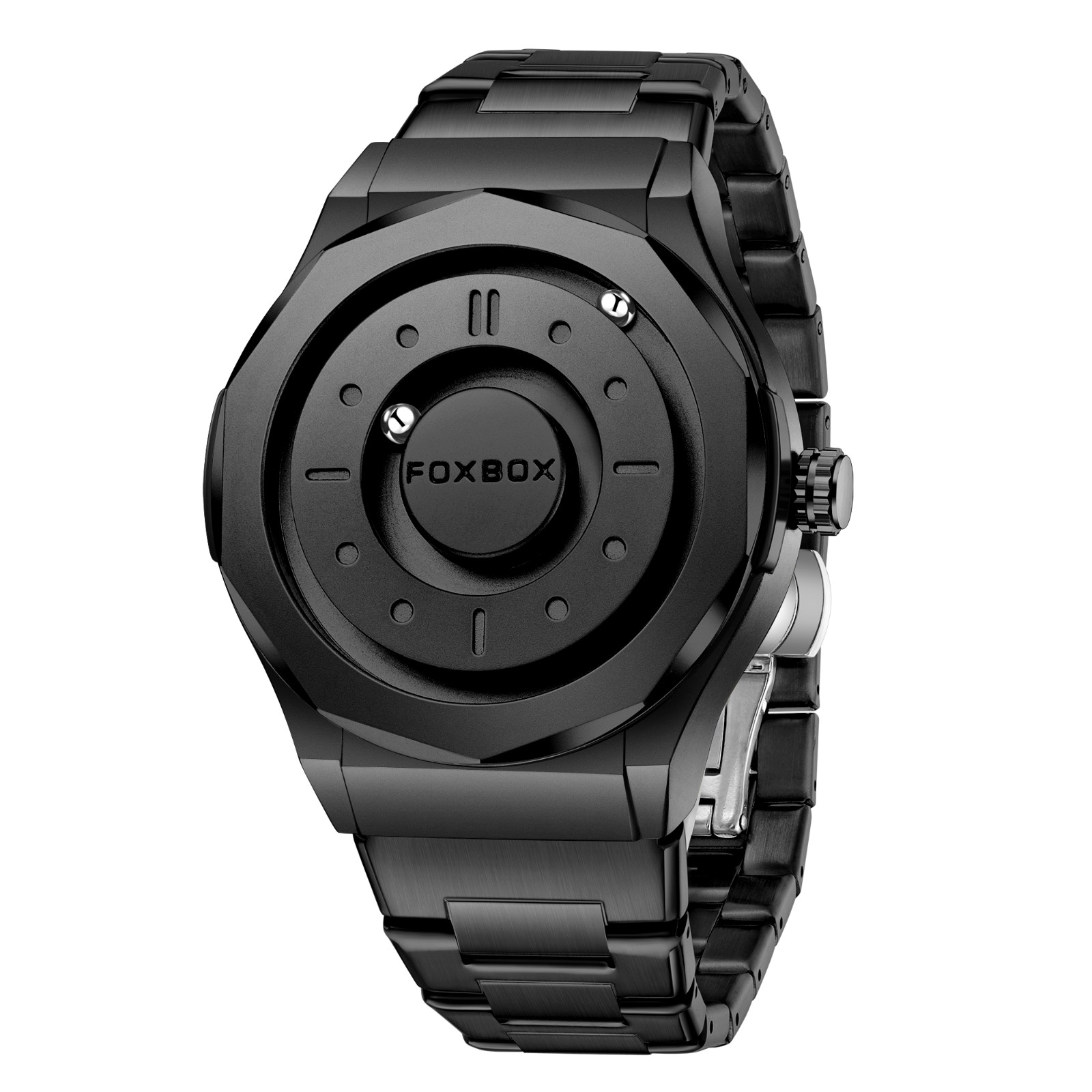 LIGE FOXBOX Men Watch Quartz Scrolling Bead Magne 3ATM Waterproof Man Wristwatch$28.19Last checked Nov 23, 2026View on eBay
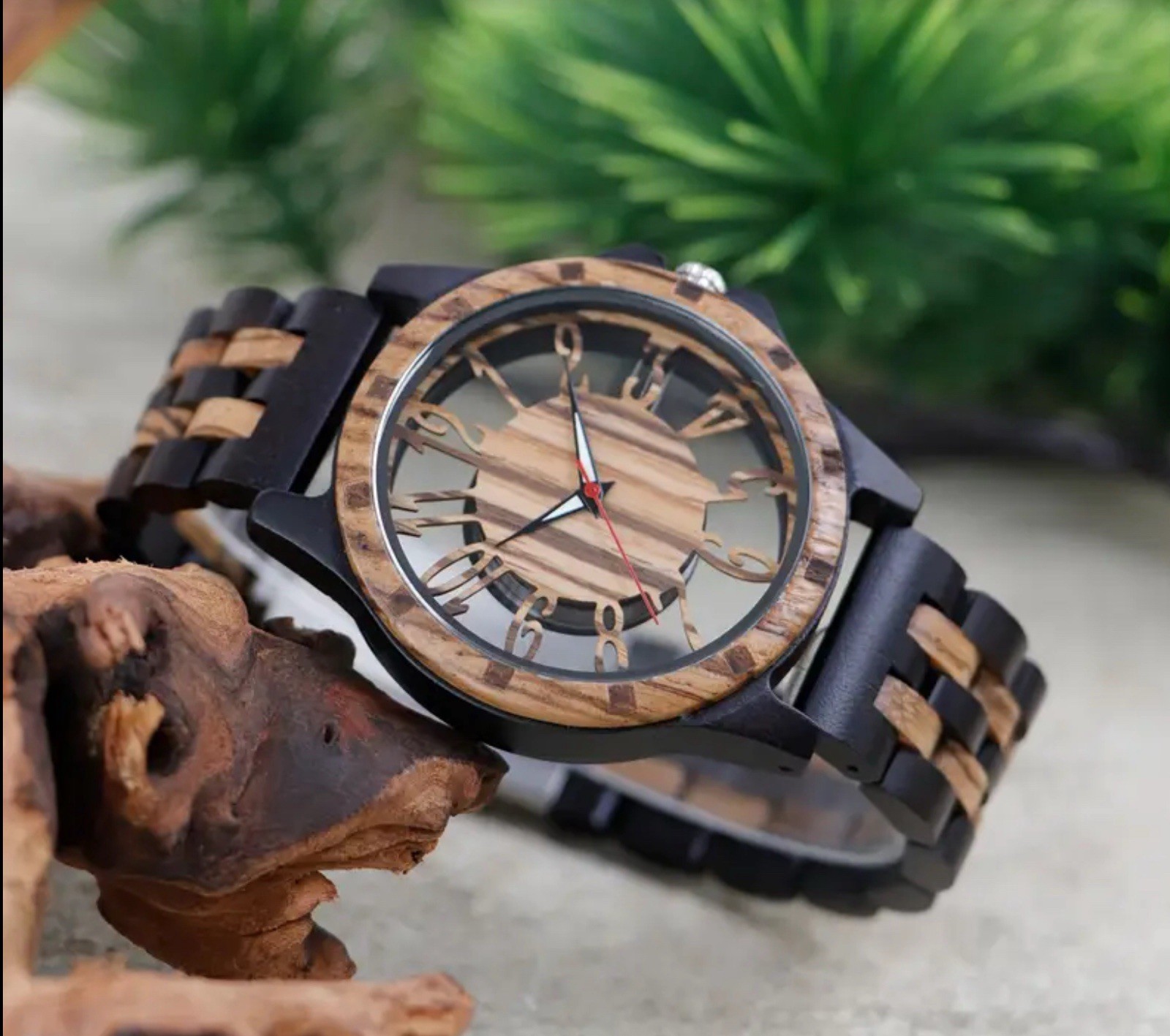 Men’s Hollow See Thru Quartz Wooden Watch. U.S. Inventory.$29.00Last checked Nov 25, 2026View on eBay
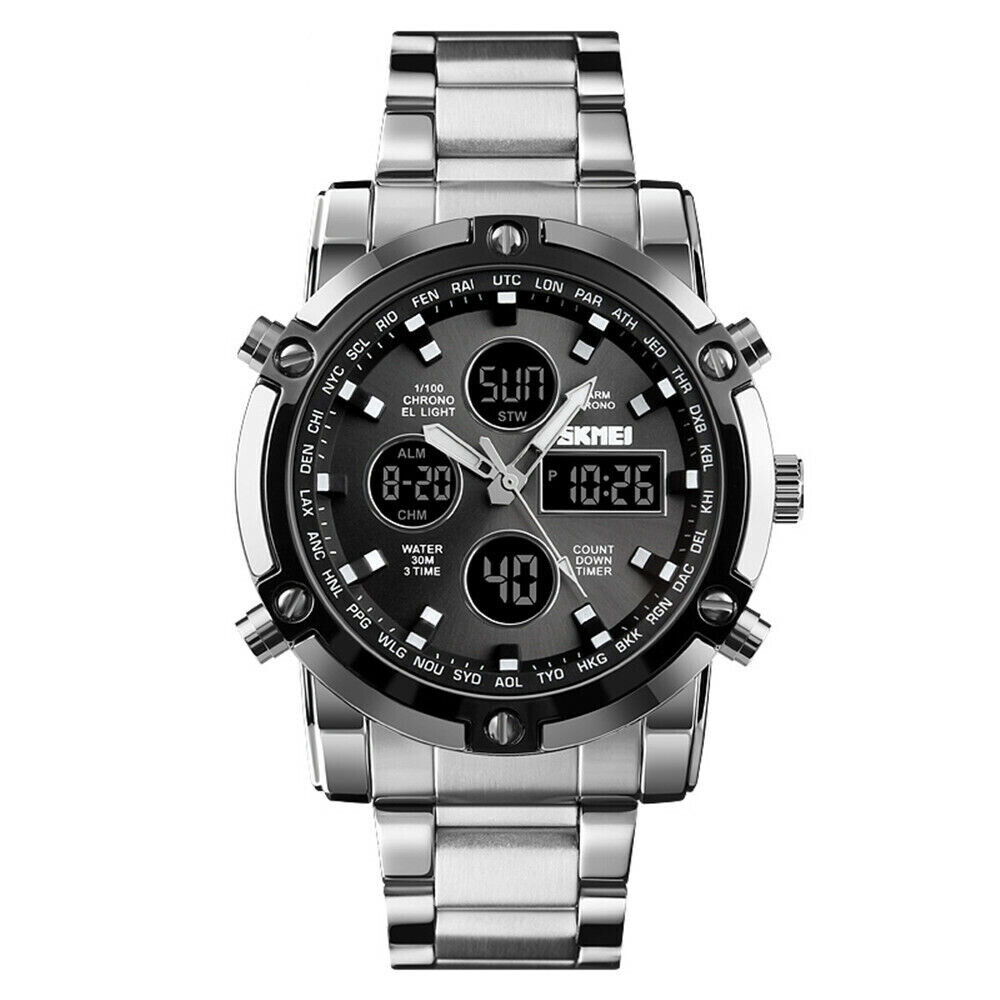 Men Quartz Watch Luxury Sport Watch LED Digital Wristwatch Male Business Watches$29.99Last checked Nov 26, 2026View on eBay
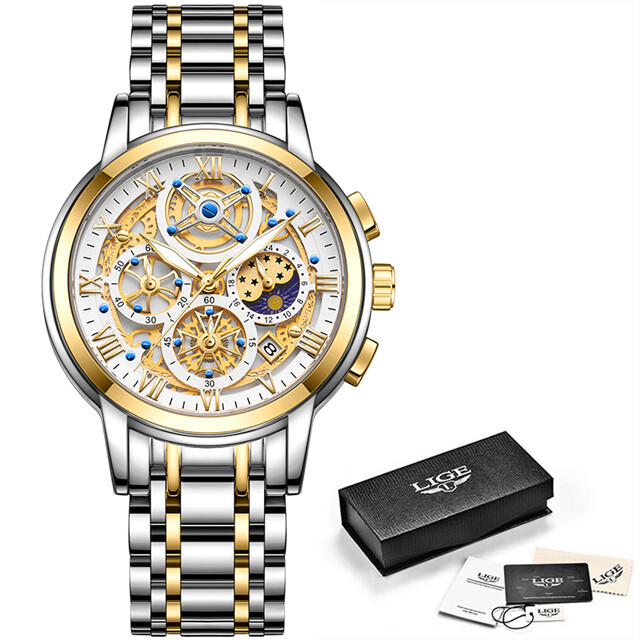 Classic Men Watch Stainless Steel Quartz Luminous Wristwatch Business Waterproof$32.10Last checked Nov 24, 2026View on eBay
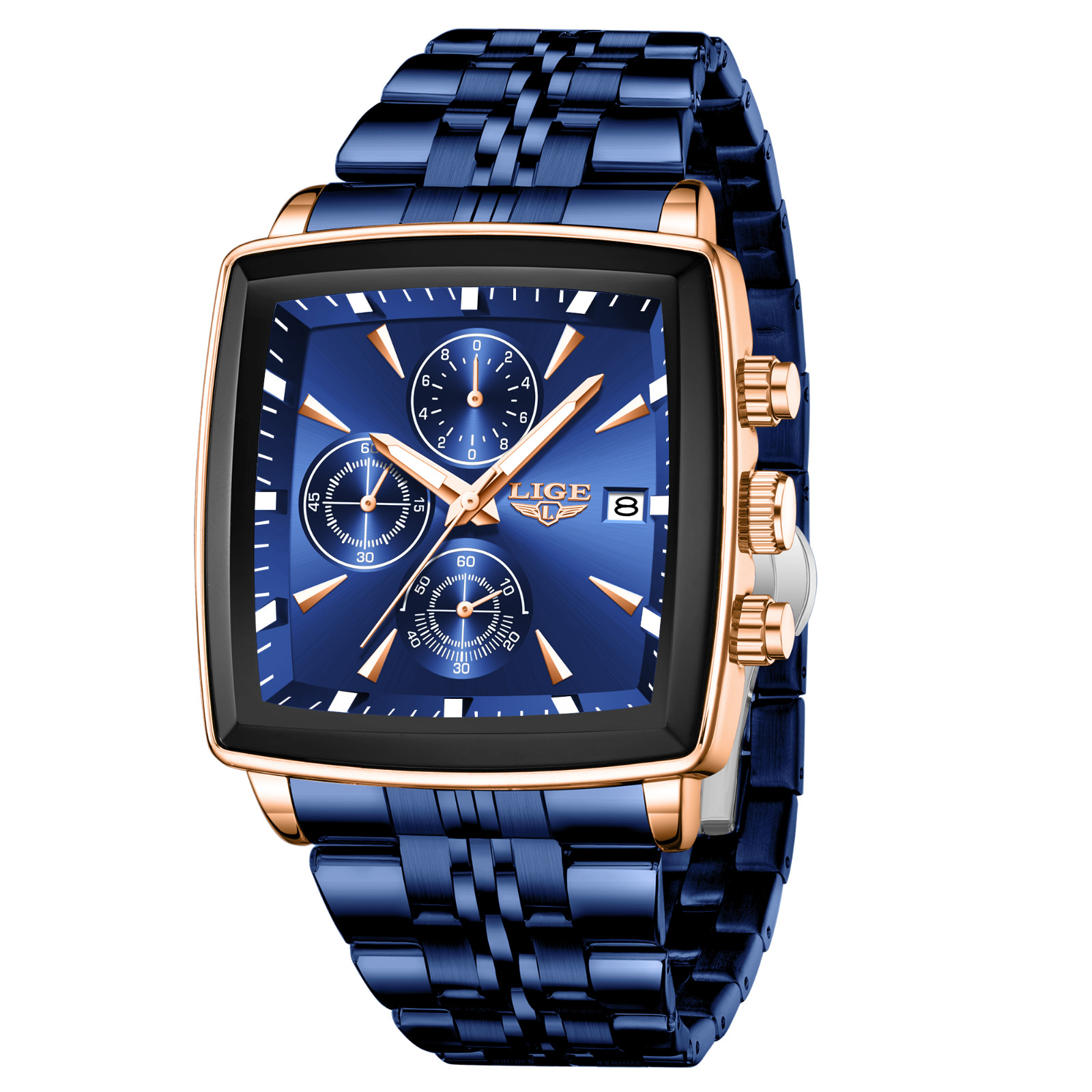 Men's Business Watch Stainless Steel Quartz Date Luminous Waterproof Wristwatch$32.39Last checked Nov 25, 2026View on eBay
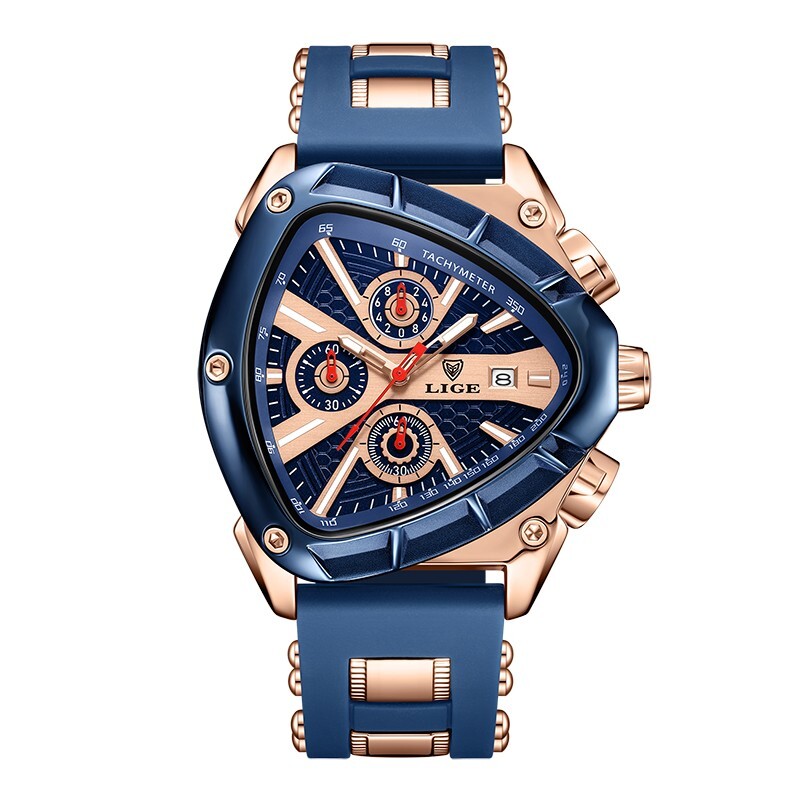 LIGE Men's Watch Quartz Sport Date Chronograph Waterproof Luxury Man Wristwatch$34.44Last checked Nov 21, 2026View on eBay
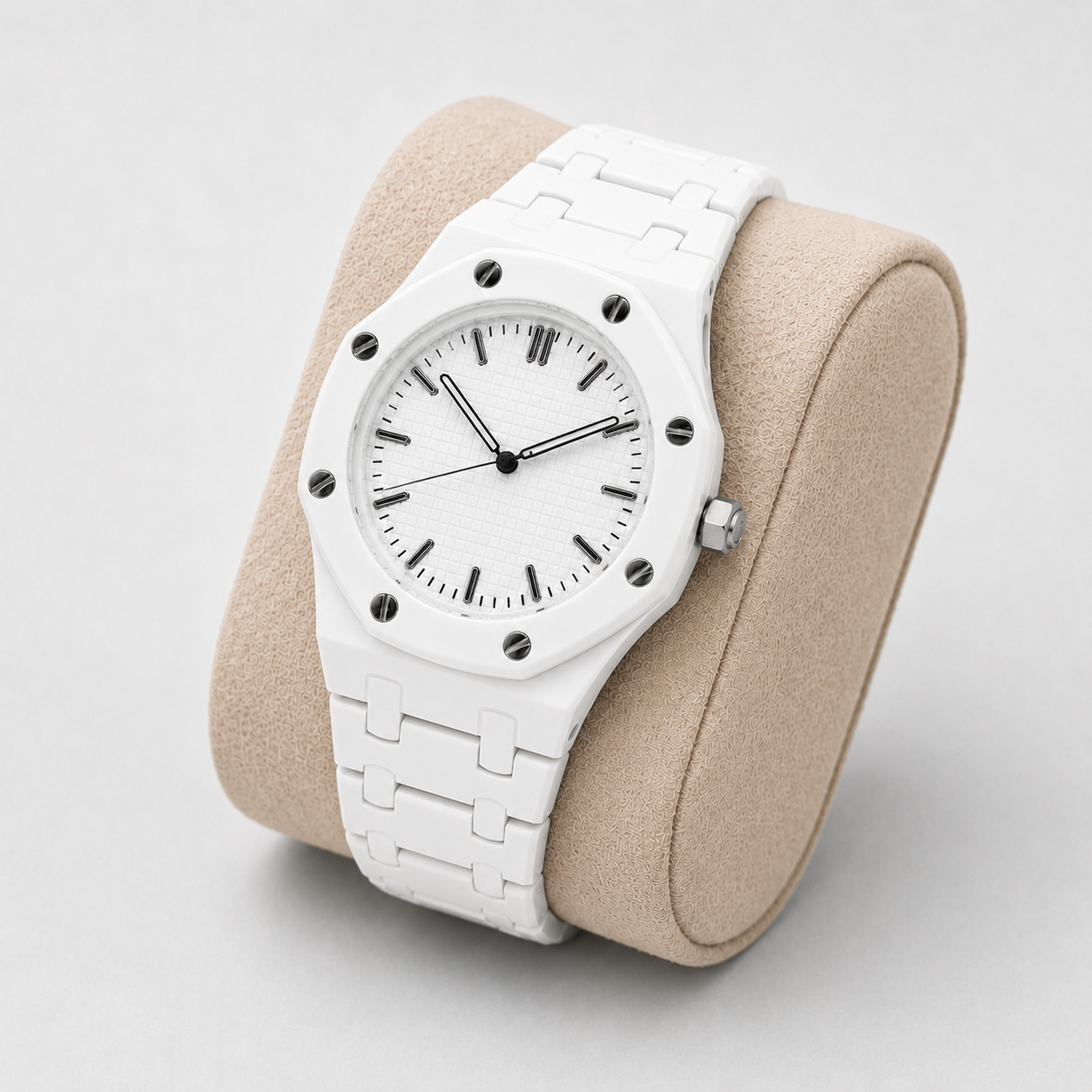 Men’s White Quartz Watch Metal Bracelet Octagon Bezel Analog Wristwatch$35.99Last checked Nov 19, 2026View on eBay
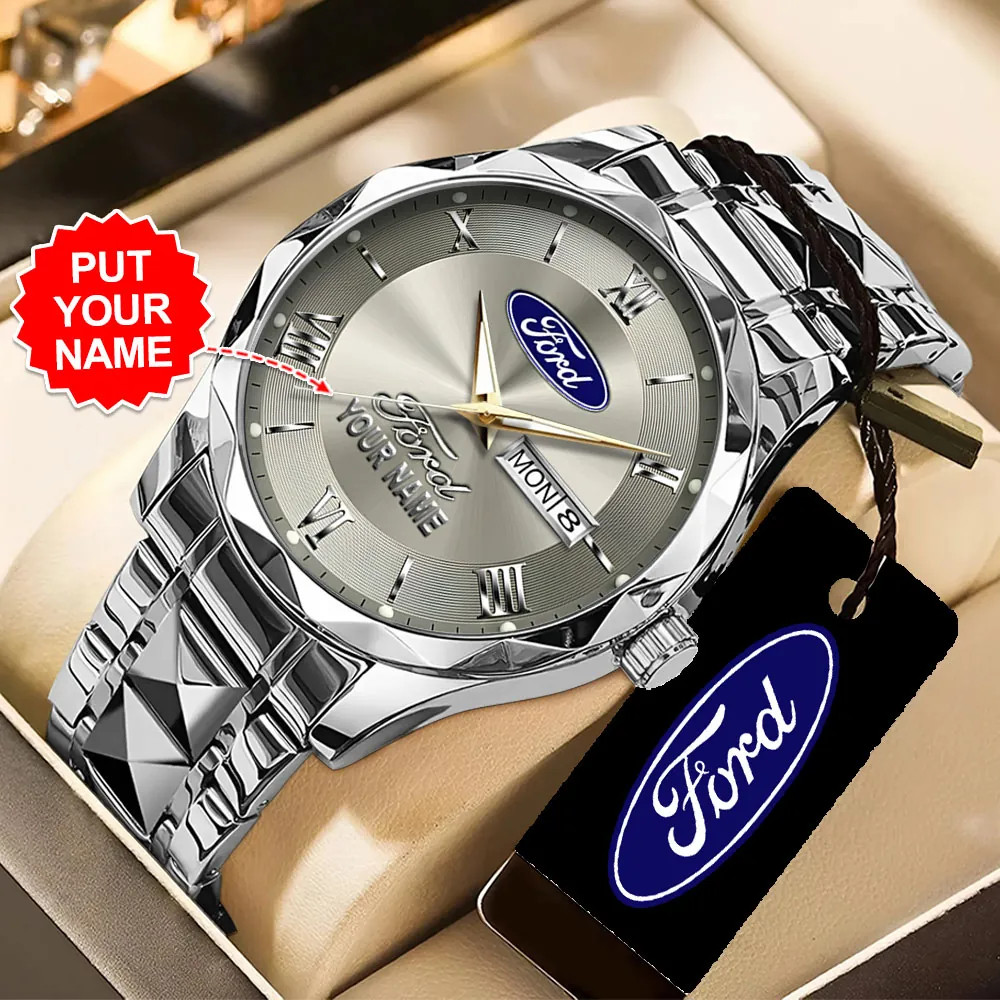 Personalized Ford Alloy Luxury Quartz Watch$55.00Last checked Nov 24, 2026View on eBay
Highlights
- Quartz accuracy is typically ±15 seconds per month, far better than mechanical's ±15 seconds per day; battery life ranges from 2 years on basic modules to 10 years on high-capacity lithium cells.
- Water resistance is rated in ATM: 3 ATM handles splashes, 5 ATM is pool-safe, 10 ATM supports swimming, and 20 ATM is for diving; 'waterproof' without an ATM number is not a real rating.
- Case material drives longevity: 316L stainless steel resists corrosion and scratches, while plated brass or plastic cases wear through and pit; mineral glass is standard, sapphire is scratch-proof.
- Chronograph quartz movements add pushers and subdials but drain batteries faster; digital quartz like the Casio F91W module delivers 7-year battery life with alarm and stopwatch in a resin case.
Best use cases
- Best for everyday office and casual wear: choose a 3-5 ATM stainless steel analog quartz with mineral glass and a leather or steel bracelet; skip 1 ATM fashion watches with plated cases.
- Best for swimming and water sports: pick 10 ATM (100m) rated quartz with a screw-down caseback and silicone or steel band; avoid 3 ATM watches labeled 'water resistant' for pool use.
- Best for travel and outdoor utility: select a digital quartz with 5+ year battery, dual time, alarm, and backlight (e.g., Casio F91W-style module); skip analog-only dress watches with no lume or date.
- Best for formal and dress occasions: choose a thin (under 8mm) quartz with sapphire crystal and genuine leather strap; wrong fit is a bulky 45mm chronograph with resin band for black-tie.
Buying tips
- Match case diameter to wrist circumference: 38-40mm suits wrists under 7 inches, 40-42mm for 7-7.5 inches, and 42-45mm for wrists over 7.5 inches; lug-to-lug should not exceed wrist width.
- Verify water resistance rating in ATM and look for a screw-down caseback; 5 ATM minimum for showering, 10 ATM for swimming, and 20 ATM for diving, with a screw-down crown at 10 ATM+.
- Choose 316L stainless steel or titanium cases over brass or plastic; stainless steel resists sweat corrosion and holds threads for battery changes, while plated brass pits within a year.
- For chronograph quartz, expect 2-3 year battery life versus 5-10 years for three-hand quartz; pick solar quartz if you want 10+ years without battery swaps.
Specs
| Movement Accuracy | ±15 sec/month (quartz) vs ±15 sec/day (mech) |
|---|---|
| Water Resistance | 3 ATM splash / 10 ATM swim / 20 ATM dive |
| Case Material | 316L steel / titanium vs brass / plastic |
| Battery Life | 2-3 yr basic / 7-10 yr high-capacity or solar |
Related searches
What to check before buying
- Measure your wrist circumference with a tape; add 0.5 inch for comfort, then confirm the watch's lug-to-lug width does not exceed that total.
- Check the caseback and crown sealing: at least 5 ATM with a gasket-sealed push crown for daily wear; screw-down crown required for 10 ATM and above.
- Confirm strap/band compatibility: standard lug widths are 18mm, 20mm, and 22mm; match the band to the lug width and ensure quick-release pins if you swap straps.
- Verify battery type and serviceability: common cells are SR626SW (377) and CR2016; ensure the caseback opens with a standard tool or coin slot for DIY replacement.
FAQ
Data sources: eBay / Amazon listings and product attribute feeds. Updated Nov 27, 2026.
Some links on this page are affiliate links. If you buy after clicking one, we may earn a commission at no extra cost to you. This does not change which products appear here or their order. Affiliate disclosure.