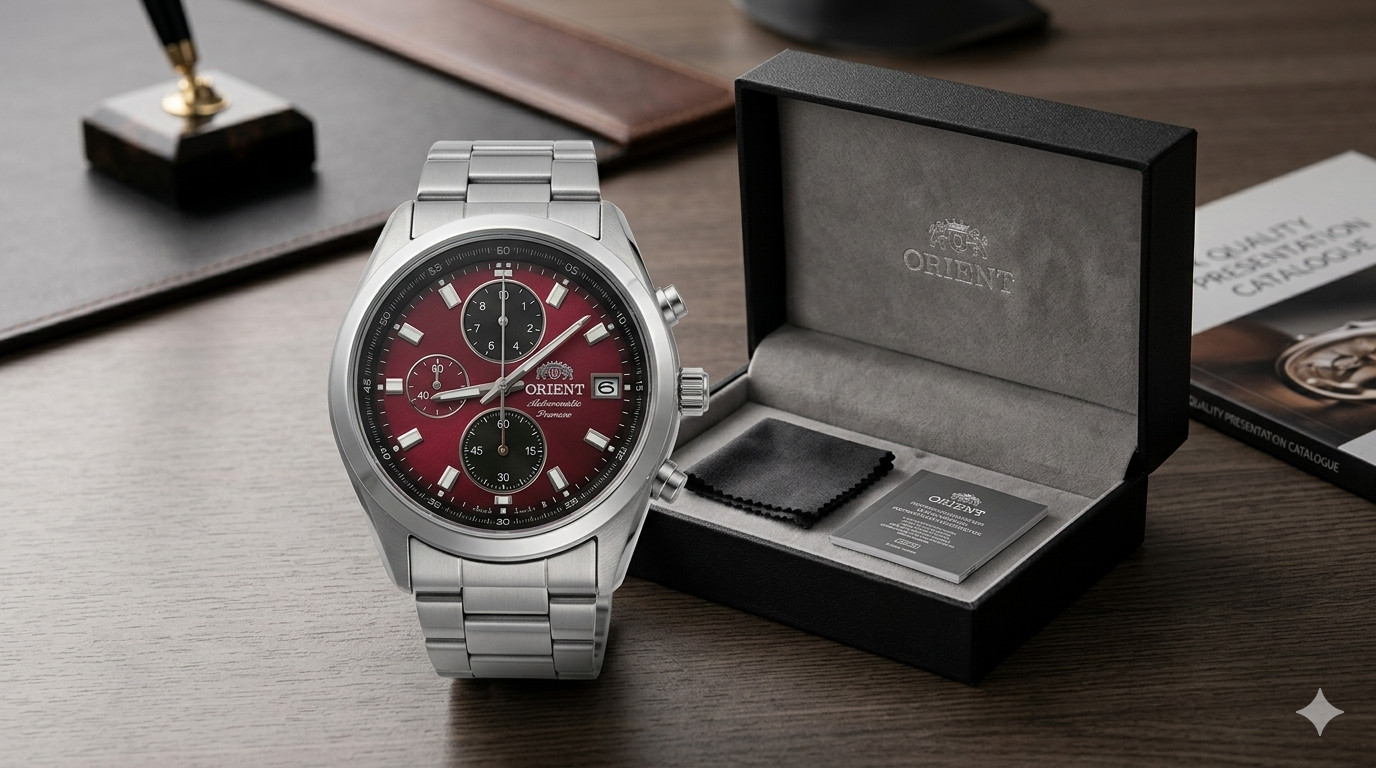

Photos from current listings. Actual item, color, and included accessories may vary.
Solar Watches Buying Guide
Solar watches convert any light—natural or artificial—into power via a photovoltaic dial, eliminating battery swaps for years. The core trade-off is between a simple two-hand/date solar module and a high-drain chronograph or radio-controlled module: the latter demands larger cells, more efficient charge controllers, and often a secondary lithium-titanium rechargeable cell that degrades if kept fully discharged. The decision rule is simple: pick a solar movement only if the watch has a power-reserve indicator or a stated dark-storage runtime of at least 6 months; skip any solar watch with an exposed charge cell but no reserve readout or low-charge warning.
Median $58.00
Key takeaways
- Citizen Eco-Drive E111/E168 modules pair an amorphous silicon dial with a lithium-titanium rechargeable cell rated for 10-15 years of light exposure, with a 6-month dark reserve on three-hand models and 2-4 months on chronographs.
- Seiko Solar calibers (V157, V158, V175) use a secondary rechargeable battery and typically specify 6 months of operation in total darkness at full charge; radio-controlled Lukia variants add a 1B35 module that syncs to atomic clocks and needs more charge headroom.
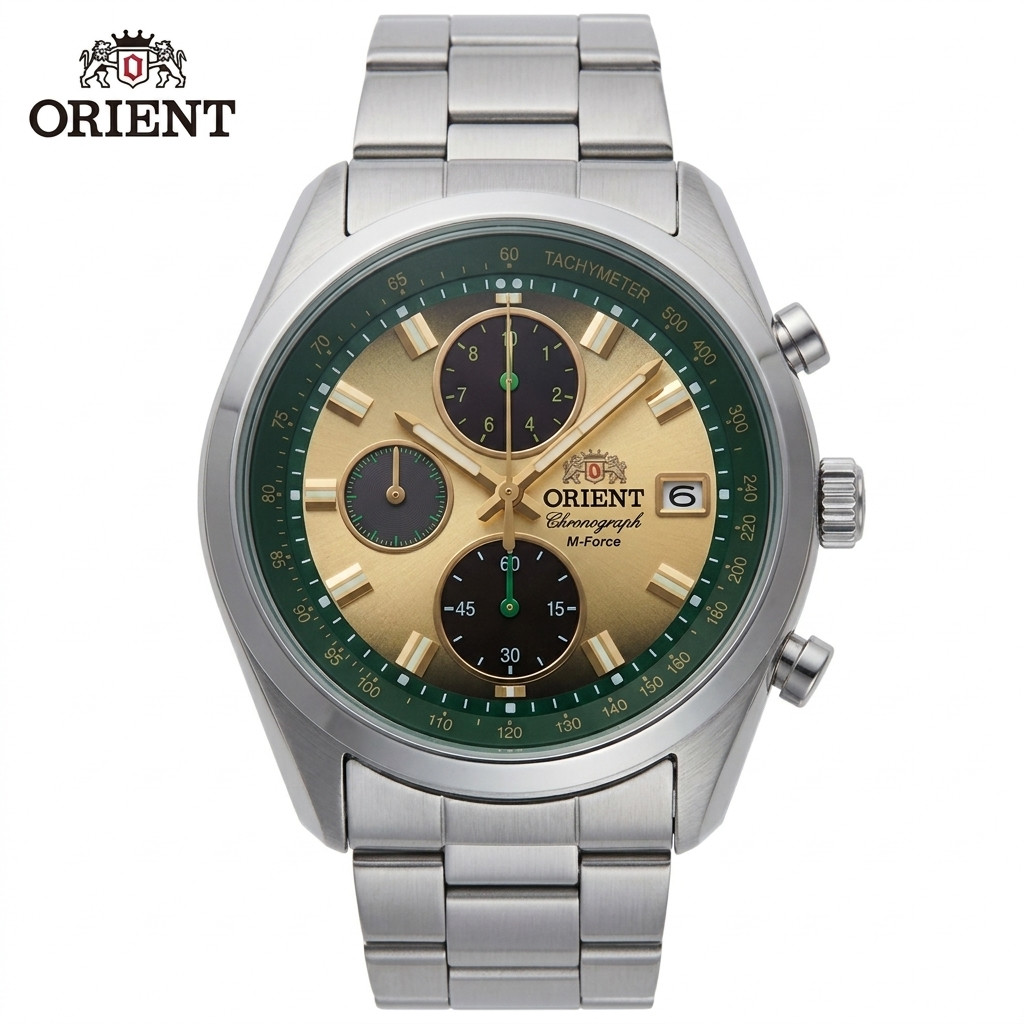
- Orient's solar chronograph line (Neo70s Horizon WV00xx) uses a solar quartz module with a 60-minute chronograph and date, but the subdial layout and pusher drain reduce dark runtime versus a simple three-hand solar.
At a glance
- Category
- Wristwatches
- Last updated
- Nov 28, 2026
Current offers
Highlights
- Citizen Eco-Drive E111/E168 modules pair an amorphous silicon dial with a lithium-titanium rechargeable cell rated for 10-15 years of light exposure, with a 6-month dark reserve on three-hand models and 2-4 months on chronographs.
- Seiko Solar calibers (V157, V158, V175) use a secondary rechargeable battery and typically specify 6 months of operation in total darkness at full charge; radio-controlled Lukia variants add a 1B35 module that syncs to atomic clocks and needs more charge headroom.
- Orient's solar chronograph line (Neo70s Horizon WV00xx) uses a solar quartz module with a 60-minute chronograph and date, but the subdial layout and pusher drain reduce dark runtime versus a simple three-hand solar.
- Solar-cell type matters: amorphous silicon (a-Si) dials work under indoor light and diffuse shade, while polycrystalline or segmented cells charge faster in direct sun but look more technical and cost more to integrate.
Best use cases
- Best fit: a three-hand solar watch with date and a 6-month reserve—ideal for everyday wear where you want zero battery service and can leave it on a windowsill occasionally; pick Citizen Eco-Drive or Seiko Solar three-hand tiers.
- Best fit: a solar chronograph like the Orient Neo70s Horizon if you want stopwatch functions without battery swaps—accept the 2-4 month dark reserve and keep it in light between uses.
- Wrong fit: a solar watch as a drawer-stored dress piece or a once-a-month wearer—any solar module will deep-discharge and may need a full-sun recharge or cell replacement; choose a standard quartz or mechanical instead.
- Wrong fit: a solar watch for extreme cold or constant-glove use—lithium-titanium cells lose capacity below freezing and the dial needs light exposure; pick a battery quartz field watch for polar or winter expedition use.
Buying tips
- Demand a stated power reserve: three-hand solar watches should advertise 6 months in darkness, chronographs 2-4 months; any solar watch without a published reserve figure is a red flag for cell quality.
- Match module to feature load: a solar chronograph or radio-controlled solar draws more current, so choose models with a low-charge warning and a seconds-hand hand-shake indicator rather than a bare dial.
- Check the rechargeable cell type: lithium-titanium (Li-Ti) cells tolerate deep discharge better than older lithium-ion solar cells, and Citizen/Seiko both publish cell service intervals of roughly 10-15 years.
- Prefer sapphire or hardlex crystal and 100 m water resistance on solar sports models—the caseback seal and crystal are the first failure points when a solar watch is worn in water and sun.
Specs
| Solar Cell Type | Amorphous silicon vs polycrystalline dial |
|---|---|
| Dark Power Reserve | 3-hand 6 mo / chrono 2-4 mo |
| Rechargeable Cell | Lithium-titanium, 10-15 yr service |
| Low-Charge Indicator | Hand-shake / seconds-hand warning |
Related searches
What to check before buying
- Confirm the watch has a visible or hand-shake low-charge warning—solar modules without one can stop silently and require a full sun recharge to restart.
- Measure your wrist and the case: solar chronographs typically run 40-44 mm and 11-13 mm thick; a 6.5-inch wrist should stay at or below 42 mm lug-to-lug 48 mm.
- Check the charging environment: a solar watch needs a few hours of light weekly; a dark safe or a sleeve-covered wrist all day means pick a model with a longer reserve or skip solar.
- Verify the strap/band standard: many solar sports models use integrated or proprietary lugs, so aftermarket straps need the exact lug width and spring-bar type.
FAQ
Data sources: eBay / Amazon listings and product attribute feeds. Updated Nov 28, 2026.
Some links on this page are affiliate links. If you buy after clicking one, we may earn a commission at no extra cost to you. This does not change which products appear here or their order. Affiliate disclosure.