When two loose gemstones land on your screen with the same listed price, the decision stops being about affordability and starts being about the stone itself. One pairs a sizable orange Padparadscha sapphire with an oval cut; the other brings a color-change Alexandrite with a fancy cut. Both are certified, both are eye clean, and both are natural stones - so which one deserves a spot in your next jewelry project?
Quick Verdict
Both stones are listed at USD 22.49, making price a non-factor. If you want the most visible presence on the finger, the Padparadscha sapphire's larger silhouette gives you more stone for the same money. If you want a gem that shifts in different lighting, the Alexandrite's color-change effect is the standout feature. The sapphire leans classic and size-driven; the Alexandrite leans conversation-piece and effect-driven.
Comparison at a Glance
| Product | Listed Price | Price Bar | Highlights |
|---|---|---|---|
| NATURAL Padparadscha Sapphire 13 Ct CERTIFIED Oval Cut Loose Gemstone Ring Size | USD 22.49 | Sri Lanka origin, GIR certified, Eye Clean, Orange, Natural, Asterism | |
| 10 Ct Natural AA+ CERTIFIED Alexandrite Color Change Fancy Cut Loose Gemstone | USD 22.49 | India origin, EGL certified, Eye Clean, Bi-Color/Multicolor, Natural, Asterism + Color Change |
Where Each Stone Wins
Padparadscha Sapphire wins on size and shape. The oval cut is a classic, familiar choice for ring projects, and the orange color delivers a warm, sophisticated look. It also carries the Padparadscha name, which points to the specific sapphire color noted in the product title.
Alexandrite wins on visual effect. The title says "Color Change," and the product details confirm both Asterism and Color Change. A single stone that shifts between colors gives you more optical interest than a fixed orange hue. That makes it the pick for someone who wants a gemstone that behaves differently as lighting changes.
Product Notes
Padparadscha Sapphire Loose Gemstone
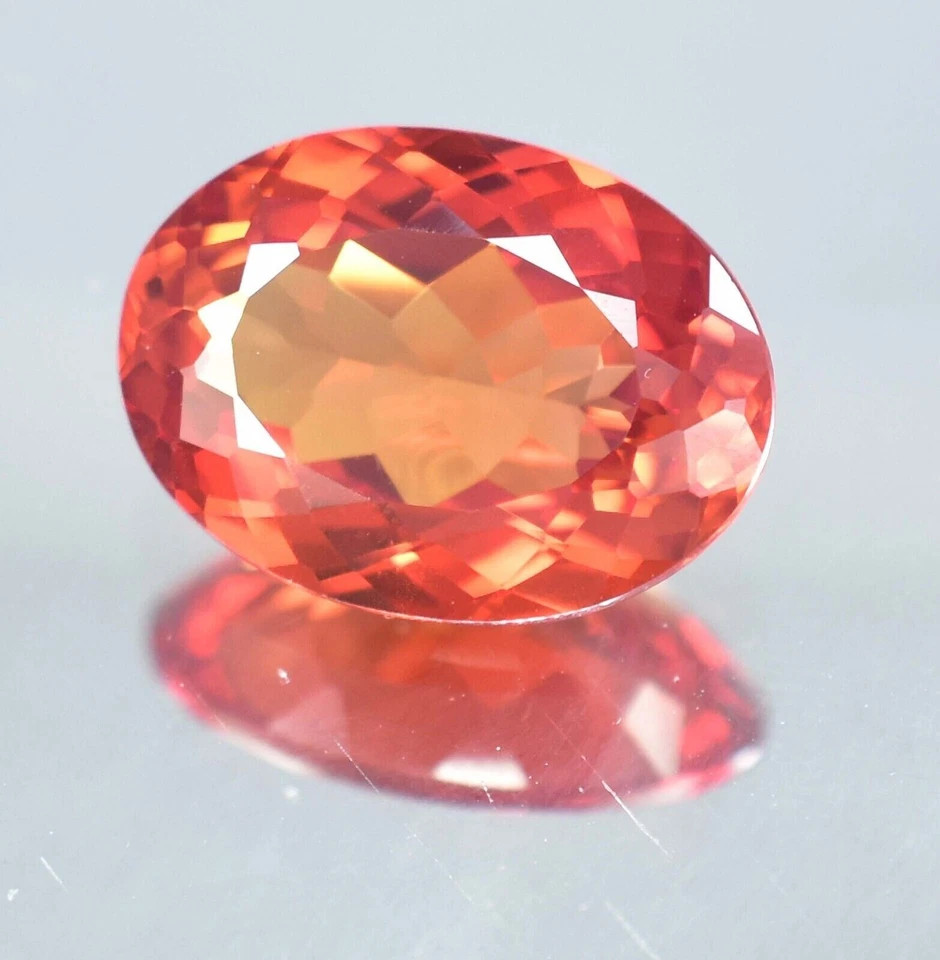
If your goal is a substantial centerpiece with a traditional ring or pendant silhouette, this is the one to consider. The title states a 13 Ct natural sapphire in an oval cut, with an orange color that matches the Padparadscha description. It's GIR certified, and the product information lists it as eye clean and not enhanced, which matters if you prefer untreated stones. The dimensions are given as approximately 13.3 mm long and 10.2 mm wide, so it will feel present in most settings. One limitation to keep in mind: the title includes the phrase "Ring Size," but the stone is sold loose, so you'll need to plan for a custom setting and verify that the dimensions fit your intended ring shank or pendant mount.
Alexandrite Color-Change Loose Gemstone
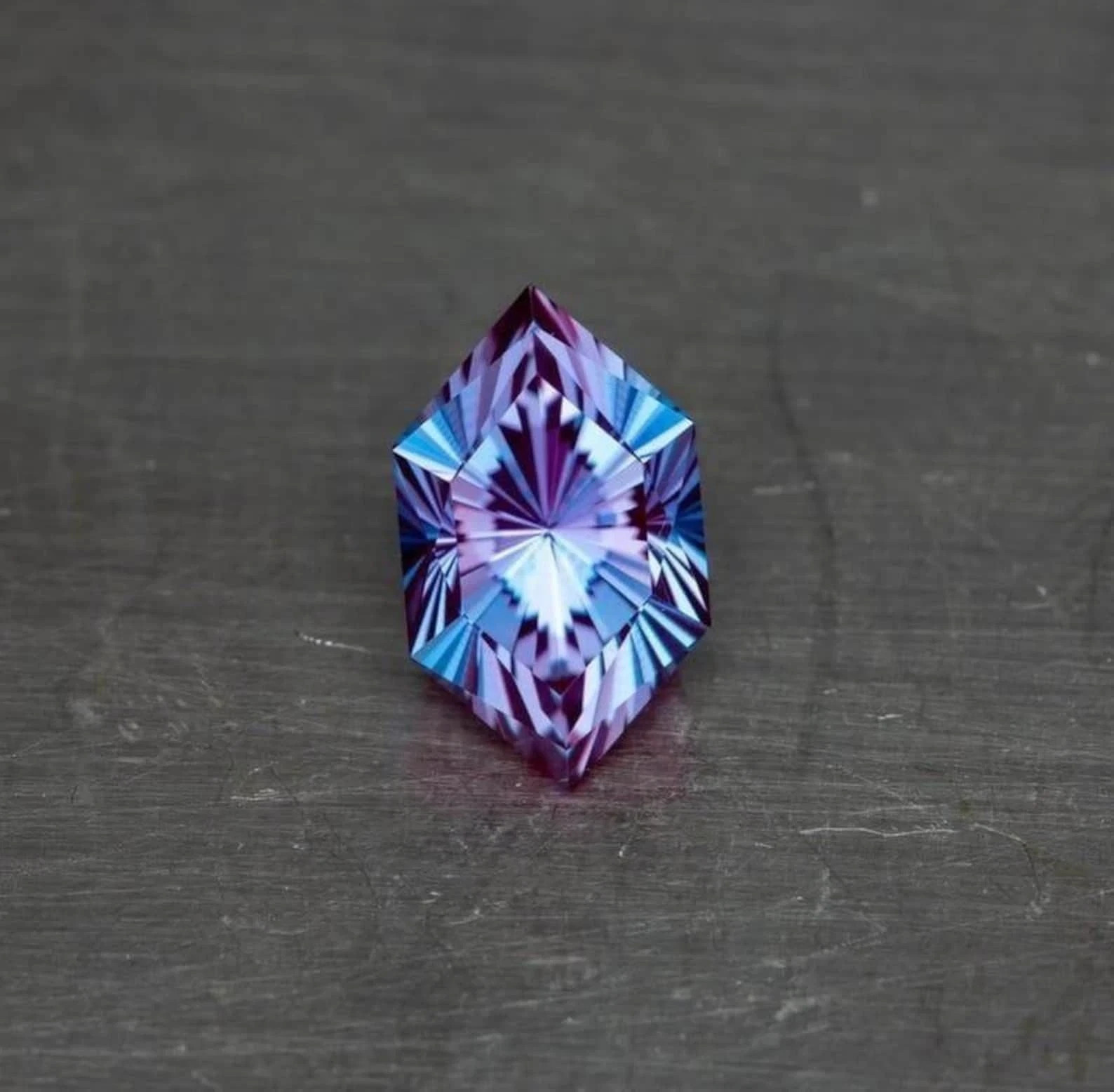
Choose this if you want a stone that offers a show. The title states a 10 Ct weight and includes "Color Change," with the product details confirming that effect along with asterism. That means the stone shifts in appearance as lighting changes, giving you more optical interest than a fixed orange hue. It's EGL certified, and the product information says natural, eye clean, and created as a cut stone from India. As a loose gemstone, it comes ready for a custom setting, though you will need to accommodate the fancy cut when choosing a prong or bezel. The trade-off is stone size: you get less physical mass than the sapphire, but you gain a color-changing behavior that makes every glance a little different.
Final Choice by Use Case
- For a classic, prominent centerpiece: Go with the Padparadscha sapphire. Its larger physical size and familiar oval shape make it the safer, more traditional choice for a ring that needs to fill space.
- For a color-shifting conversation piece: Go with the Alexandrite. The color-change effect adds an interactive element that a fixed-color stone can't match, even if you sacrifice some physical size.