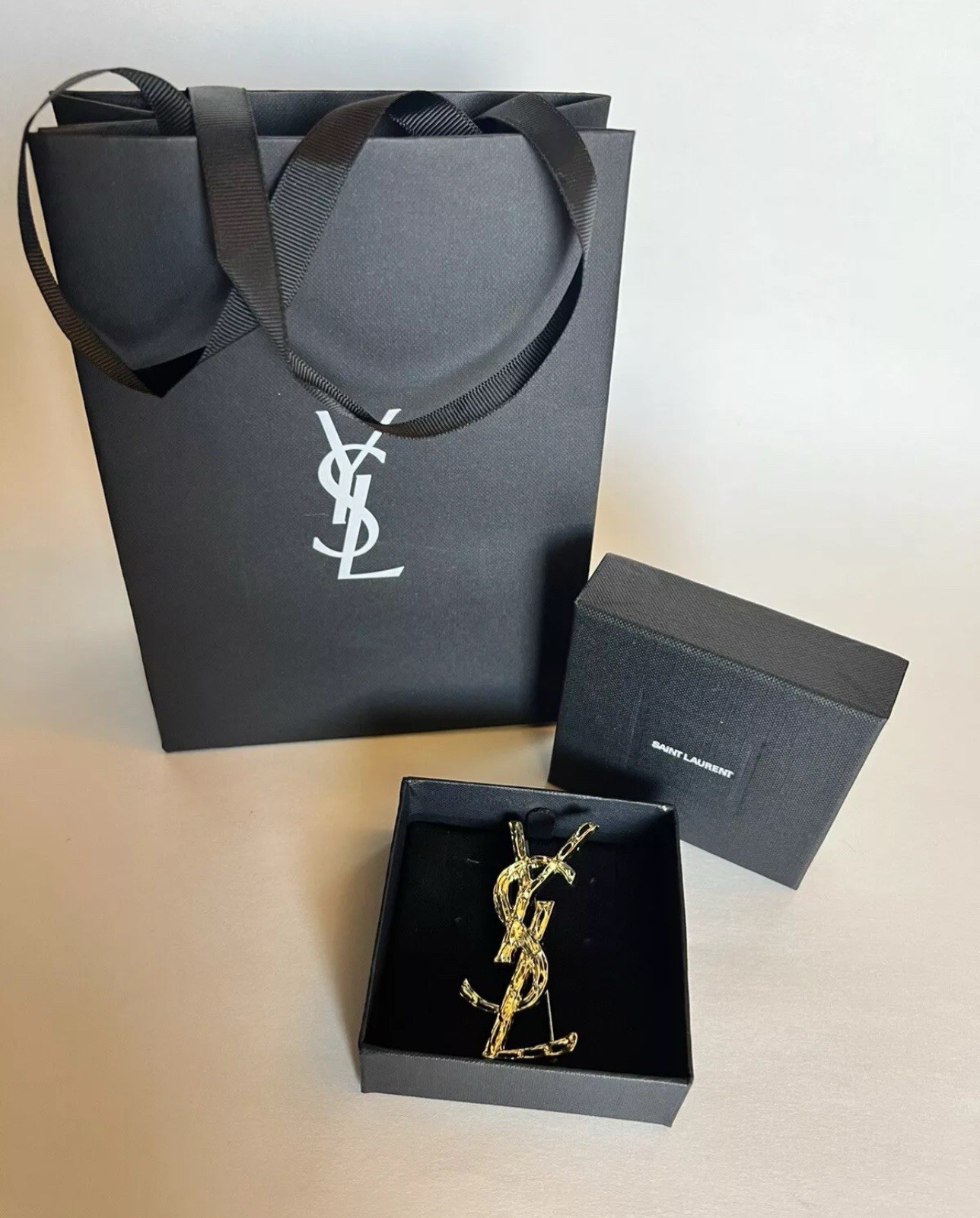

Photos from current listings. Actual item, color, and included accessories may vary.
Brooch Pin Buying Guide
A brooch pin is a decorative clasp that attaches to clothing via a sharpened pin and catch, ranging from costume fashion jewelry to heirloom precious-metal pieces. The core trade-off is metal base and plating quality versus price: gold-tone or silver-tone plated base metal over brass or zinc alloy delivers affordable fashion but can tarnish or flake, while sterling silver, gold-filled, and solid gold hold up for decades. The decision rule: for daily wear on structured fabrics choose a solid or heavy-plated metal with a locking catch; for occasional costume wear, gold-tone brass alloy with a safety-pin back is sufficient.
Key takeaways
- Base metal determines longevity: brass and zinc alloy accept plating well, while pot metal (mystery alloy) pits and flakes fastest under sweat and perfume.
- Plating tier separates finishes: gold-tone flash plating (under 1 micron) wears within months, gold-filled or heavy vermeil (2.5+ microns) lasts years, solid 14k gold is permanent.
- Catch type governs security: a safety-rollover or locking C-clasp holds on knits and coats, while a simple bar-pin or stick-pin relies on friction and slips off soft fabrics.
At a glance
- Category
- Brooches & Lapel Pins
- Last updated
- Nov 28, 2026
Current offers
Highlights
- Base metal determines longevity: brass and zinc alloy accept plating well, while pot metal (mystery alloy) pits and flakes fastest under sweat and perfume.
- Plating tier separates finishes: gold-tone flash plating (under 1 micron) wears within months, gold-filled or heavy vermeil (2.5+ microns) lasts years, solid 14k gold is permanent.
- Catch type governs security: a safety-rollover or locking C-clasp holds on knits and coats, while a simple bar-pin or stick-pin relies on friction and slips off soft fabrics.
- Enamel and rhinestone settings need glued or prong-set stones; glued rhinestones fall out with heat and dry cleaning, while prong-set or bezel-set stones survive wear.
Best use cases
- Best fit: fastening a lightweight scarf or lapel on a blazer or cardigan—pick a 1.5–2.5 inch pin with a safety-rollover catch and smooth pin stem so it does not snag wool.
- Best fit: adding a focal accent to a dress or bridal sash—choose a larger 2.5–4 inch brooch with prong-set crystals and a locking catch to carry the visual weight without drooping.
- Wrong fit: securing heavy outerwear, thick denim, or a winter coat with a delicate fashion pin—the thin pin stem bends and the catch pops; use a kilt pin or shawl pin with a heavy-gauge stem instead.
- Wrong fit: wearing a gold-tone plated costume brooch daily against bare skin or in humid climates—plating wears and green verdigris appears; choose gold-filled or sterling silver for daily contact.
Buying tips
- Match pin length to fabric weight: under 2 inches for collars and lapels, 2–3 inches for cardigans and dresses, 3 inches and up only for structured jackets or sashes.
- Read the metal stamp: '925' or 'sterling' means solid silver, '1/20 GF' means gold-filled (durable), '14k' means solid gold; unmarked gold-tone is plated base metal.
- For rhinestone or enamel pieces, check that stones are prong-set or bezel-set rather than glued, and that enamel edges are smooth to avoid chipping.
- Choose a locking catch (safety-rollover, locking C-clasp, or screw-back) for anything worn on movement-heavy garments; friction bar-pins are for display or occasional wear.
Specs
| Base Metal | Brass / zinc alloy / sterling silver |
|---|---|
| Plating Grade | Gold-tone flash / gold-filled / solid gold |
| Catch Type | Safety-rollover / locking C / bar-pin |
| Pin Length | Under 2 in to 4 in (by garment) |
Related searches
What to check before buying
- Measure the garment area where the pin will sit: a pin longer than the lapel width will droop or poke the chest, so keep length under the lapel or placket width.
- Check fabric weave: tight wovens (wool, cotton poplin) hold a pin securely, while loose knits, silk, and mesh need a finer pin or a pin with a backing disc to avoid a hole.
- Confirm the catch style matches your dexterity and garment: locking catches are secure but need two hands, while magnetic backs are easy but weak on thick fabric.
- For vintage or plated pieces, check for verdigris (green residue) and plate wear at high points—these signal active corrosion that will transfer to clothing.
FAQ
Data sources: eBay / Amazon listings and product attribute feeds. Updated Nov 28, 2026.
Some links on this page are affiliate links. If you buy after clicking one, we may earn a commission at no extra cost to you. This does not change which products appear here or their order. Affiliate disclosure.