
Photos from current listings. Actual item, color, and included accessories may vary.
Pin Buying Guide
A pin or brooch is a decorative fastener whose longevity is determined by base-metal grade, plating thickness, and clasp architecture rather than surface design. The core trade-off is gold-tone flash plating over mystery alloy versus gold-plated or solid brass with a serviceable clutch. Buy plated brass or better with a roller or locking clutch for daily wear; treat base-metal 'gold-tone' pieces with standard pin-backs as occasional costume jewelry.
Median $120.00
Key takeaways
- Base metal determines tarnish: brass or copper core holds plating for years, while zinc-alloy or mystery-metal castings pit and flake within months of skin contact.
- Plating grade separates tiers: 'gold-tone' or 'gold finish' is sub-micron flash, 'gold plated' is typically 1-3 microns, and 'gold-filled' uses a bonded 5%+ gold layer that survives daily wear.
- Clasp architecture decides loss risk: butterfly clutch suits display pieces, roller clutch and locking safety-pin backs resist slippage on outerwear, and magnetic backs are unsafe near pacemakers.
At a glance
- Category
- Brooches & Lapel Pins
- Last updated
- Nov 25, 2026
Current offers
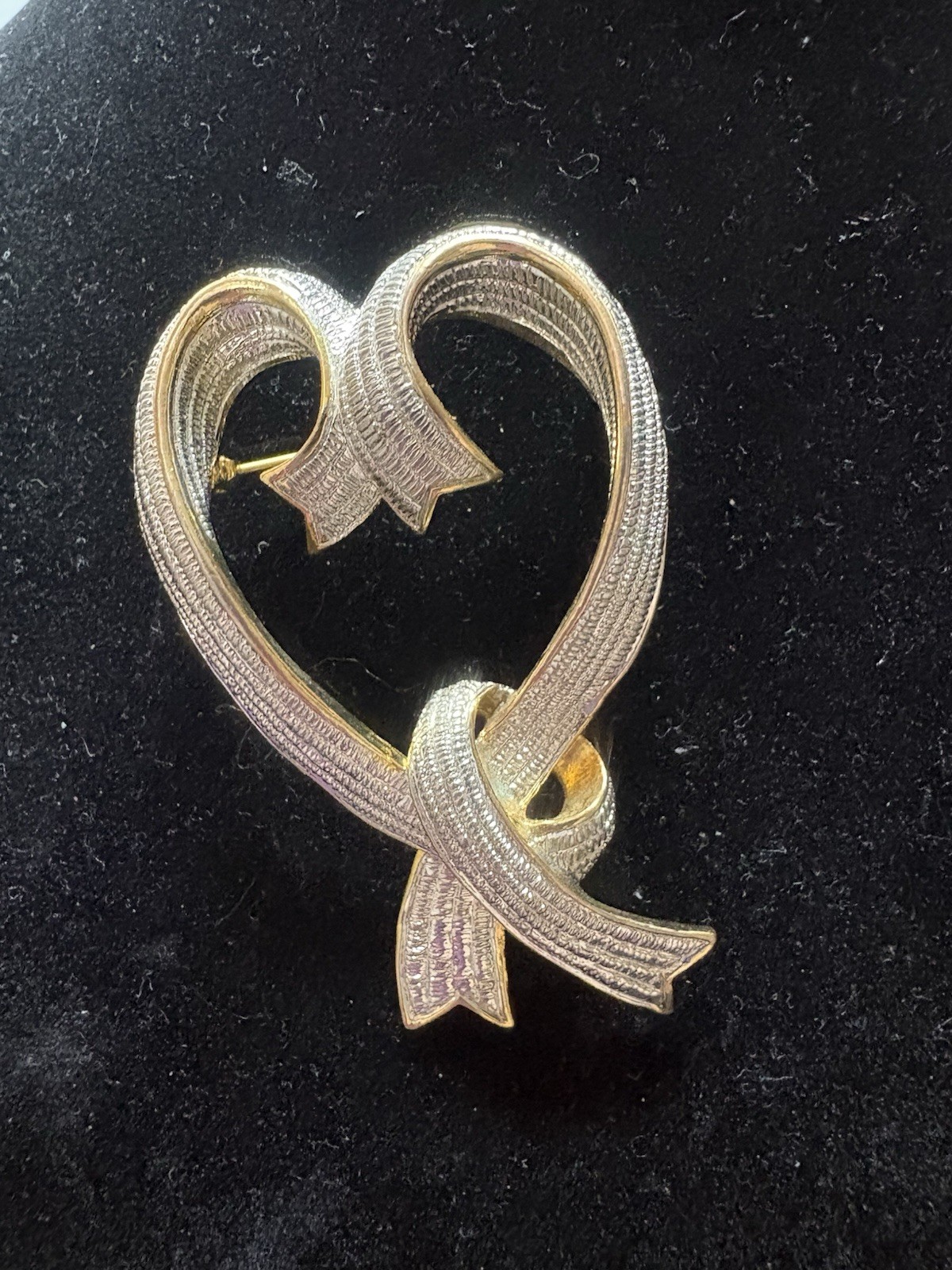 Fashion Jewelry Beautiful Two Tone Silver And Gold Ribbon Pin, New W/O Tags$26.80View on eBay
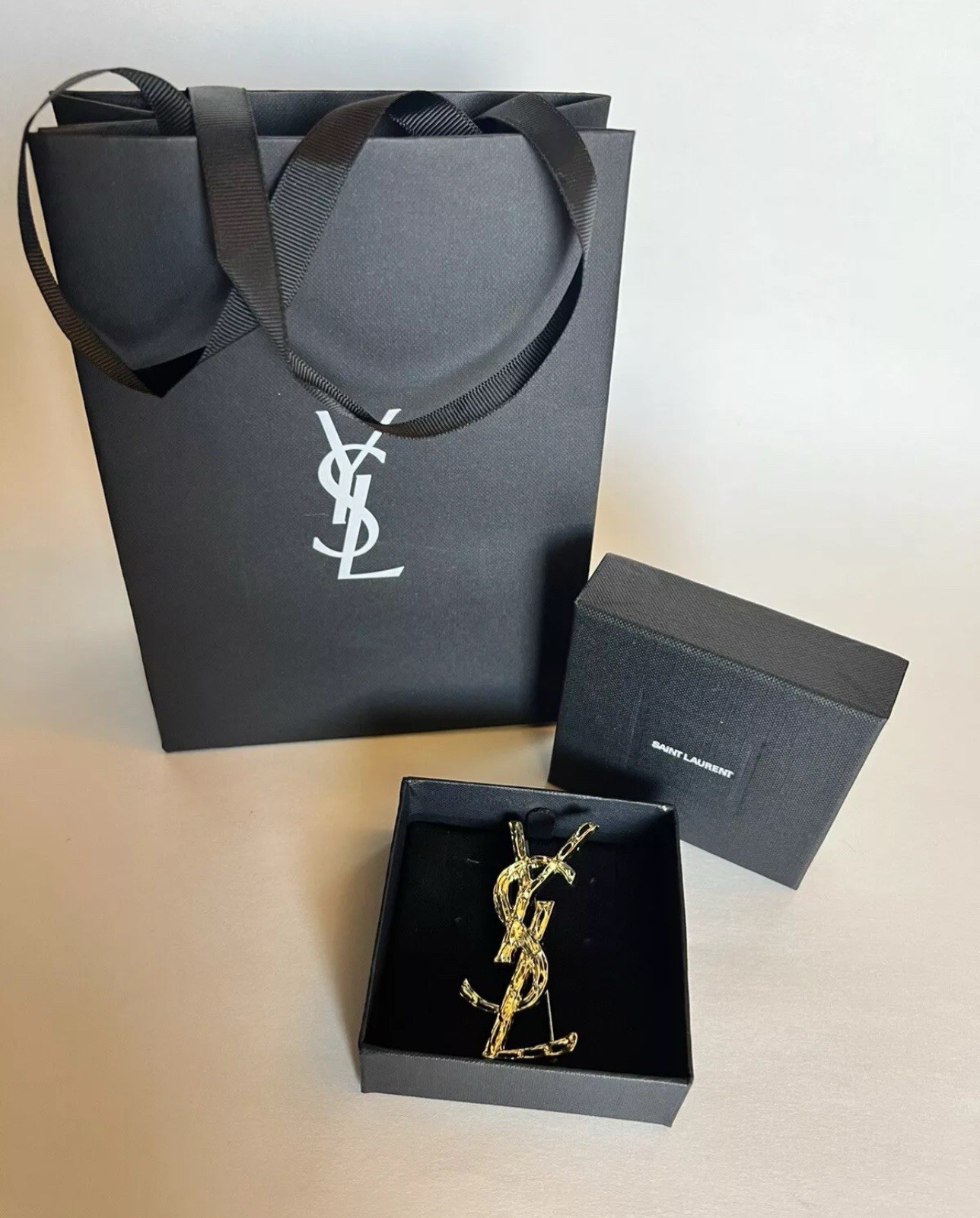 YSL - Yves Saint Laurent - Large Crocodile Logo Brooch - European GWP Pin$120.00View on eBay
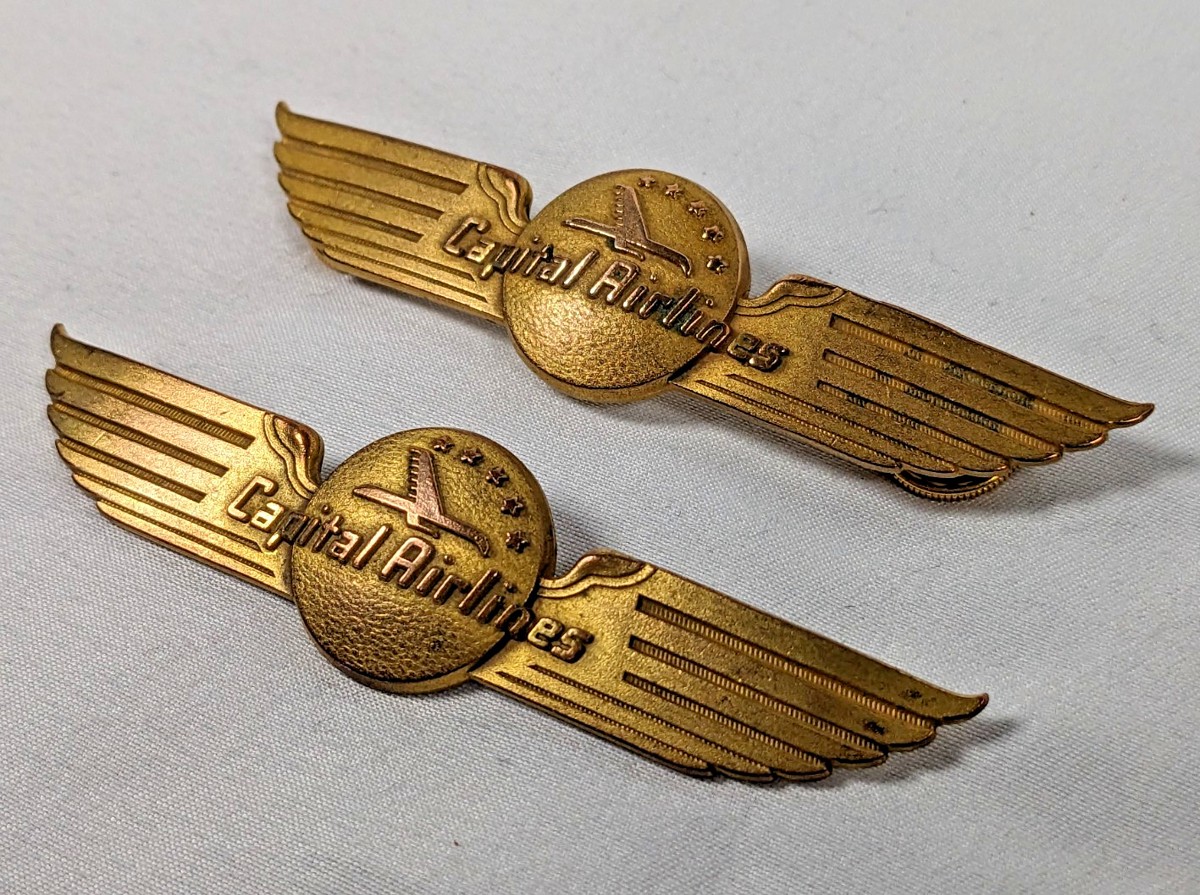 PAIR - 1940's & 50's Capital Airlines Large Chief Pilot Captain Wings Badge Pin$279.00Last checked Nov 18, 2026View on eBay
Highlights
- Base metal determines tarnish: brass or copper core holds plating for years, while zinc-alloy or mystery-metal castings pit and flake within months of skin contact.
- Plating grade separates tiers: 'gold-tone' or 'gold finish' is sub-micron flash, 'gold plated' is typically 1-3 microns, and 'gold-filled' uses a bonded 5%+ gold layer that survives daily wear.
- Clasp architecture decides loss risk: butterfly clutch suits display pieces, roller clutch and locking safety-pin backs resist slippage on outerwear, and magnetic backs are unsafe near pacemakers.
- Enamel and rhinestone pins sit on either hard-fired vitreous enamel or soft epoxy; glued rhinestones shed in heat, while prong-set crystals remain secure through regular cleaning.
Best use cases
- Daily jacket or lapel wear: choose gold-plated or gold-filled brass with a roller or locking clutch; skip base-metal flash-plated pins that discolor shirt collars.
- Vintage or collector display: Avon and figural pins hold value only with intact original back-stamp and original clutch; skip re-plated or repaired pieces with mismatched backs.
- Costume or holiday accent: rhinestone and enamel pins work well on occasional wear; skip them for 24/7 wear in humid climates where glue softens and stones lift.
- Children's clothing or school lanyards: use flat enamel pins with locking backs; skip pointed stick pins and small rhinestone clusters that pose choking and scratch hazards.
Buying tips
- Match pin length to garment weight: 1.0-1.5 inch pins suit shirt collars and lapels; 2-3 inch brooches anchor blazers and coats without sagging the fabric.
- Demand a back-stamp: signed Avon, Monet, or Danecraft pins indicate plated brass; unstamped cast-alloy pins are the lowest durability tier.
- For heavy rhinestone brooches over 15 grams, choose a safety-pin or locking back over a single butterfly clutch to prevent droop and loss.
- Two-tone and plated pins should be wiped dry after wear; chlorine and perfume accelerate plating wear, so reserve plated tiers for non-pool, non-daily use.
Specs
| Base Metal | Brass / copper vs zinc alloy |
|---|---|
| Plating Grade | Gold-tone flash vs plated vs filled |
| Clasp Type | Butterfly / roller / locking / safety |
| Pin Size | 1-1.5 in collar / 2-3 in brooch |
Related searches
What to check before buying
- Measure the intended garment area: lapel width under 2 inches takes pins up to 1.5 inches; a larger brooch overhangs the lapel edge.
- Confirm the clasp type before purchase: butterfly, roller, locking, safety-pin, or magnetic — magnetic backs must be avoided near implanted medical devices.
- Check metal sensitivity: nickel-release alloy causes contact dermatitis; choose brass, sterling, gold-filled, or explicit nickel-free plating for sensitive skin.
- Verify pin stem sharpness and length: a dull or short stem will not penetrate dense wool, while an overly long stem pokes through lining and scratches skin.
FAQ
Data sources: eBay / Amazon listings and product attribute feeds. Updated Nov 25, 2026.
Some links on this page are affiliate links. If you buy after clicking one, we may earn a commission at no extra cost to you. This does not change which products appear here or their order. Affiliate disclosure.