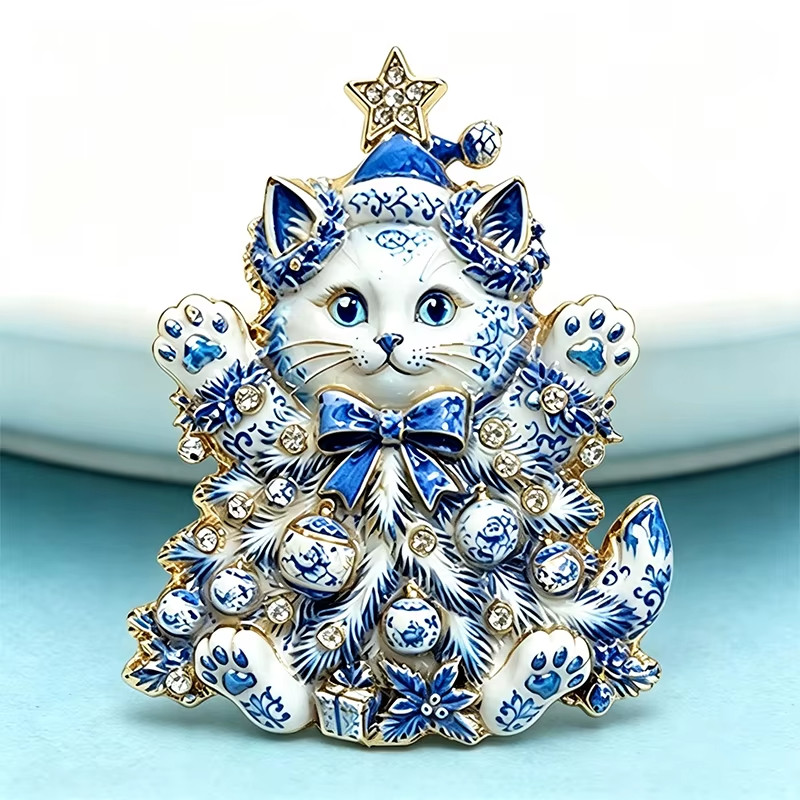

Photos from current listings. Actual item, color, and included accessories may vary.
Rhinestone Brooch Buying Guide
Rhinestone brooches are decorative lapel pins set with faceted glass or acrylic stones, where durability hinges on stone-setting method and base-metal quality rather than stone count. The key trade-off is prong-set glass on gold-plated brass (heirloom-capable) versus glue-set acrylic on pot metal (costume-grade, prone to yellowing and stone loss). Choose prong-set glass on plated brass for longevity; accept glue-set acrylic only for occasional, short-wear costume use.
Key takeaways
- Prong-set vs glue-set: prongs mechanically hold each stone and allow replacement; glued stones loosen with heat, sweat, and dry cleaning.
- Glass rhinestones (foiled-back crystal) outlast acrylic, which scratches, yellows under UV, and clouds with perfume or hairspray exposure.
- Base metal matters: gold-plated brass or rhodium-plated copper resists tarnish; pot metal (zinc alloy) pits and flakes, exposing dull grey beneath plating.
At a glance
- Category
- Brooches & Lapel Pins
- Last updated
- Nov 28, 2026
Current offers
Highlights
- Prong-set vs glue-set: prongs mechanically hold each stone and allow replacement; glued stones loosen with heat, sweat, and dry cleaning.
- Glass rhinestones (foiled-back crystal) outlast acrylic, which scratches, yellows under UV, and clouds with perfume or hairspray exposure.
- Base metal matters: gold-plated brass or rhodium-plated copper resists tarnish; pot metal (zinc alloy) pits and flakes, exposing dull grey beneath plating.
- Pin hardware quality: a soldered safety-catch bar and reinforced hinge outlast glued-on pin backs, which are the most common failure point on costume brooches.
Best use cases
- Best fit: wedding, holiday, or evening wear where sparkle is photographed — pick prong-set glass crystal on gold-plated or rhodium-plated brass with a soldered safety catch.
- Best fit: gift for a collector or vintage-style wearer — choose signed or clearly marked plated pieces with closed-back or open-back prong settings and intact foil.
- Wrong fit: daily wear on coats or bags — skip glue-set acrylic and pot-metal bases; friction and moisture will shed stones within a season.
- Wrong fit: children's clothing or active use — avoid small prong-set stones and sharp pin backs; choose enamel or smooth cabochon pins instead.
Buying tips
- Inspect setting style first: visible metal prongs around each stone mean replaceable, durable construction; a smooth glue halo signals costume grade.
- Check base-metal marking: 'gold-plated brass,' 'rhodium-plated,' or 'sterling' indicate tarnish resistance; unmarked pot metal tarnishes and pits.
- Match stone size to use: 2–4 mm stones suit delicate lapels and collars; 5–8 mm stones read better on coats and hats but add weight.
- Verify pin-back type: a soldered safety-catch or locking bar clutch beats a glued butterfly clutch for retention on garments.
Specs
| Stone Material | Glass crystal vs acrylic |
|---|---|
| Setting Method | Prong-set vs glue-set |
| Base Metal | Gold-plated brass / rhodium / pot metal |
| Pin Back | Soldered safety-catch vs glued clutch |
Related searches
What to check before buying
- Measure the garment lapel or collar width: brooches wider than the lapel overhang and sag; keep pin length within the fabric panel.
- Confirm fabric weight: heavy wool coats support larger, heavier brooches; silk and chiffon need lightweight pins under about 15 g.
- Check the pin-back clearance: thick tweed and knits require a longer pin shaft or a magnet-backed pin to close securely.
- Confirm metal sensitivity: nickel-allergic wearers should choose gold-plated brass, sterling, or rhodium-plated pieces over nickel-plated pot metal.
FAQ
Data sources: eBay / Amazon listings and product attribute feeds. Updated Nov 28, 2026.
Some links on this page are affiliate links. If you buy after clicking one, we may earn a commission at no extra cost to you. This does not change which products appear here or their order. Affiliate disclosure.