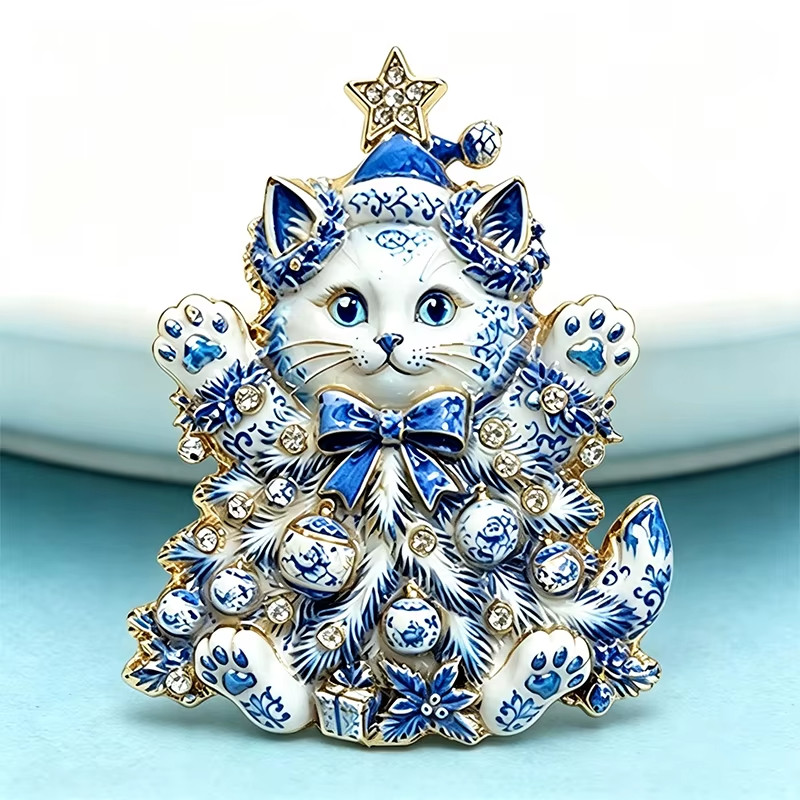

Photos from current listings. Actual item, color, and included accessories may vary.
Rhinestone Pin And Brooch Buying Guide
Rhinestone pins and brooches are decorative jewelry pieces where faceted glass or crystal stones are set into metal or alloy bases for sparkle on lapels, scarves, hats, and bags. The core trade-off is stone quality and setting security versus base-metal durability: glued acrylic rhinestones on thin stamped alloy look bright at first but shed stones and tarnish, while prong-set glass crystals in plated or enameled brass hold their fire through seasons of wear. The decision rule is simple: choose prong-set glass/crystal stones on a plated or enameled base with a locking clasp for anything worn regularly, and accept glued acrylic stones on cast alloy only for occasional costume or gift wear.
Key takeaways
- Stone type drives sparkle retention: faceted glass or crystal (e.g., Austrian-style crystal) keeps refraction and foil backing intact for years, while acrylic rhinestones dull, scratch, and yellow with exposure to skin oils and sunlight.
- Setting method determines stone loss: prong or claw settings mechanically grip each stone and are re-tightenable, whereas glued (flat-back) stones rely on adhesive that fails with heat, moisture, and flexing.
- Base metal and finish decide tarnish life: brass or copper alloy with gold-tone, silver-tone, or enamel plating resists corrosion far better than thin stamped steel or pot-metal with sprayed color that chips at edges.
At a glance
- Category
- Brooches & Lapel Pins
- Last updated
- Nov 28, 2026
Current offers
Highlights
- Stone type drives sparkle retention: faceted glass or crystal (e.g., Austrian-style crystal) keeps refraction and foil backing intact for years, while acrylic rhinestones dull, scratch, and yellow with exposure to skin oils and sunlight.
- Setting method determines stone loss: prong or claw settings mechanically grip each stone and are re-tightenable, whereas glued (flat-back) stones rely on adhesive that fails with heat, moisture, and flexing.
- Base metal and finish decide tarnish life: brass or copper alloy with gold-tone, silver-tone, or enamel plating resists corrosion far better than thin stamped steel or pot-metal with sprayed color that chips at edges.
- Clasp type governs wear security: a locking safety-pin or bar-and-catch brooch back stays put on coats and scarves, while simple roller-bar pins and stick-pin friction backs are prone to opening or sliding off.
Best use cases
- Daily wear on coats, blazers, and scarves: pick prong-set glass crystal on enameled or plated brass with a locking safety-pin back; skip glued acrylic stones on thin stamped alloy, which shed and tarnish within a season.
- Holiday and themed gifting (e.g., a Christmas-tree cat pin): choose cast alloy with enamel color fill and glued rhinestones only for occasional festive wear, and accept that stones may loosen if the pin is handled roughly.
- Bridal, formal, and vintage-style looks: select silver-tone or gold-tone plated brass with prong-set clear crystal and a secure roll-over clasp; avoid lightweight plastic-backed pins that sag on fine fabric.
- Kids' and costume use: pick smooth-edged cast alloy with glued acrylic stones and a simple safety pin; skip prong-set crystal pieces with small, snag-prone claws where stones could catch on clothing or hair.
Buying tips
- Match stone to use: prong-set faceted glass or crystal for repeat wear and gifting that lasts; glued flat-back acrylic only for one-off costume or seasonal accents.
- Pick plated brass or enameled alloy over pot-metal; gold-tone and silver-tone plating should be at least 1 micron for regular contact, and enamel fill should be smooth and chip-free at edges.
- Size for placement: 1–1.5 inch pins suit lapels and collars; 2–3 inch brooches anchor scarves, shawls, and hat bands — measure the lapel width before choosing.
- Choose a locking safety-pin or bar-and-catch back for coats and scarves; roller-bar pins are fine for display or light use but can open under tension.
Specs
| Stone Material | Glass crystal vs acrylic rhinestone |
|---|---|
| Setting Type | Prong-set vs glued flat-back |
| Base Metal | Plated brass / enameled alloy vs pot-metal |
| Clasp Style | Locking safety-pin / bar-and-catch |
Related searches
What to check before buying
- Measure the lapel, collar, or scarf area where the pin will sit; confirm the brooch width and pin-bar length fit without overhang or sag.
- Check the base metal and finish: plated brass, enameled alloy, or gold-tone/silver-tone plating — avoid unplated pot-metal if the pin will contact skin or damp clothing.
- Inspect the clasp style and pin gauge: locking safety-pin or bar-and-catch for secure wear; thicker pin wire for heavier brooches so fabric isn't strained.
- Confirm stone security: prong-set stones should sit tight with no wobble; glued stones should be flush with no excess adhesive visible at the edges.
FAQ
Data sources: eBay / Amazon listings and product attribute feeds. Updated Nov 28, 2026.
Some links on this page are affiliate links. If you buy after clicking one, we may earn a commission at no extra cost to you. This does not change which products appear here or their order. Affiliate disclosure.