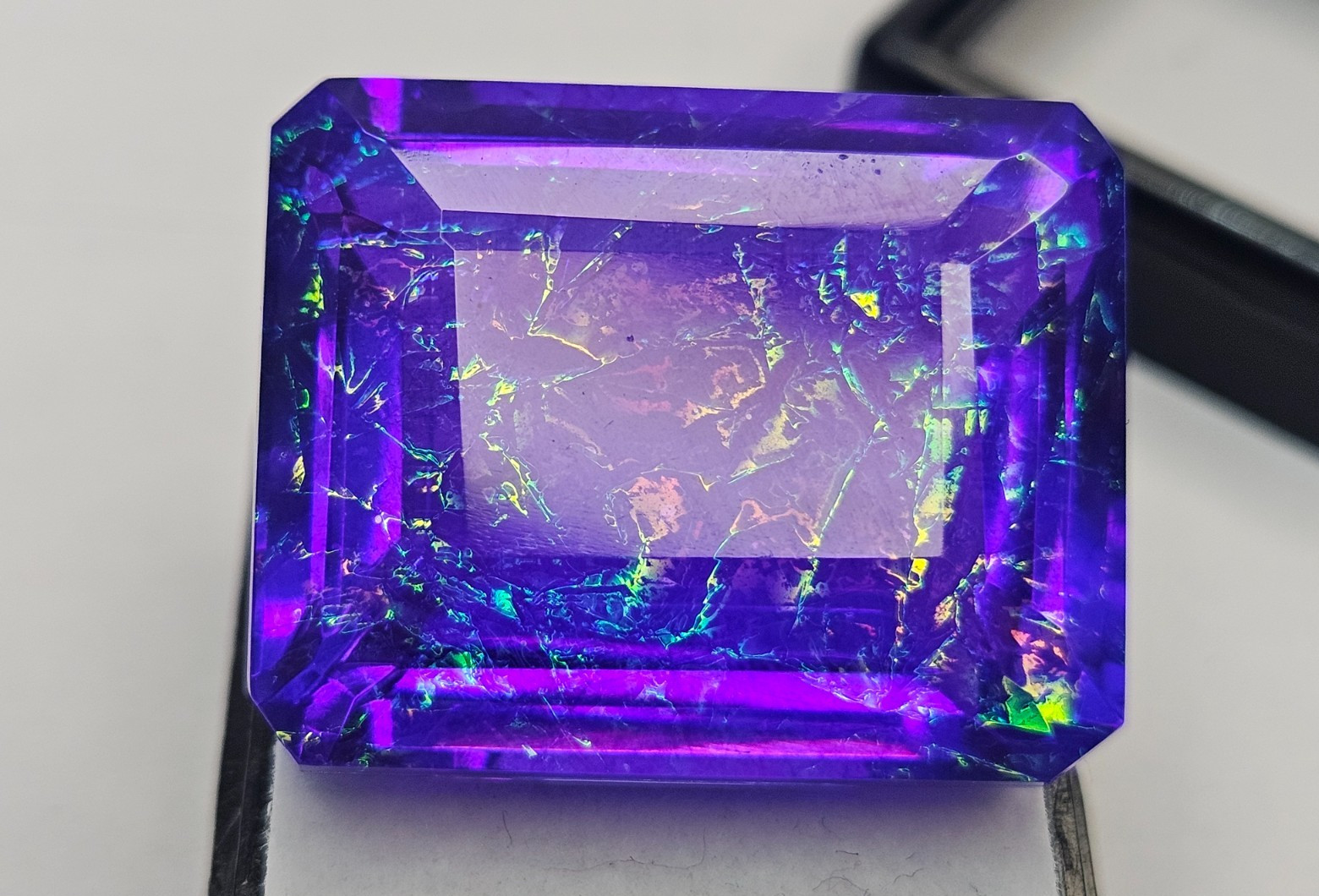

Photos from current listings. Actual item, color, and included accessories may vary.
Fire Opal Buying Guide
Fire opal is a transparent-to-translucent opal with a warm body color (yellow, orange, red) that may or may not show play-of-color; the core trade-off is natural vs. lab-created and whether you are paying for play-of-color or body color. The clear decision rule: buy natural fire opal only with explicit origin (Mexican or Ethiopian) and treatment disclosure, and treat any 'certified' claim without a named lab as a lab-created or assembled stone.
Median $20.02
Key takeaways
- Natural fire opal originates from Mexico (Querétaro) or Ethiopia (Wollo/Shewa); Mexican stones are typically orange-red with high transparency, Ethiopian stones often show stronger play-of-color but lower hardness stability.
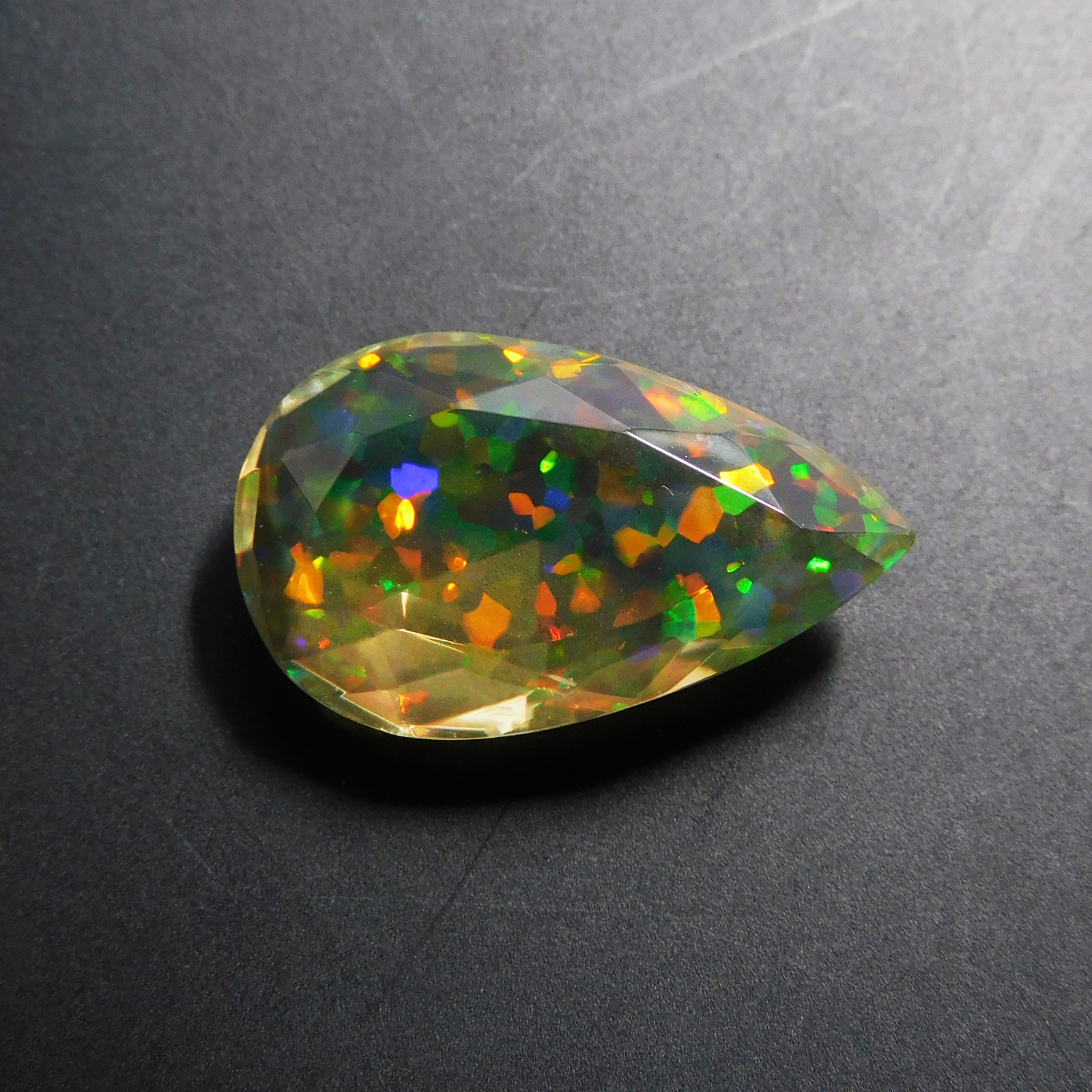
- Play-of-color is a directional optical effect from silica sphere diffraction; a stone can be vivid fire opal with zero play-of-color, so body color and play-of-color are priced separately.
- Lab-created opal is silica-based with controlled sphere size; it matches natural play-of-color but has no rarity premium and should be priced far below natural equivalents.
At a glance
- Category
- Loose Gemstones & Pearls
- Last updated
- Nov 28, 2026
Current offers
Highlights
- Natural fire opal originates from Mexico (Querétaro) or Ethiopia (Wollo/Shewa); Mexican stones are typically orange-red with high transparency, Ethiopian stones often show stronger play-of-color but lower hardness stability.
- Play-of-color is a directional optical effect from silica sphere diffraction; a stone can be vivid fire opal with zero play-of-color, so body color and play-of-color are priced separately.
- Lab-created opal is silica-based with controlled sphere size; it matches natural play-of-color but has no rarity premium and should be priced far below natural equivalents.
- Opal ranks 5.5-6.5 on Mohs and is non-crystalline (amorphous silica), so it is fragile for daily-wear rings and requires bezel or protective settings; Ethiopian opal is hydrophane and can absorb water and change appearance.
Best use cases
- Best fit: a collector or jeweler buying a loose natural Mexican fire opal for a pendant or bezel-set ring in the 1-5 ct range; skip calibrated parcels if you need matched pairs for earrings.
- Best fit: a budget buyer wanting vivid play-of-color for a fashion piece should choose lab-created fire opal; skip 'certified natural' claims at low prices because natural certified stones carry a real premium.
- Best fit: a rough-specimen buyer choosing Ethiopian fire opal rough for display or cutting; skip hydrophane Ethiopian stones for rings that will see water and hand-washing.
- Wrong fit: buying a large natural fire opal (10 ct+) as an investment without a named independent lab report; large natural stones are rare and the resale market is thin and illiquid.
Buying tips
- Sizing math for calibrated settings: standard oval sizes are 6x4, 7x5, 8x6, 9x7, 10x8 mm; buy the exact millimeter dimensions, not just carat weight, because opal density varies and a 2 ct stone can be different sizes.
- Certification rule: only trust reports from GIA, AGL, or Gem-A; a 'certified' label from an unnamed or in-house lab does not confirm natural origin or treatment status.
- Origin rule: Mexican fire opal should be described as from Querétaro; Ethiopian as Wollo or Shewa; vague 'natural fire opal' with no origin is a red flag for treated or assembled material.
- Treatment rule: natural fire opal may be untreated or sugar/ smoke treated; lab-created is never 'natural', and assembled doublets/triplets are common in opal and should be disclosed explicitly.
Specs
| Origin | Mexican (Querétaro) vs Ethiopian (Wollo) |
|---|---|
| Play-of-Color | Present (premium) vs body-color only |
| Creation | Natural vs lab-created vs assembled |
| Mohs Hardness | 5.5-6.5 (fragile, bezel-set) |
Related searches
What to check before buying
- Setting check: confirm the stone's exact millimeter dimensions against your bezel or prong setting's seat; opal cannot be resized or heated, so a 0.5 mm mismatch means a remake.
- Hardness check: plan a bezel or protected setting for rings; opal at Mohs 5.5-6.5 will scratch and chip in open prong settings worn daily.
- Water check: keep Ethiopian hydrophane opal away from soaking, hand-washing, and ultrasonic cleaners; Mexican fire opal is more stable but still avoid heat and steam.
- Report check: for any natural stone above roughly 2 ct, require a named-lab report stating natural vs. synthetic and any treatment; otherwise assume lab-created or treated.
FAQ
Data sources: eBay / Amazon listings and product attribute feeds. Updated Nov 28, 2026.
Some links on this page are affiliate links. If you buy after clicking one, we may earn a commission at no extra cost to you. This does not change which products appear here or their order. Affiliate disclosure.