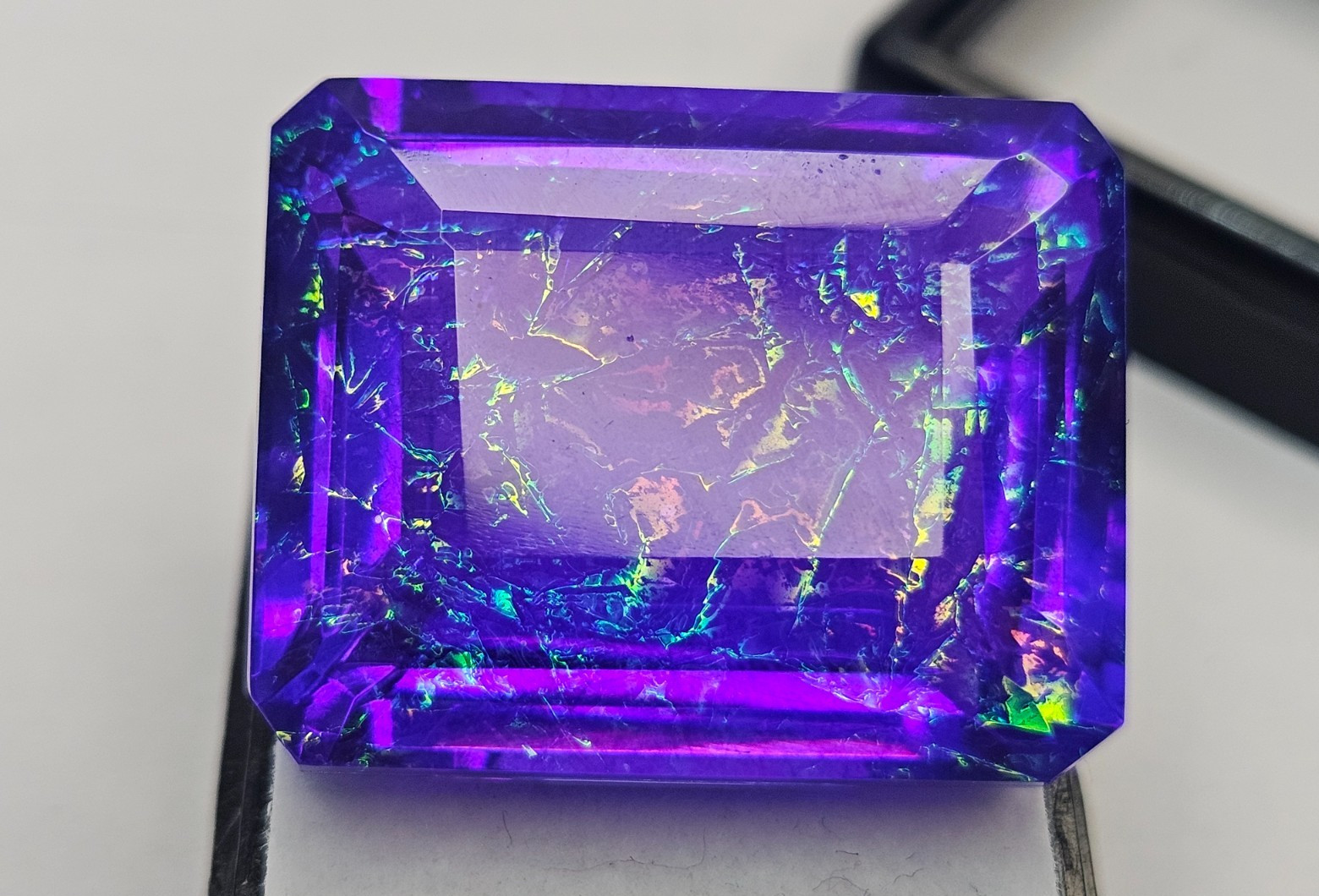

Photos from current listings. Actual item, color, and included accessories may vary.
Fire Opal Gem Buying Guide
Fire opal is a transparent-to-translucent hydrated silica gem defined by its warm body color (yellow through red) and optional play-of-color, with the primary trade-off between natural Mexican rough and lab-created or treated material. The decision rule: buy natural untreated fire opal only with explicit disclosure of origin and treatment, and treat any 'certified' label as meaningless unless it names the lab and the specific test performed.
Median $20.02
Key takeaways
- Fire opal is amorphous silica with 3–10% water content; natural stones can craze (crack) if they dry out, while lab-created opal is stabilized and will not craze.
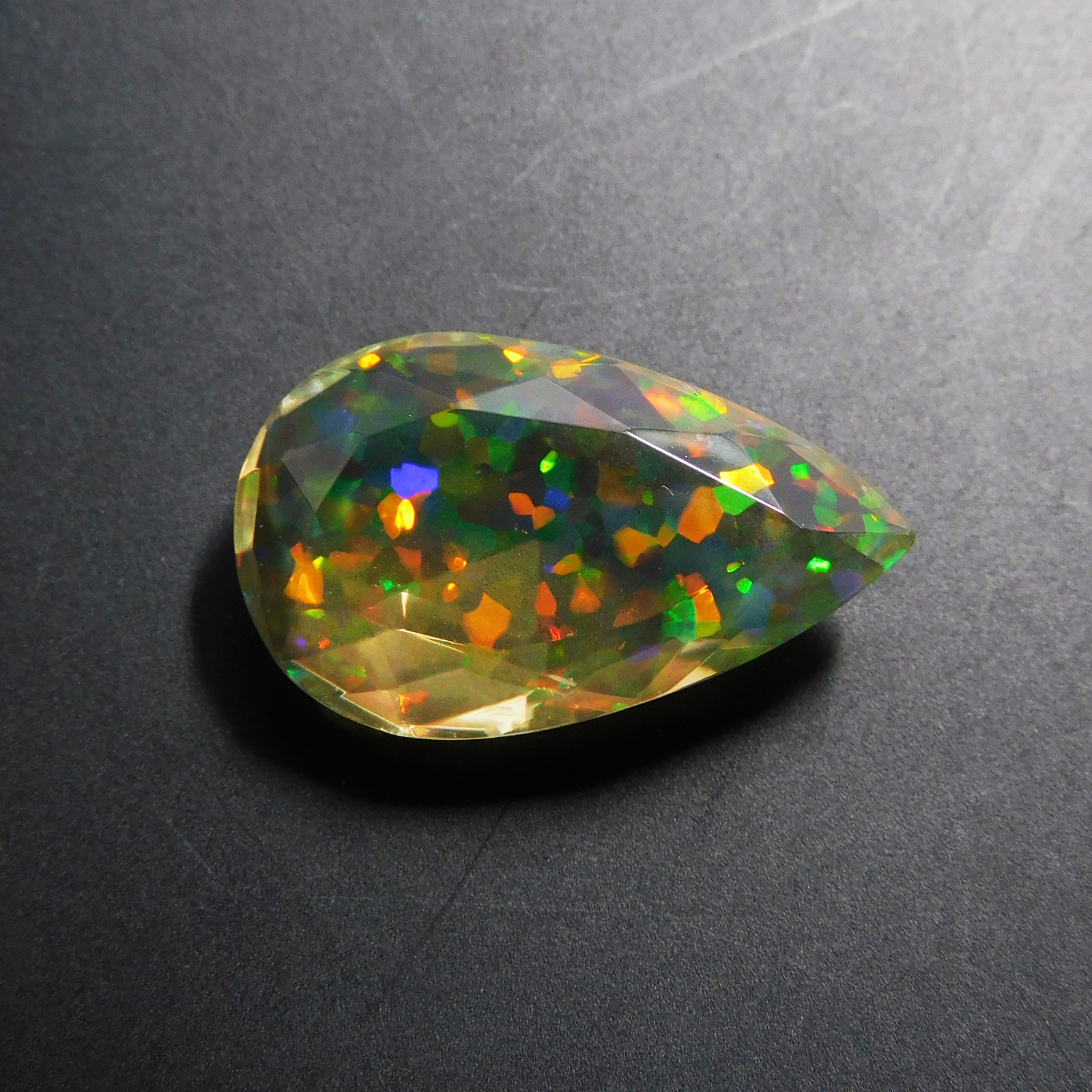
- Play-of-color is the value driver: 'precious fire opal' shows directional color flash, while 'common fire opal' is transparent orange with no play-of-color and sells at a fraction of the price.
- Mexico (Querétaro) is the primary natural source; stones are graded by body color saturation (cherry-red > orange-red > orange > yellow) and transparency.
At a glance
- Category
- Loose Gemstones & Pearls
- Last updated
- Nov 28, 2026
Current offers
Highlights
- Fire opal is amorphous silica with 3–10% water content; natural stones can craze (crack) if they dry out, while lab-created opal is stabilized and will not craze.
- Play-of-color is the value driver: 'precious fire opal' shows directional color flash, while 'common fire opal' is transparent orange with no play-of-color and sells at a fraction of the price.
- Mexico (Querétaro) is the primary natural source; stones are graded by body color saturation (cherry-red > orange-red > orange > yellow) and transparency.
- Lab-created opal uses silica spheres to simulate play-of-color and is chemically identical to natural opal, but has no resale or collector value; treatments like sugar-acid or smoke enhance contrast and must be disclosed.
Best use cases
- Best fit: a collector or investor seeking a natural, untreated Mexican fire opal with strong play-of-color should buy a single stone with a named lab report (e.g., GIA, AGL) stating 'natural opal, no evidence of treatment.'
- Wrong fit: a jeweler setting a ring for daily wear should skip hydrophane or high-water natural fire opal; choose a low-water, non-hydrophane stone or a lab-created/stable opal doublet to avoid crazing from moisture and temperature swings.
- Best fit: a budget buyer wanting a large, vivid orange-red stone for a pendant should choose lab-created or treated fire opal, since natural stones of that size and color command collector premiums.
- Wrong fit: a buyer expecting diamond-like hardness should skip fire opal entirely—it ranks 5.5–6.5 on Mohs and is unsuitable for unprotected daily-wear rings.
Buying tips
- Demand the report lab name and test type: 'certified' alone is marketing; a valid report states 'natural opal' or 'synthetic opal' and lists treatments (none, sugar-acid, smoke, fracture-filled).
- Compare body color and transparency: cherry-red transparent stones with play-of-color are top grade; yellow or milky stones with no play-of-color are common-grade and should be priced accordingly.
- Check carat weight against dimensions: fire opal is light (specific gravity ~2.0), so a 10-carat stone is roughly 2 cm across—confirm millimeter measurements, not just carat count, for setting fit.
- Avoid 'hydrophane' fire opal for jewelry that will contact water; hydrophane opal absorbs water, turns translucent, and can crack on drying—ask for non-hydrophane material or a sealed setting.
Specs
| Origin | Mexico (Querétaro) vs lab-created |
|---|---|
| Play-of-Color | Precious (flash) vs common (none) |
| Mohs Hardness | 5.5–6.5 (soft, brittle) |
| Treatment Disclosure | None / sugar-acid / smoke / lab-grown |
Related searches
What to check before buying
- Confirm the setting's millimeter opening matches the stone's actual length and width, not the carat weight—fire opal's low density means carat size overstates visible size.
- For natural fire opal, store at stable humidity (not in a dry safe) and avoid ultrasonic or steam cleaners; use a soft cloth and mild soap only.
- Verify the stone is not a doublet or triplet if buying 'solid opal'—a doublet has a thin opal layer glued to a backing and is worth far less.
- Check the return policy for loose gemstones specifically: once set or drilled, returns are typically void, so inspect the stone loose before committing to a jeweler.
FAQ
Data sources: eBay / Amazon listings and product attribute feeds. Updated Nov 28, 2026.
Some links on this page are affiliate links. If you buy after clicking one, we may earn a commission at no extra cost to you. This does not change which products appear here or their order. Affiliate disclosure.