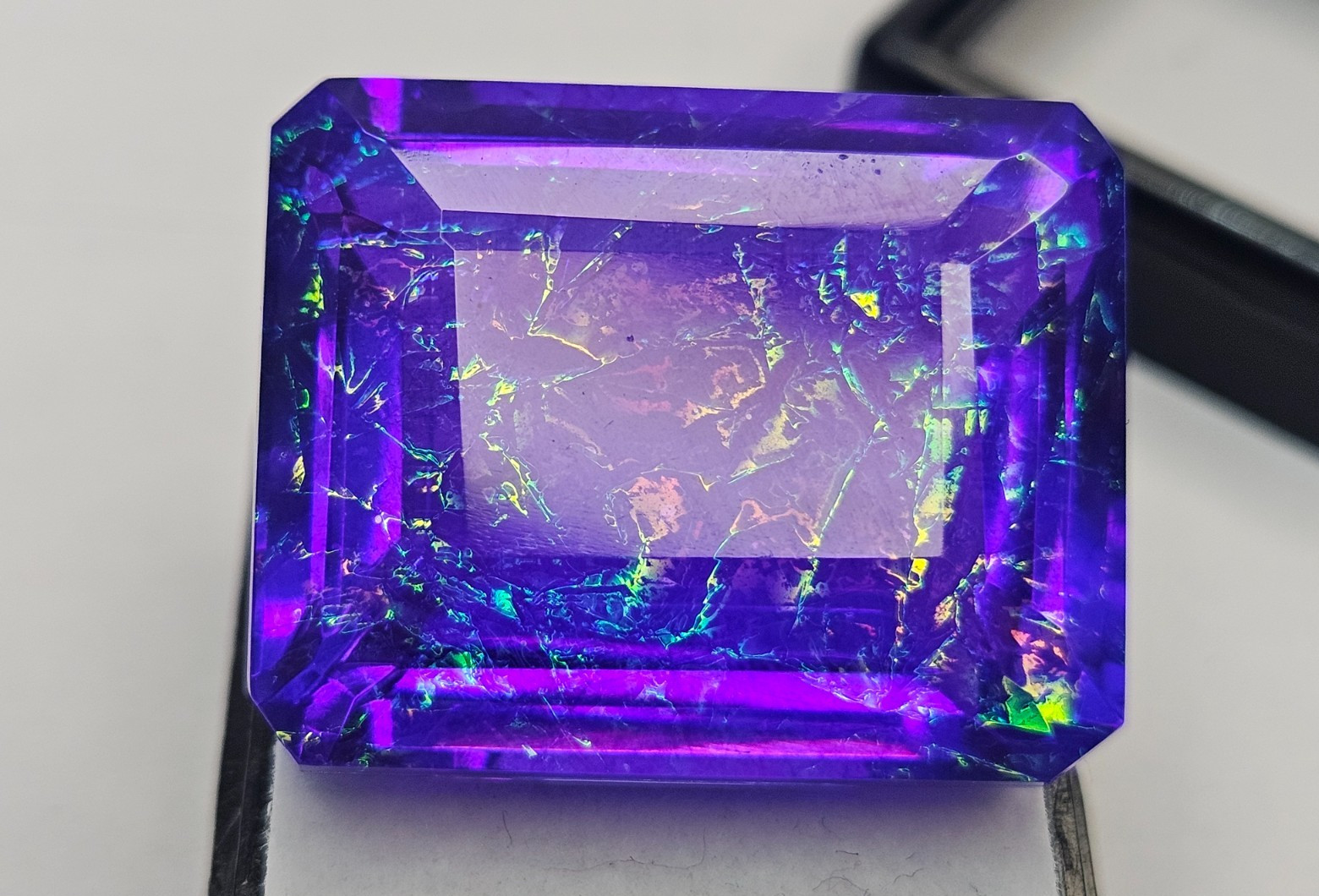

Photos from current listings. Actual item, color, and included accessories may vary.
Fire Opal Gemstone Buying Guide
Fire opal is a transparent-to-translucent opal ranging from yellow to deep orange-red, valued for body color rather than play-of-color (precious opal). The core trade-off is natural Mexican volcanic opal versus lab-created or treated material, and whether the stone is stable enough to set without crazing. The decision rule: buy natural untreated fire opal with stable body tone and no crazing for fine jewelry; choose lab-created for calibrated sizes and predictable durability at lower cost.
Median $20.02
Key takeaways
- Natural fire opal originates primarily from Mexico (Querétaro) and is classified by body color: yellow, orange, cherry-red, and rare deep red; play-of-color is secondary or absent.
- Lab-created fire opal matches the chemical composition (SiO₂·nH₂O) and is produced in calibrated sizes with consistent color, avoiding natural inclusions and crazing risk.
- Stability depends on water content: natural Mexican fire opal is relatively stable, but stones with high water content can craze (fine cracks) if exposed to rapid humidity or temperature changes.
At a glance
- Category
- Loose Gemstones & Pearls
- Last updated
- Nov 28, 2026
Current offers
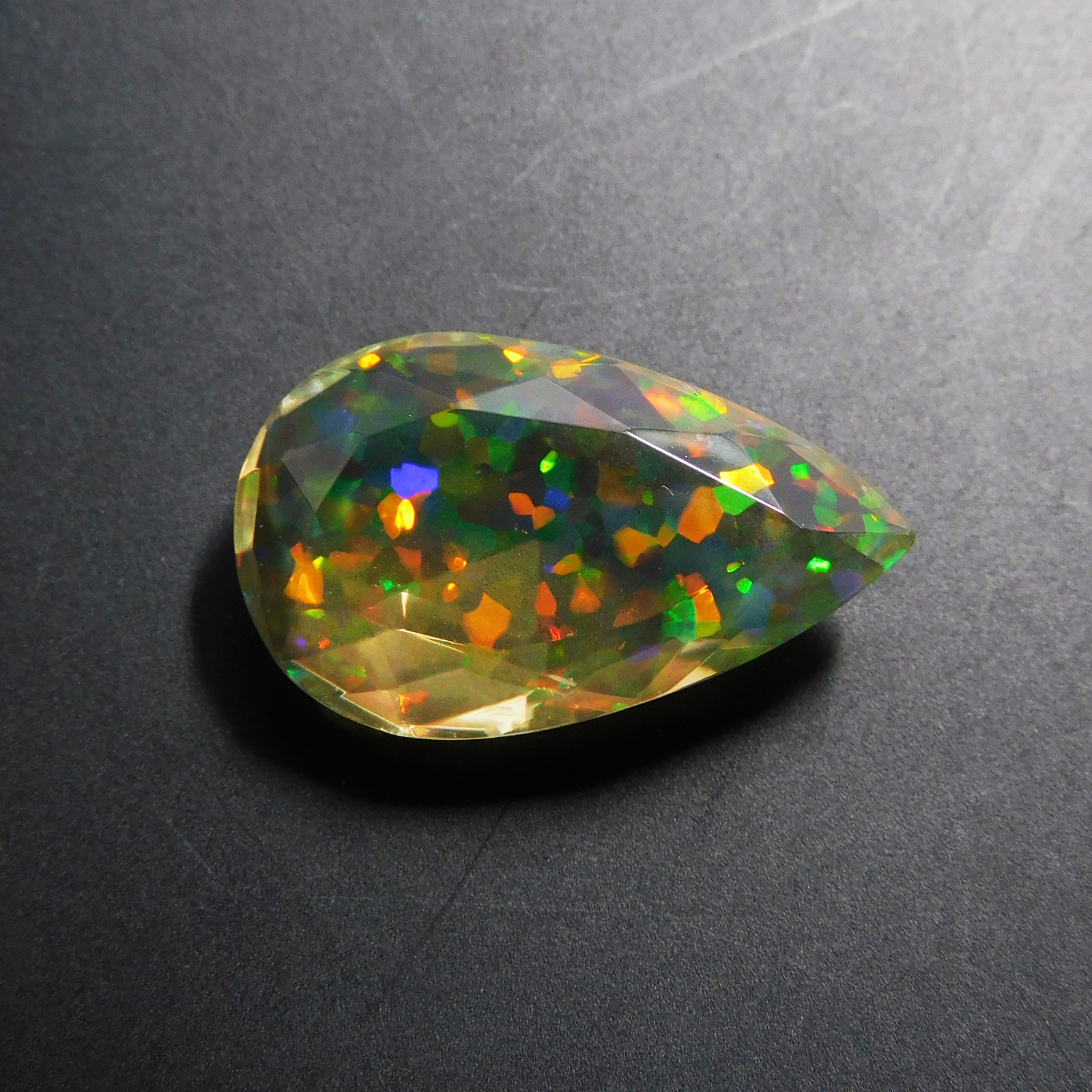
Highlights
- Natural fire opal originates primarily from Mexico (Querétaro) and is classified by body color: yellow, orange, cherry-red, and rare deep red; play-of-color is secondary or absent.
- Lab-created fire opal matches the chemical composition (SiO₂·nH₂O) and is produced in calibrated sizes with consistent color, avoiding natural inclusions and crazing risk.
- Stability depends on water content: natural Mexican fire opal is relatively stable, but stones with high water content can craze (fine cracks) if exposed to rapid humidity or temperature changes.
- Cut quality drives value: cabochons and calibrated ovals dominate; faceted fire opal (emerald, pear, oval cuts) requires clean transparency and is rarer in natural material.
Best use cases
- Best fit: natural Mexican fire opal cabochon or faceted stone for a statement ring or pendant—choose orange-to-red body color with eye-clean clarity and no visible crazing.
- Best fit: lab-created fire opal in calibrated sizes (e.g., 8x6 mm oval) for matched pairs, mass-produced jewelry, or budget-conscious designs—skip natural in these cases due to cost and availability.
- Wrong fit: high-impact daily-wear rings (e.g., men's signet) without protective bezel—fire opal ranks 5.5–6.5 on Mohs and chips easily; choose a bezel setting or skip opal entirely for rugged wear.
- Wrong fit: buying 'fire opal' without certification for investment—natural untreated Mexican fire opal with lab certification (e.g., GIA, AGL) holds value; lab-created or treated material does not.
Buying tips
- Demand lab certification for natural fire opal: reports from GIA, AGL, or equivalent confirm natural origin and detect treatments (e.g., sugar-acid treatment, dyeing).
- Check for crazing under 10x loupe: fine surface cracks indicate instability and will worsen; reject any stone with visible crazing regardless of color.
- Match cut to purpose: cabochons hide inclusions and suit opaque-to-translucent material; faceted cuts require transparent, clean rough and cost more per carat.
- Understand carat weight vs size: fire opal is lightweight (specific gravity ~2.0), so a 10 mm round cabochon weighs roughly 2–3 carats—buy by millimeter dimensions for setting fit, not carat weight alone.
Specs
| Origin | Natural Mexican vs Lab-created |
|---|---|
| Body Color | Yellow / Orange / Cherry-red / Deep red |
| Mohs Hardness | 5.5–6.5 (soft, chip-prone) |
| Cut Types | Cabochon / Oval / Pear / Emerald facet |
Related searches
What to check before buying
- Measure your setting's seat in millimeters (length x width) before buying loose; fire opal is sold by carat weight but set by millimeter dimensions—calibrated sizes (e.g., 10x8 mm) ensure fit.
- Confirm the stone is natural Mexican fire opal vs lab-created: request the certification report and check origin and treatment disclosures.
- Inspect for crazing and surface-reaching fractures with a loupe or magnified photo; stable stones show no fine cracks.
- Plan the setting: choose a bezel or protective halo for rings; prongs expose edges to chipping—avoid for daily-wear pieces.
FAQ
Data sources: eBay / Amazon listings and product attribute feeds. Updated Nov 28, 2026.
Some links on this page are affiliate links. If you buy after clicking one, we may earn a commission at no extra cost to you. This does not change which products appear here or their order. Affiliate disclosure.