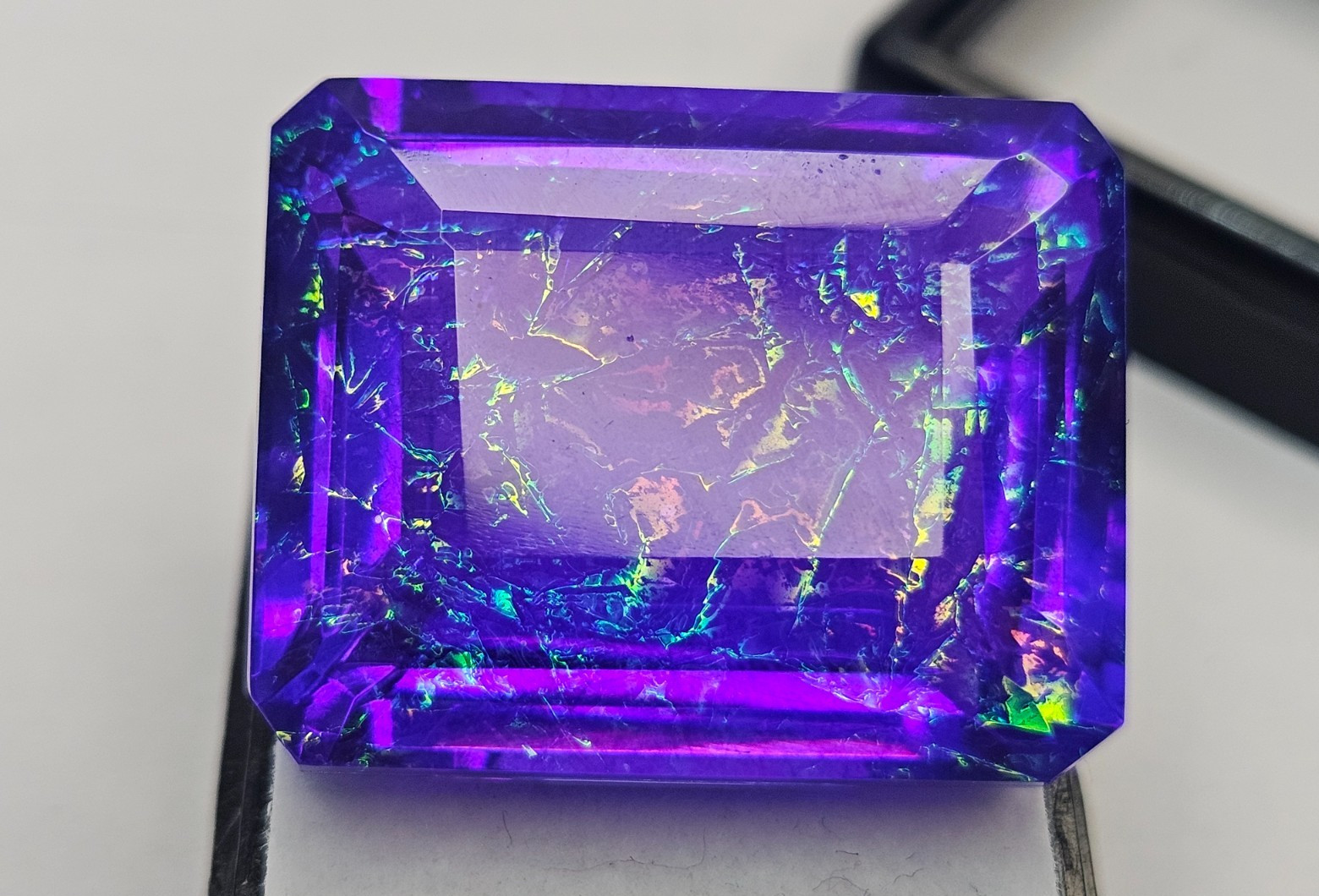

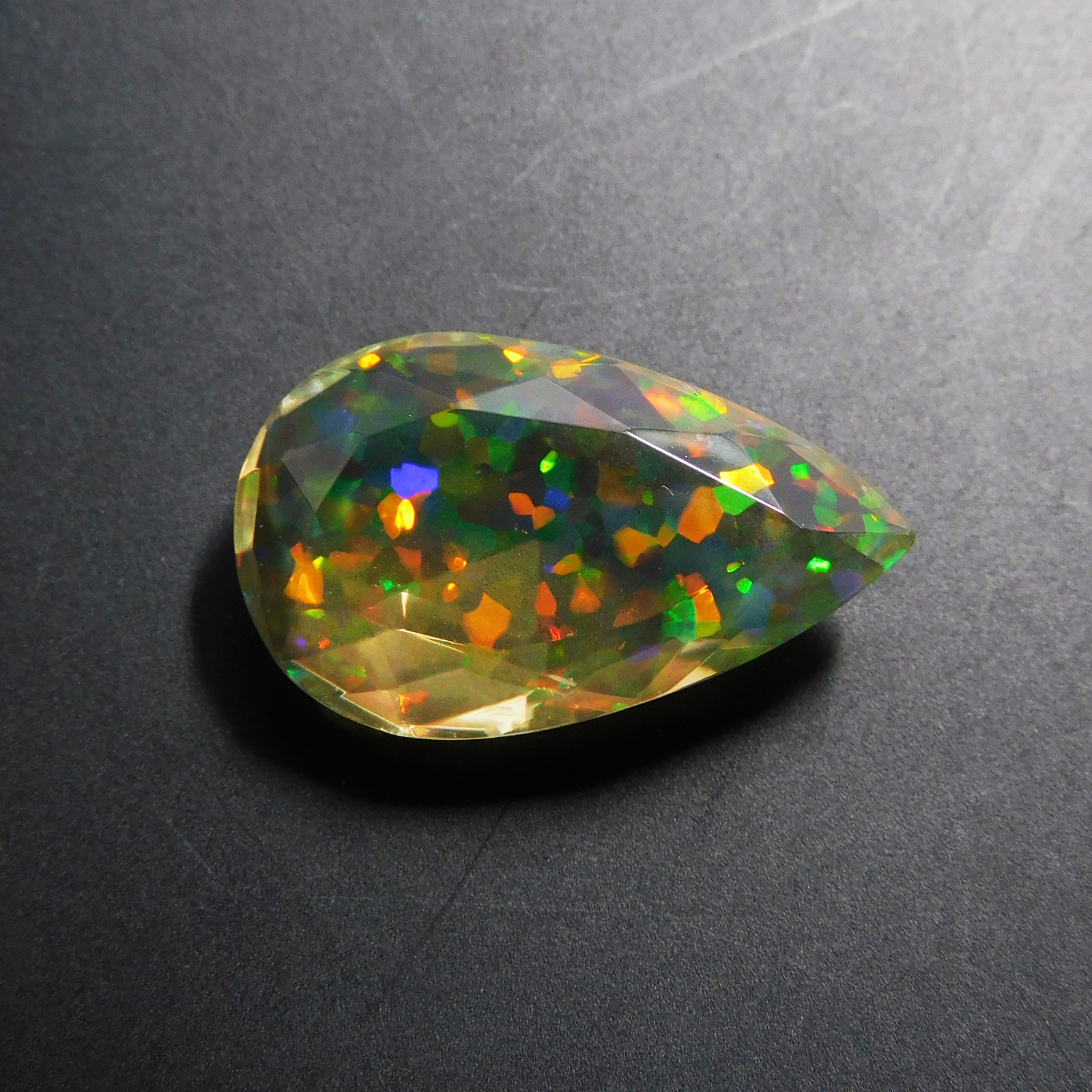
Photos from current listings. Actual item, color, and included accessories may vary.
Fire Opal Stone Buying Guide
Fire opal is a transparent-to-translucent opal prized for its warm body color (yellow through red) and optional play-of-color, sold as calibrated or free-size loose stones for custom jewelry. The core trade-off is natural Mexican origin versus lab-created material: natural stones carry matrix, color-zoning, and treatment risk, while lab-created stones offer uniform clarity and predictable cutting at lower hardness consistency. Buy natural stones only with disclosure of origin and treatment; buy lab-created when you need exact calibrated sizing and flawless clarity.
Median $20.02
Key takeaways
- Natural fire opal ranges 5.5–6.5 Mohs; lab-created opal is silica-based with similar hardness but fewer internal inclusions and no matrix.
- Play-of-color in natural fire opal is directional and rare; most commercial stones show uniform orange body color without spectral flash.
- Mexican fire opal (Querétaro) is the benchmark natural source; stones are often oiled or resin-treated to stabilize fractures—disclosure is mandatory.
At a glance
- Category
- Loose Gemstones & Pearls
- Last updated
- Nov 28, 2026
Current offers
Highlights
- Natural fire opal ranges 5.5–6.5 Mohs; lab-created opal is silica-based with similar hardness but fewer internal inclusions and no matrix.
- Play-of-color in natural fire opal is directional and rare; most commercial stones show uniform orange body color without spectral flash.
- Mexican fire opal (Querétaro) is the benchmark natural source; stones are often oiled or resin-treated to stabilize fractures—disclosure is mandatory.
- Lab-created fire opal is typically produced as solid silica or opal-doubled material; solid lab opal is stable, while doublets/triplets need bezel or protected settings.
Best use cases
- Best fit: natural Mexican fire opal cabochon or faceted stone for a pendant or bezel ring where warm body color and provenance matter; skip if budget requires calibrated mass production.
- Best fit: lab-created fire opal in calibrated rounds or ovals for matched pairs, halo accents, or production jewelry requiring identical color and size; skip if you require natural origin certification.
- Best fit: faceted natural fire opal above 8 mm for collector display or statement ring with protective setting; skip faceted stones under 6 mm—play-of-color and color saturation read poorly at small sizes.
- Wrong fit: high-impact daily-wear rings with prong settings for any opal—5.5–6.5 Mohs and cleavage mean chipping risk; choose bezel or pendant settings instead.
Buying tips
- Demand treatment disclosure: natural fire opal is commonly oiled, resin-impregnated, or fracture-filled; untreated stones command premiums and require lab reports.
- Match cut to durability: cabochons hide surface scratches and are standard for softer natural opal; faceted cuts suit lab-created or high-clarity natural stones in protected settings.
- Calibrated sizes follow standard jewelry gauges—6×4, 7×5, 8×6, 9×7 mm ovals and 6, 7, 8 mm rounds; free-size stones require custom settings and raise fabrication cost.
- Lab-created opal should be solid, not doublet/triplet, for rings; doublets (thin opal layer on backing) are acceptable only in pendants or earrings with bezel protection.
Specs
| Origin Type | Natural Mexican vs Lab-created |
|---|---|
| Mohs Hardness | 5.5–6.5 (both natural and lab) |
| Cut Style | Cabochon vs Faceted |
| Treatment | Untreated / Oiled / Resin-impregnated |
Related searches
What to check before buying
- Measure your setting's seat diameter and depth before buying: calibrated ovals and rounds must match within 0.2 mm; free-size stones need a custom bezel or prong adjustment.
- Confirm setting type: bezel or semi-bezel protects opal edges; prong settings expose cleavage planes and are unsuitable for stones above 8 mm in rings.
- Verify origin and treatment in writing: natural Mexican fire opal should state Querétaro origin and any oil/resin treatment; lab-created should state solid vs doublet/triplet.
- Check jewelry use: opal is heat- and shock-sensitive—avoid ultrasonic cleaners and steam; choose pendant or earring settings for stones with visible matrix or surface-reaching fractures.
FAQ
Data sources: eBay / Amazon listings and product attribute feeds. Updated Nov 28, 2026.
Some links on this page are affiliate links. If you buy after clicking one, we may earn a commission at no extra cost to you. This does not change which products appear here or their order. Affiliate disclosure.