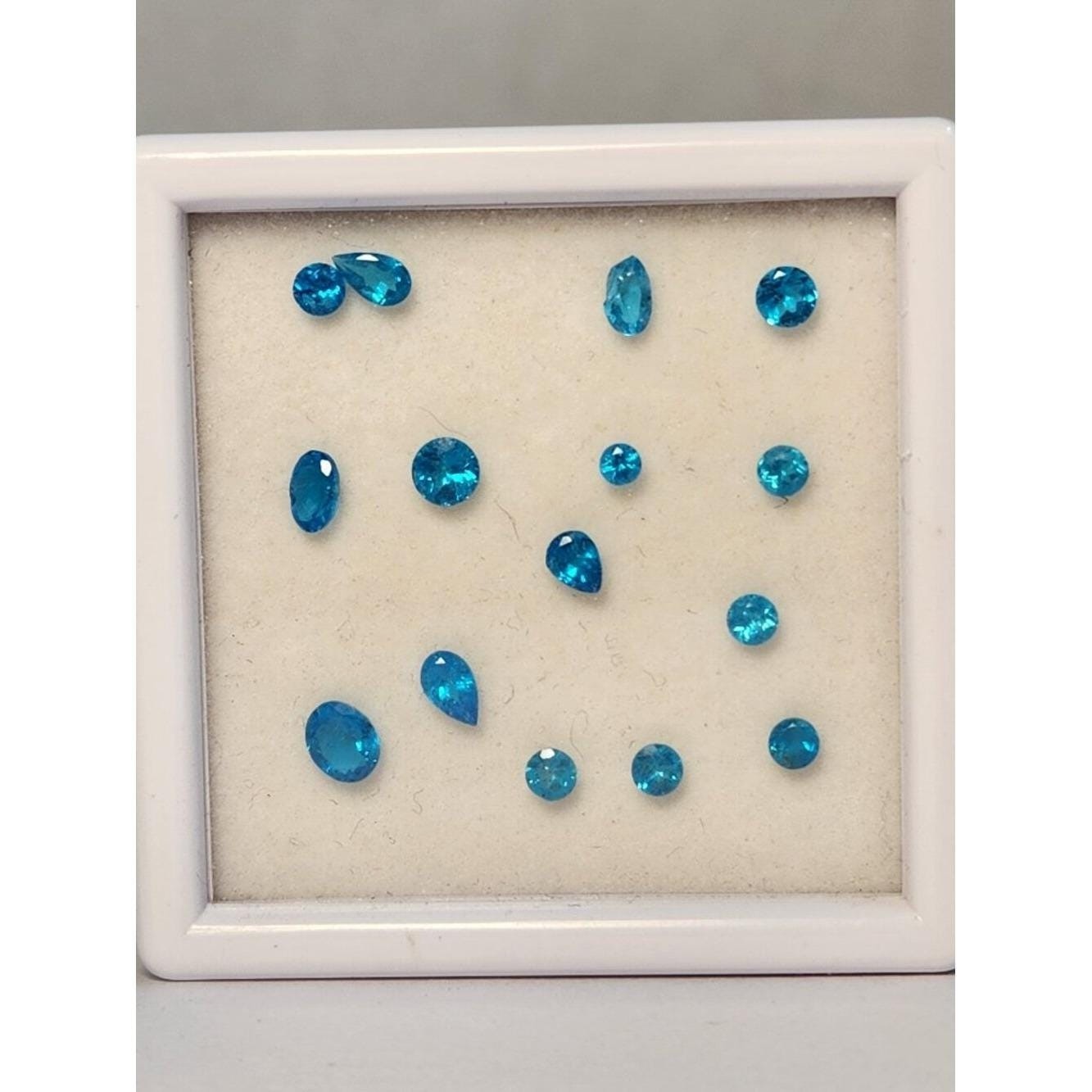

Photos from current listings. Actual item, color, and included accessories may vary.
Jtv Loose Gemstone Buying Guide
JTV loose gemstones are individual or parcel stones sold for custom jewelry, collecting, or resale, typically in calibrated or mixed sizes. The core trade-off is between natural untreated stones with visible inclusions and affordable treated or lab-created stones with cleaner clarity. The decision rule: buy natural, untreated stones only when the seller discloses treatment and origin; for budget custom work, choose calibrated lab-created or treated stones with explicit hardness and size specs.
Key takeaways
- Natural gemstones vary in hardness on the Mohs scale from 7 (quartz) to 9 (corundum), dictating durability for daily-wear rings versus pendants.
- Calibrated stones (e.g., 6mm round) fit standard mountings; mixed-shape parcels require custom settings and cost more to set.
- Treatment disclosure is critical: heated, irradiated, or dyed stones cost less and may fade; untreated natural stones command premiums.
At a glance
- Category
- Loose Gemstones & Pearls
- Last updated
- Nov 28, 2026
Current offers
Highlights
- Natural gemstones vary in hardness on the Mohs scale from 7 (quartz) to 9 (corundum), dictating durability for daily-wear rings versus pendants.
- Calibrated stones (e.g., 6mm round) fit standard mountings; mixed-shape parcels require custom settings and cost more to set.
- Treatment disclosure is critical: heated, irradiated, or dyed stones cost less and may fade; untreated natural stones command premiums.
- Lab-created stones match natural chemistry and hardness but carry lower resale value and are disclosed as synthetic.
Best use cases
- Best fit: custom engagement rings — choose calibrated round brilliant lab-created sapphire or natural heat-treated blue sapphire in 6.5mm for durability and setting availability.
- Best fit: collector parcels — buy natural untreated mineral specimens like apatite or rose quartz in mixed shapes for study or wire-wrapping.
- Wrong fit: daily-wear rings — skip soft stones under Mohs 7 (apatite, fluorite) unless bezel-set for protection.
- Wrong fit: standard settings — avoid mixed-shape lots unless you have a jeweler who can custom-cut prongs or bezels.
Buying tips
- Match stone hardness to wear: Mohs 8+ (spinel, sapphire) for rings, Mohs 6–7 (quartz, moonstone) for earrings and pendants.
- For standard mountings, buy calibrated sizes (e.g., 6mm, 8x6mm oval) rather than carat-weight-only listings.
- Natural apatite is Mohs 5 and brittle — set in protective bezels or use for pendants only, never daily rings.
- Rose quartz is Mohs 7 and tough enough for beads and cabochons; avoid facet-grade pieces with visible fractures for rings.
Specs
| Stone Type | Natural vs Lab-created vs Treated |
|---|---|
| Hardness | Mohs 5 (apatite) to 9 (sapphire) |
| Size Standard | Calibrated mm vs carat weight |
| Treatment | Untreated / Heated / Irradiated / Dyed |
Related searches
What to check before buying
- Confirm the stone's calibrated millimeter size matches your mounting's seat dimensions before buying.
- Check treatment disclosure: untreated natural stones need lab reports for value; treated stones must be labeled.
- Verify origin and seller reputation for natural parcels; mixed lots often include lower-grade or broken stones.
- Ensure your jeweler can set the shape and hardness; soft or included stones may need bezel or halo protection.
FAQ
Data sources: eBay / Amazon listings and product attribute feeds. Updated Nov 28, 2026.
Some links on this page are affiliate links. If you buy after clicking one, we may earn a commission at no extra cost to you. This does not change which products appear here or their order. Affiliate disclosure.