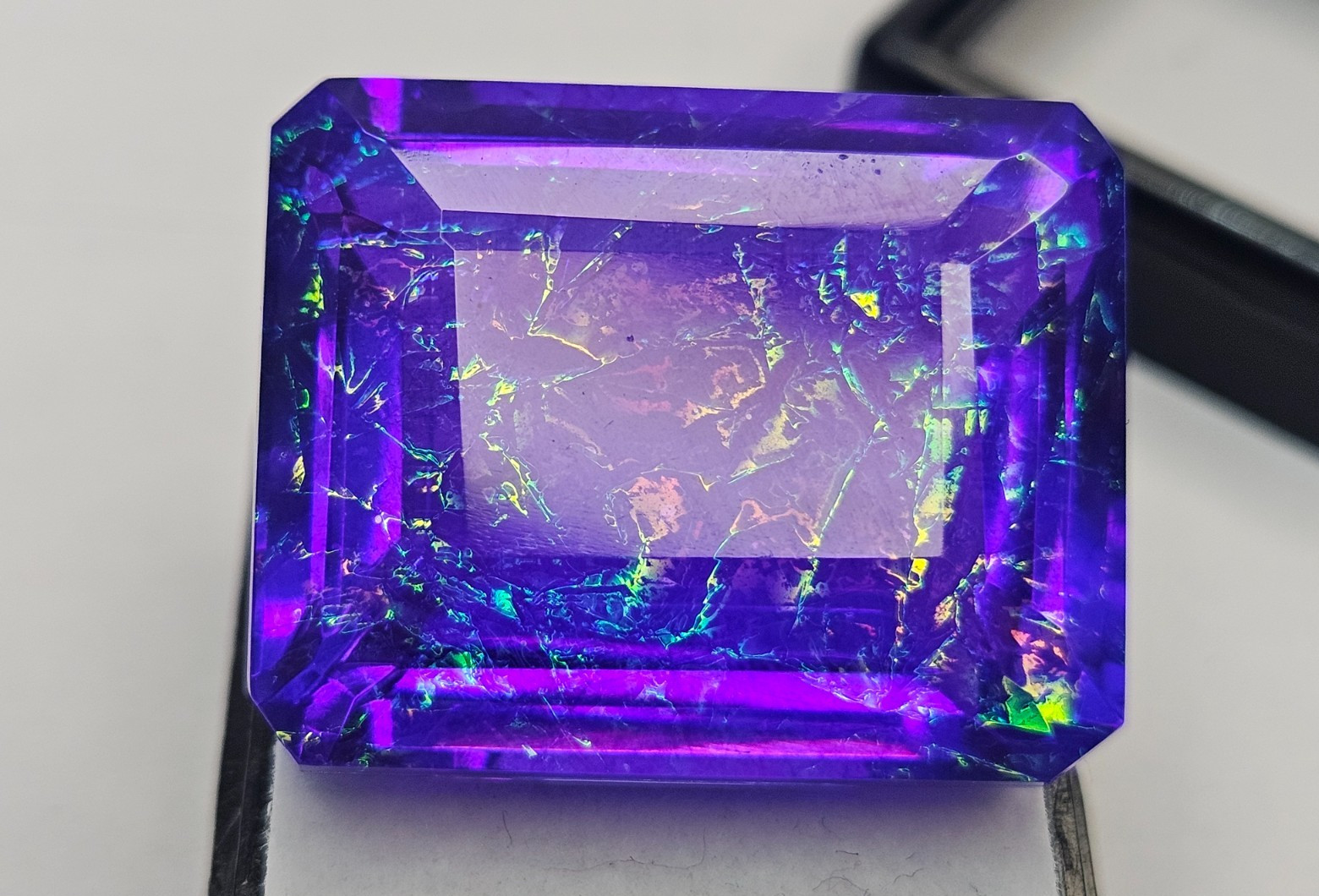

Photos from current listings. Actual item, color, and included accessories may vary.
Loose Fire Opal Buying Guide
Loose fire opal is a transparent-to-translucent hydrous silica gem prized for its vivid play-of-color, sold as calibrated or free-size stones for custom jewelry. The core trade-off is natural Mexican/ethiopian material with directional fire versus lab-created or treated stones with uniform color but lower durability risk. Buyers should prioritize certified natural origin, untreated status, and cut symmetry over carat weight alone, since large carat counts in low-grade material rarely translate to wearable fire.
Median $20.02
Key takeaways
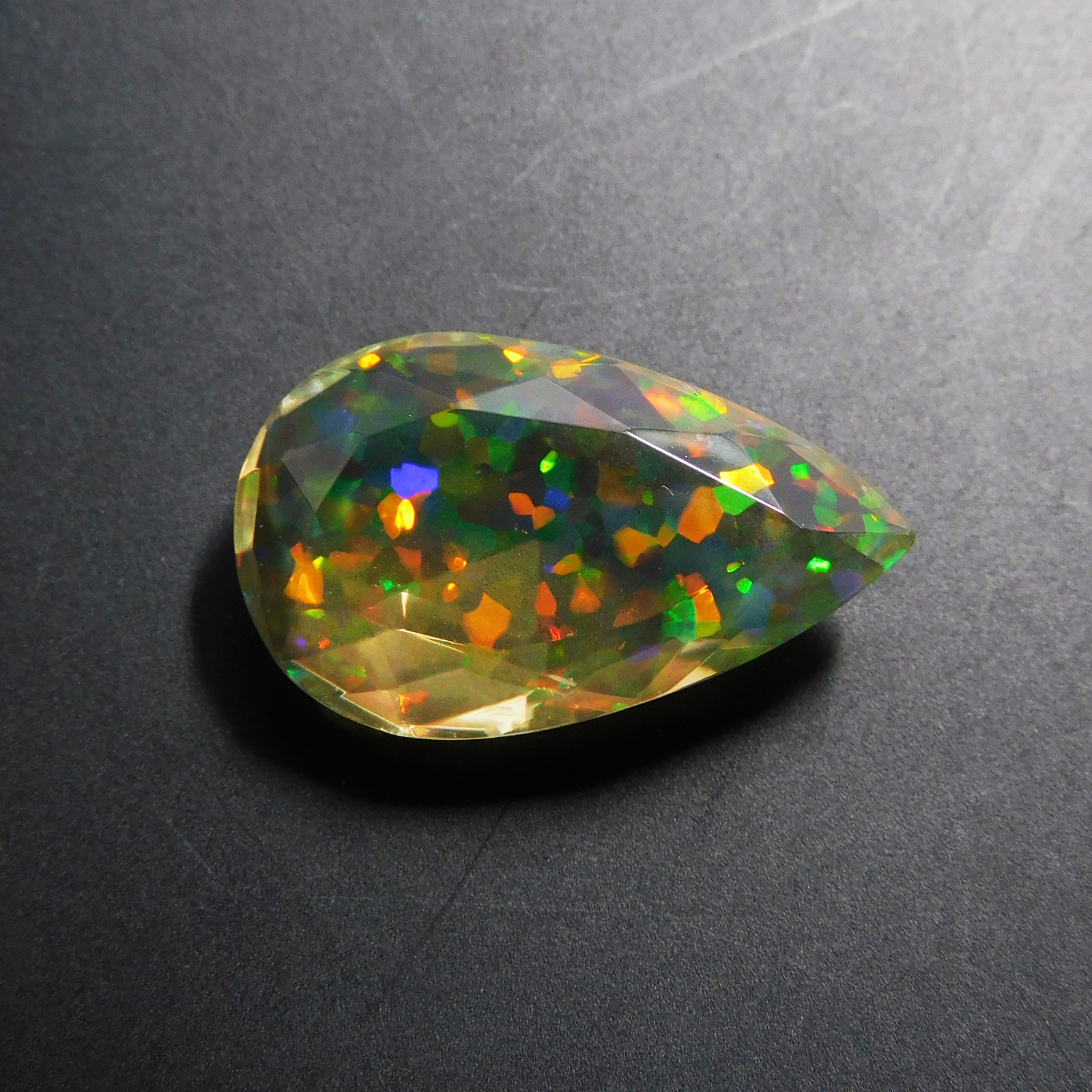
- Natural fire opal originates mainly from Mexico (Querétaro) and Ethiopia (Welo); Mexican material typically shows orange-red body color with green fire, while Ethiopian stones often have clearer body tone and broader pattern.
- Play-of-color is graded by intensity, pattern rarity (harlequin, flagstone, pinfire), and directionality; stones with fire visible only from one angle are worth significantly less than stones with 360-degree fire.
- Lab-created opals share the same silica chemistry but lack the water content and structural inclusions of natural stones; they resist crazing better but have lower collector value.
At a glance
- Category
- Loose Gemstones & Pearls
- Last updated
- Nov 28, 2026
Current offers
Highlights
- Natural fire opal originates mainly from Mexico (Querétaro) and Ethiopia (Welo); Mexican material typically shows orange-red body color with green fire, while Ethiopian stones often have clearer body tone and broader pattern.
- Play-of-color is graded by intensity, pattern rarity (harlequin, flagstone, pinfire), and directionality; stones with fire visible only from one angle are worth significantly less than stones with 360-degree fire.
- Lab-created opals share the same silica chemistry but lack the water content and structural inclusions of natural stones; they resist crazing better but have lower collector value.
- Certification from recognized gem labs (GIA, AIGS, GRs) confirms natural origin and treatment status; uncertified stones over 5 carats carry higher risk of being assembled doublets or treated with sugar/acid.
Best use cases
- Best fit: custom pendant or earrings in 18k gold or sterling silver — choose a certified natural Mexican fire opal with strong directional fire and a bezel or prong setting that protects the girdle.
- Best fit: collector or investor seeking rarity — select untreated Ethiopian Welo opal with harlequin or flagstone pattern and GIA/AIGS certification, skipping lab-created or fracture-filled stones.
- Wrong fit: daily-wear engagement ring — skip fire opal entirely unless the stone is set in a fully protective bezel and the wearer accepts re-polishing every few years; sapphire or diamond is the durable alternative.
- Wrong fit: budget jewelry-making in volume — avoid natural fire opal over 3 carats without certification; choose calibrated lab-created or stabilized doublet stones instead for consistent size and lower cost per piece.
Buying tips
- For rings, limit natural fire opal to under 2 carats and insist on a bezel setting; stones above 3 carats in prong settings are prone to girdle abrasion and impact fracture.
- Match stone size to standard calibrated molds: 6x4 mm, 7x5 mm, 8x6 mm, 10x8 mm are common for pendants and earrings; free-size stones require custom setting and add fabrication cost.
- Require certification for any natural fire opal over 5 carats; GIA or AIGS reports should state 'natural opal' and 'no evidence of treatment' — sugar/acid-treated Mexican opals are common in low-grade parcels.
- Check body color and fire direction: hold the stone under daylight and rotate it; fire visible only from the top indicates a shallow or doublet stone, while 360-degree fire indicates solid natural material.
Specs
| Origin | Mexican vs Ethiopian (Welo) |
|---|---|
| Treatment | Untreated natural vs stabilized/lab |
| Hardness | Mohs 5.5–6.5 |
| Cut & Size | Calibrated mm vs free-size carats |
Related searches
What to check before buying
- Measure your setting's opening or bezel inner diameter before buying; fire opal is cut in calibrated sizes, and a 1 mm mismatch requires a custom setting.
- Confirm stone thickness: faceted fire opals under 3 mm depth are fragile and suit pendants or earrings only, not rings.
- Verify lighting conditions for color grading: evaluate fire under neutral daylight (5000–6500K), not warm incandescent, which exaggerates orange body color.
- Check treatment disclosure: natural fire opal should be untreated; stabilized or fracture-filled stones are common in low-grade parcels and should be priced accordingly.
FAQ
Data sources: eBay / Amazon listings and product attribute feeds. Updated Nov 28, 2026.
Some links on this page are affiliate links. If you buy after clicking one, we may earn a commission at no extra cost to you. This does not change which products appear here or their order. Affiliate disclosure.