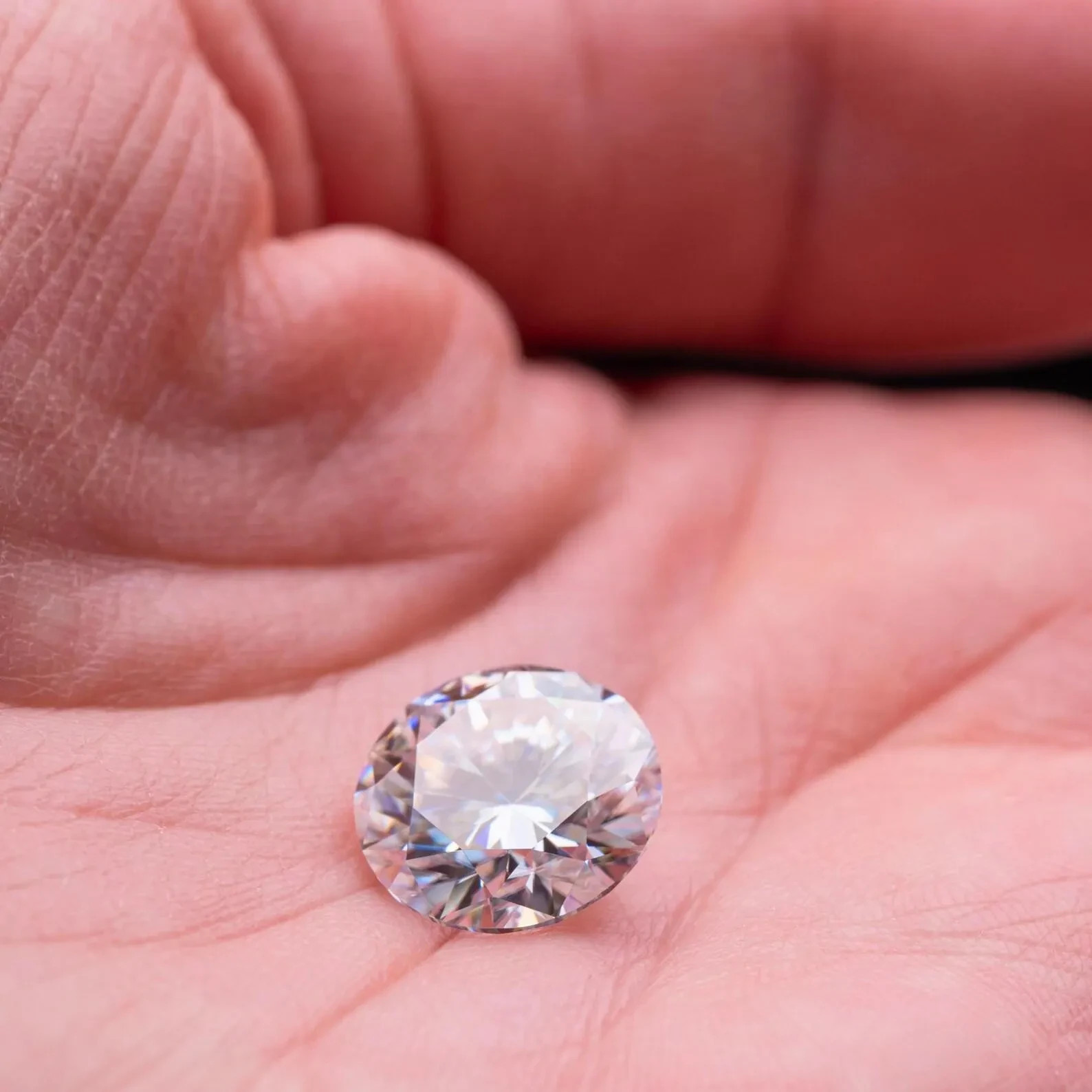

Photos from current listings. Actual item, color, and included accessories may vary.
Loose Natural Diamond Buying Guide
Loose natural diamonds are certified, unmounted stones sold by carat, cut, color, and clarity for custom jewelry or investment. The core trade-off is between the 4Cs and certification: GIA-graded stones with strong cut grades hold value and sparkle, while uncertified or self-graded 'bargain' stones hide clarity and color compromises. The decision rule: buy only stones with a GIA (or AGS) report and a cut grade of Excellent or Ideal; skip any listing relying on vague in-house grades or 'D Grade' claims without a report number.
Key takeaways
- GIA grading report is the industry benchmark: it independently verifies carat weight, color (D–Z), clarity (FL–I3), and cut (Excellent–Poor) with a laser-inscribed girdle number.
- Cut grade drives light performance more than color or clarity: an Excellent/Ideal cut round brilliant returns maximum brilliance, while Good or Fair cuts leak light and look dull even at D/FL.
- Natural diamond chemistry is cubic carbon (hardness 10 Mohr); lab-grown stones share the same chemistry but cost far less and are identified by 'Laboratory-Grown' on the report.
At a glance
- Category
- Loose Gemstones & Pearls
- Last updated
- Nov 28, 2026
Current offers
Highlights
- GIA grading report is the industry benchmark: it independently verifies carat weight, color (D–Z), clarity (FL–I3), and cut (Excellent–Poor) with a laser-inscribed girdle number.
- Cut grade drives light performance more than color or clarity: an Excellent/Ideal cut round brilliant returns maximum brilliance, while Good or Fair cuts leak light and look dull even at D/FL.
- Natural diamond chemistry is cubic carbon (hardness 10 Mohr); lab-grown stones share the same chemistry but cost far less and are identified by 'Laboratory-Grown' on the report.
- Carat is weight, not size: a 1.00 ct round brilliant measures about 6.4–6.5 mm; a 3.20 ct stone spans roughly 9.3–9.4 mm, so diameter (mm) is the truest visual-size check.
Best use cases
- Best fit: engagement or fine-jewelry center stones — pick a GIA Excellent-cut round or fancy shape in G–H color and VS1–VS2 clarity for a near-colorless, eye-clean stone at sensible value.
- Best fit: investment or heirloom pieces — choose D–F color, VVS1–VS2 clarity, Excellent cut, and a GIA report with no fluorescence for maximum liquidity and resale.
- Wrong fit: budget-first shoppers who only want sparkle — skip natural diamond and buy a lab-grown or moissanite stone instead; natural prices carry a scarcity premium you will not recover.
- Wrong fit: anyone offered a 'certified D grade VVS1' stone without a GIA/AGS report number — skip it; those are self-issued grades that cannot be verified or resold.
Buying tips
- Demand a GIA or AGS report number and verify the laser inscription on the girdle matches the paper; an unverifiable certificate is worth less than the paper it is printed on.
- Prioritize cut over color and clarity: an Excellent-cut H/VS2 stone out-sparkles a Poor-cut D/IF stone, so never trade cut grade for a higher color letter.
- Use the 6.4 mm-per-carat rule for round brilliants (about 6.5 mm at 1 ct, 8.1 mm at 1.5 ct, 9.3 mm at 3.2 ct) to judge visual size rather than trusting carat weight alone.
- Reject strong or very strong blue fluorescence on D–F color stones; it can make the stone milky, though faint fluorescence on G–J color is harmless and often a value buy.
Specs
| Certification | GIA or AGS report required |
|---|---|
| Cut Grade (Round) | Excellent / Ideal only |
| Color Scale | D (colorless) to Z (tinted) |
| Clarity Scale | FL / IF to I3 (VS1–VS2 eye-clean) |
Related searches
What to check before buying
- Confirm the stone's exact millimeter diameter and depth percentage — a too-deep cut (over 62.5% depth on rounds) hides weight and reduces face-up size.
- Match the stone to its intended setting: a 9.3 mm round needs a 9.5 mm head or bezel; verify the setting manufacturer's stone-size range before committing.
- Check the report's polish and symmetry grades — both should be Excellent or Very Good; Fair or Poor symmetry throws off light return and setting fit.
- Verify the seller's return window in days and whether the stone ships with its original GIA report and inscription intact — a report-less return voids the stone's provenance.
FAQ
Data sources: eBay / Amazon listings and product attribute feeds. Updated Nov 28, 2026.
Some links on this page are affiliate links. If you buy after clicking one, we may earn a commission at no extra cost to you. This does not change which products appear here or their order. Affiliate disclosure.