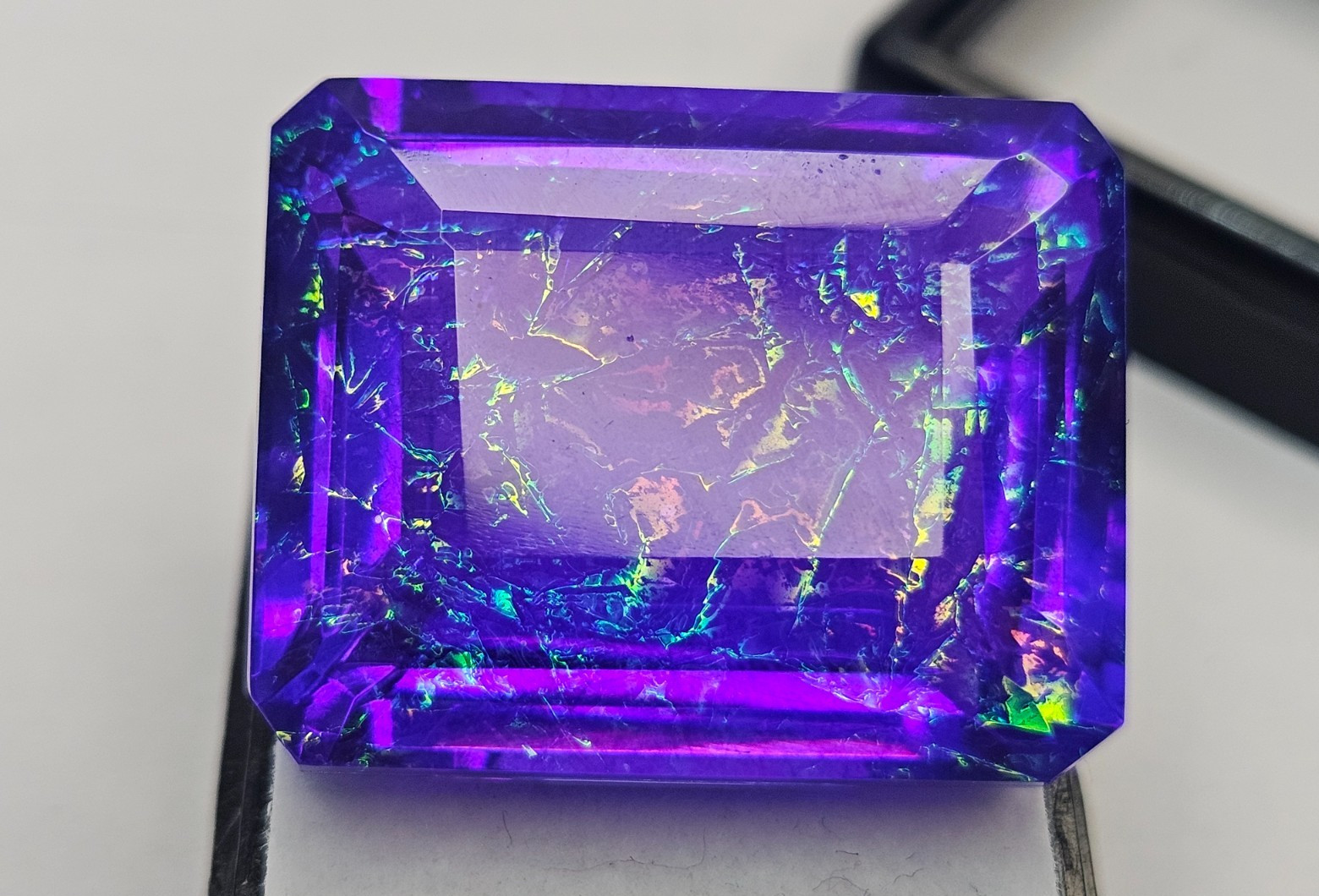

Photos from current listings. Actual item, color, and included accessories may vary.
Loose Opal Gemstone Buying Guide
Loose opal gemstones are sold by body tone, play-of-color, and treatment status, with the primary trade-off being natural versus lab-created/simulant material at any given size. The clear decision rule: buy natural solid opal only with explicit body-tone, brightness, and treatment disclosure, and treat 'fire opal' listings without origin or treatment data as decorative simulants.
Median $20.02
Key takeaways
- Natural solid opal grades by body tone (N1 black to N9 white) and brightness (B1–B7); black opal with B1–B3 commands the highest tier.
- Lab-created opal replicates silica spheres and is chemically identical to natural opal but has no investment value; simulants like foil-backed glass are not opal.
- Doublets and triplets bond thin opal slices to black potch or clear dome; they wear faster and must never be immersed or ultrasonic-cleaned.
At a glance
- Category
- Loose Gemstones & Pearls
- Last updated
- Nov 28, 2026
Current offers
Highlights
- Natural solid opal grades by body tone (N1 black to N9 white) and brightness (B1–B7); black opal with B1–B3 commands the highest tier.
- Lab-created opal replicates silica spheres and is chemically identical to natural opal but has no investment value; simulants like foil-backed glass are not opal.
- Doublets and triplets bond thin opal slices to black potch or clear dome; they wear faster and must never be immersed or ultrasonic-cleaned.
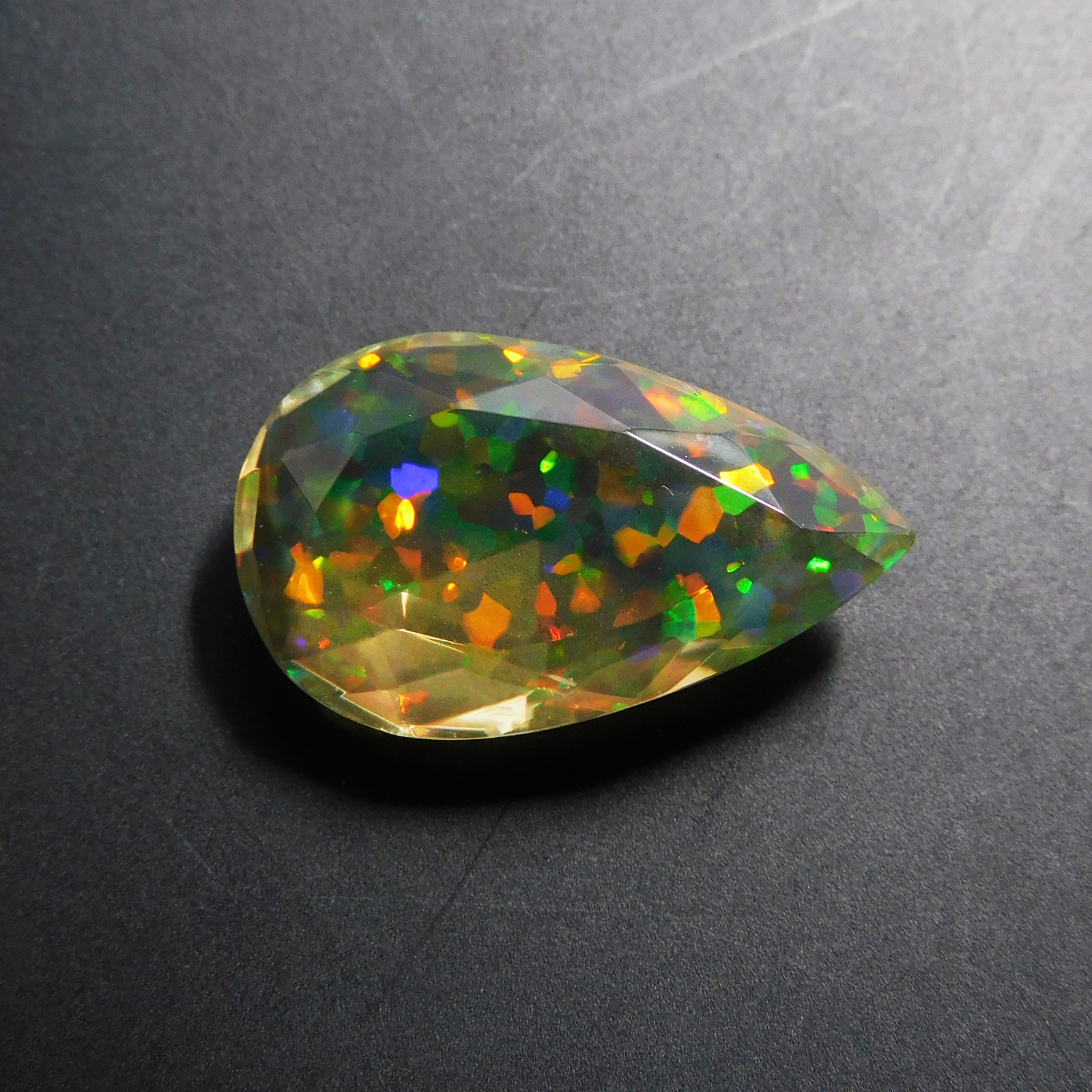
- Fire opal is transparent-to-translucent orange-red body color from Mexico; most faceted 'fire opal' is treated or lab-created unless certified natural.
Best use cases
- Best fit: collectors and investment buyers should choose natural solid black or boulder opal with N1–N4 body tone and B1–B4 brightness plus a recognized lab report.
- Best fit: jewelry makers setting rings or pendants should pick solid opal or a triplet for abrasion resistance, and skip doublets for open-back settings.
- Wrong fit: anyone wanting a durable everyday stone should skip hydrophane or white opal in rings and choose boulder opal or a hard-domed triplet instead.
- Wrong fit: budget decorative buyers should skip 'certified natural' claims on large faceted fire opal and accept lab-created or glass simulant explicitly.
Buying tips
- Demand body tone and brightness on the listing: N1–N4 with B1–B3 is top-tier black opal; N7–N9 white opal should be priced far lower per carat.
- Check treatment wording: 'lab-created', 'simulant', 'doublet', and 'triplet' are not solid natural opal and must be disclosed before purchase.
- Use the 1:5 size rule: a 10×8 mm oval opal needs a 14×12 mm setting opening because opal is set with a bezel or prong allowance of 2 mm per side.
- Prefer boulder opal or ironstone-backed solid for rings; avoid hydrophane opal (Ethiopian Welo) in water-exposed jewelry because it absorbs liquid and can craze.
Specs
| Opal Type | Solid natural / Doublet / Triplet / Lab-created |
|---|---|
| Body Tone | N1 (black) to N9 (white) |
| Brightness Grade | B1 (brightest) to B7 (dull) |
| Fire Opal Origin | Mexican Querétaro natural vs lab-created |
Related searches
What to check before buying
- Confirm the setting opening and depth: opal cabochons are typically 3–5 mm thick, and shallow bezels will not seat a high dome.
- Verify the gem is solid natural, doublet, triplet, or lab-created, and match that to your cleaning method and wear exposure.
- Check certification: a recognized gem lab report should state 'natural opal' with no treatment, or explicitly state 'lab-created'.
- For fire opal, confirm origin (Mexican Querétaro) and whether it is faceted natural, treated, or lab-created before comparing carat weight.
FAQ
Data sources: eBay / Amazon listings and product attribute feeds. Updated Nov 28, 2026.
Some links on this page are affiliate links. If you buy after clicking one, we may earn a commission at no extra cost to you. This does not change which products appear here or their order. Affiliate disclosure.