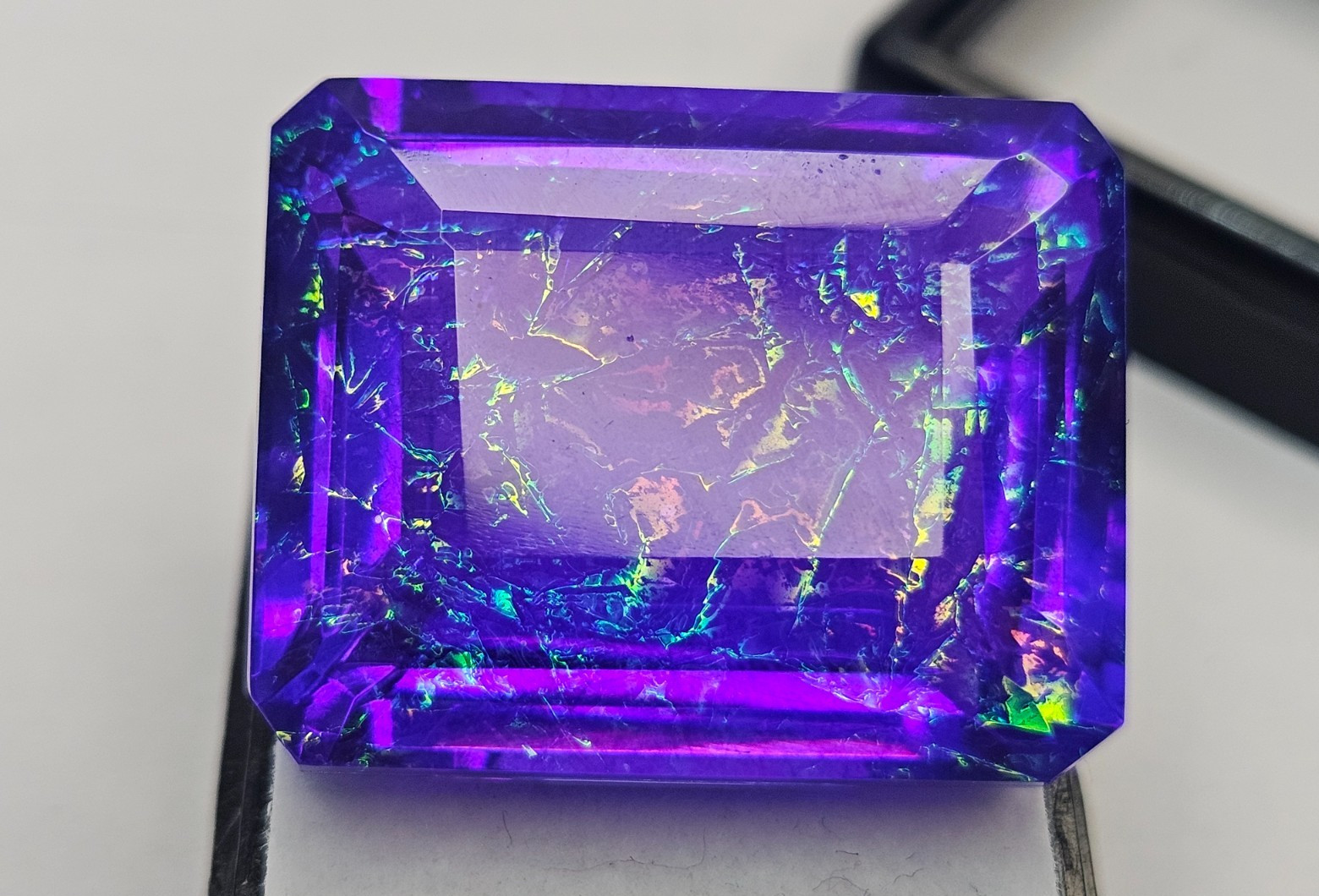

Photos from current listings. Actual item, color, and included accessories may vary.
Loose Opal Stone Buying Guide
Loose opal stones are hydrated amorphous silica gemstones sold by carat weight for custom jewelry, with the core trade-off between natural precious opal's play-of-color and the lower cost, higher durability of lab-created or treated material. Buyers must distinguish solid natural opal from doublets, triplets, and lab-grown varieties, because only solid natural opal holds long-term gem value while assembled and synthetic stones serve budget or practice settings.
Median $20.02
Key takeaways
- Natural precious opal is 3-6% water by weight and ranks 5.5-6.5 on Mohs scale, making it softer and more shock-sensitive than quartz or sapphire.
- Solid opal is a single cut stone; doublets glue a thin opal layer to a dark backing and triplets add a clear quartz or glass cap, cutting material cost but limiting durability and value.
- Lab-created opal replicates silica spheres in a lab and matches natural play-of-color but has near-zero resale value compared with natural precious opal.
At a glance
- Category
- Loose Gemstones & Pearls
- Last updated
- Nov 28, 2026
Current offers
Highlights
- Natural precious opal is 3-6% water by weight and ranks 5.5-6.5 on Mohs scale, making it softer and more shock-sensitive than quartz or sapphire.
- Solid opal is a single cut stone; doublets glue a thin opal layer to a dark backing and triplets add a clear quartz or glass cap, cutting material cost but limiting durability and value.
- Lab-created opal replicates silica spheres in a lab and matches natural play-of-color but has near-zero resale value compared with natural precious opal.
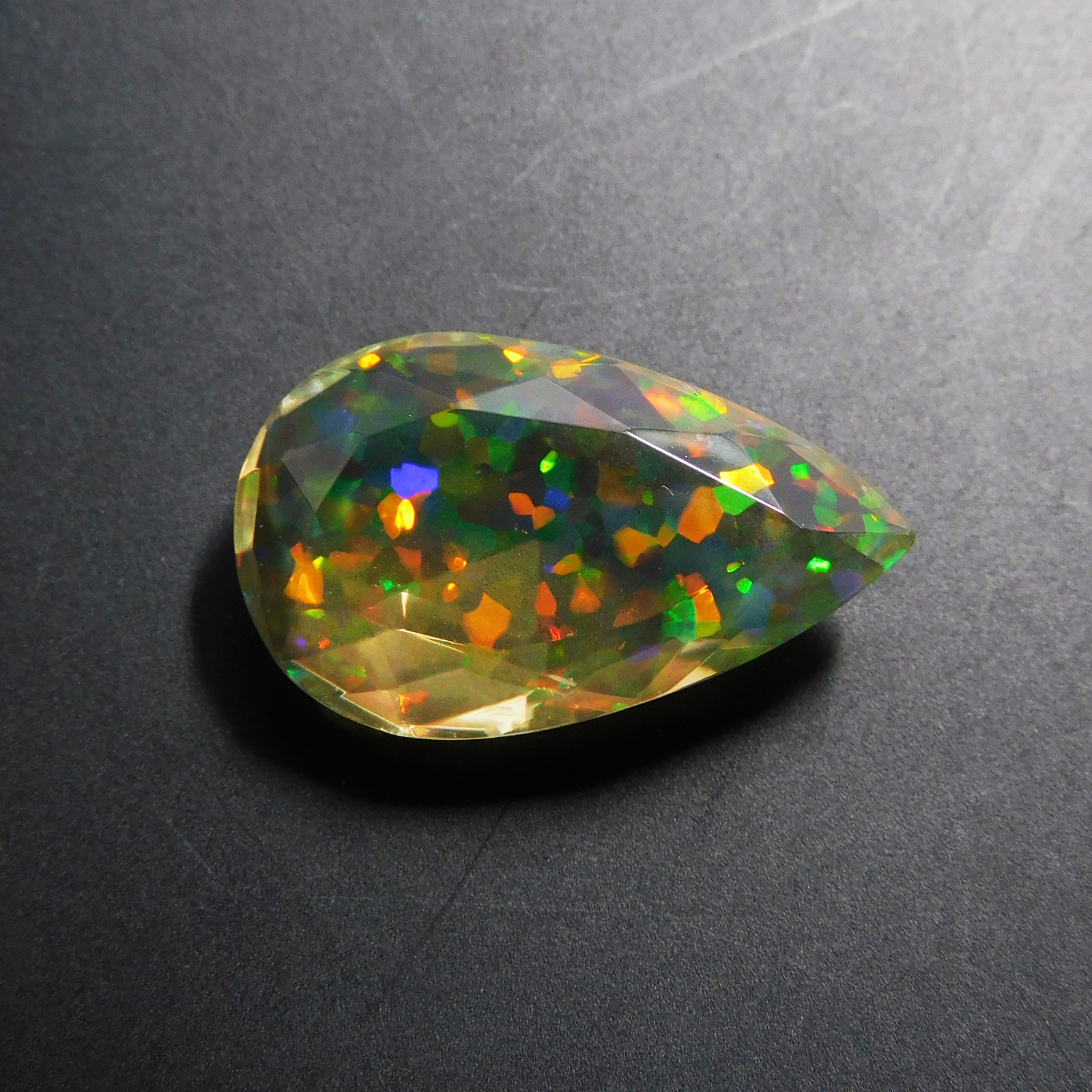
- Fire opal from Mexico is transparent to translucent orange-red and often faceted, while Australian black opal is the rarest and most valuable body-tone category.
Best use cases
- Choose solid natural precious opal for engagement or heirloom rings set in protective bezels; skip doublets and triplets for daily-wear rings because glue layers can delaminate.
- Pick lab-created or triplet opal for budget pendants, earrings, and practice setting work where visual impact matters more than intrinsic gem value.
- Select faceted Mexican fire opal for vivid orange center stones in pendants; avoid it for high-impact rings unless bezel-set because its transparency shows scratches.
- Buy Australian black or boulder opal for investment-grade collectibles; avoid pairing high-value solid opal with prong settings that leave edges exposed to chipping.
Buying tips
- Demand explicit disclosure of solid vs doublet vs triplet vs lab-created; a certified lab report naming the treatment and origin is the only reliable confirmation.
- Match carat weight to setting: 6-8 mm round or oval stones (roughly 1-2 ct) suit most rings; stones above 3 ct need protective bezels or pendant settings.
- For natural opal, prioritize body tone and play-of-color pattern over carat weight; black opal with broad flash commands more value per carat than light opal.
- Budget for a bezel or halo setting with solid opal, since exposed girdles chip easily; reserve prong settings for earrings and pendants with low impact risk.
Specs
| Opal Type | Solid natural / Doublet / Triplet / Lab |
|---|---|
| Mohs Hardness | 5.5-6.5 (hydrated silica) |
| Origin Category | Australian / Mexican / Ethiopian |
| Cut Style | Cabochon / Faceted / Carved |
Related searches
What to check before buying
- Confirm the stone's dimensions in millimeters, not just carat weight, and compare against your setting's seat and prong spacing before purchase.
- Verify the seller provides a recognized gemological report for natural opal stating solid vs assembled and any treatment.
- Check that the stone is not stored or shipped in prolonged heat or dryness, which can craze (crack) natural opal.
- Confirm the cut style (cabochon vs faceted) matches your setting type, since faceted fire opal requires different prong geometry than a domed cabochon.
FAQ
Data sources: eBay / Amazon listings and product attribute feeds. Updated Nov 28, 2026.
Some links on this page are affiliate links. If you buy after clicking one, we may earn a commission at no extra cost to you. This does not change which products appear here or their order. Affiliate disclosure.