
Photos from current listings. Actual item, color, and included accessories may vary.
Loose Pearl Buying Guide
Loose pearls are individual cultured or natural pearls sold undrilled, half-drilled, or fully drilled for custom jewelry setting. The decisive trade-off is nacre thickness and pearl type: saltwater South Sea and Tahitian pearls carry thick nacre and high luster at premium cost, while freshwater pearls offer similar size at lower prices but vary widely in shape and surface quality. Buy saltwater for heirloom-grade round pearls and certified freshwater for affordable custom pieces; skip any listing that omits millimeter size, nacre indicators, or drilling status.
Median $27.24
Key takeaways
- South Sea pearls grow 9–20 mm in Pinctada maxima oysters; Tahitian pearls 8–18 mm in Pinctada margaritifera, both saltwater species with thick nacre and high luster.
- Freshwater pearls grow in Hyriopsis mussels, typically 5–12 mm; most are nucleated tissue-graft, producing off-round to near-round shapes at a fraction of saltwater cost.
- Nacre thickness drives durability: saltwater pearls average 2–4 mm nacre; thin-nacre pearls chalk or peel within years of wear, so luster depth and surface continuity signal quality.
At a glance
- Category
- Loose Gemstones & Pearls
- Last updated
- Nov 28, 2026
Current offers
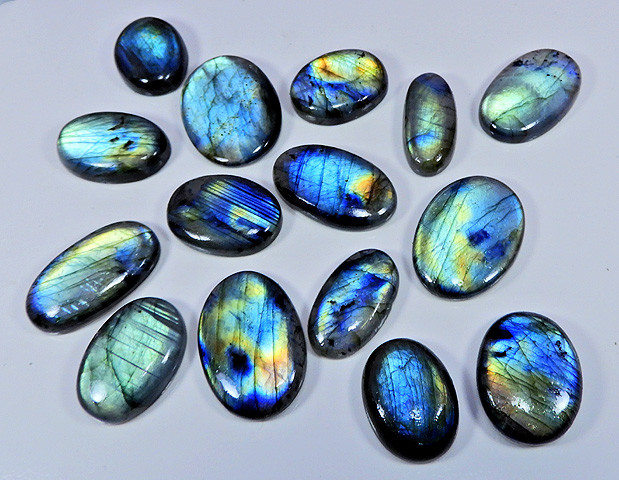 Natural Multi Flash Labradorite loose Cabochon Oval Gemstone Wholesale Lot$15.19View on eBay
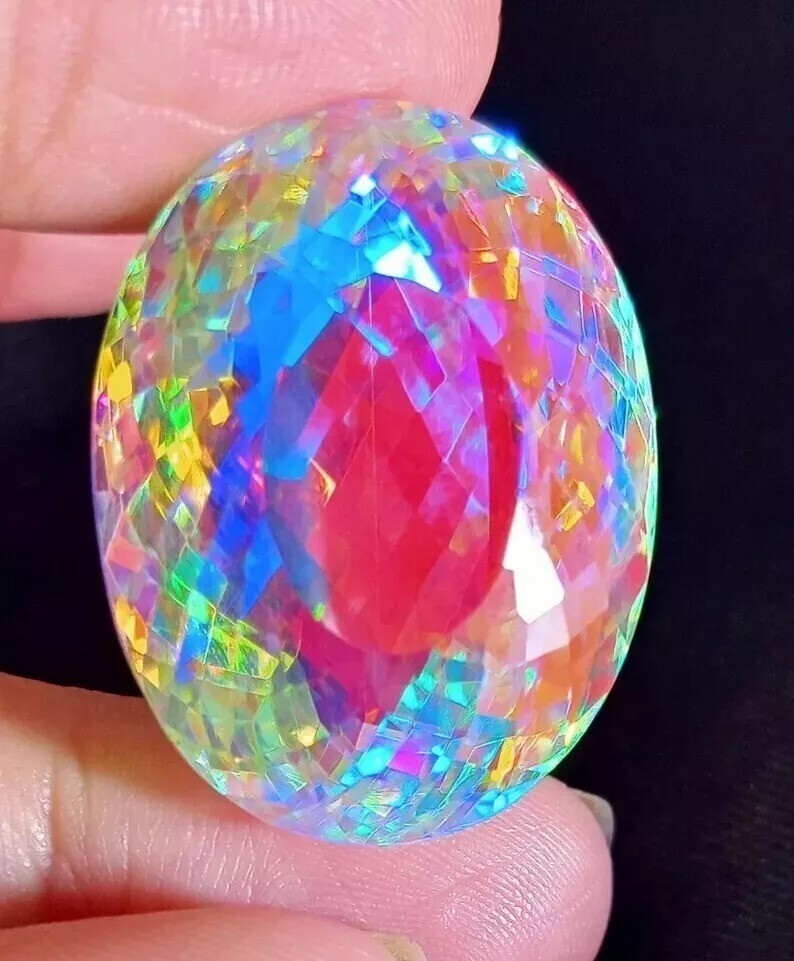 Natural Rainbow Mystic Topaz Oval Cut 68 Ct+ Certified Loose Gemstone$15.20View on eBay
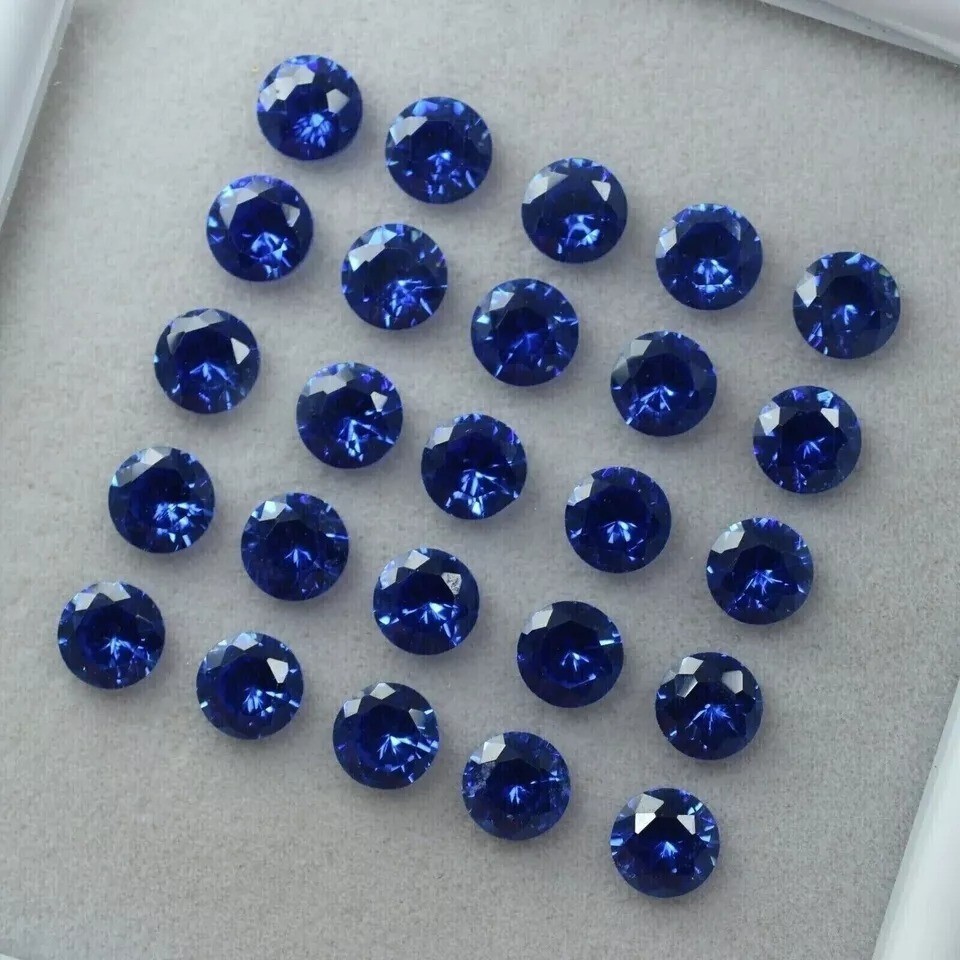 Beautiful Natural Blue Sapphire Lot Round 10 Pcs Certified 6 mm Loose Gemstone$15.58View on eBay
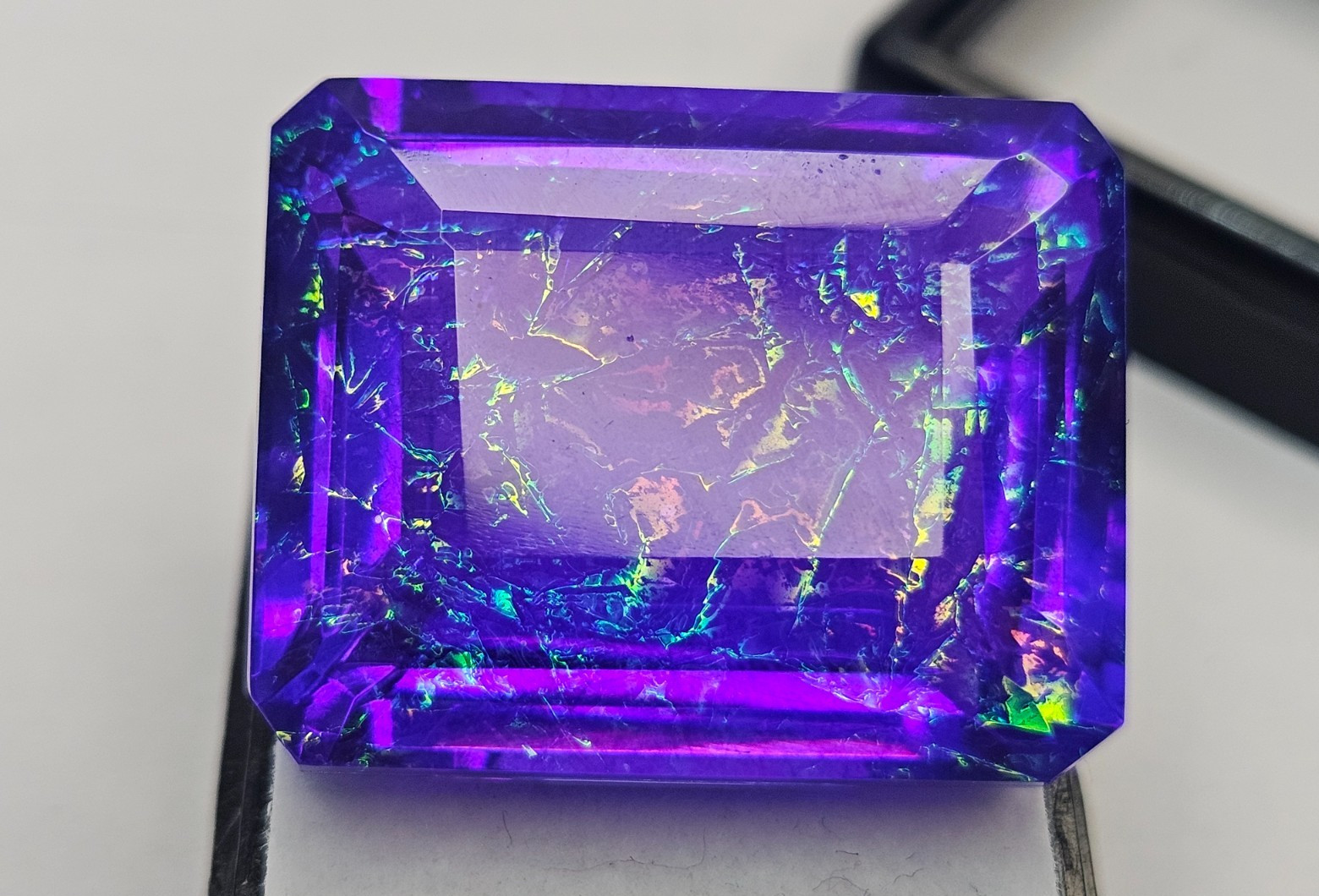 Emerald Cut Natural Monarch Fire Opal 70+ Ct Loose Certified Gemstone$16.55View on eBay
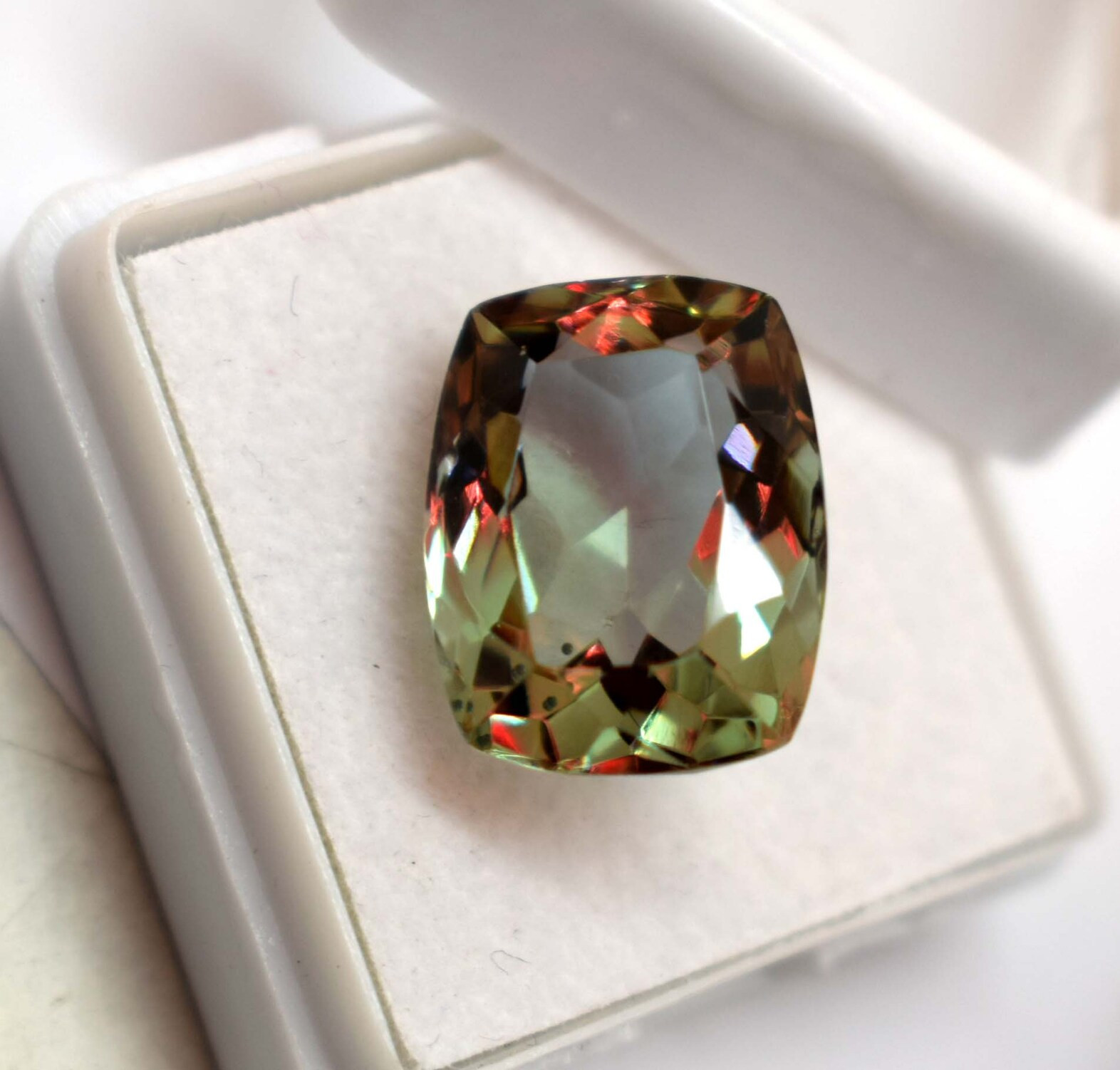 17.25 Ct Certified Natural Color Changing Alexandrite Cushion Cut Loose Gemstone$18.09View on eBay
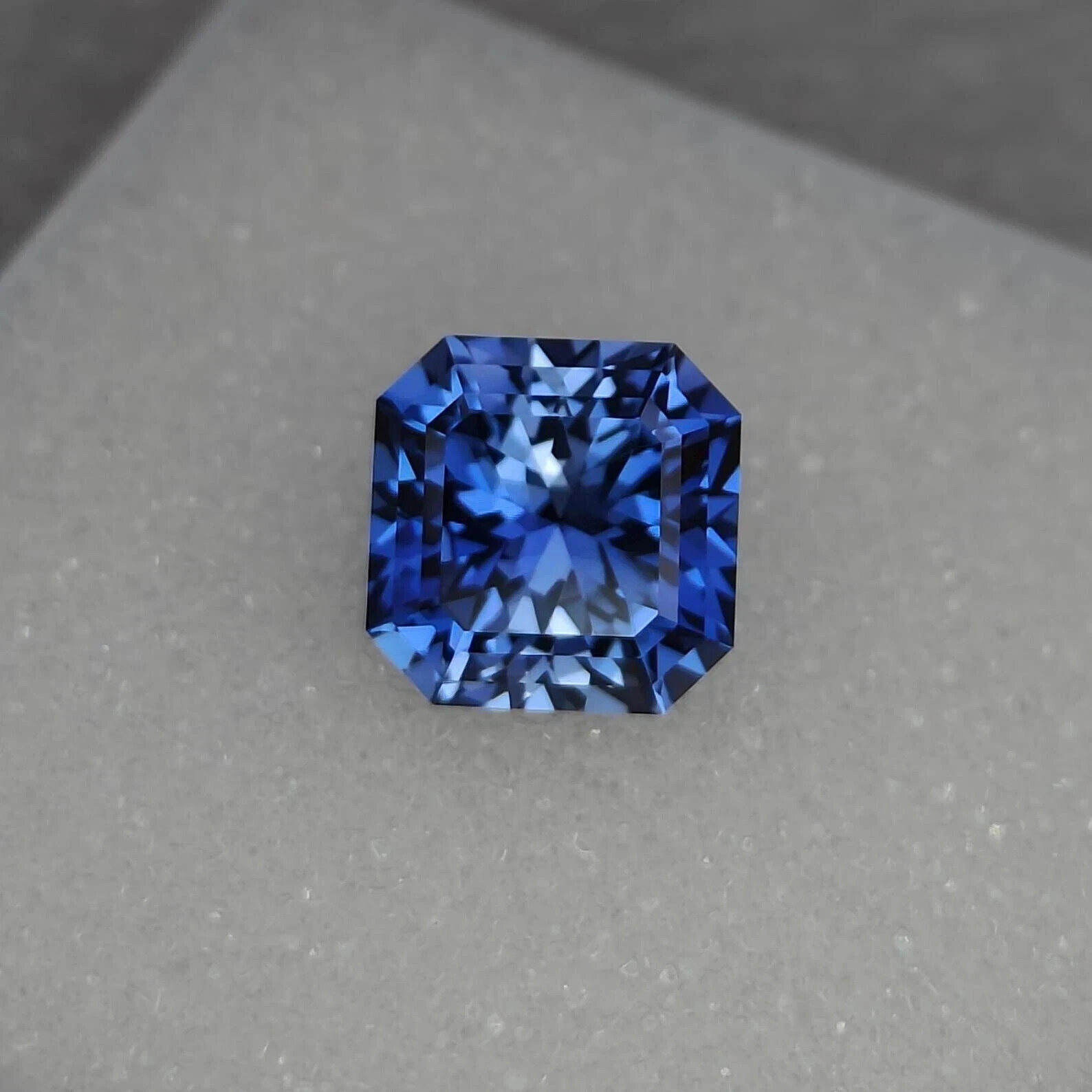 Natural Kashmiri Blue Sapphire Asscher Cut AAA+ 9-11Ct Certified Loose Gemstone$18.80Last checked Nov 28, 2026View on eBay
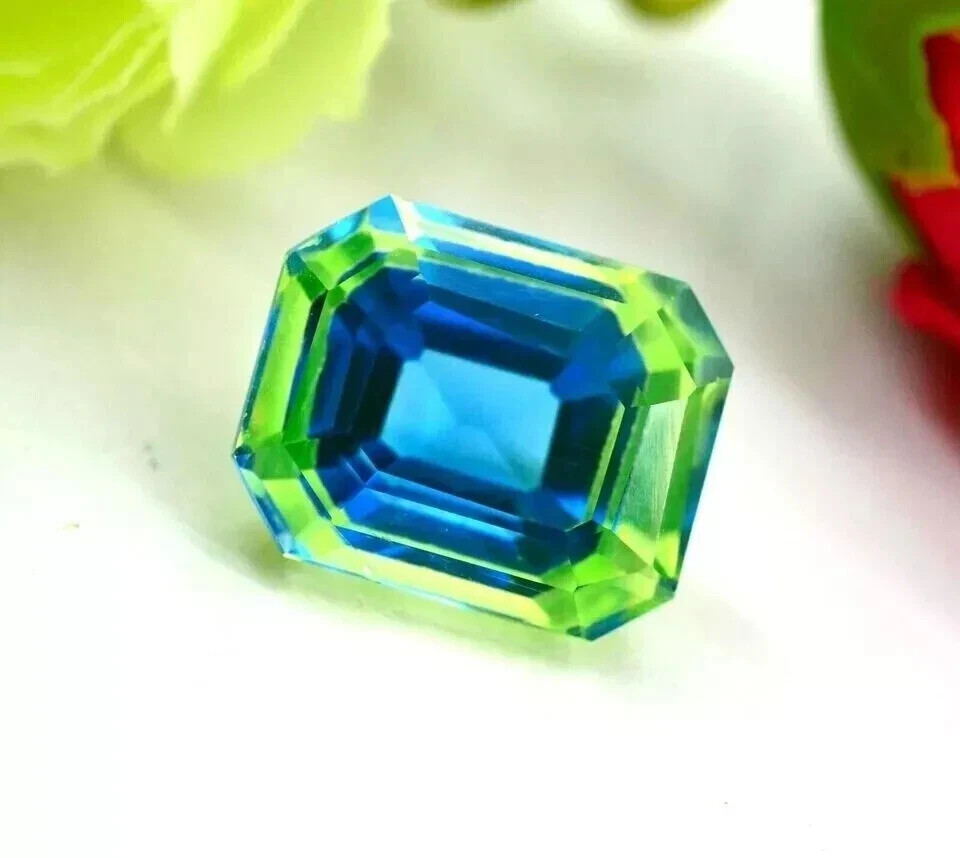 Natural Bi-Color Pitambari Sapphire Emerald 10-12CT Loose Certified Gemstone$19.34Last checked Nov 28, 2026View on eBay
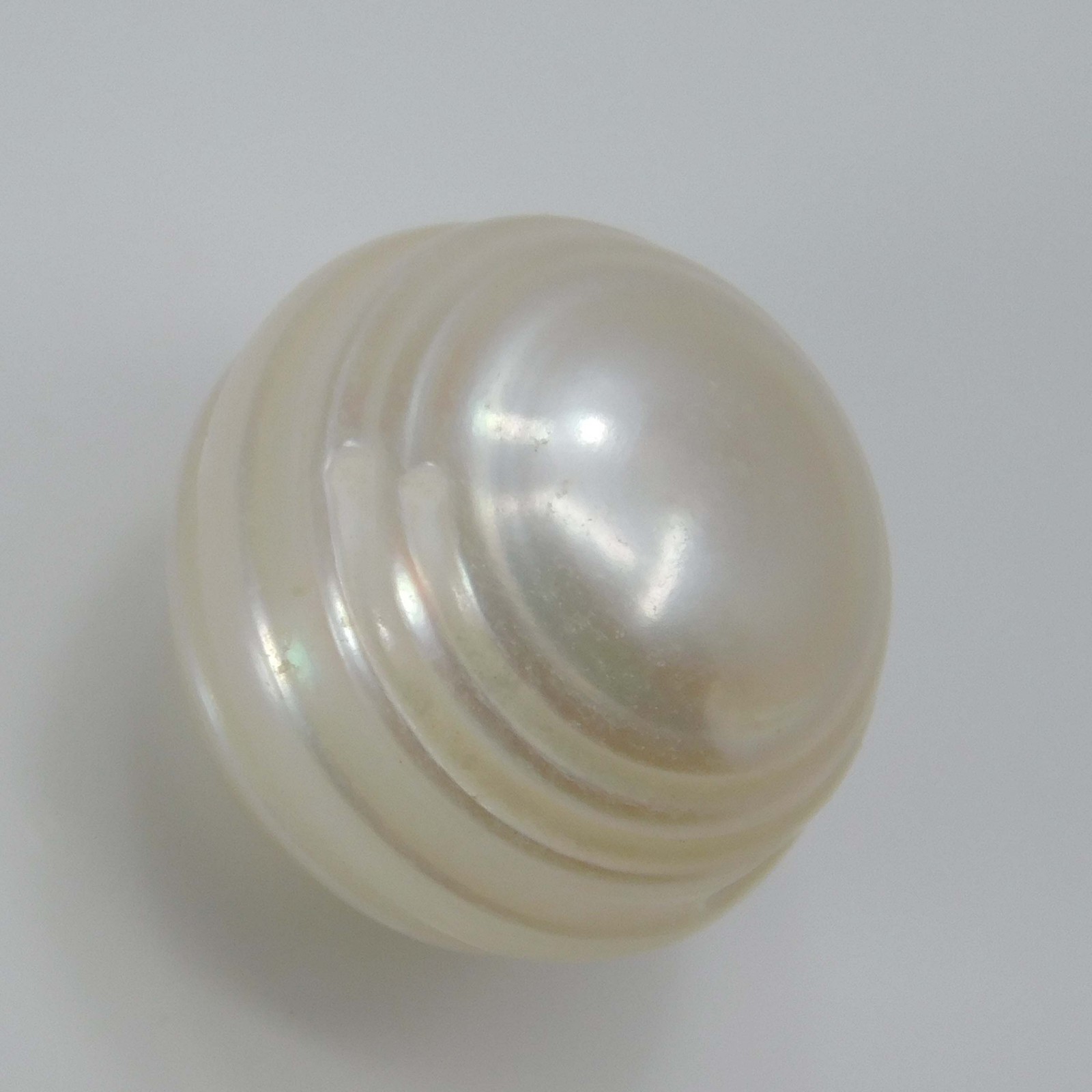 11 MM White Mabe South Sea Pearl 9.45 Ct CERTIFIED Pacific Sea Loose Pearl$20.49View on eBay
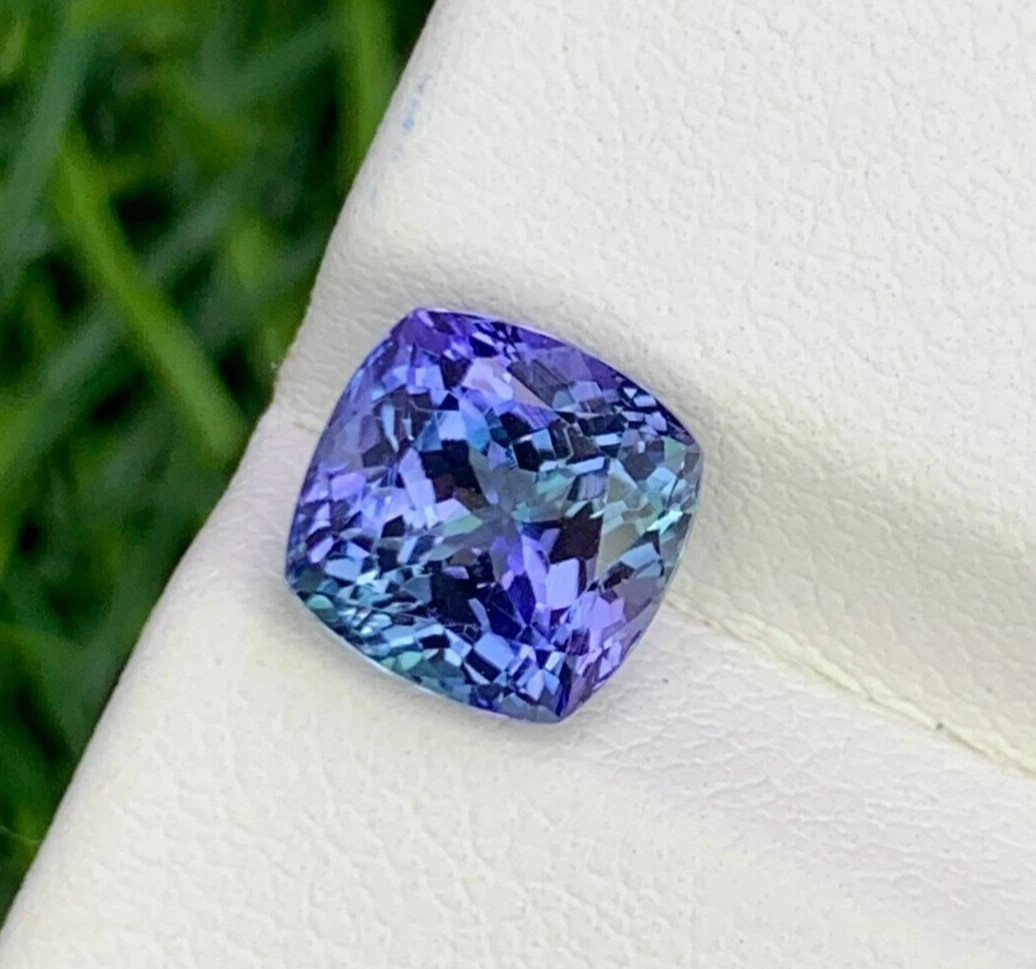 Natural Blue Tanzanite Cushion 9-10 Ct Extremely Rare Certified Loose Gemstone$22.27View on eBay
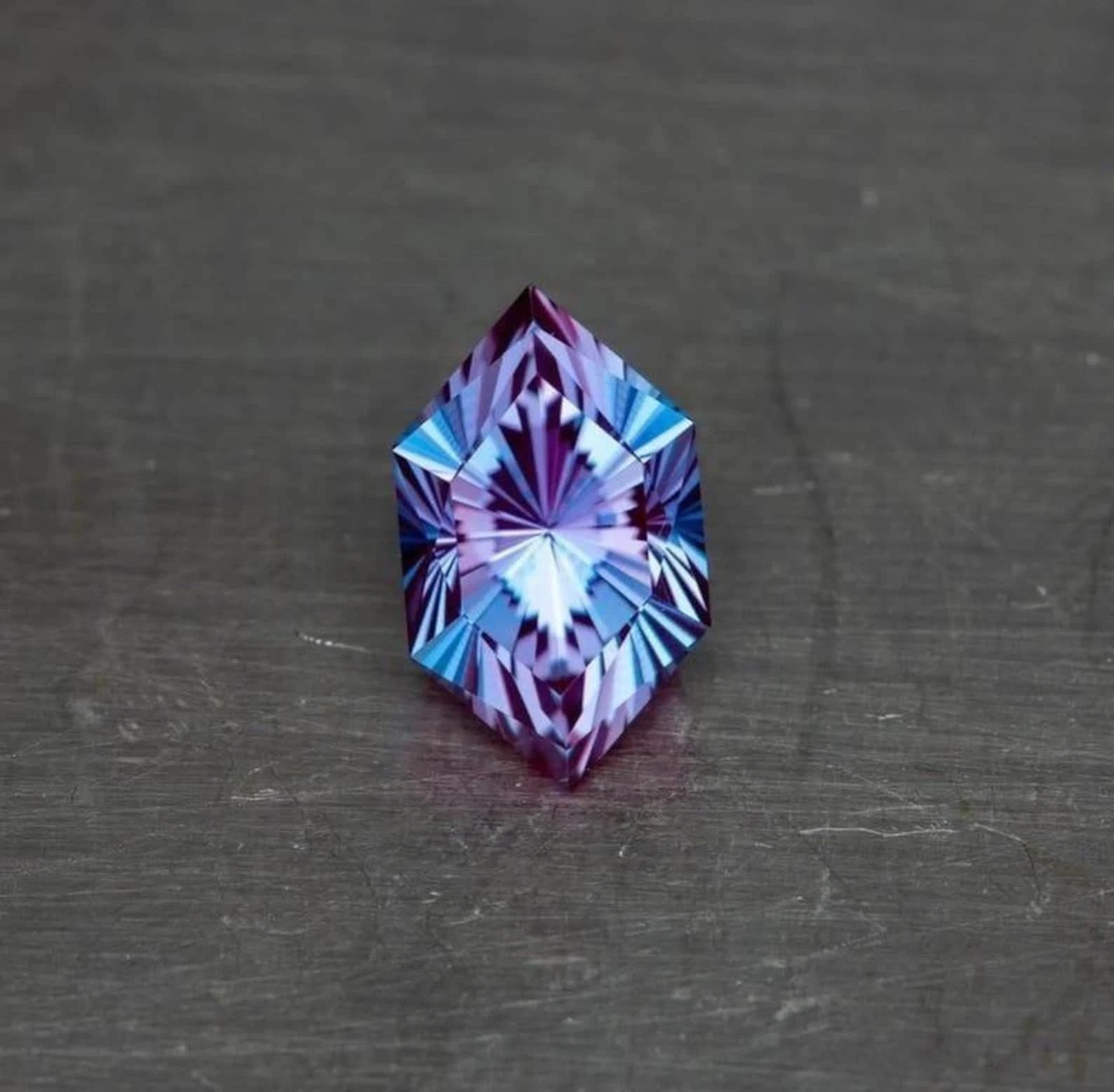 10 Ct Natural AA+ CERTIFIED Alexandrite Color Change Fancy Cut Loose Gemstone$22.49View on eBay
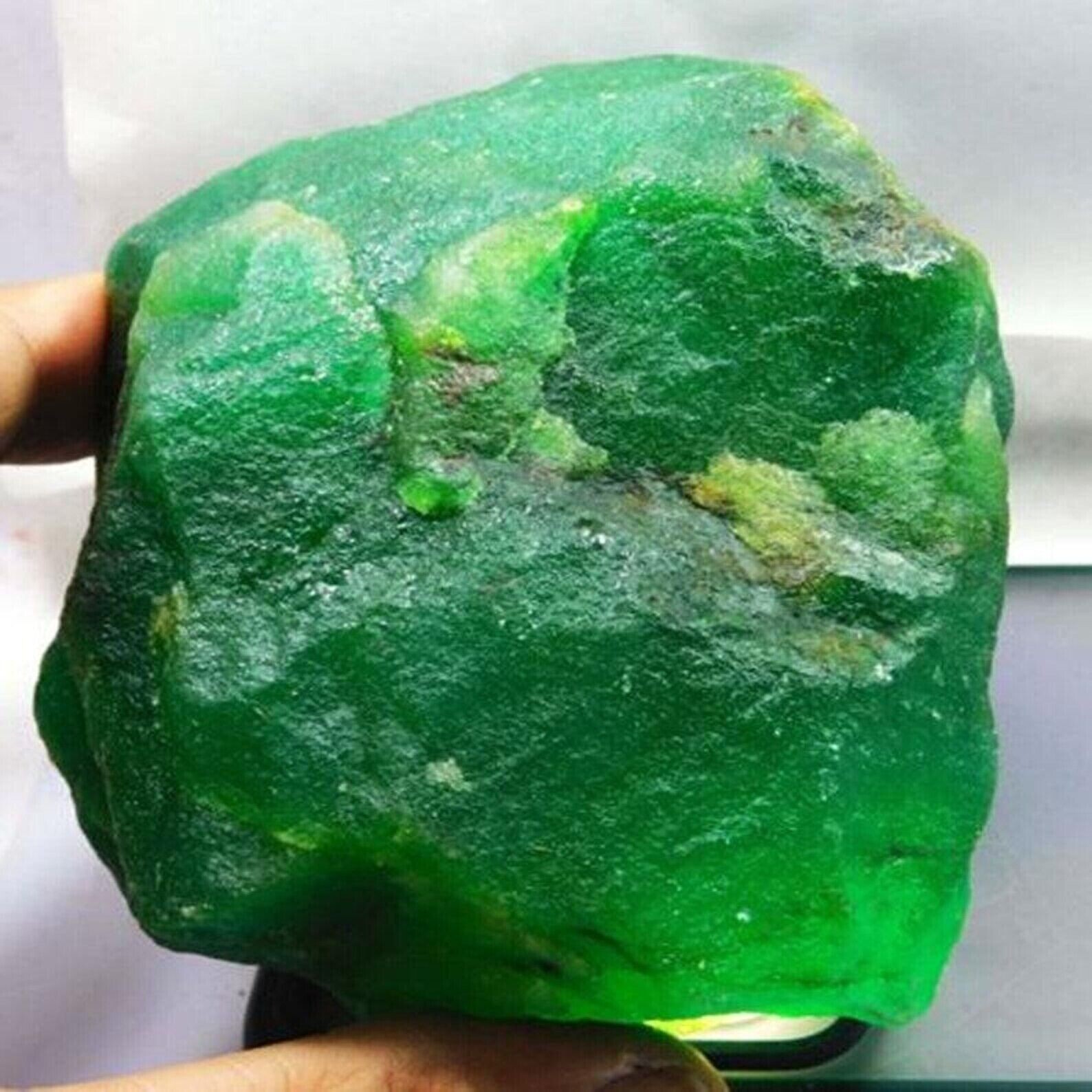 1005 Ct Natural Colombian Green Raw Emerald Rough Uncut Loose Gemstone$23.39View on eBay
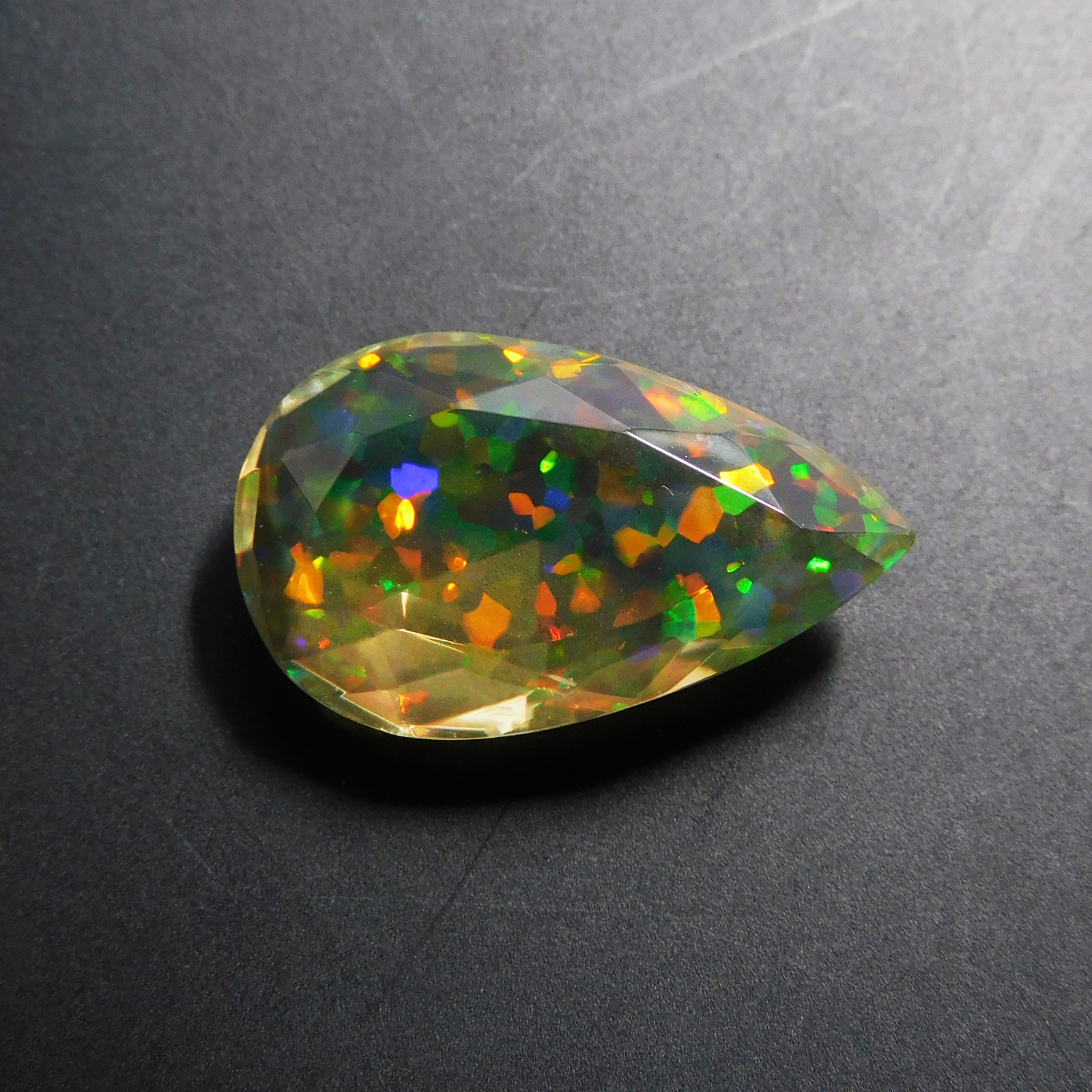 CERTIFIED Beautiful Fire Opal 13.60 Ct Lab-Created Pear Cut Loose Gemstone$23.49View on eBay
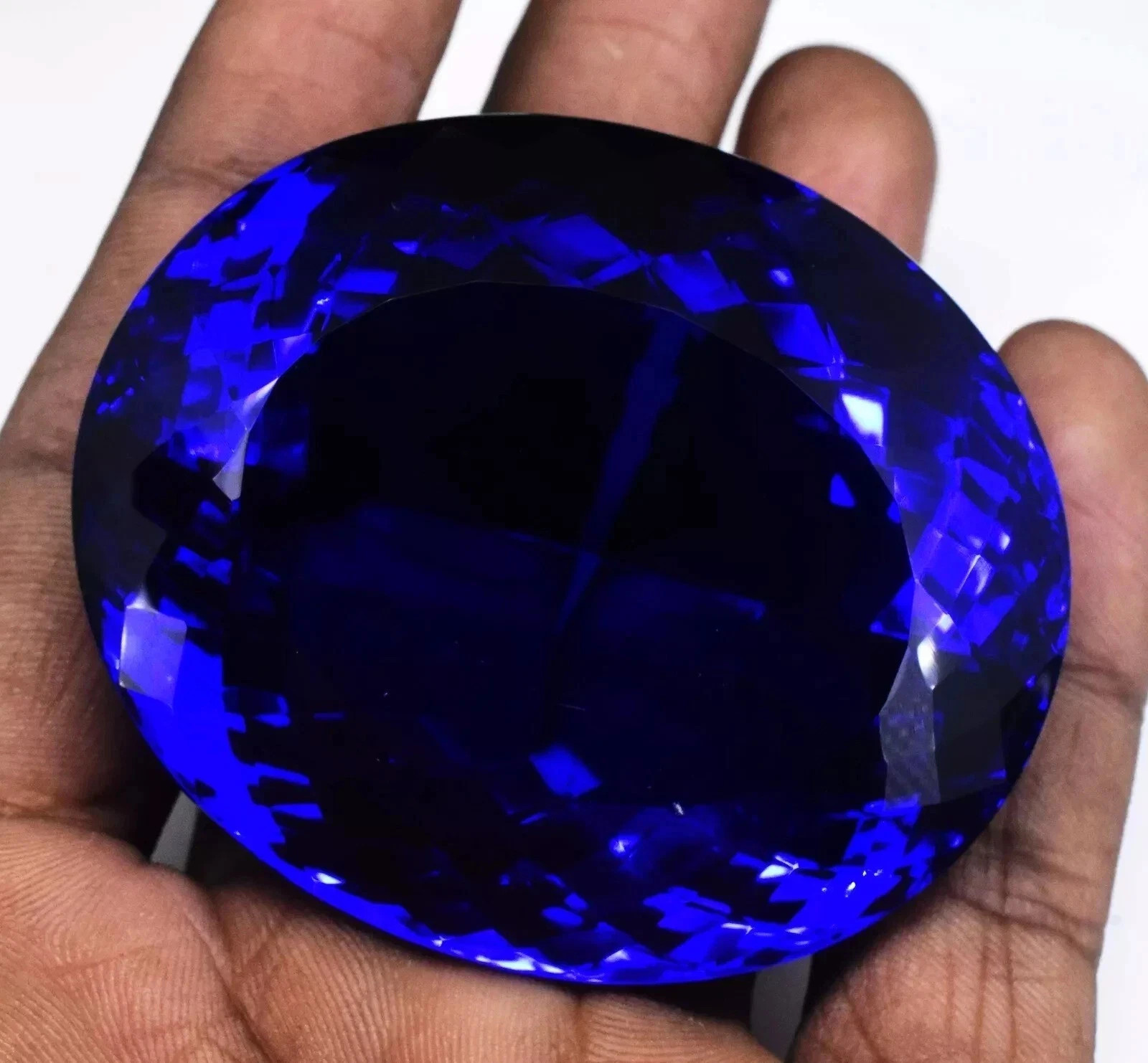 205 Carat Flawless Blue Tanzanite Oval Cut Stunning Certified Loose Gemstone$23.99View on eBay
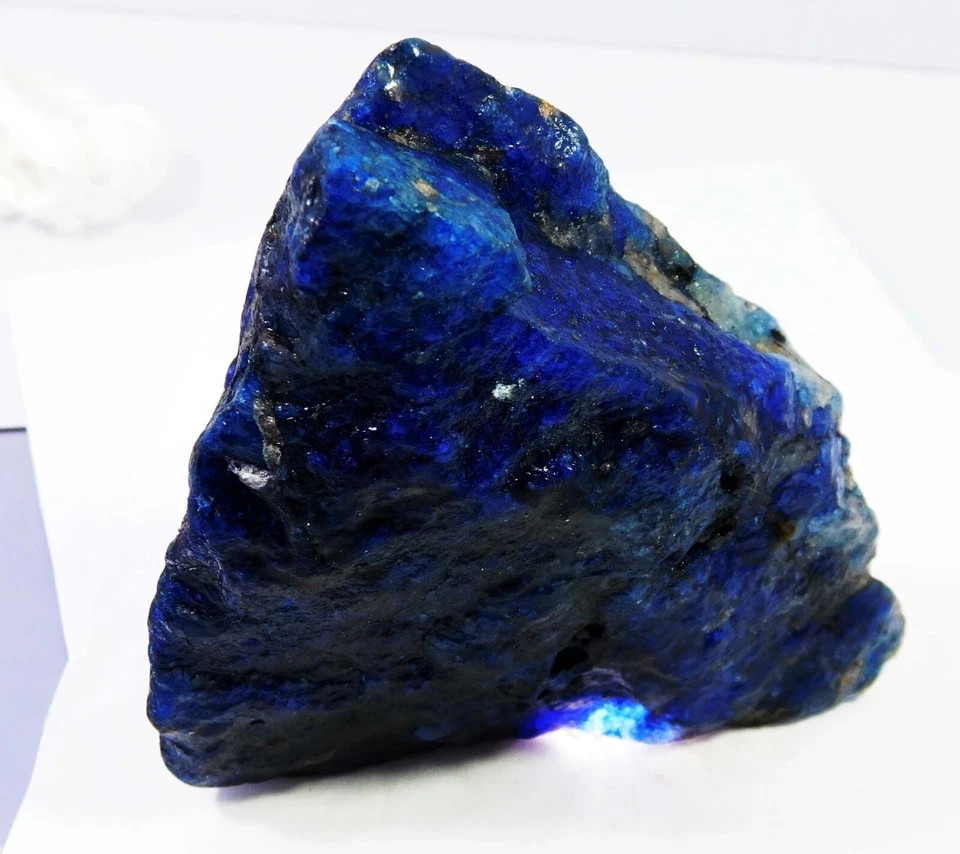 1720 CT Natural Blue Sapphire Certified Rough Uncut Stone Huge Loose Gemstone$24.99View on eBay
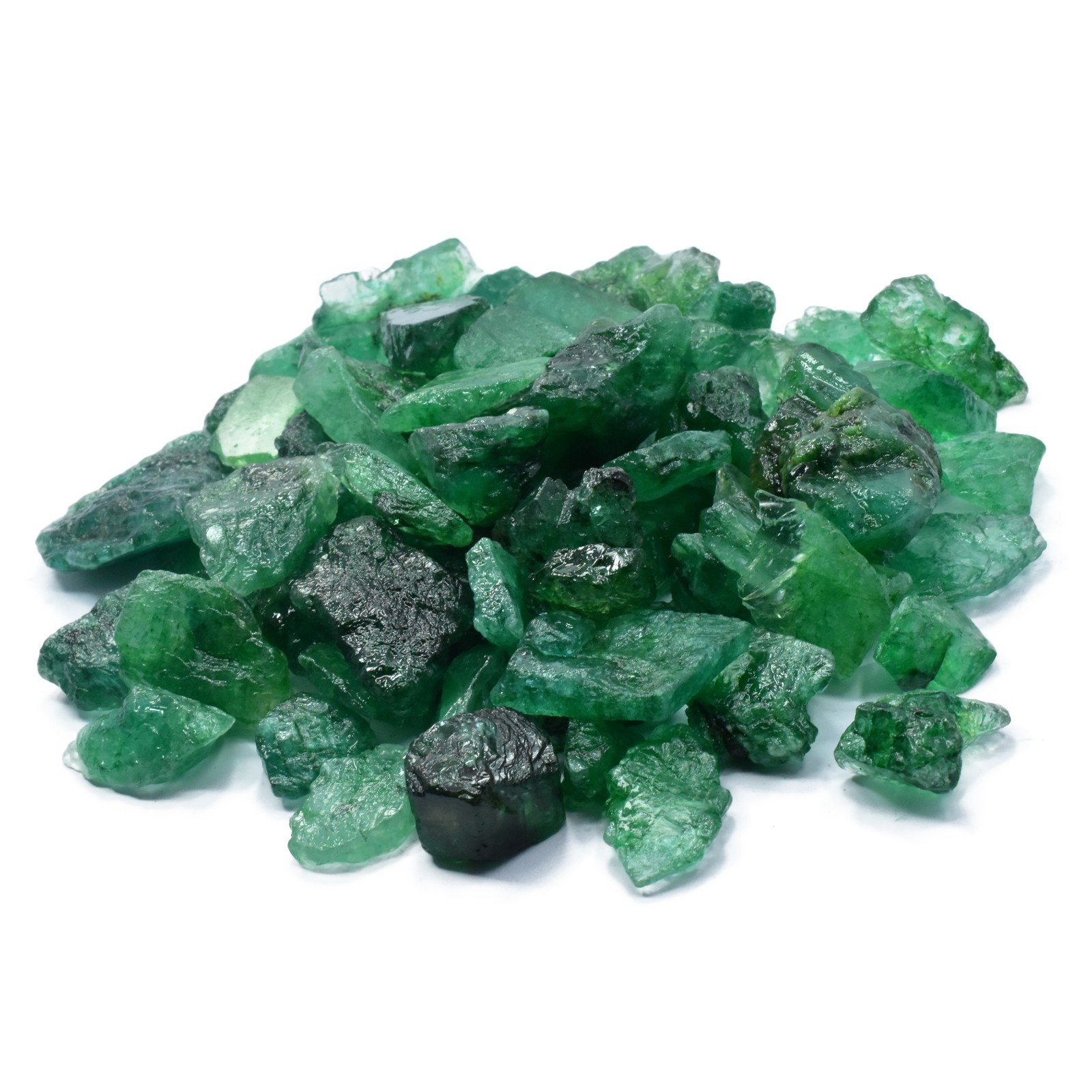 500 Ct Natural Emerald Green Rough Uncut Huge Size CERTIFIED Loose Gemstone$29.49Last checked Nov 28, 2026View on eBay
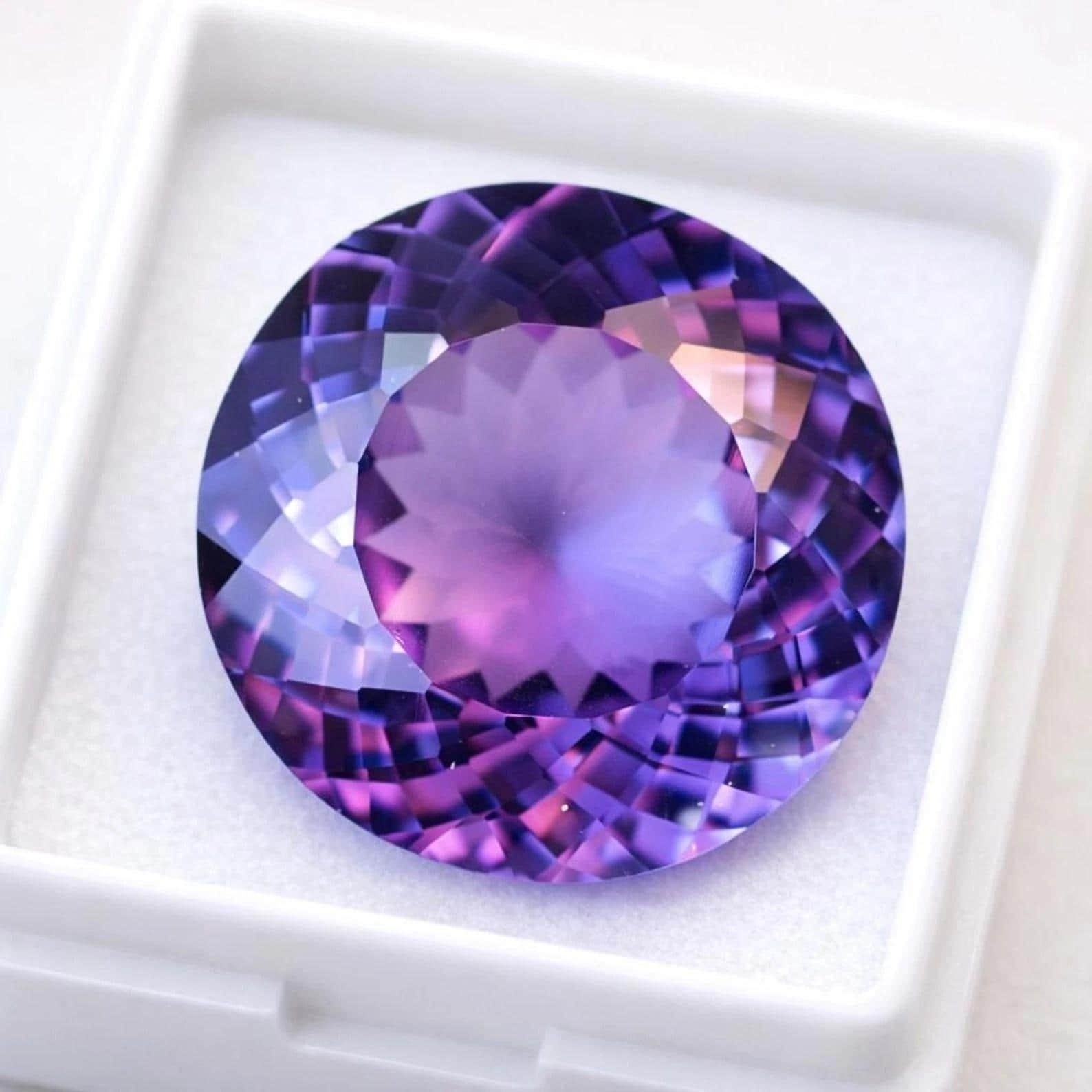 Certified 9.12 Ct Natural AAA Alexandrite Color Change Round Cut Loose Gemstone$38.99View on eBay
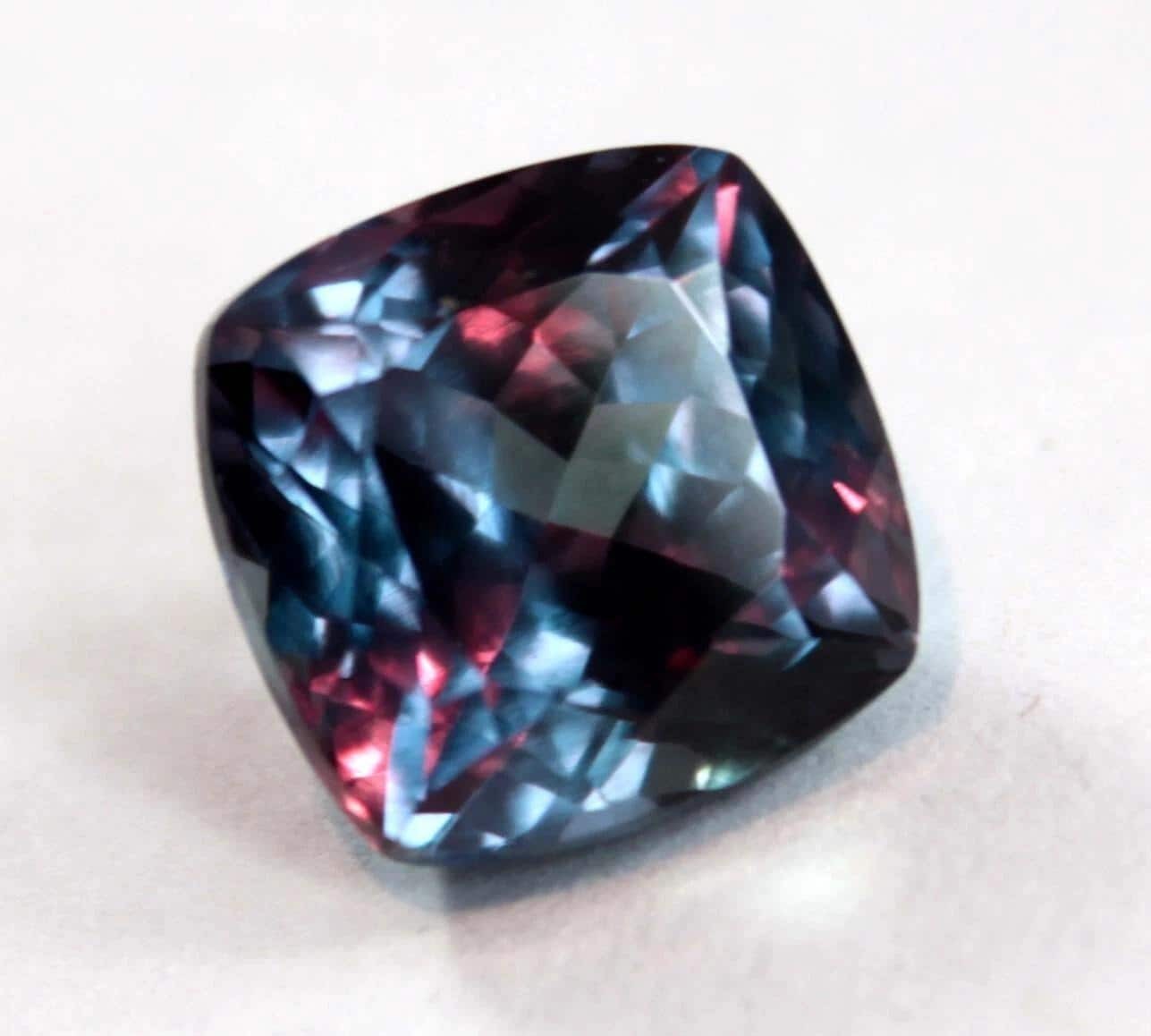 9.05 Ct Natural Alexandrite Color Change Cushion Cut AA Certified Loose Gemstone$39.99View on eBay
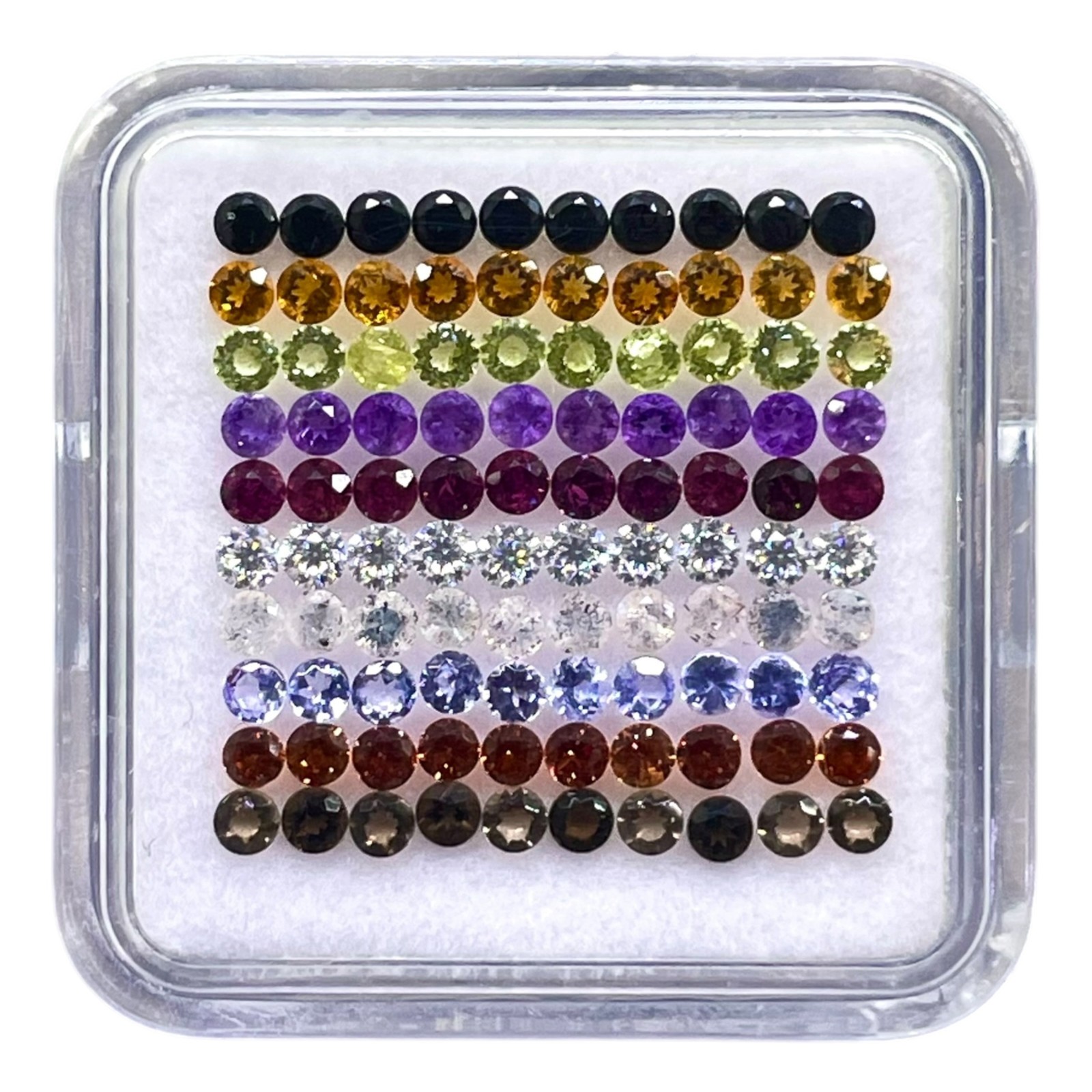 100 Pcs Natural Multi Gemstones 2mm Round Calibrated Cut Loose Gemstones Lot$40.00View on eBay
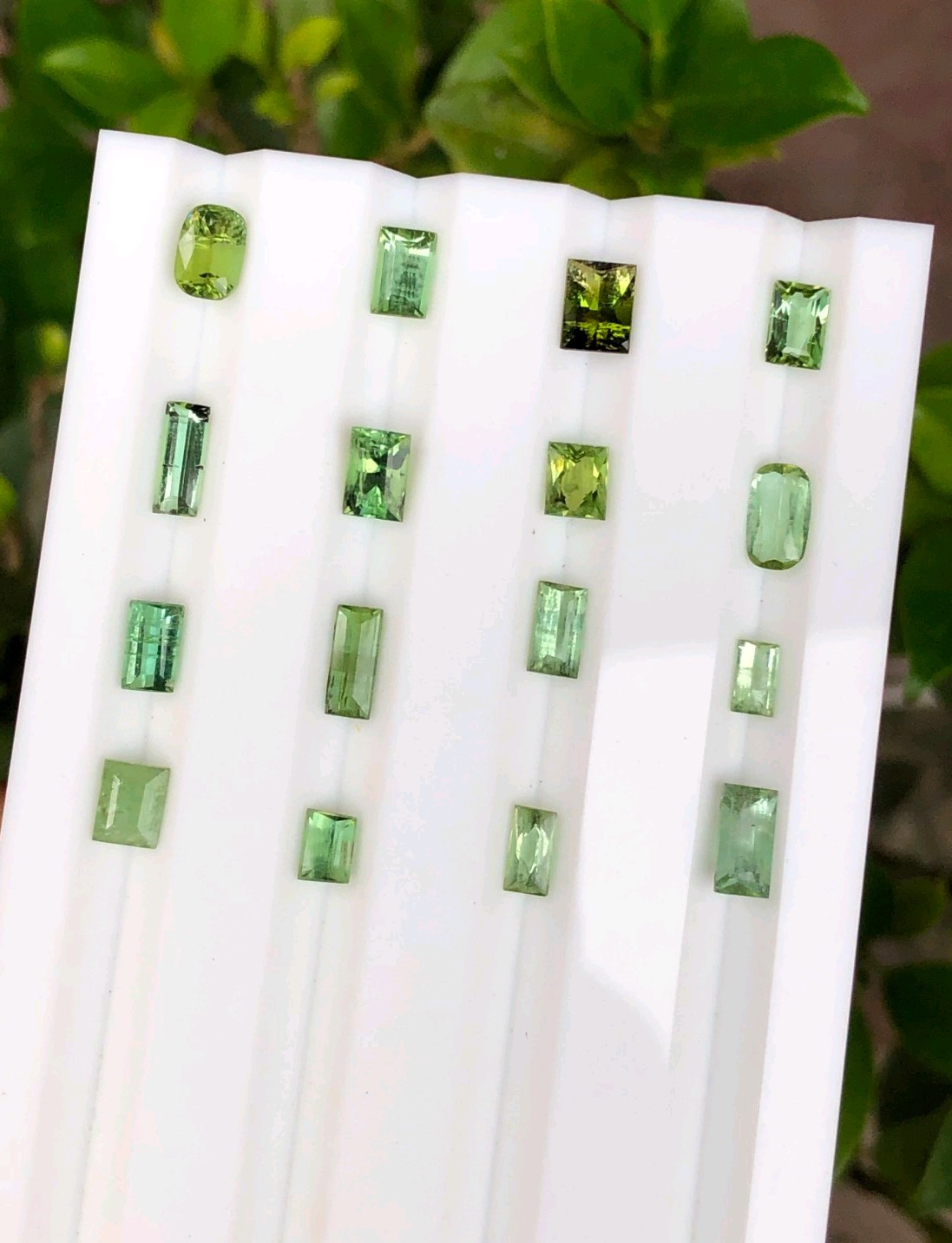 Tourmaline Parcel 8.90 Ct Mixed Cut Loose Gemstone Lot Faceted$42.00View on eBay
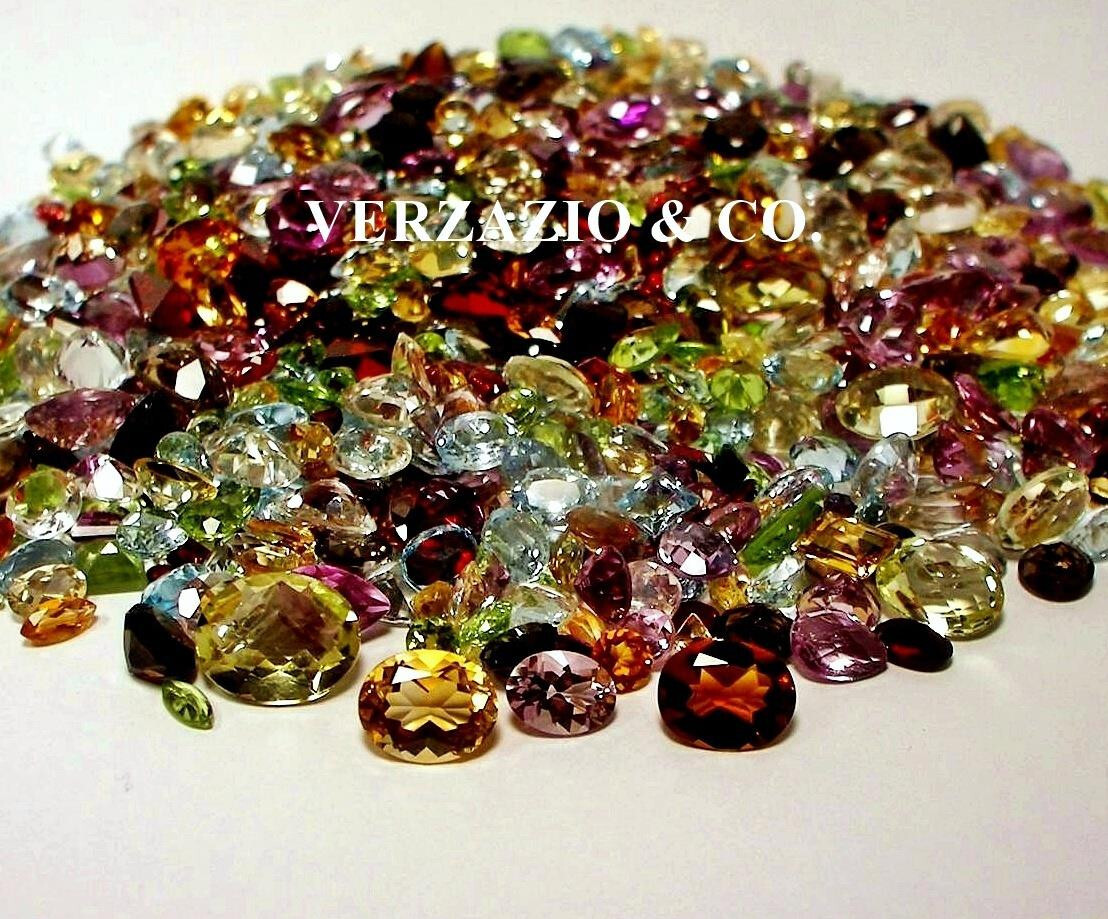 200 CARAT MIX LOT LOOSE FACETED NATURAL GEMSTONES MIXED GEMS WHOLESALE GEMSTONES$66.49View on eBay
Highlights
- South Sea pearls grow 9–20 mm in Pinctada maxima oysters; Tahitian pearls 8–18 mm in Pinctada margaritifera, both saltwater species with thick nacre and high luster.
- Freshwater pearls grow in Hyriopsis mussels, typically 5–12 mm; most are nucleated tissue-graft, producing off-round to near-round shapes at a fraction of saltwater cost.
- Nacre thickness drives durability: saltwater pearls average 2–4 mm nacre; thin-nacre pearls chalk or peel within years of wear, so luster depth and surface continuity signal quality.
- Drilling status determines setting: undrilled pearls need prong or bezel mounts; half-drilled pearls suit peg settings (studs, pendants); fully drilled pearls thread onto silk, wire, or chain.
Best use cases
- Custom ring or pendant with a prong or bezel setting: choose an undrilled round pearl with clean surface and strong luster; skip pre-drilled pearls that limit mount options.
- Pearl stud earrings or peg-set pendant: pick half-drilled pearls with a straight 0.7–0.9 mm drill hole and matched pair sizing within 0.2 mm; avoid undrilled pearls that require a jeweler's full drill.
- Strand or bracelet stringing: select fully drilled pearls with 0.8–1.0 mm holes and graduated sizing; skip half-drilled pearls that cannot be threaded end-to-end.
- Statement collector piece on a budget: a certified freshwater pearl in 9–11 mm delivers near-round shape and good luster; avoid thin-nacre bargain saltwater pearls with chalky spots.
Buying tips
- Match millimeter size to setting: 8–10 mm suits pendants and studs; 11–14 mm suits rings and statement pendants; 15 mm+ is collector territory requiring heavy metalwork.
- Demand nacre and luster indicators: deep mirror-like reflection and uninterrupted surface signal thick nacre; chalky or dull patches indicate thin nacre prone to peeling.
- Check drilling specification: undrilled for custom mounts, half-drilled (0.7–0.9 mm) for peg settings, fully drilled (0.8–1.0 mm) for stringing; specify hole size before purchase.
- For saltwater pearls, insist on species and origin details (South Sea, Tahitian, Akoya) and certification; for freshwater, grade AAA denotes near-round shape with minimal surface blemishes.
Specs
| Pearl Type | South Sea / Tahitian / Akoya / Freshwater |
|---|---|
| Size Range | 5–20 mm (saltwater 8–20 mm) |
| Drilling Status | Undrilled / Half-drilled / Fully drilled |
| Nacre Quality | Thick (2–4 mm) vs thin / chalky |
Related searches
What to check before buying
- Measure your setting's pearl seat or cup diameter in millimeters; the pearl must exceed the seat by at least 0.5 mm for a secure prong or bezel fit.
- Confirm drilling requirement for your mount: peg settings need half-drilled pearls with a 0.7–0.9 mm hole; threaded designs need fully drilled pearls with 0.8–1.0 mm holes.
- Verify pearl type and origin match the listing: South Sea (Pinctada maxima) and Tahitian (Pinctada margaritifera) are saltwater; freshwater pearls come from Hyriopsis mussels and trade at lower tiers.
- Inspect certification and return terms for high-value pearls: certified saltwater pearls above 10 mm should include a laboratory report stating nacre thickness and origin.
FAQ
Data sources: eBay / Amazon listings and product attribute feeds. Updated Nov 28, 2026.
Some links on this page are affiliate links. If you buy after clicking one, we may earn a commission at no extra cost to you. This does not change which products appear here or their order. Affiliate disclosure.