
Photos from current listings. Actual item, color, and included accessories may vary.
Loose Pearl With Holes Buying Guide
Loose pearls with pre-drilled holes are sold by pearl type, size, and hole specification for jewelry making and repair. The core trade-off is between nacre thickness and surface quality versus precise, chip-free drilling—thin-nacre or poorly drilled pearls crack at the hole and fail in wear. Choose calibrated sizes with clean, centered holes for stringing; choose near-round or baroque with thick nacre for pendants and wire work where the hole is less stressed.
Median $87.30
Key takeaways
- Freshwater pearls dominate pre-drilled supply; Akoya, Tahitian, and South Sea pearls are usually sold in matched strands but loose drilled singles exist for repair and custom work.
- Hole size typically ranges 0.6–0.8 mm for fine chains and 0.8–1.2 mm for silk/knotting; hole diameter must exceed the stringing material by at least 0.1–0.2 mm or the pearl will abrade and break.
- Nacre thickness determines durability at the hole: freshwater tissue-nucleated pearls are solid nacre, while bead-nucleated Akoya/South Sea pearls risk drilling into the bead if the hole is not centered.
At a glance
- Category
- Loose Gemstones & Pearls
- Last updated
- Nov 28, 2026
Current offers
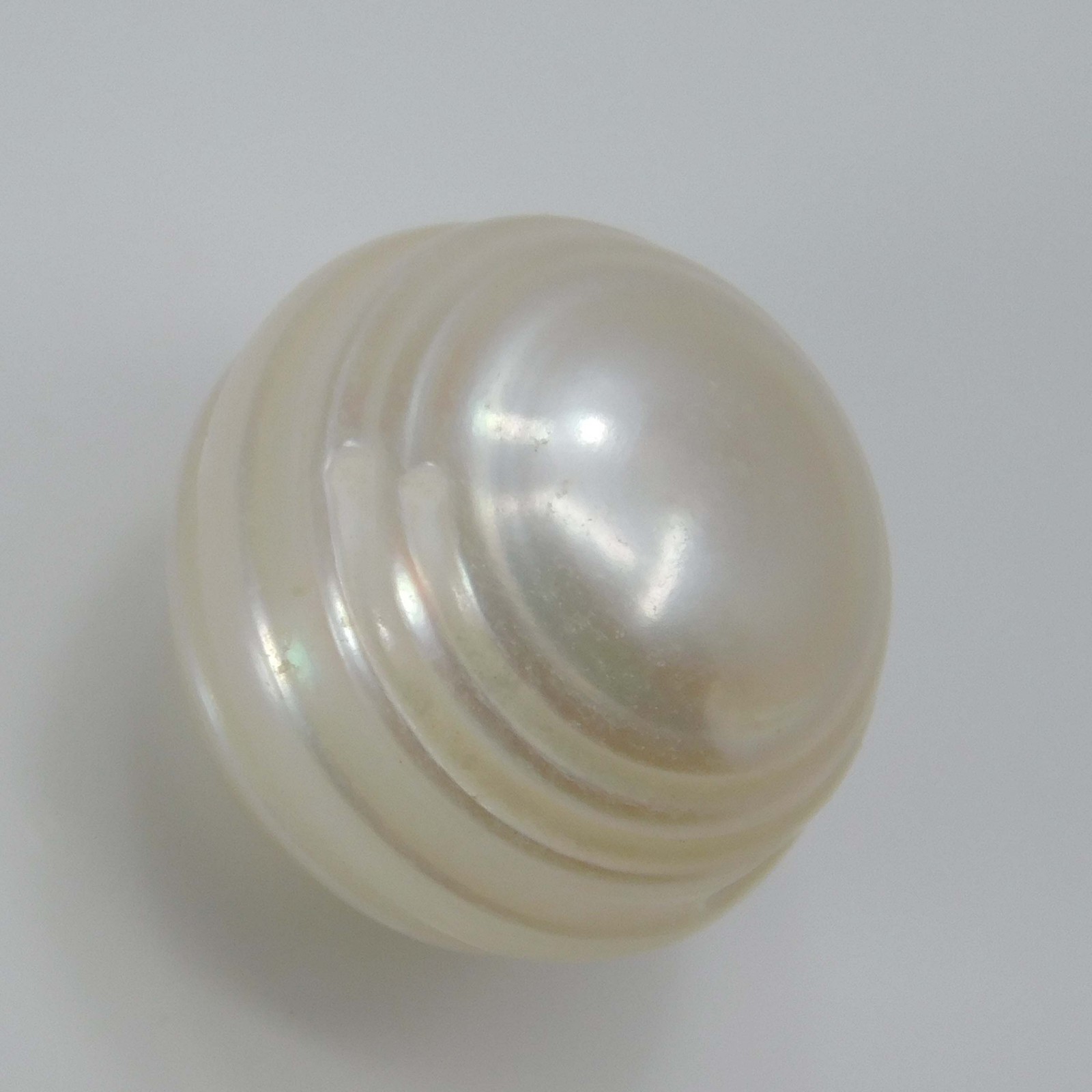 11 MM White Mabe South Sea Pearl 9.45 Ct CERTIFIED Pacific Sea Loose Pearl$20.49View on eBay
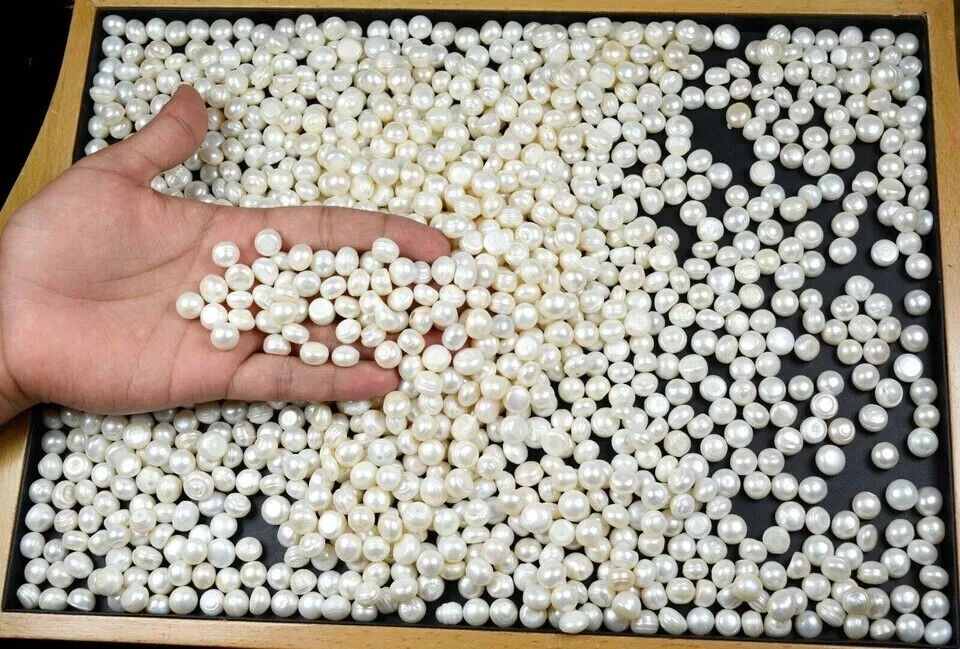 1000 Ct./ Australian White Pearl Loose Gemstone Lot Natural Round Cut Certified$87.30View on eBay
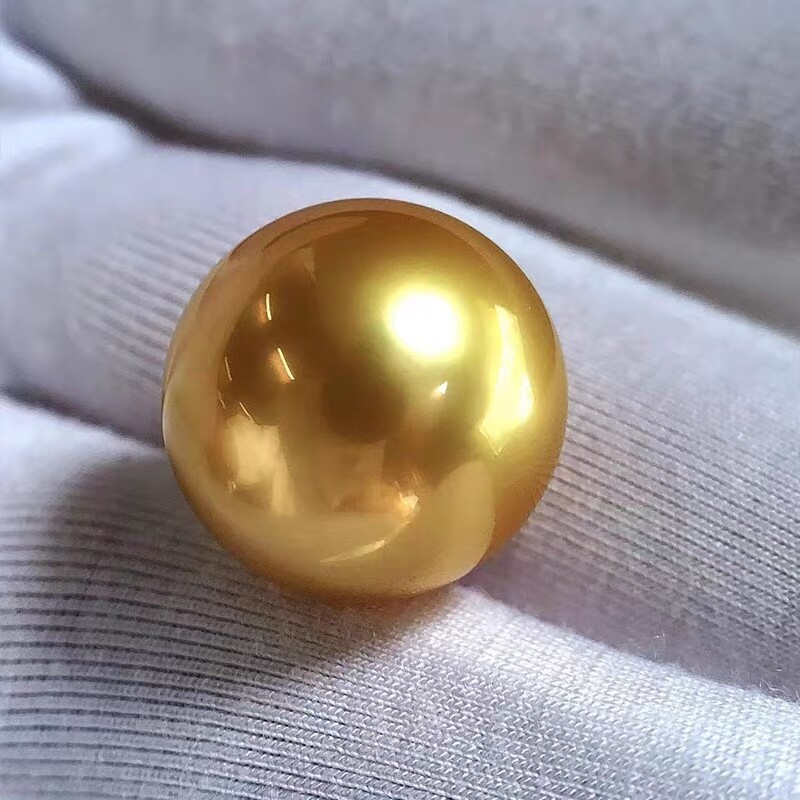 Huge 14-15mm South Sea Genuine Gold Round Loose Pearl Undrilled 0118$352.16Last checked Nov 17, 2026View on eBay
Highlights
- Freshwater pearls dominate pre-drilled supply; Akoya, Tahitian, and South Sea pearls are usually sold in matched strands but loose drilled singles exist for repair and custom work.
- Hole size typically ranges 0.6–0.8 mm for fine chains and 0.8–1.2 mm for silk/knotting; hole diameter must exceed the stringing material by at least 0.1–0.2 mm or the pearl will abrade and break.
- Nacre thickness determines durability at the hole: freshwater tissue-nucleated pearls are solid nacre, while bead-nucleated Akoya/South Sea pearls risk drilling into the bead if the hole is not centered.
- Drill quality is the key differentiator—laser or high-speed diamond drilling from both sides reduces chipping; hand-drilled or single-side holes show shell fractures and off-center exits.
Best use cases
- For knotted pearl necklaces: buy calibrated round or near-round freshwater pearls with 0.8–1.0 mm holes and matched diameters within 0.5 mm; skip baroque shapes and off-center holes.
- For wire-wrapped pendants and earrings: choose baroque or potato freshwater pearls with 0.6–0.8 mm holes and thick nacre; skip bead-nucleated pearls where a wire may expose the bead.
- For pearl restringing and repair: match the original pearl's diameter and hole size exactly, and select half-drilled pearls only if the original mounting uses a post; skip full-drilled pearls for post settings.
- For beaded bracelets and stretch cord: use 1.0–1.2 mm holes with rounded edges; skip small 0.6 mm holes on large pearls because thick cord will not pass and forcing it chips the nacre.
Buying tips
- Measure the stringing material first: silk size 2–4 needs 0.7–0.8 mm holes, size 6 needs 0.9–1.0 mm, and 0.5 mm wire needs 0.6–0.7 mm holes; add 0.1–0.2 mm clearance.
- For a matched strand, order pearls graded within 0.5 mm diameter and the same hole orientation (top-drilled vs center-drilled) to avoid a wavy string line.
- Prefer pearls described as thick-nacre or tissue-nucleated for drilling; bead-nucleated pearls under 2 mm nacre can crack or expose the bead at the hole.
- Check hole edge quality: clean, chamfered holes resist abrasion; jagged or chipped edges cut silk and cause strand failure within months of wear.
Specs
| Pearl Type | Freshwater / Akoya / Tahitian / South Sea |
|---|---|
| Hole Size | 0.6–1.2 mm (match cord + 0.1–0.2 mm) |
| Drill Orientation | Center-drilled / Top-drilled / Half-drilled |
| Nacre Structure | Solid nacre (tissue) vs bead-nucleated |
Related searches
What to check before buying
- Confirm the hole diameter in millimeters matches your cord, wire, or post diameter plus 0.1–0.2 mm clearance before ordering.
- Verify pearl diameter uniformity within 0.5 mm if stringing a matched strand; loose mixed sizes suit pendants and earrings only.
- Check the drill orientation: center-drilled for stringing, top-drilled for pendants, half-drilled for posts and studs.
- Inspect for nacre thickness and surface blemishes around the hole, since drilling exposes internal layers and weak spots.
FAQ
Data sources: eBay / Amazon listings and product attribute feeds. Updated Nov 28, 2026.
Some links on this page are affiliate links. If you buy after clicking one, we may earn a commission at no extra cost to you. This does not change which products appear here or their order. Affiliate disclosure.