
Photos from current listings. Actual item, color, and included accessories may vary.
Loose Sapphire Gemstone Buying Guide
Loose sapphires are corundum gemstones sold unmounted for custom jewelry, defined by a hard 9 Mohs rating but wide variance in color origin, treatment, and cut precision. The primary trade-off is natural versus lab-created and heated versus unheated material, where certificates from GIA, AGL, or GRS—not seller adjectives—determine value. Decision rule: buy certified natural sapphire with disclosed treatment for heirloom use; choose lab-created or heated commercial grades only for fashion settings where budget and color consistency outrank rarity.
Median $22.49
Key takeaways
- Corundum hardness is 9 Mohs—only diamond is harder—so sapphire resists scratches in daily-wear rings better than emerald or opal.
- Certification tiers split value: GIA/AGL/GRS reports verify origin and treatment; generic 'certified' paper from unknown labs carries minimal assurance.
- Heating is standard and accepted for 90%+ of commercial blue sapphire; unheated stones command premiums and require explicit lab confirmation.
At a glance
- Category
- Loose Gemstones & Pearls
- Last updated
- Nov 28, 2026
Current offers
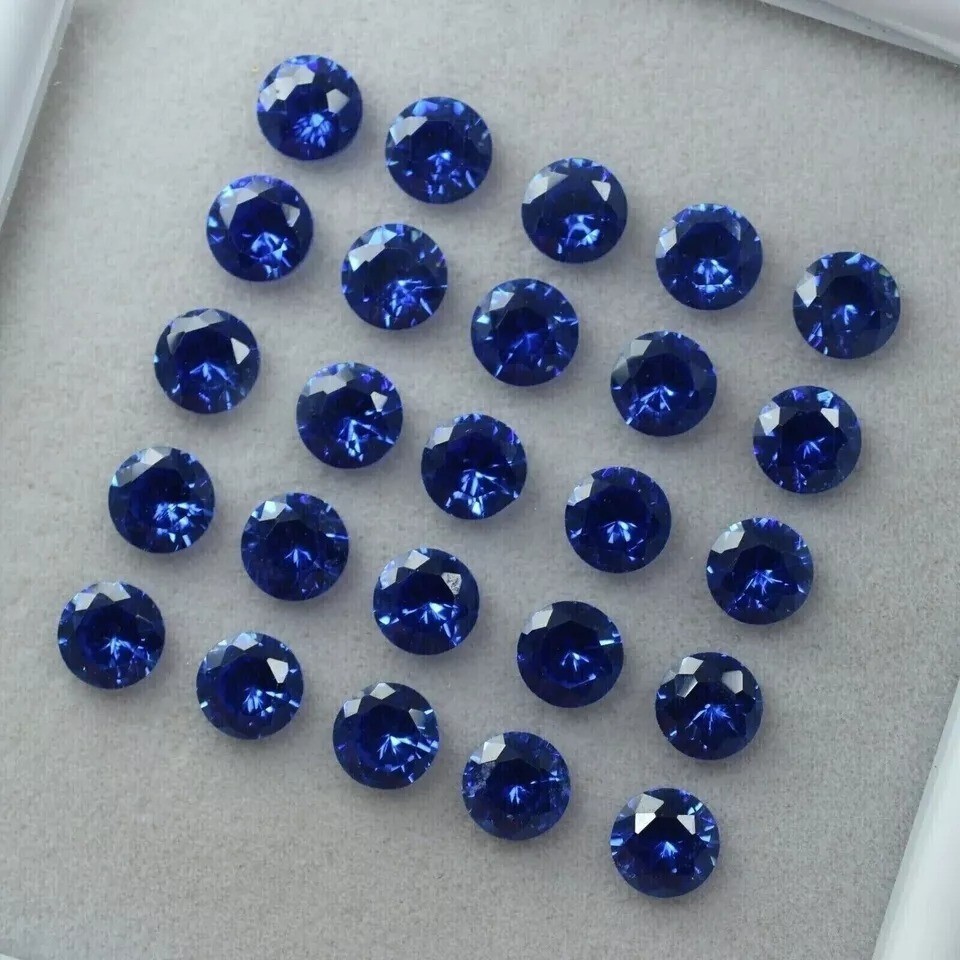 Beautiful Natural Blue Sapphire Lot Round 10 Pcs Certified 6 mm Loose Gemstone$15.58View on eBay
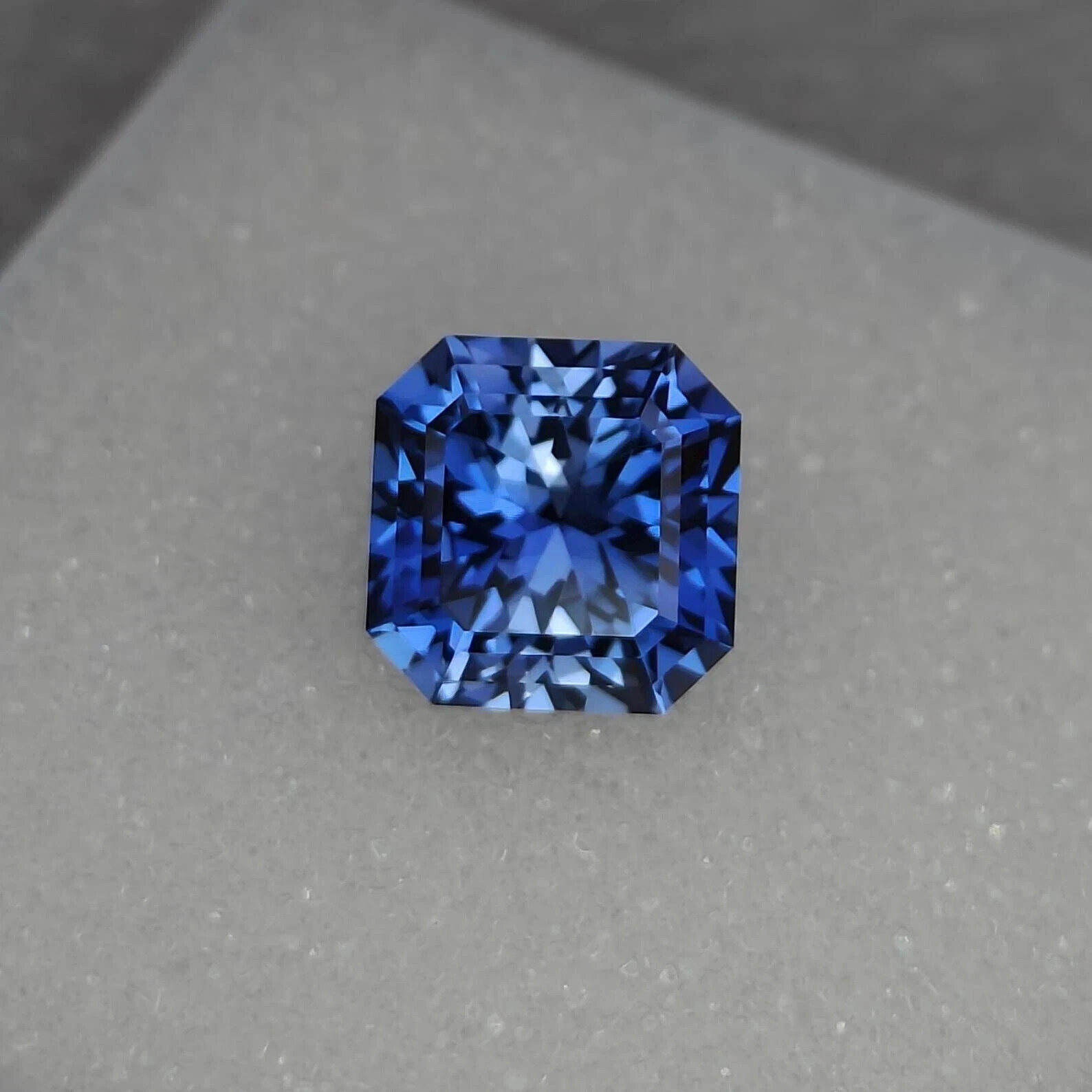 Natural Kashmiri Blue Sapphire Asscher Cut AAA+ 9-11Ct Certified Loose Gemstone$18.80Last checked Nov 28, 2026View on eBay
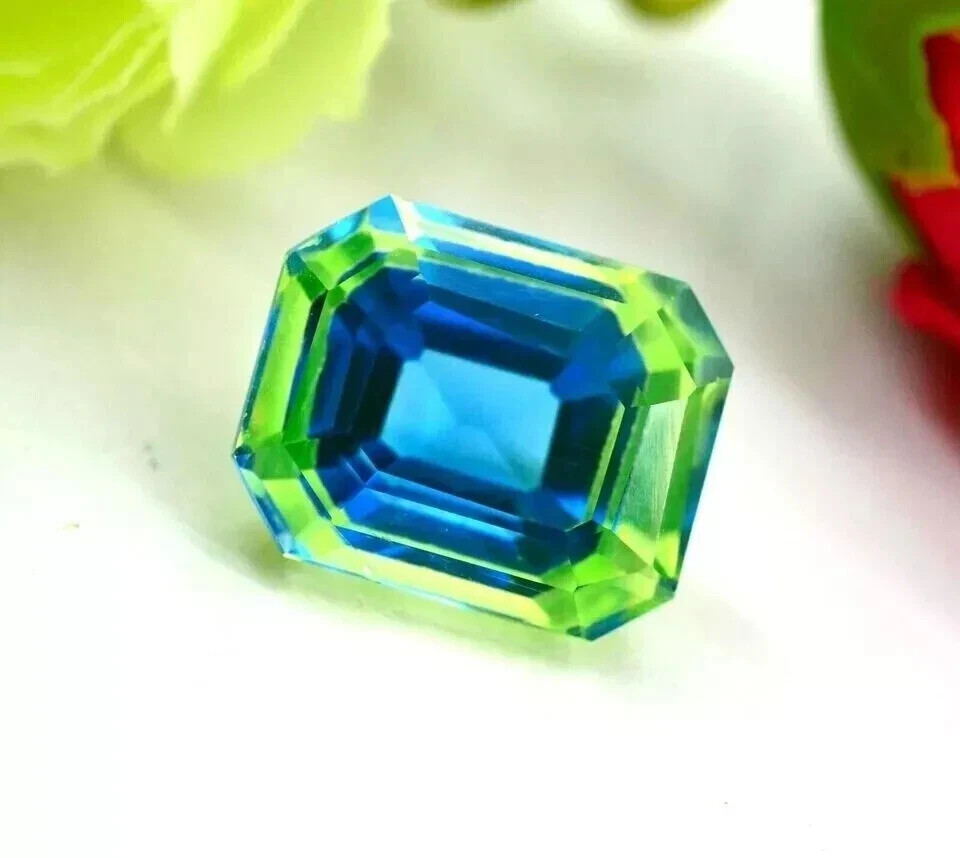 Natural Bi-Color Pitambari Sapphire Emerald 10-12CT Loose Certified Gemstone$19.34Last checked Nov 28, 2026View on eBay
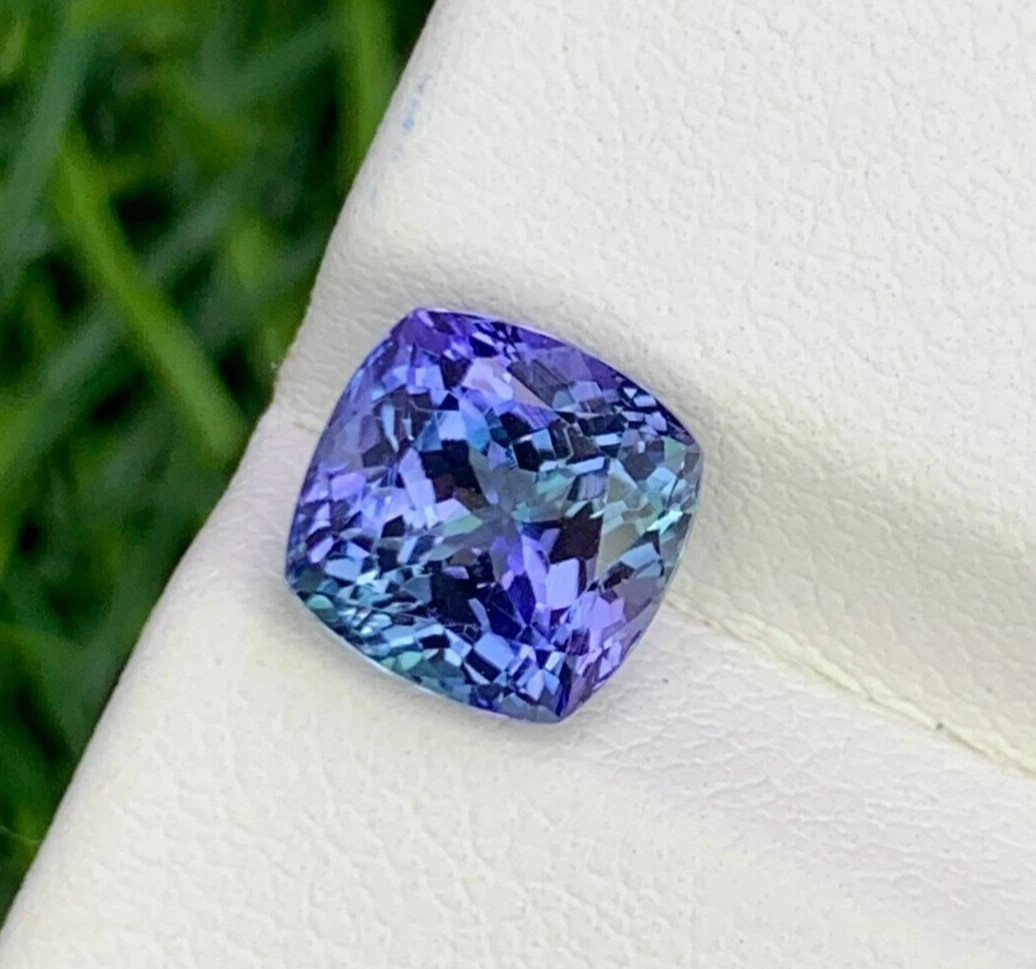 Natural Blue Tanzanite Cushion 9-10 Ct Extremely Rare Certified Loose Gemstone$22.27View on eBay
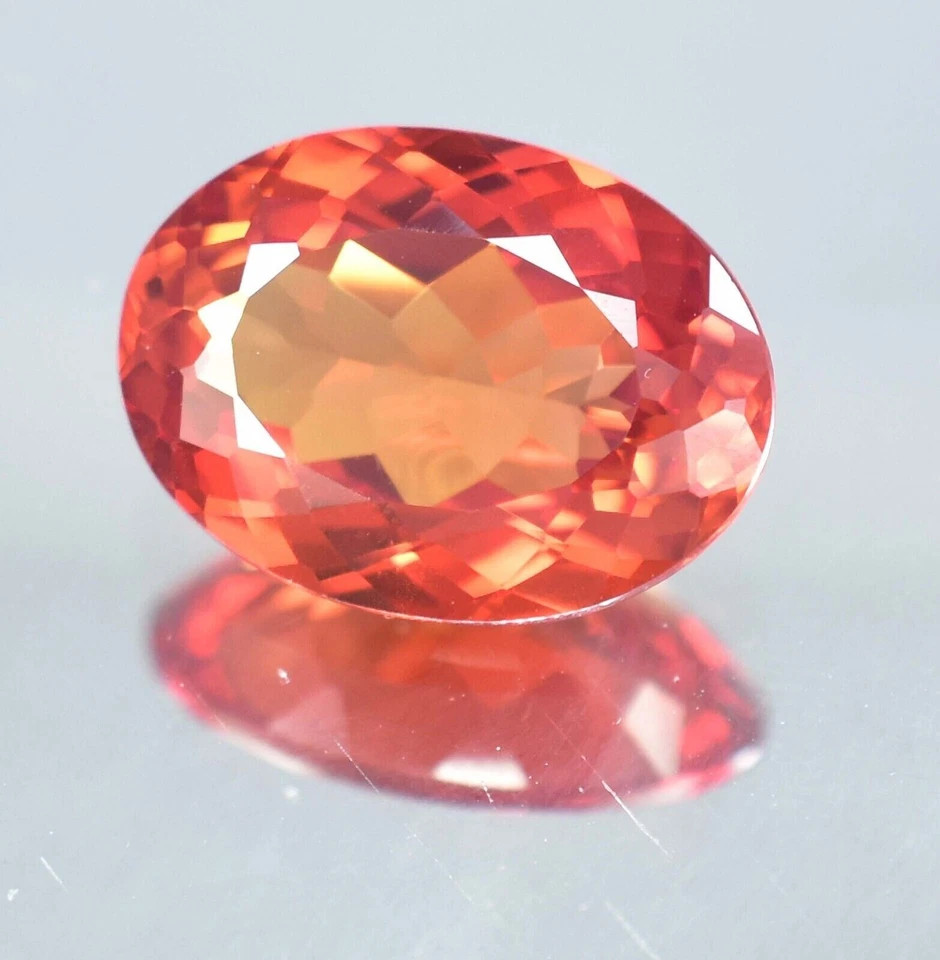 NATURAL Padparadscha Sapphire 13 Ct CERTIFIED Oval Cut Loose Gemstone Ring Size$22.49View on eBay
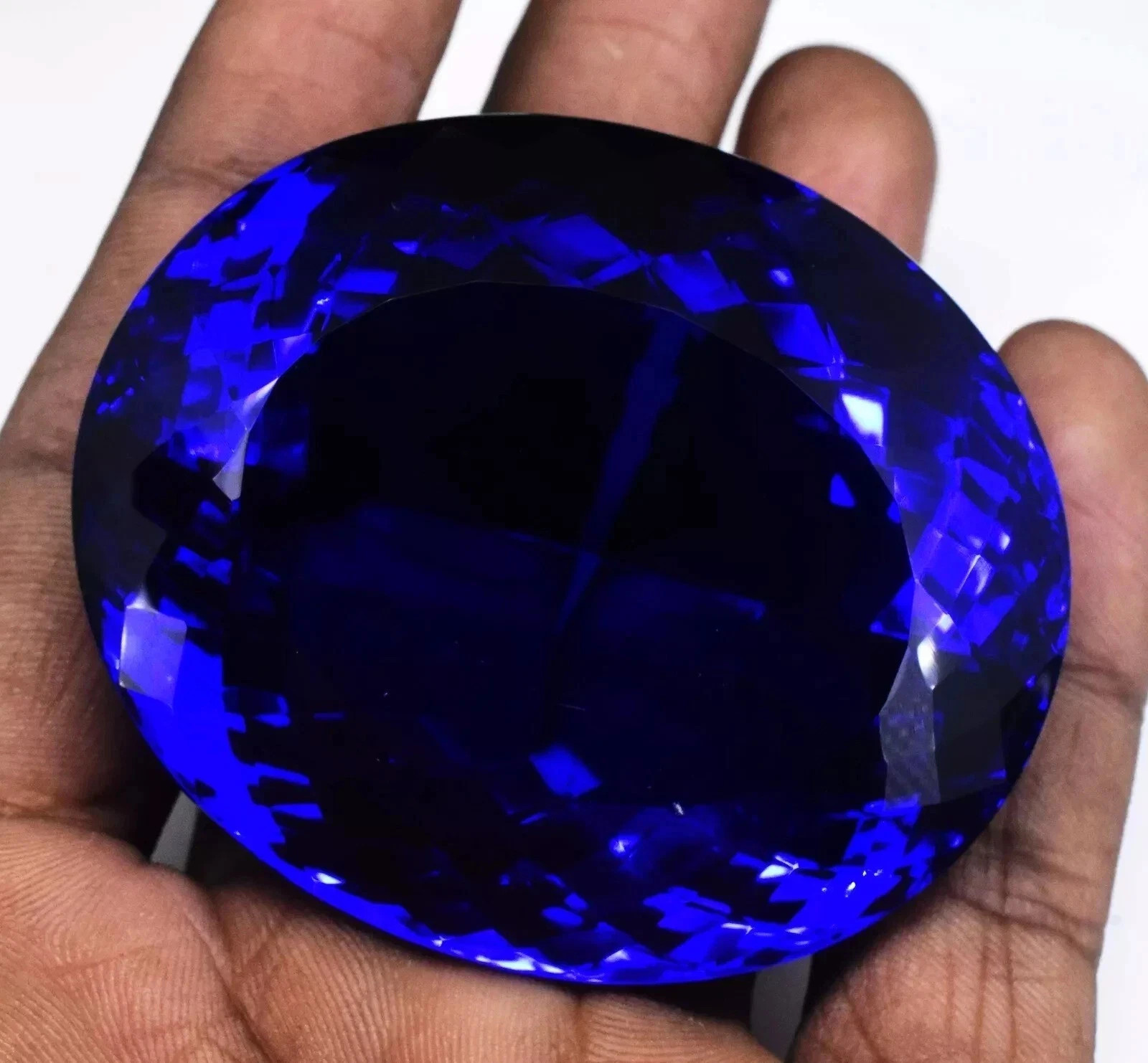 205 Carat Flawless Blue Tanzanite Oval Cut Stunning Certified Loose Gemstone$23.99View on eBay
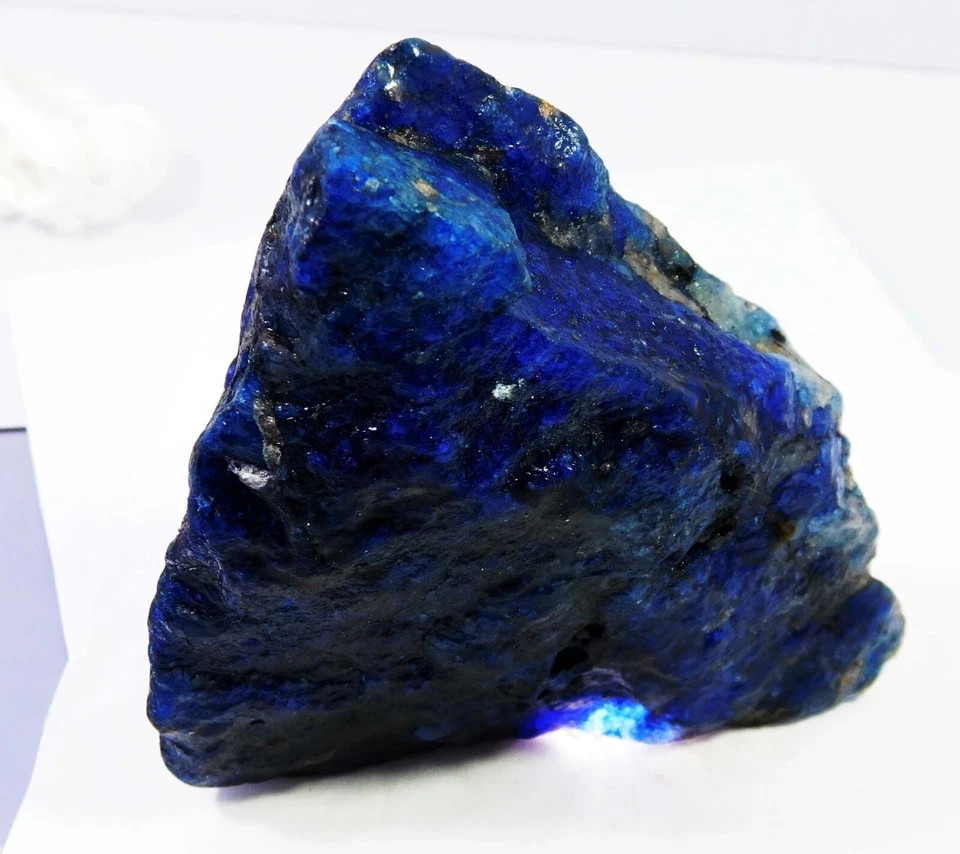 1720 CT Natural Blue Sapphire Certified Rough Uncut Stone Huge Loose Gemstone$24.99View on eBay
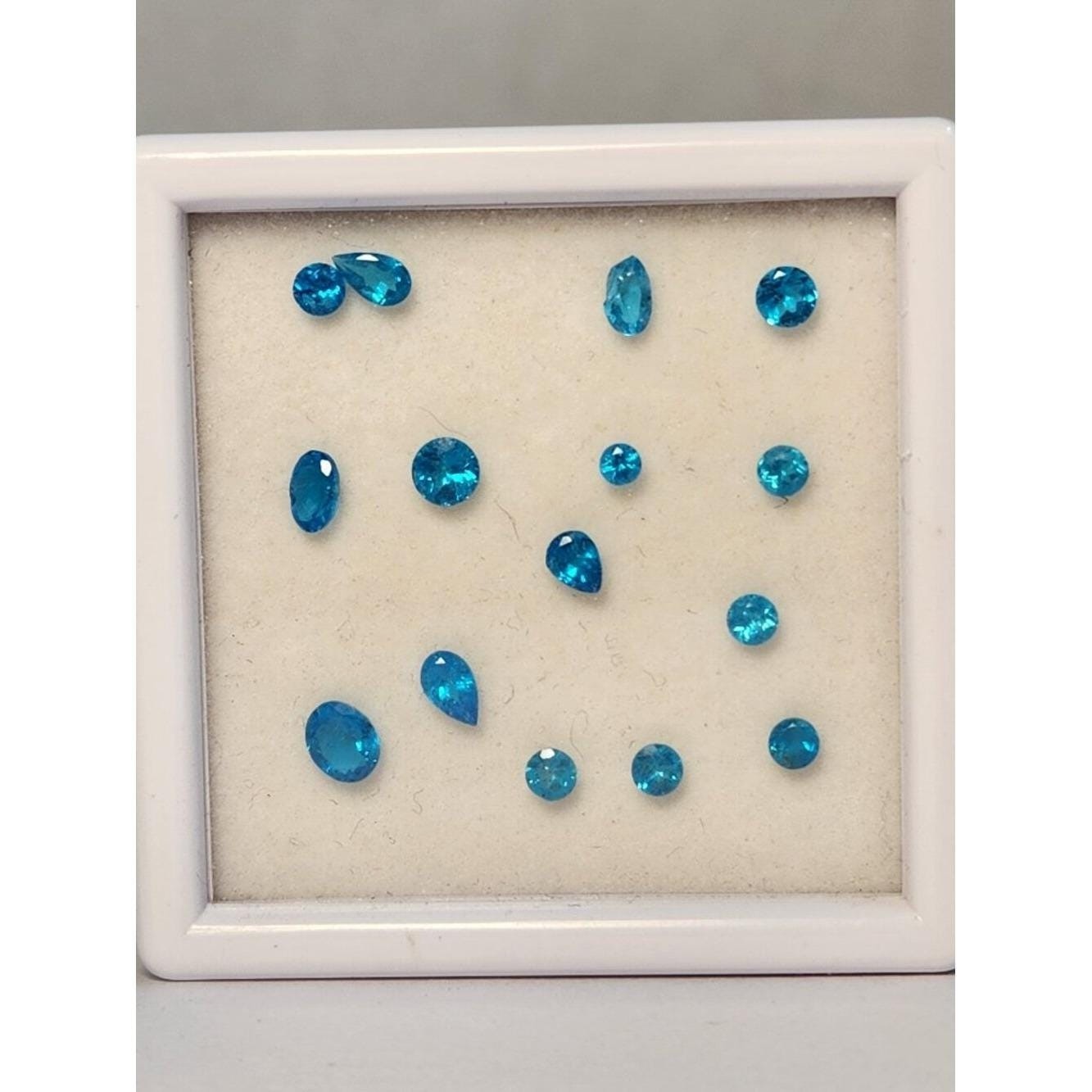 Natural Neon Blue Apatite 2.75 CTW Loose Gemstone Parcel JTV Mixed Cut India$89.99View on eBay
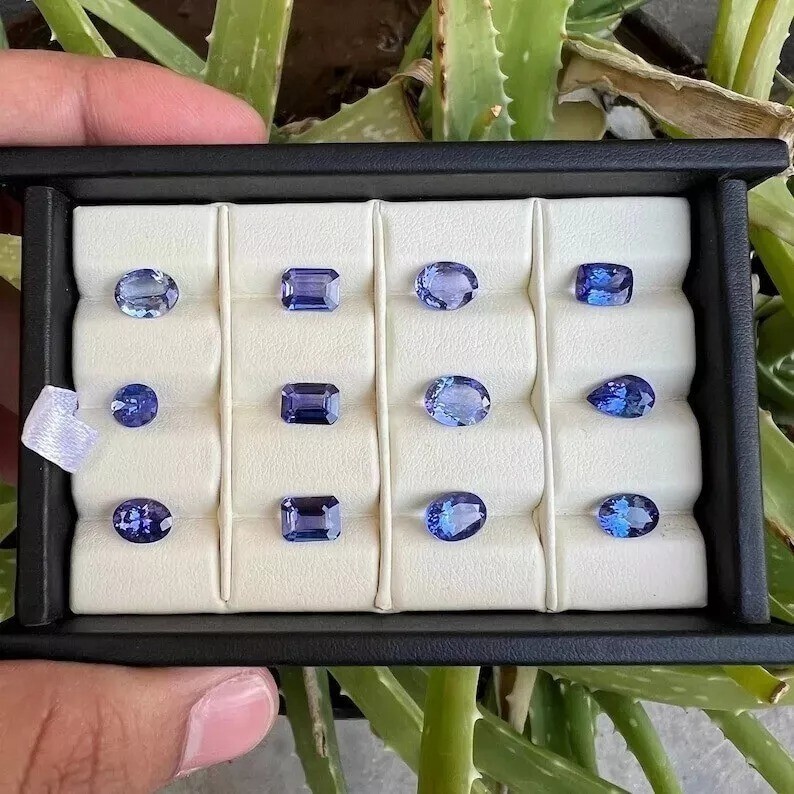 Superb Natural Sapphire Blue Mix Cut CERTIFIED 120 Ct 12 Pcs Loose Gemstone Lot$146.60Last checked Nov 28, 2026View on eBay
Highlights
- Corundum hardness is 9 Mohs—only diamond is harder—so sapphire resists scratches in daily-wear rings better than emerald or opal.
- Certification tiers split value: GIA/AGL/GRS reports verify origin and treatment; generic 'certified' paper from unknown labs carries minimal assurance.
- Heating is standard and accepted for 90%+ of commercial blue sapphire; unheated stones command premiums and require explicit lab confirmation.
- Lab-created sapphire is chemically identical corundum but sells for a fraction of natural price—disclosure is mandatory for honest resale.
Best use cases
- Best fit: certified natural heated blue sapphire in 6-8mm round or oval for a daily-wear engagement ring—pair with 14k or 18k gold and a protective bezel or prong setting.
- Best fit: lab-created or heated commercial sapphire parcels in calibrated sizes for fashion jewelry, earring pairs, and stacker bands where color match matters more than origin.
- Wrong fit: uncertified 'Kashmiri' or 'Padparadscha' bargains—these origin labels command huge premiums and are routinely misapplied without GIA/AGL proof.
- Wrong fit: rough uncut sapphire bought as an investment—rough has narrow resale and requires cutting expertise; buy faceted certified stones instead.
Buying tips
- Demand GIA, AGL, or GRS reports for any stone above 1 carat or any origin-specific claim; independent lab numbers must match the stone's weight and measurements.
- For rings, choose calibrated sizes (6mm, 7mm, 8mm round; 6x8mm oval) so standard settings fit without custom fabrication costs.
- Treat 'AAA+', 'Superb', and 'Top Quality' as seller adjectives with no standard definition—grade color by tone, saturation, and hue against a GIA master stone set.
- Padparadscha requires pink-orange balance and Sri Lankan origin certification; without a lab report, assume the label is marketing, not gemological fact.
Specs
| Hardness | 9 Mohs (corundum) |
|---|---|
| Treatment | Unheated / Heated / Diffused |
| Certification | GIA / AGL / GRS / IGI |
| Origin Labels | Kashmir / Ceylon / Burma / Madagascar |
Related searches
What to check before buying
- Measure your setting's seat: round stones need exact mm diameter; ovals and cushions need length x width plus pavilion depth clearance.
- Confirm treatment disclosure in writing—unheated, heated, or lattice-diffused—since diffusion dramatically lowers durability and value.
- Check return window and certification policy before purchase; stones must be returnable if lab report does not match the listing.
- Verify origin claims against the lab report country, not the listing title; Kashmir, Burma, and Ceylon labels require documented proof.
FAQ
Data sources: eBay / Amazon listings and product attribute feeds. Updated Nov 28, 2026.
Some links on this page are affiliate links. If you buy after clicking one, we may earn a commission at no extra cost to you. This does not change which products appear here or their order. Affiliate disclosure.