
Photos from current listings. Actual item, color, and included accessories may vary.
Loose Stone Buying Guide
Loose stones are unmounted gem materials sold by carat, cut, and clarity, used primarily for custom ring settings. The core trade-off is between natural rarity (species, origin, treatment status) and practical durability (Mohs hardness, cleavage, toughness) for daily wear. The decision rule: for rings, choose species with Mohs 7+ and no directional cleavage unless protected by a bezel, and demand explicit treatment disclosure; treat soft or fracture-prone stones as collector or pendant-only material.
Median $28.08
Key takeaways
- Mohs hardness separates ring-safe stones (corundum sapphire/ruby 9, diamond 10, spinel 8) from scratch-prone ones (opal 5.5-6.5, tanzanite 6-7, pearls 2.5-4.5) that belong in earrings or pendants.
- Cleavage and toughness matter as much as hardness: topaz has perfect basal cleavage and emerald is heavily included, so both need protective bezels or low-impact settings.
- Treatment status drives both durability and value: unheated sapphire and untreated tanzanite command premiums, while fracture-filled emerald and irradiation-treated topaz require disclosure and gentler care.
At a glance
- Category
- Loose Gemstones & Pearls
- Last updated
- Nov 28, 2026
Current offers
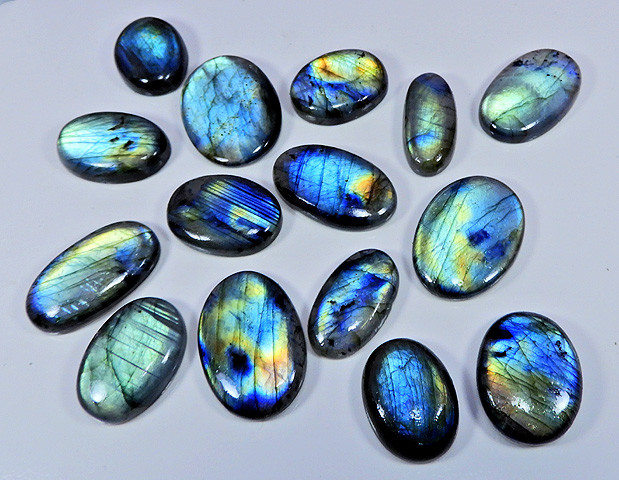 Natural Multi Flash Labradorite loose Cabochon Oval Gemstone Wholesale Lot$15.19View on eBay
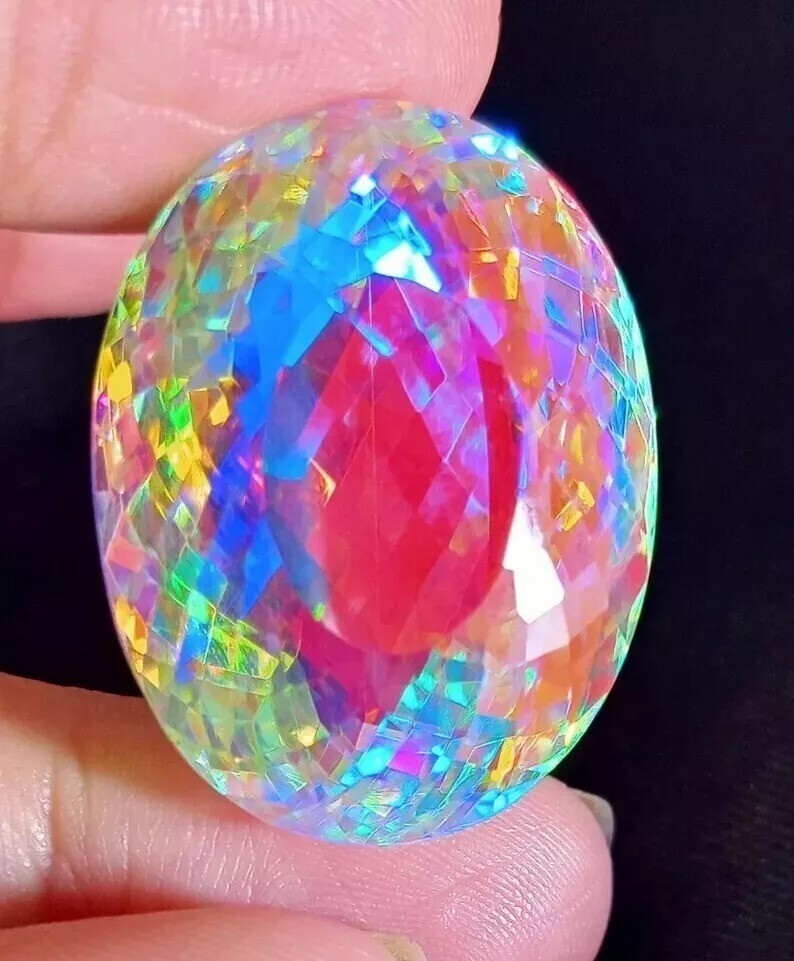 Natural Rainbow Mystic Topaz Oval Cut 68 Ct+ Certified Loose Gemstone$15.20View on eBay
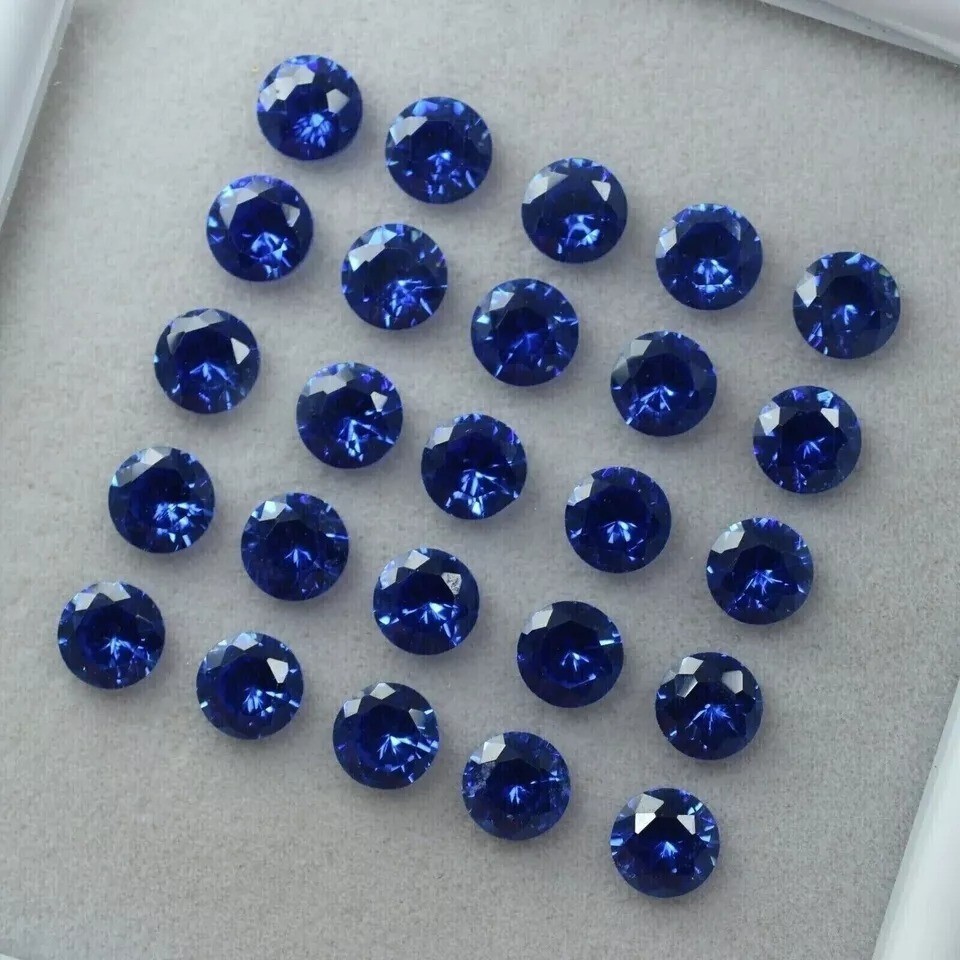 Beautiful Natural Blue Sapphire Lot Round 10 Pcs Certified 6 mm Loose Gemstone$15.58View on eBay
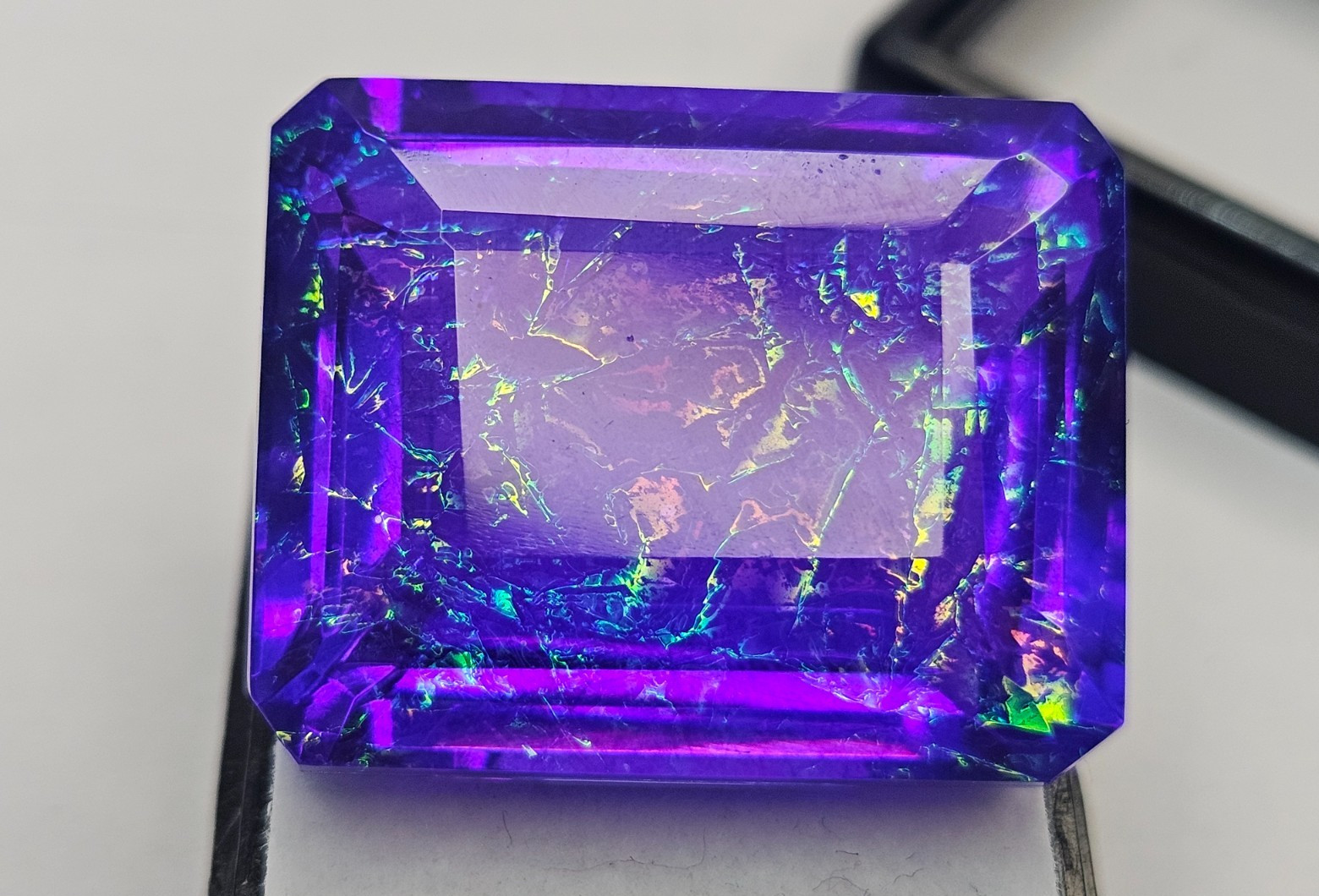 Emerald Cut Natural Monarch Fire Opal 70+ Ct Loose Certified Gemstone$16.55View on eBay
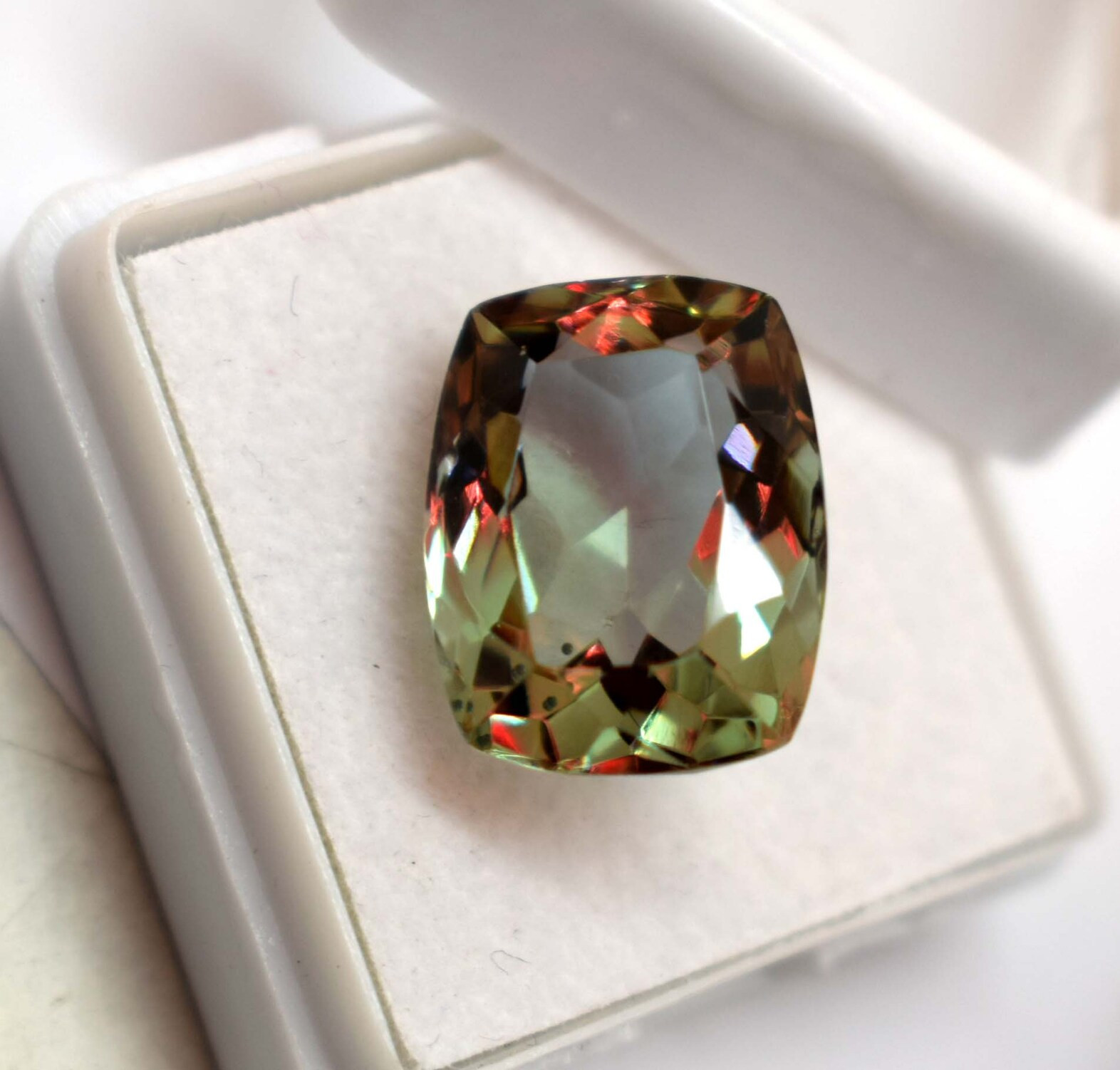 17.25 Ct Certified Natural Color Changing Alexandrite Cushion Cut Loose Gemstone$18.09View on eBay
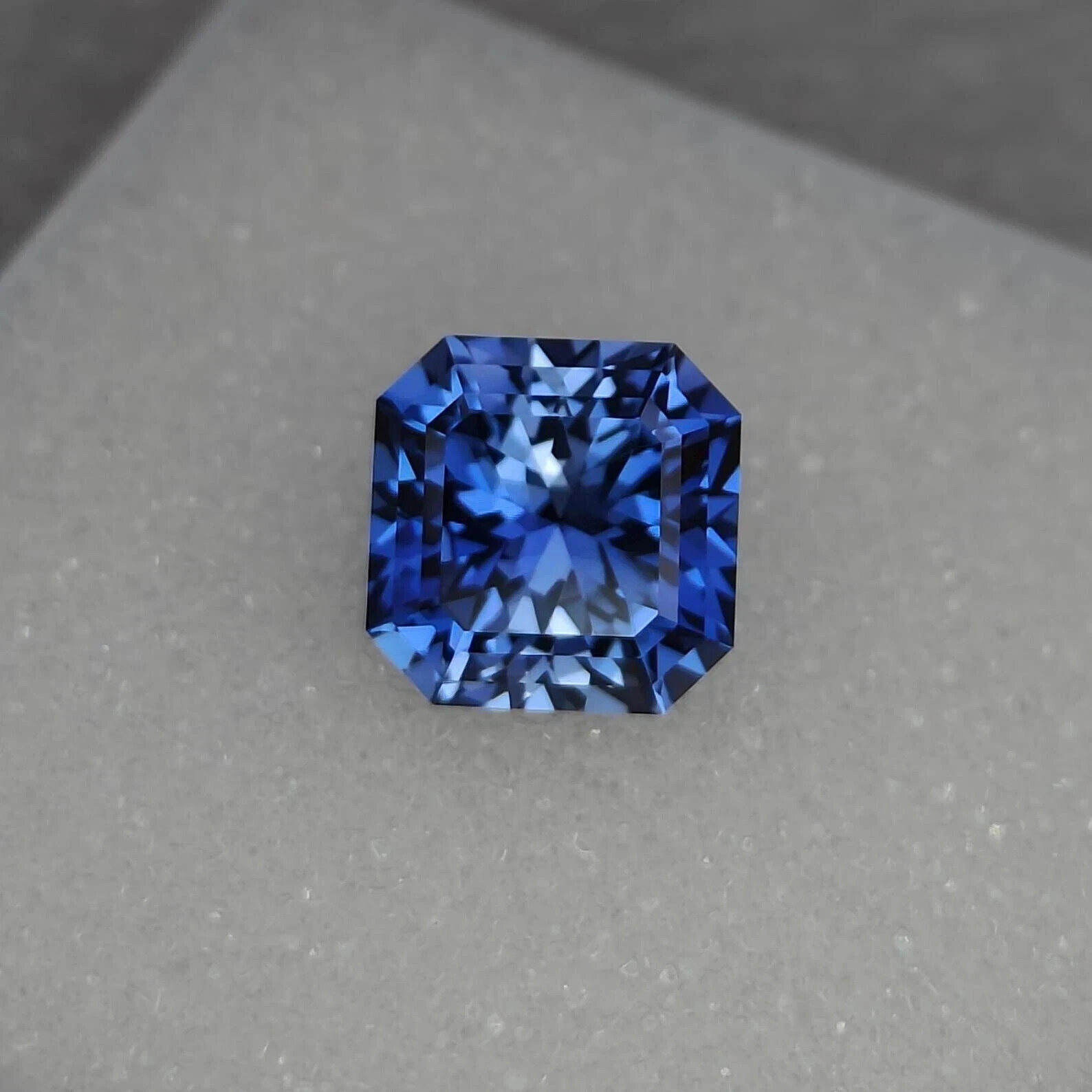 Natural Kashmiri Blue Sapphire Asscher Cut AAA+ 9-11Ct Certified Loose Gemstone$18.80Last checked Nov 28, 2026View on eBay
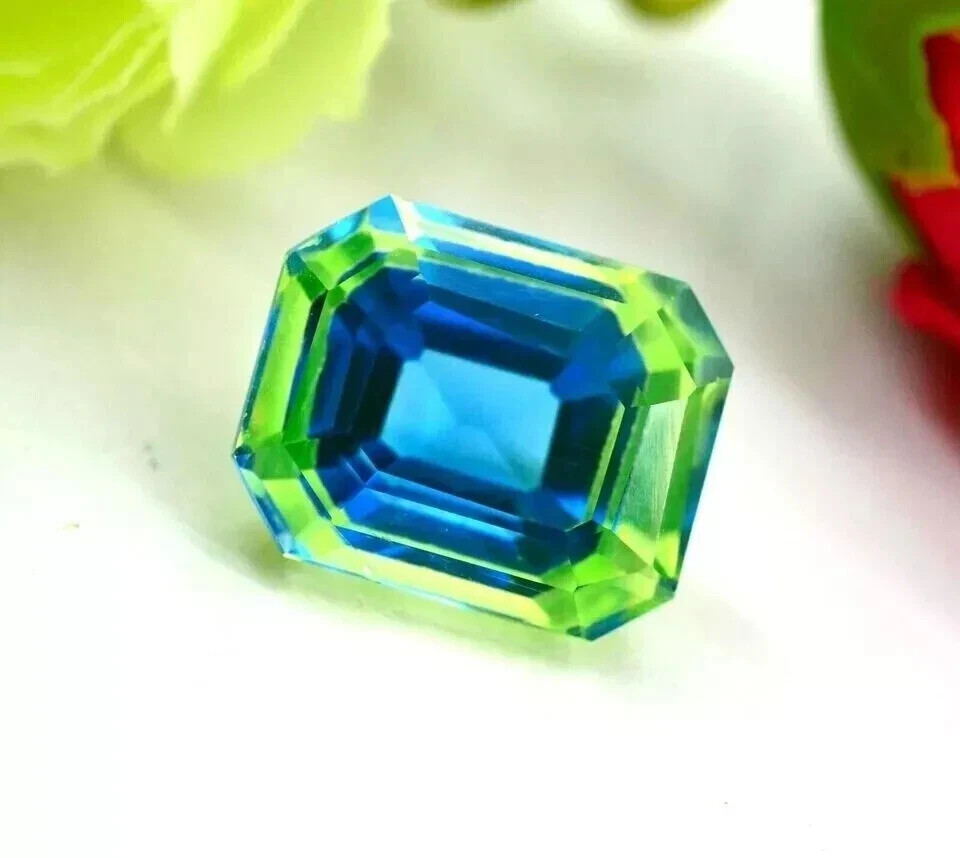 Natural Bi-Color Pitambari Sapphire Emerald 10-12CT Loose Certified Gemstone$19.34Last checked Nov 28, 2026View on eBay
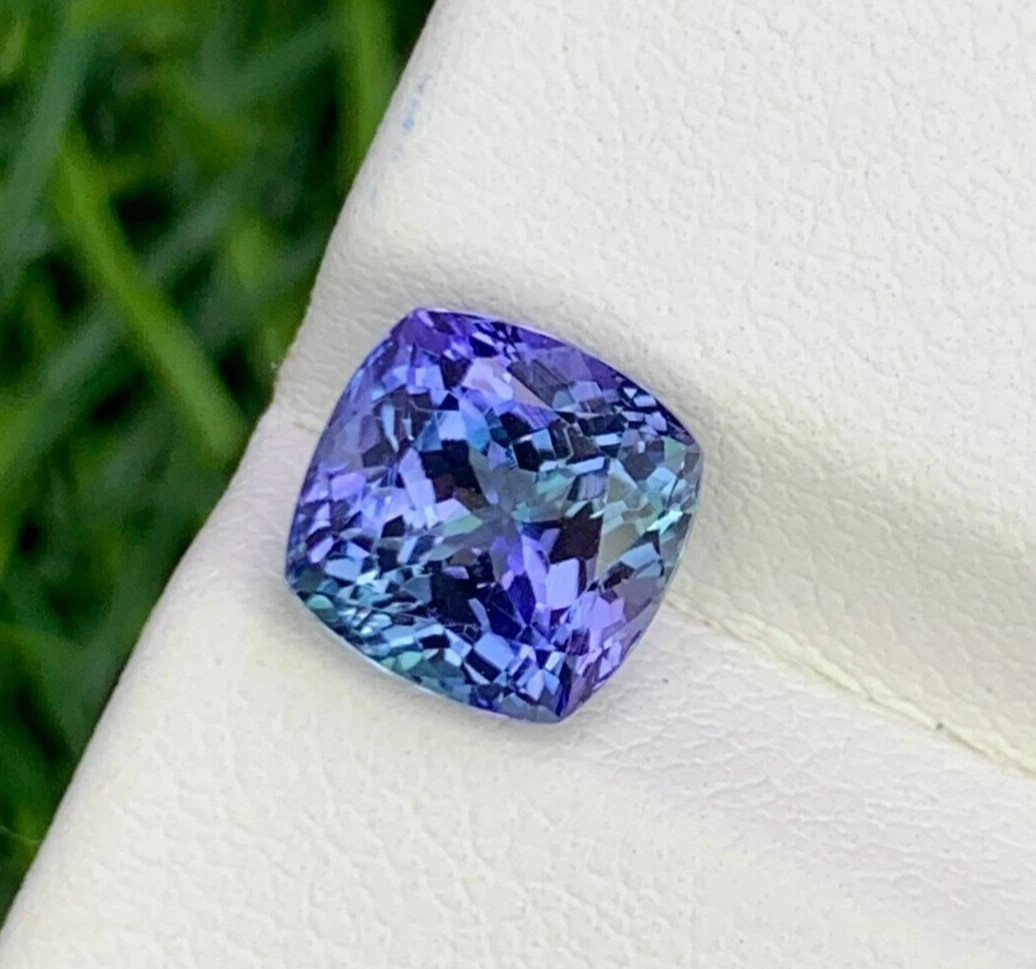 Natural Blue Tanzanite Cushion 9-10 Ct Extremely Rare Certified Loose Gemstone$22.27View on eBay
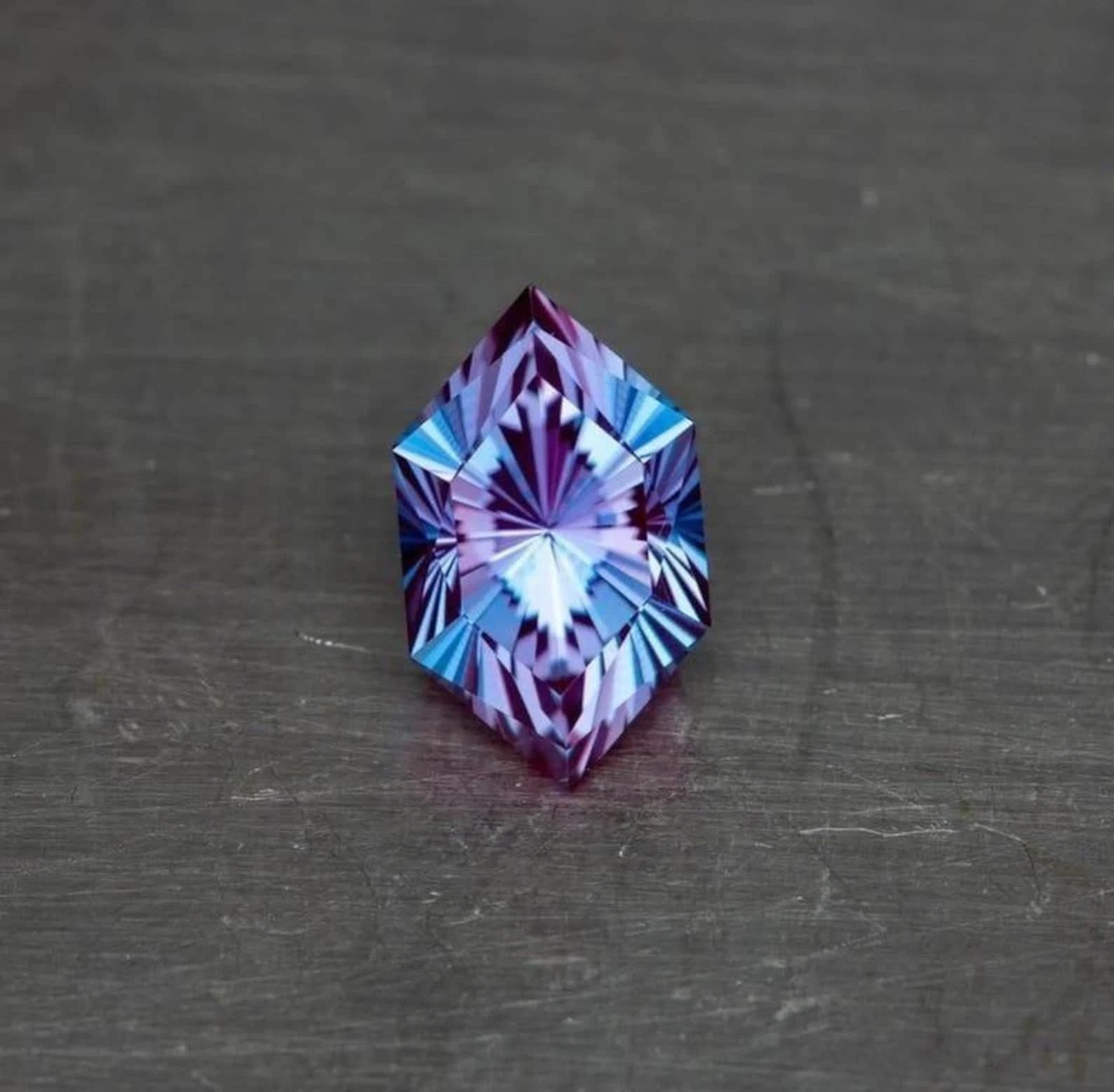 10 Ct Natural AA+ CERTIFIED Alexandrite Color Change Fancy Cut Loose Gemstone$22.49View on eBay
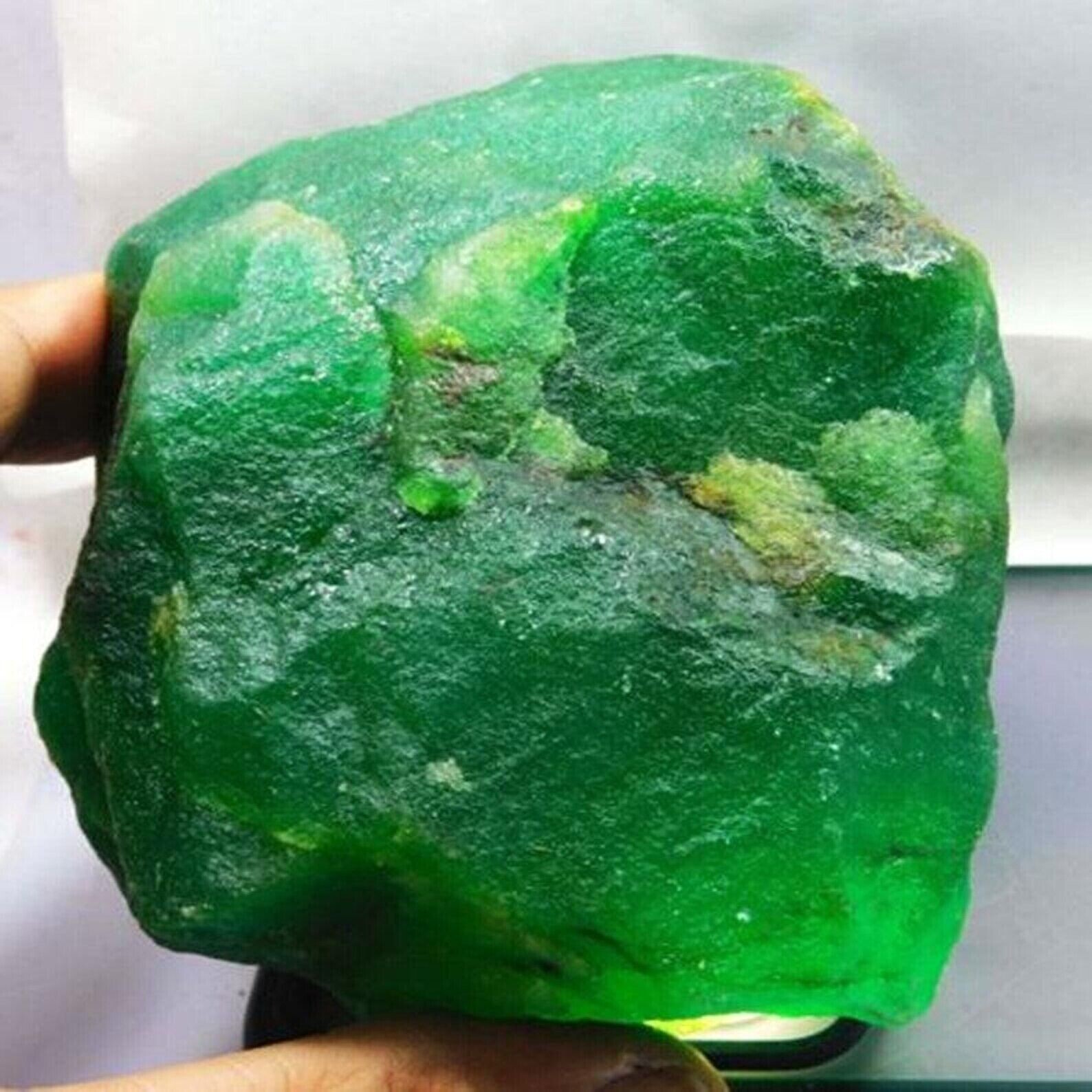 1005 Ct Natural Colombian Green Raw Emerald Rough Uncut Loose Gemstone$23.39View on eBay
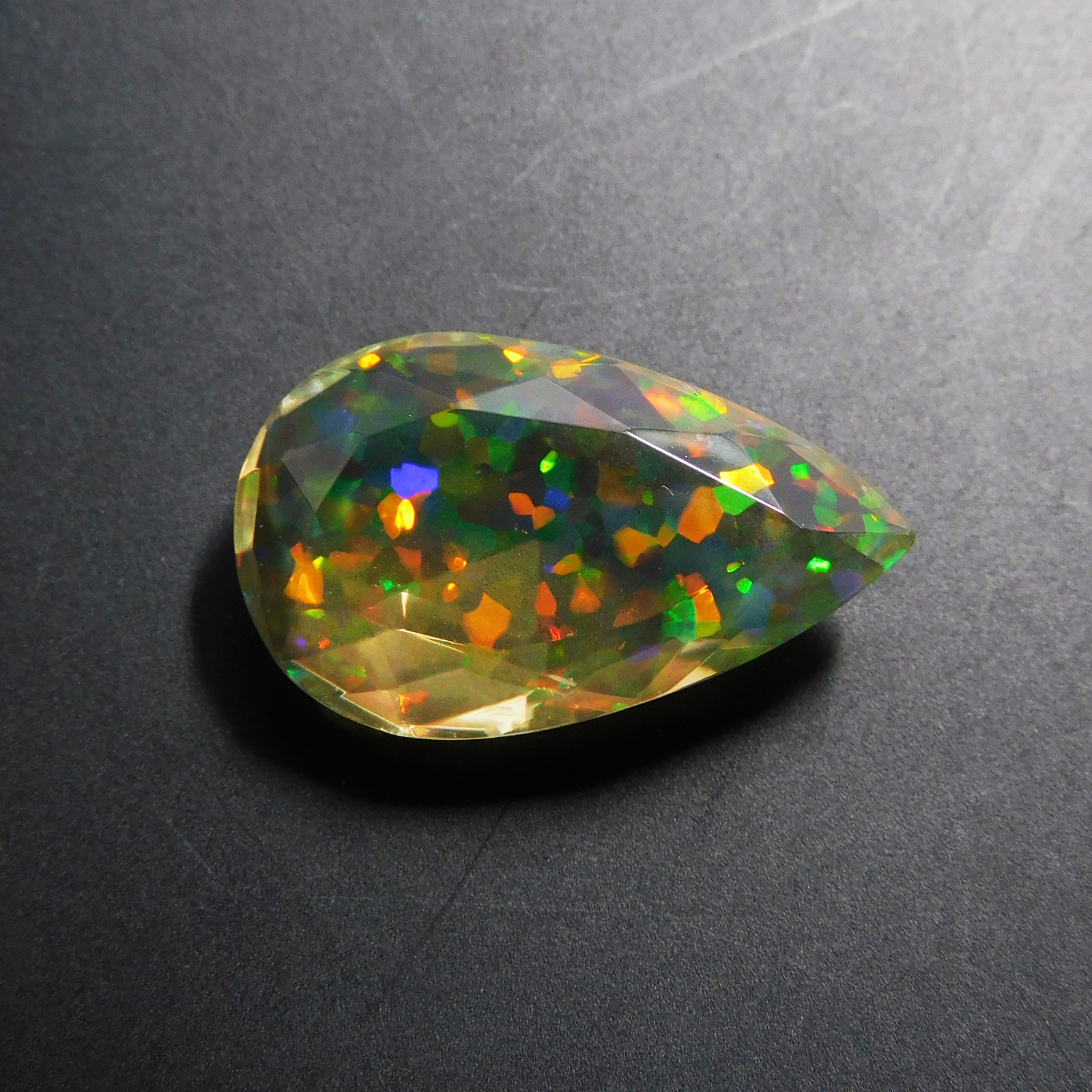 CERTIFIED Beautiful Fire Opal 13.60 Ct Lab-Created Pear Cut Loose Gemstone$23.49View on eBay
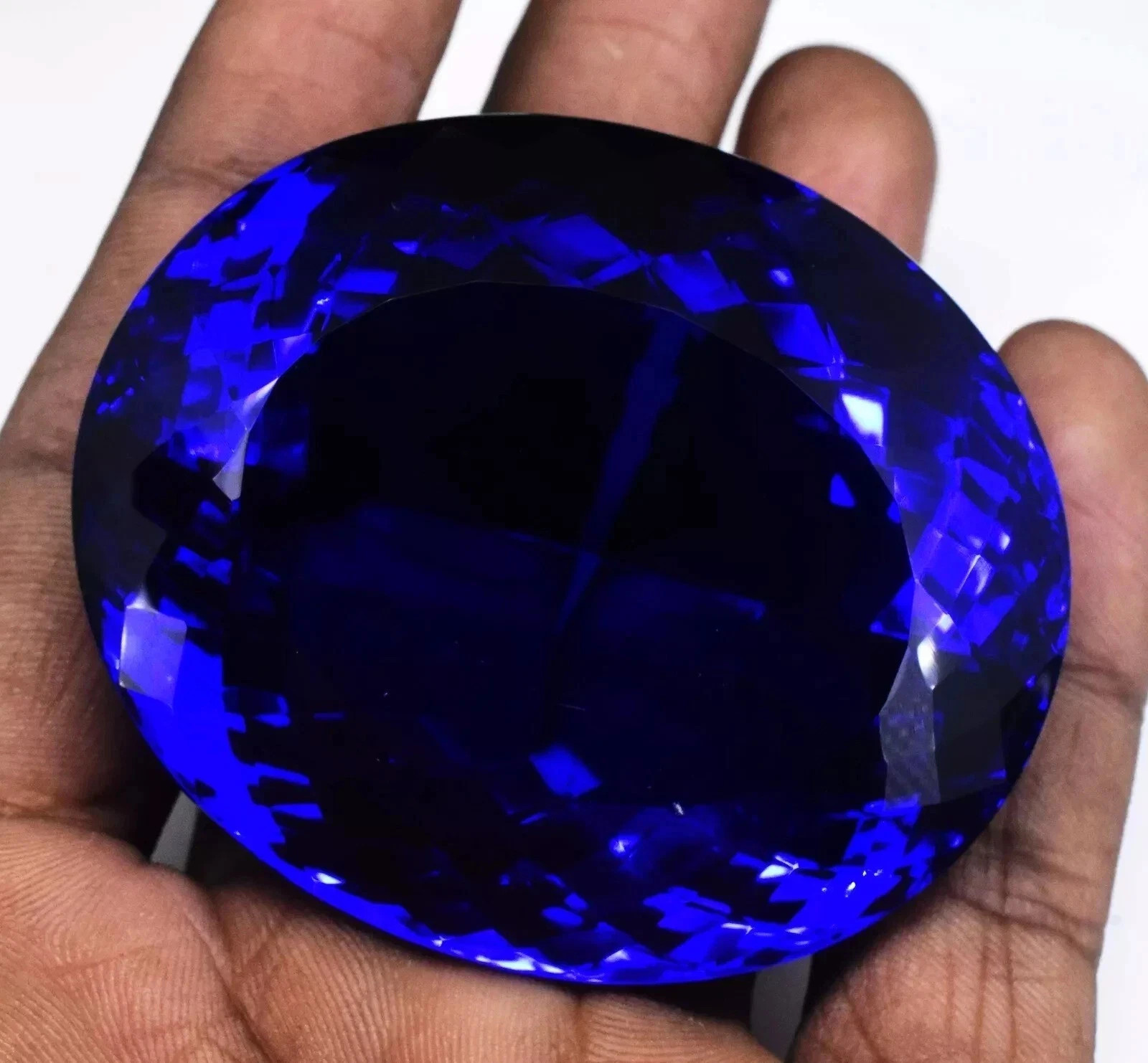 205 Carat Flawless Blue Tanzanite Oval Cut Stunning Certified Loose Gemstone$23.99View on eBay
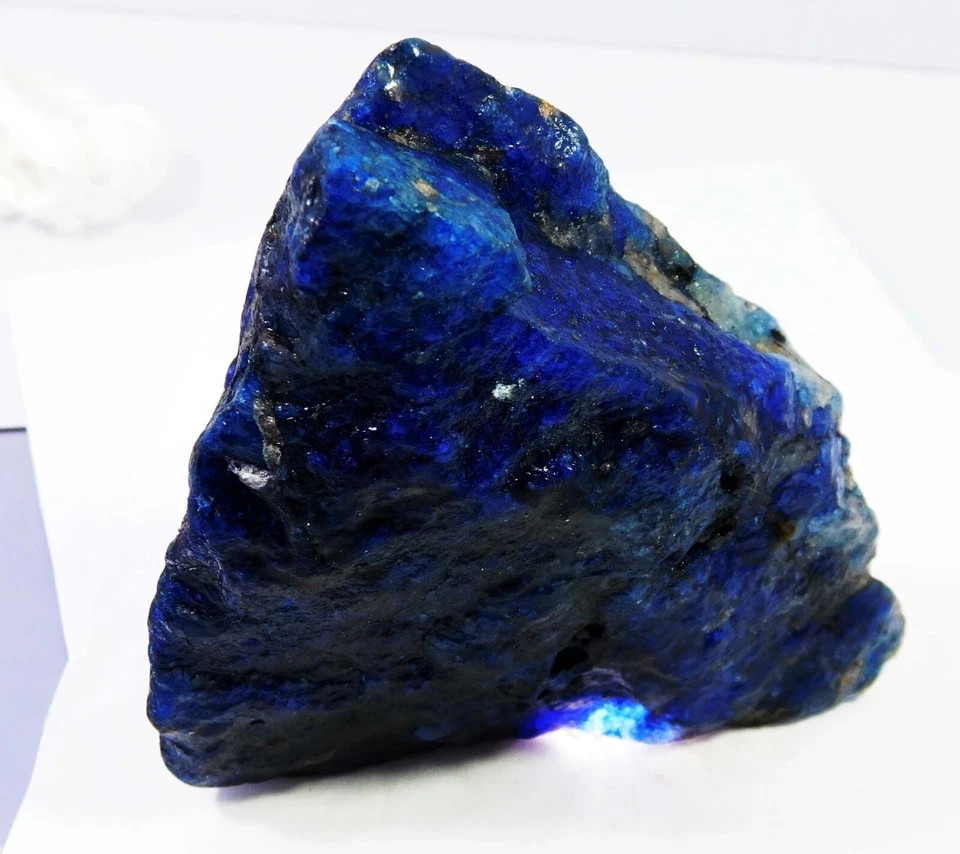 1720 CT Natural Blue Sapphire Certified Rough Uncut Stone Huge Loose Gemstone$24.99View on eBay
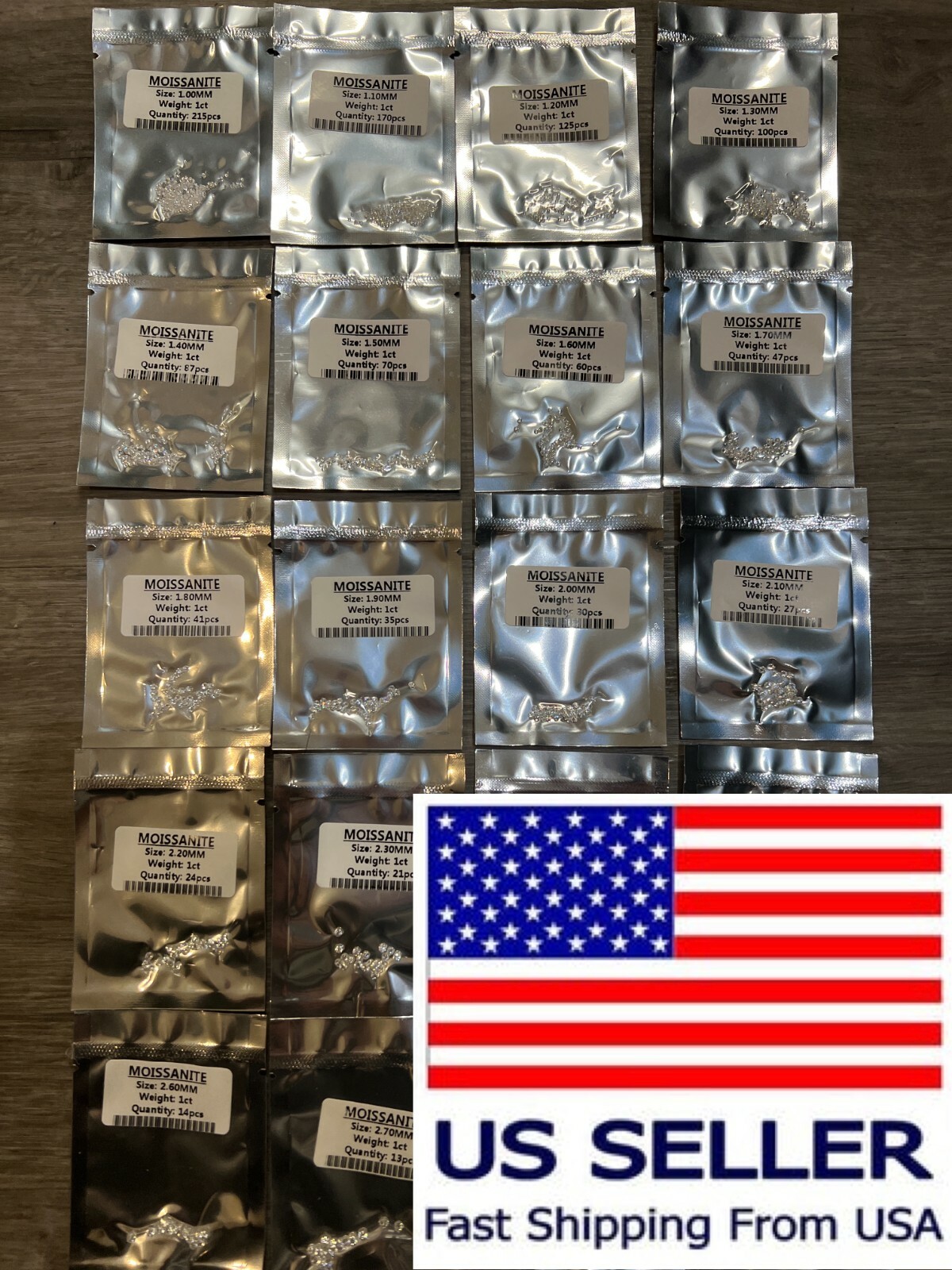 Loose Moissanite Real Gem 0.8mm-3mm ALL SIZES 1ct TW Parcel Melee Stone D VVS$28.08View on eBay
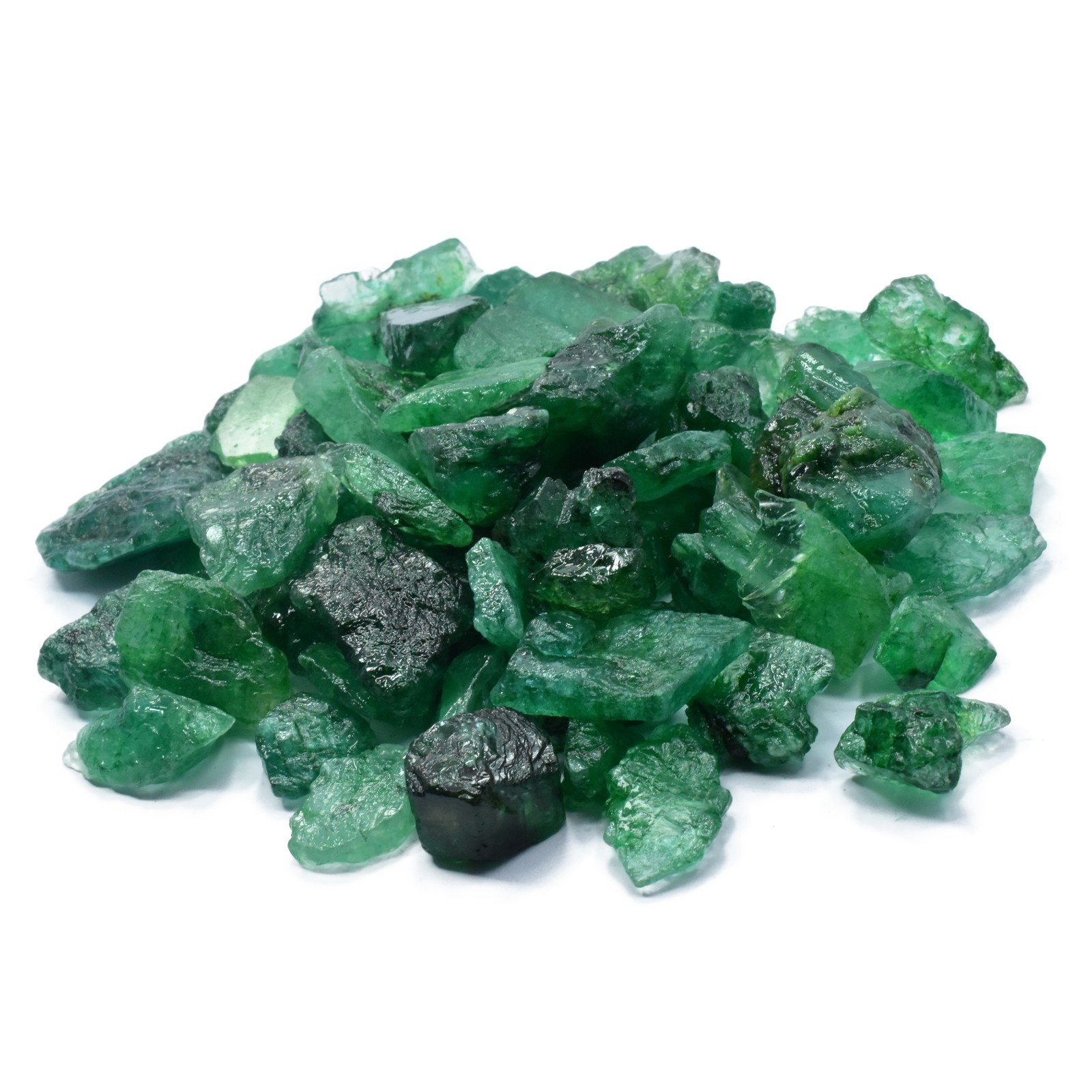 500 Ct Natural Emerald Green Rough Uncut Huge Size CERTIFIED Loose Gemstone$29.49Last checked Nov 28, 2026View on eBay
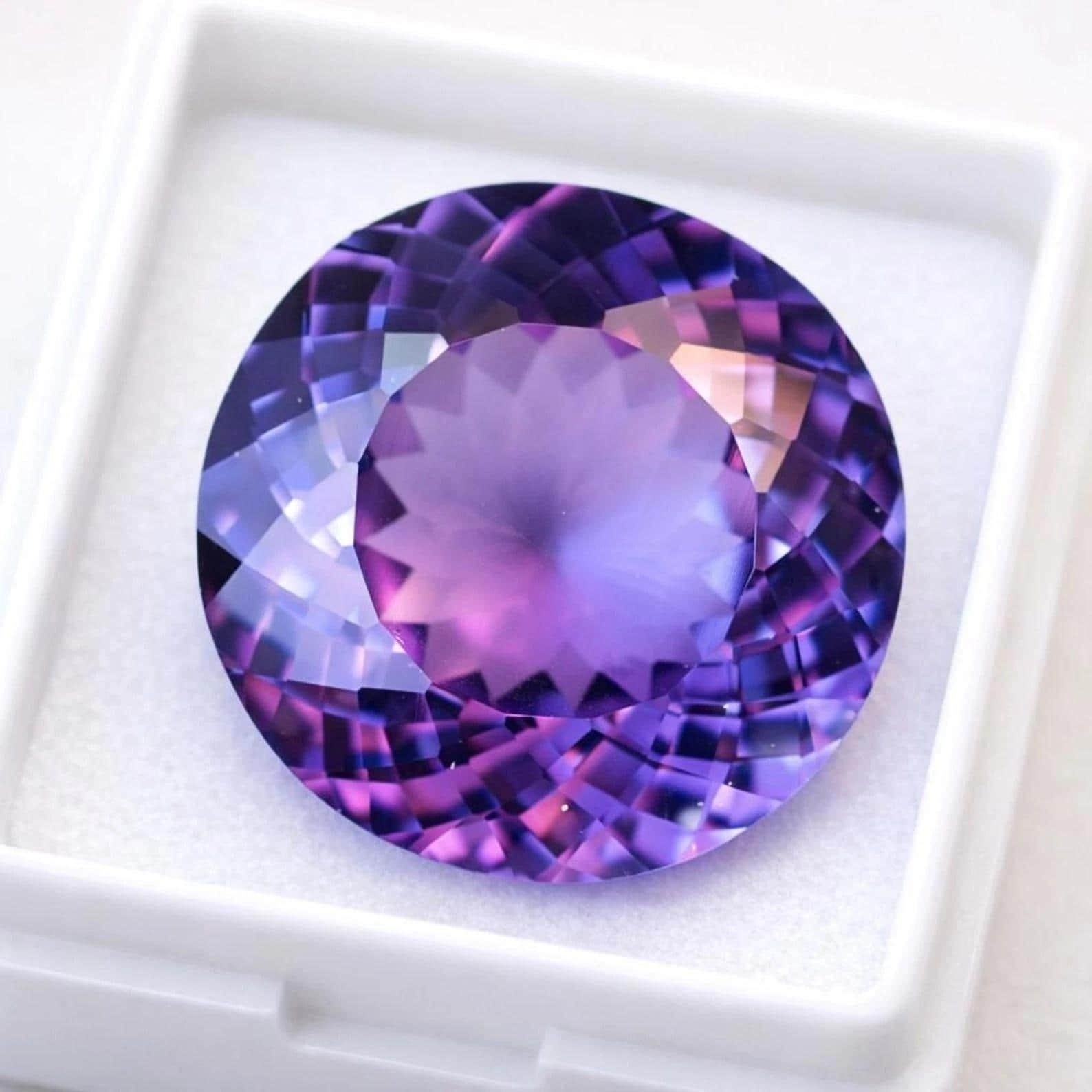 Certified 9.12 Ct Natural AAA Alexandrite Color Change Round Cut Loose Gemstone$38.99View on eBay
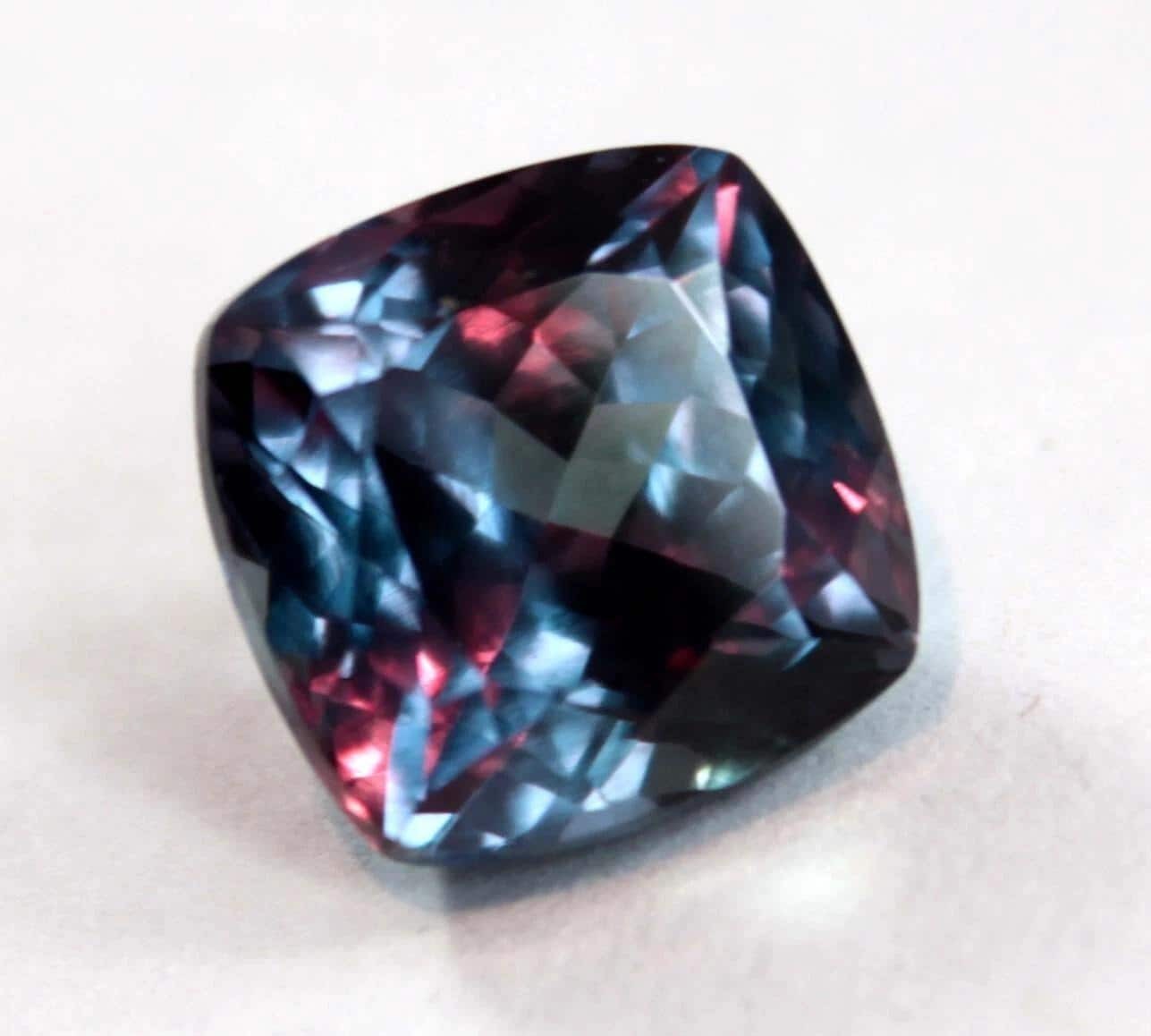 9.05 Ct Natural Alexandrite Color Change Cushion Cut AA Certified Loose Gemstone$39.99View on eBay
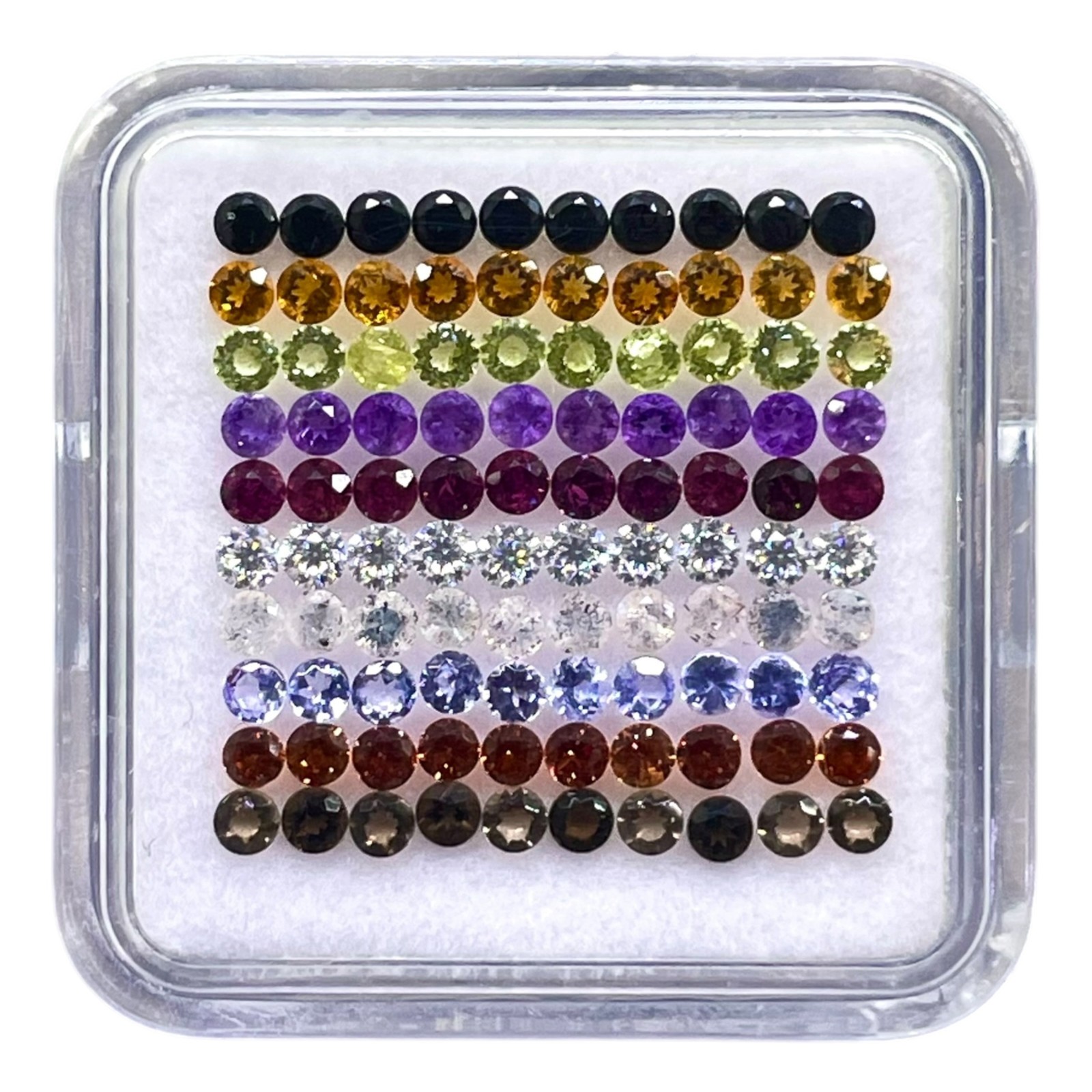 100 Pcs Natural Multi Gemstones 2mm Round Calibrated Cut Loose Gemstones Lot$40.00View on eBay
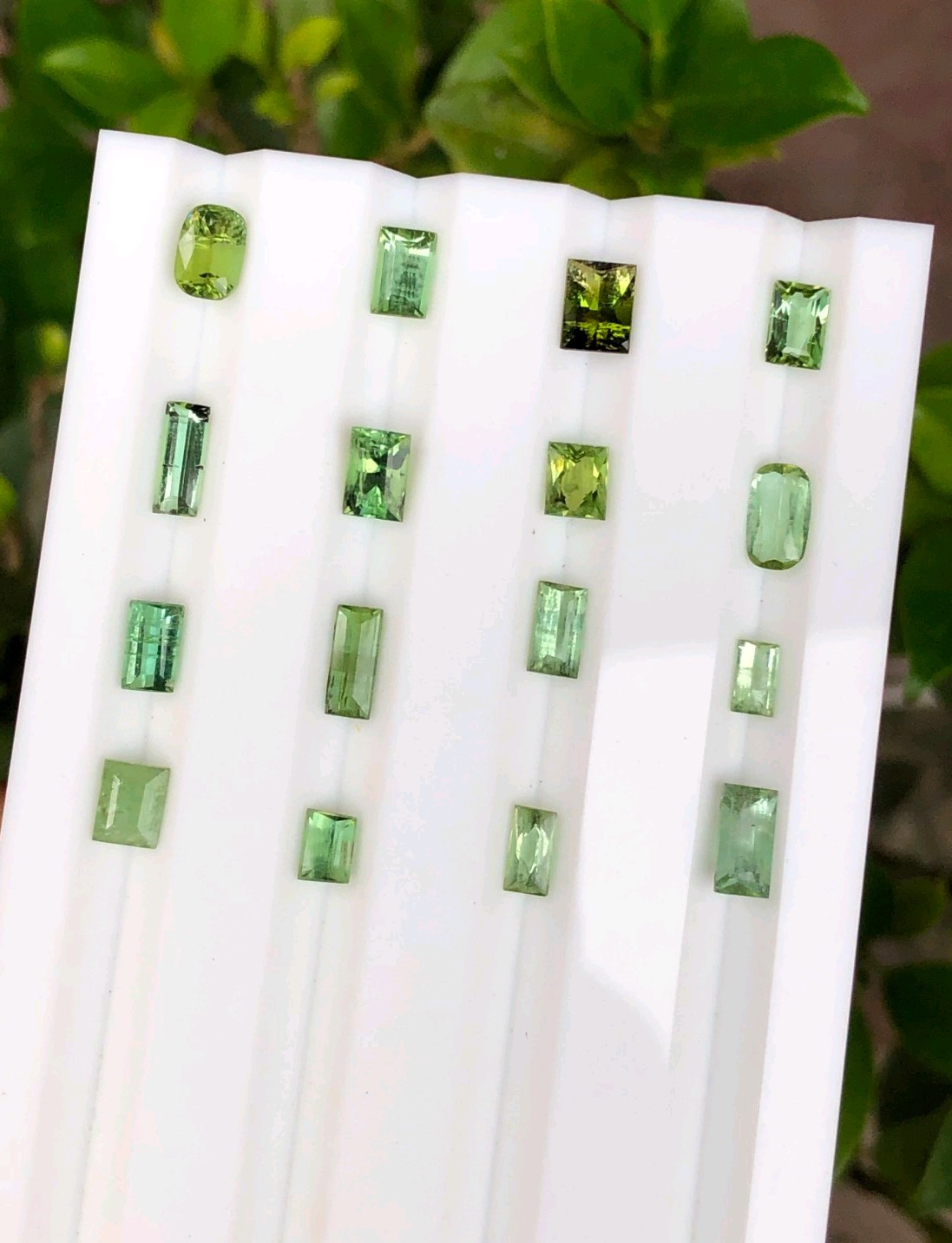 Tourmaline Parcel 8.90 Ct Mixed Cut Loose Gemstone Lot Faceted$42.00View on eBay
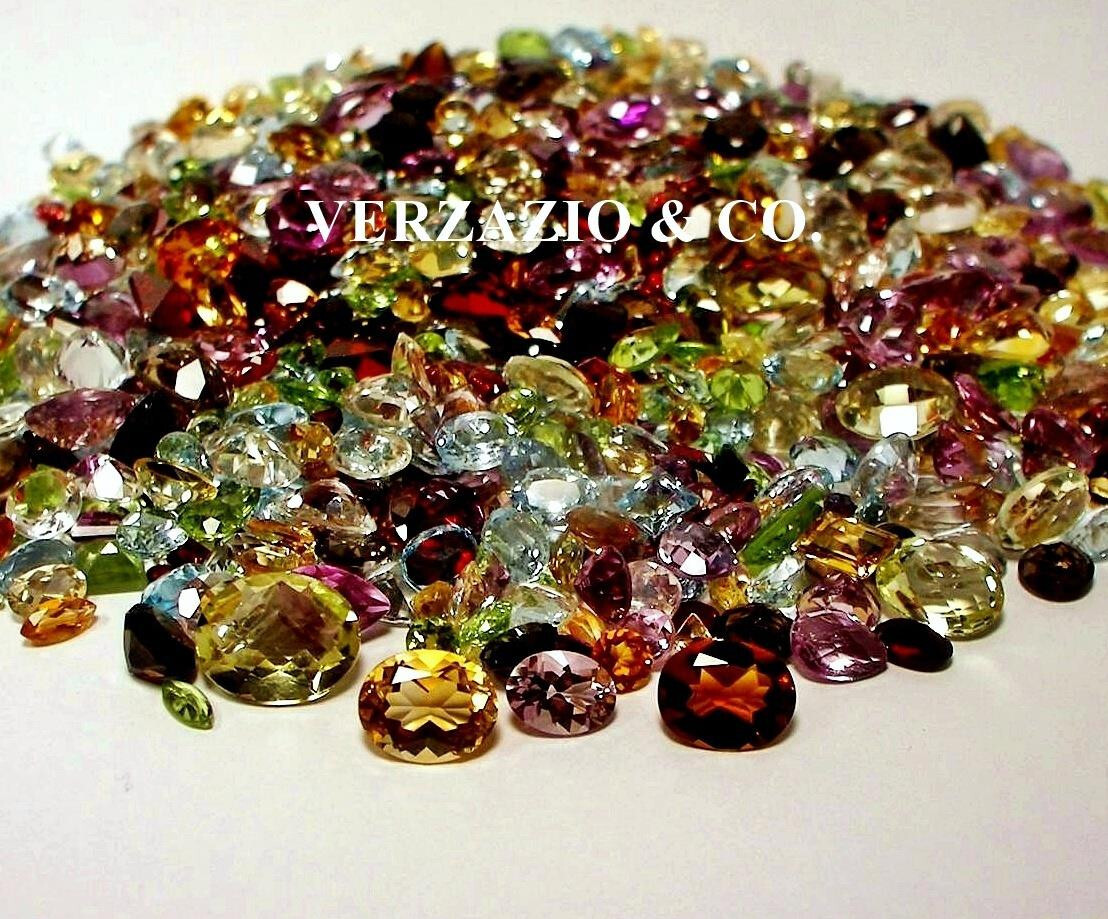 200 CARAT MIX LOT LOOSE FACETED NATURAL GEMSTONES MIXED GEMS WHOLESALE GEMSTONES$66.49View on eBay
Highlights
- Mohs hardness separates ring-safe stones (corundum sapphire/ruby 9, diamond 10, spinel 8) from scratch-prone ones (opal 5.5-6.5, tanzanite 6-7, pearls 2.5-4.5) that belong in earrings or pendants.
- Cleavage and toughness matter as much as hardness: topaz has perfect basal cleavage and emerald is heavily included, so both need protective bezels or low-impact settings.
- Treatment status drives both durability and value: unheated sapphire and untreated tanzanite command premiums, while fracture-filled emerald and irradiation-treated topaz require disclosure and gentler care.
- Cut grade governs light return more than carat weight; a well-proportioned oval or cushion at 60-65% depth outperforms a deep-cut stone that faces smaller and windowes out.
Best use cases
- Best fit for an engagement ring: sapphire (any color), ruby, spinel, or diamond in a bezel or prong setting; natural corundum at Mohs 9 handles daily knocks without scratching.
- Wrong fit for a daily-wear ring: opal, tanzanite, pearl, or fracture-filled emerald; reserve these for pendants, earrings, or occasional-wear rings with protective settings.
- Best fit for a statement pendant: large fire opal, labradorite cabochon, or mystic topaz; their color play and size shine when not subjected to hand impact.
- Wrong fit for a budget ring build: high-carat certified collector stones (Alexandrite, Kashmir sapphire) as first jewelry; their value and fragility demand insurance and custom protective work.
Buying tips
- Match stone dimensions to the setting's seat, not just carat weight: a 6 mm round is about 0.80-0.90 ct in sapphire but about 0.70 ct in diamond, so buy the setting first or confirm millimeter diameter.
- For daily rings, require Mohs 7 or higher plus fair or better toughness; corundum, spinel, and diamond qualify, while tanzanite, opal, and pearl do not.
- Insist on a named lab report (GIA, AGS, IGI, or AGL) for any stone above roughly 1 ct or any color-change or origin claim; untreated sapphire and Alexandrite claims need documentation.
- Buy calibrated sizes for standard settings (6x4 mm, 7x5 mm, 8x6 mm ovals; 6 mm, 7 mm rounds) and expect custom-cut stones to require a custom setting at extra cost.
Specs
| Mohs Hardness | Pearl 2.5-4.5 to Diamond 10 |
|---|---|
| Treatment Status | Untreated / Heated / Filled / Irradiated |
| Calibrated Sizes | 6-8 mm rounds; 6x4 to 8x6 mm ovals |
| Certification | GIA / AGS / IGI / AGL report |
Related searches
What to check before buying
- Confirm the setting's seat dimensions in millimeters and shape (round, oval, cushion) before buying the stone; carat weight alone does not guarantee fit.
- Check your lifestyle and ring-wear habits: hand-heavy work rules out opal, pearl, tanzanite, and emerald regardless of beauty.
- Verify treatment and origin disclosure in writing, and confirm the lab report number matches the stone's measurements and weight.
- For colored stones, view the stone under daylight and incandescent light; color-change stones like Alexandrite must shift hue, not just darken.
FAQ
Data sources: eBay / Amazon listings and product attribute feeds. Updated Nov 28, 2026.
Some links on this page are affiliate links. If you buy after clicking one, we may earn a commission at no extra cost to you. This does not change which products appear here or their order. Affiliate disclosure.