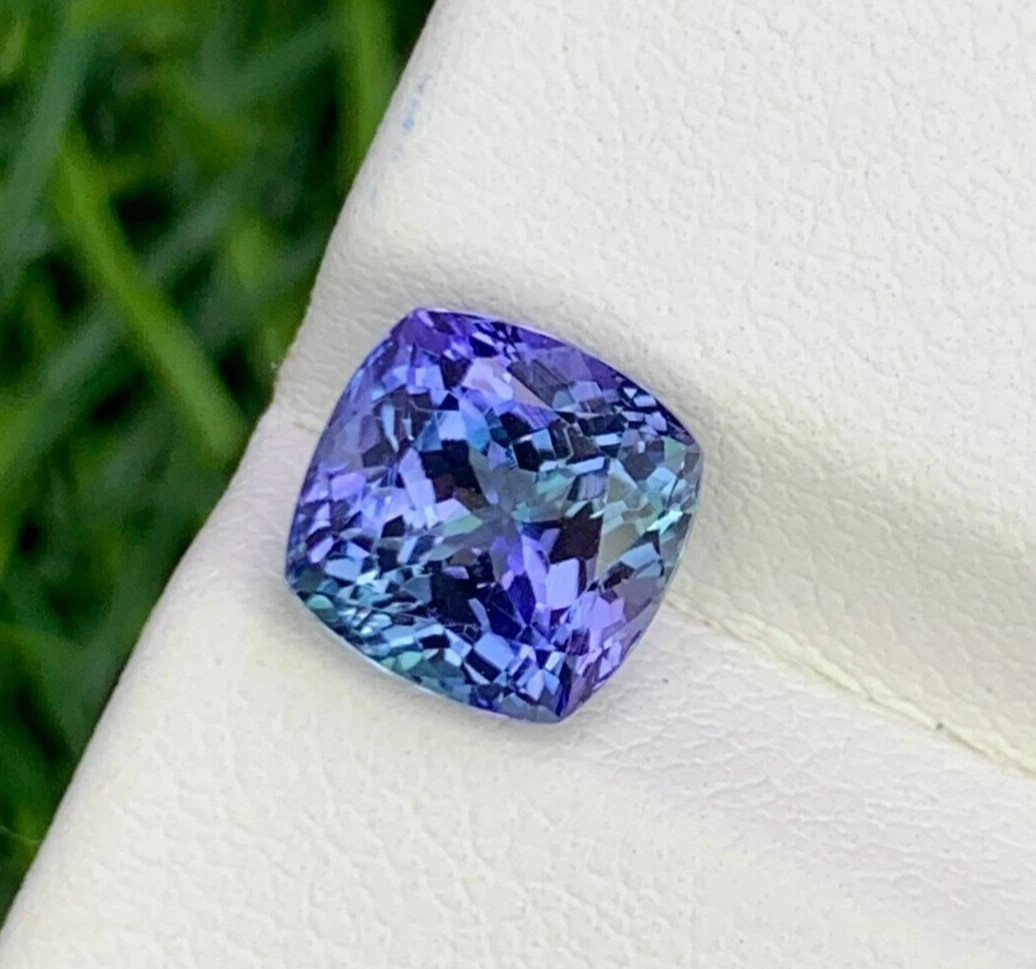

Photos from current listings. Actual item, color, and included accessories may vary.
Loose Tanzanite Gemstone Buying Guide
Loose tanzanite is a trichroic violet-blue zoisite gemstone found only in a small mining area near Mount Kilimanjaro, sold by carat weight, cut, clarity, and color saturation. The primary trade-off is color depth and clarity versus carat price: top-tier stones are eye-clean to VS with vivid violet-blue saturation, while budget stones are heavily included, pale, or heat-treated to mask brown modifiers. The decision rule is simple: buy certified natural tanzanite with explicit carat, dimensions in millimeters, and treatment disclosure, and reject any listing that gives carat weight without millimeter measurements or certification.
Median $23.13
Key takeaways
- Tanzanite ranks 6–7 on the Mohs scale with one-directional cleavage, so it is unsuitable for daily-wear rings without a protective bezel or halo setting.
- Color is the dominant value driver: top stones show vivid violet-blue with strong saturation; pale, grayish, or brownish stones fall into commercial-grade pricing tiers.
- Nearly all tanzanite on the market is heat-treated at 500–600°C to remove brown and enhance blue-violet; unheated stones command a premium and require lab confirmation.
At a glance
- Category
- Loose Gemstones & Pearls
- Last updated
- Nov 28, 2026
Current offers
Highlights
- Tanzanite ranks 6–7 on the Mohs scale with one-directional cleavage, so it is unsuitable for daily-wear rings without a protective bezel or halo setting.
- Color is the dominant value driver: top stones show vivid violet-blue with strong saturation; pale, grayish, or brownish stones fall into commercial-grade pricing tiers.
- Nearly all tanzanite on the market is heat-treated at 500–600°C to remove brown and enhance blue-violet; unheated stones command a premium and require lab confirmation.
- Certification from a recognized gem lab (GRS, AIGS, GIA, or IGI) confirms natural origin, treatment status, and carat weight, while uncertified listings rely solely on seller grading.
Best use cases
- Best fit: a certified, eye-clean oval or cushion of 2–5 ct with vivid violet-blue color for a pendant or statement ring—prioritize certification and millimeter dimensions over raw carat weight.
- Best fit: matched pairs or calibrated sizes (6x4 mm, 7x5 mm, 8x6 mm) for earrings and accent settings—buy calibrated cuts so stones seat in standard mountings without custom recutting.
- Wrong fit: rings for daily wear without protective setting—tanzanite's cleavage and 6–7 hardness make unprotected solitaires prone to chipping; choose a bezel or halo instead.
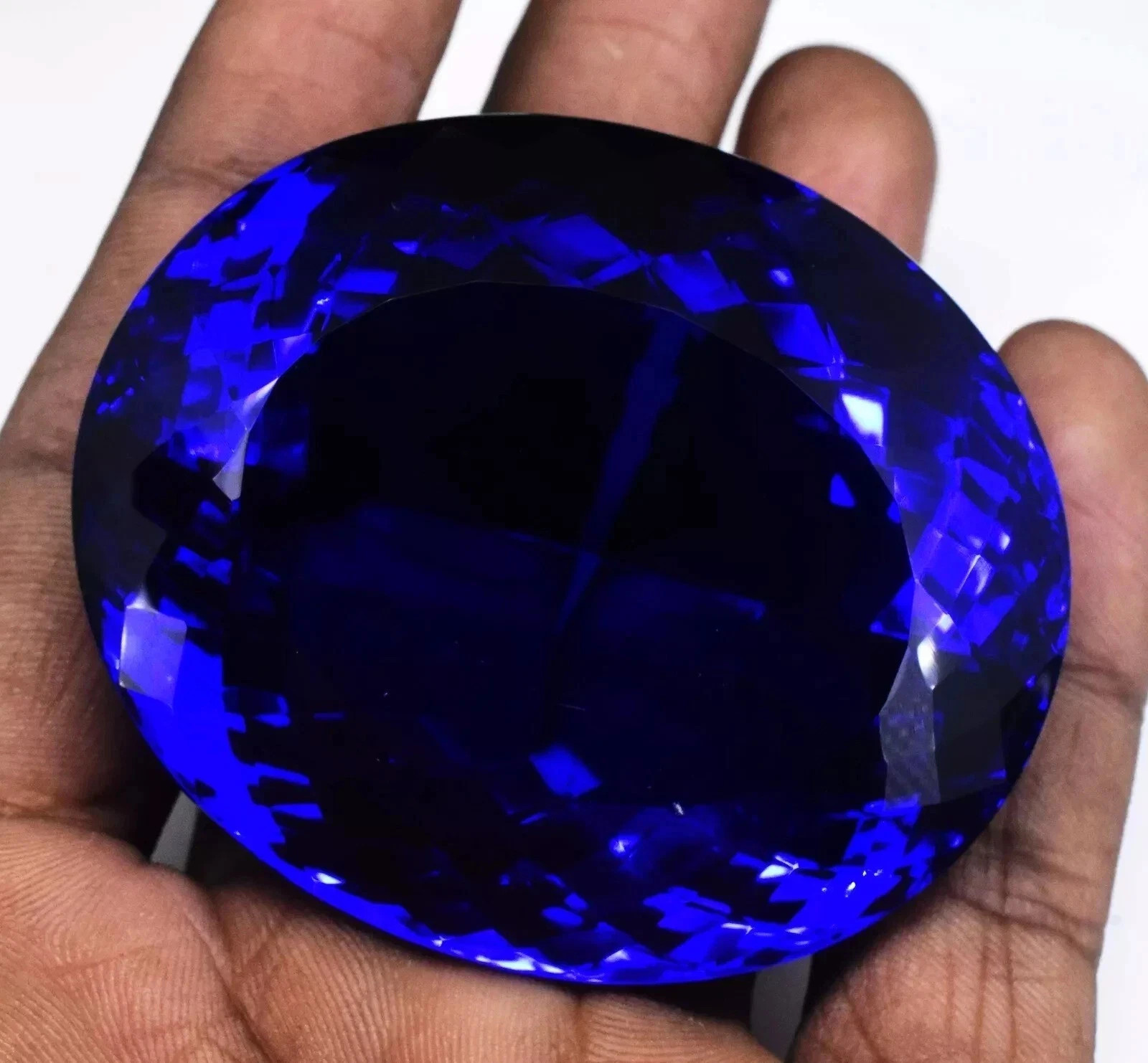
- Wrong fit: budget shoppers chasing large carat weights (10 ct+) at low prices—these are typically heavily included, pale, or windowed stones with poor light return.
Buying tips
- Demand millimeter dimensions alongside carat weight: a well-cut 8x6 mm oval weighs roughly 1.2–1.6 ct, so a '9–10 ct' stone must measure roughly 13–15 mm long—mismatched numbers signal a shallow or windowed cut.
- Insist on treatment disclosure: 'heated' is standard and expected; 'unheated' requires a lab report, and any listing that omits treatment status entirely is a red flag.
- Check clarity grade: VS or eye-clean stones are the practical target for jewelry; heavily included (I1–I3) stones at large carats are display specimens, not wearable gems.
- Verify certification body: GRS, AIGS, GIA, and IGI reports are independently verifiable; generic 'certified' claims without a lab name and report number carry little assurance.
Specs
| Mohs Hardness | 6–7 (cleavage-prone) |
|---|---|
| Treatment | Heated standard; unheated rare |
| Top Color | Vivid violet-blue, strong saturation |
| Certification | GRS, AIGS, GIA, IGI reports |
Related searches
What to check before buying
- Confirm the stone's millimeter dimensions against your setting's calibrated size (e.g., 8x6 mm oval) before purchase—carat weight alone does not guarantee fit.
- Verify the listing states treatment status (heated vs unheated) and includes a lab report number from a recognized gemological laboratory.
- Inspect photos for windowing (a see-through center) and extinction (dark dead zones), which indicate shallow or overly deep cuts that reduce brilliance.
- For rings, plan a protective bezel or halo setting and avoid ultrasonic cleaning—tanzanite is heat-sensitive and cleavage-prone, so stick to warm soapy water.
FAQ
Data sources: eBay / Amazon listings and product attribute feeds. Updated Nov 28, 2026.
Some links on this page are affiliate links. If you buy after clicking one, we may earn a commission at no extra cost to you. This does not change which products appear here or their order. Affiliate disclosure.