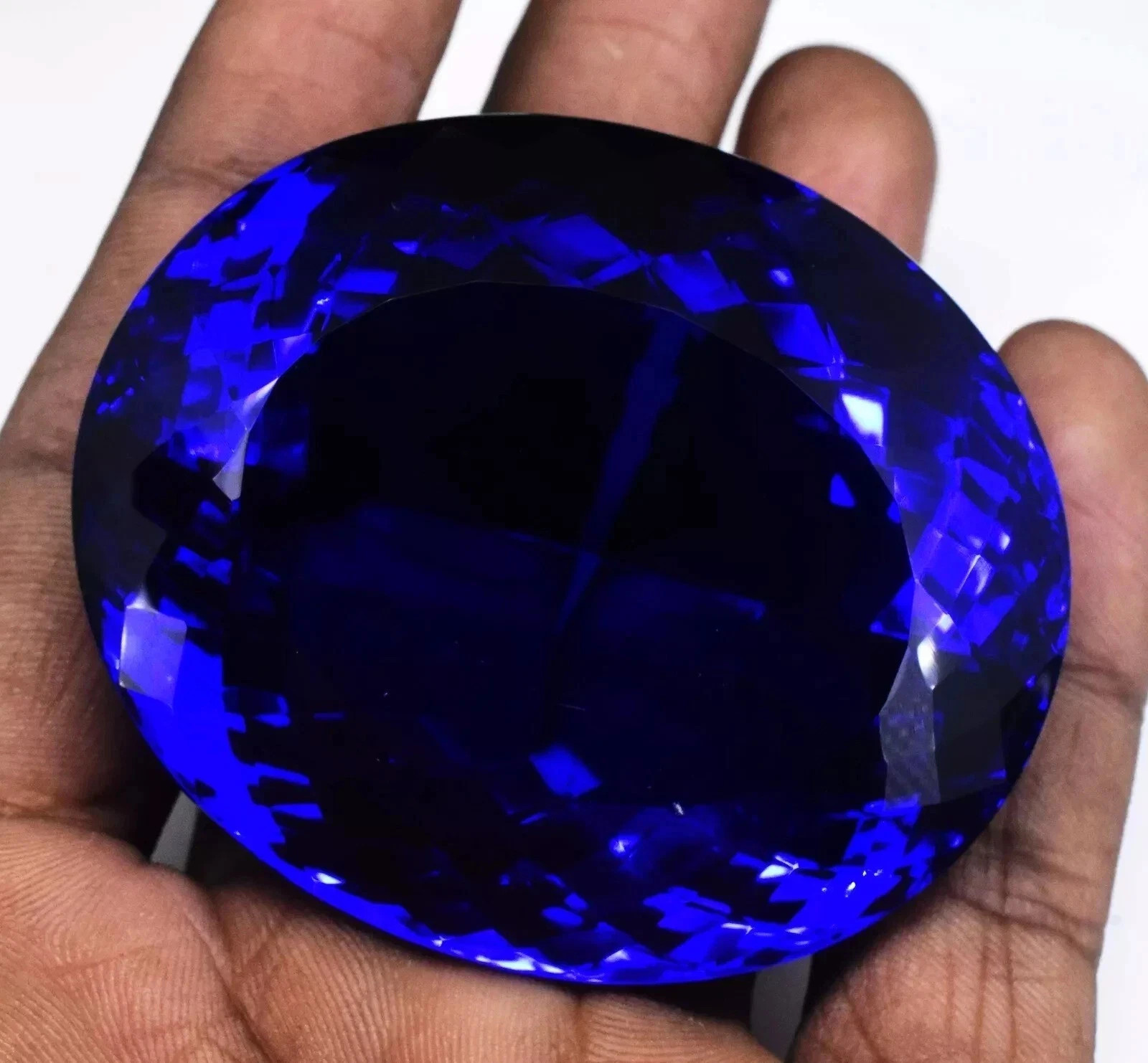

Photos from current listings. Actual item, color, and included accessories may vary.
Loose Tanzanite Stone Buying Guide
Loose tanzanite is a trichroic zoisite gemstone graded primarily by color saturation and clarity, with the top tier being vivid violet-blue stones above 5 carats that are eye-clean. The core trade-off is between deeply saturated, heavily included rough versus lighter, cleaner stones, and the decision rule is simple: prioritize a medium-to-dark violet-blue hue with VS clarity over carat weight or cut grade, because color drives tanzanite value more than size. Any stone with a visible window, excessive inclusions, or a washed-out lavender tone is a compromise tier regardless of carat count.
Key takeaways
- Color zoning in tanzanite is directional: stones cut along the crystal's violet-blue axis command premium prices, while those cut for yield show muddy purple-brown or greenish flashes.
- Top-color tanzanite is defined as vivid violet-blue with strong saturation and medium-dark tone; pale lavender or grayish stones fall into commercial-grade tiers.
- Clarity grading follows GIA-type standards: VVS/VS stones are eye-clean, SI shows inclusions visible under magnification, and I-grade stones have visible flaws that weaken durability.
At a glance
- Category
- Loose Gemstones & Pearls
- Last updated
- Nov 28, 2026
Current offers
Highlights
- Color zoning in tanzanite is directional: stones cut along the crystal's violet-blue axis command premium prices, while those cut for yield show muddy purple-brown or greenish flashes.
- Top-color tanzanite is defined as vivid violet-blue with strong saturation and medium-dark tone; pale lavender or grayish stones fall into commercial-grade tiers.
- Clarity grading follows GIA-type standards: VVS/VS stones are eye-clean, SI shows inclusions visible under magnification, and I-grade stones have visible flaws that weaken durability.
- Tanzanite ranks 6.5-7 on the Mohs scale with perfect cleavage in one direction, making it unsuitable for high-impact rings and requiring protective bezel settings.
Best use cases
- Best fit: a 2-5 carat VS-clarity oval or cushion cut in vivid violet-blue for a pendant or earrings—this size maximizes color visibility without inviting cleavage risk in exposed settings.
- Wrong fit: buying a 10+ carat tanzanite for a daily-wear engagement ring—large stones with perfect cleavage chip easily; choose a bezel-set 1-2 carat stone or switch to sapphire instead.
- Best fit: calibrated sizes like 6x4 mm or 7x5 mm ovals for standard jewelry settings; skip free-size fantasy cuts unless you are commissioning a custom mount.
- Wrong fit: pale lavender tanzanite marketed as investment grade—only saturated violet-blue stones above 5 carats with VS clarity hold long-term value.
Buying tips
- Demand a certificate from GIA, AGL, or IGI; tanzanite's trichroism means color shifts under different lighting, and a lab report confirms the hue and clarity grade you are paying for.
- Inspect for pleochroism: tilt the stone under daylight and incandescent light—top stones show violet-blue from the face-up direction and minimal brown or green flashes.
- Reject stones with visible windowing (a transparent center) or heavy extinction (dark dead zones); both indicate poor cut proportions that waste carat weight.
- For durability, choose bezel or halo settings over prong settings for stones above 3 carats, and avoid ultrasonic cleaning on any tanzanite with surface-reaching inclusions.
Specs
| Color Grade | Vivid violet-blue to pale lavender |
|---|---|
| Clarity Scale | VVS / VS eye-clean to I visible flaws |
| Mohs Hardness | 6.5-7 with perfect cleavage |
| Treatment | Heated standard; unheated rare |
Related searches
What to check before buying
- Measure your setting's calibrated size (e.g., 7x5 mm oval) before buying a loose stone—tanzanite is often cut in standard millimeter sizes, and off-size stones require custom mounting.
- Confirm the stone's treatment status: tanzanite is routinely heat-treated to enhance color, and untreated stones are rare and priced accordingly; the certificate must disclose heating.
- Check the return window and grading lab on the listing—loose gemstone purchases should include a multi-day inspection period and a recognized lab report, not a generic card.
- Verify lighting conditions for color assessment: tanzanite shifts from violet-blue in daylight to more purple under incandescent light, so evaluate the stone in both before committing.
FAQ
Data sources: eBay / Amazon listings and product attribute feeds. Updated Nov 28, 2026.
Some links on this page are affiliate links. If you buy after clicking one, we may earn a commission at no extra cost to you. This does not change which products appear here or their order. Affiliate disclosure.