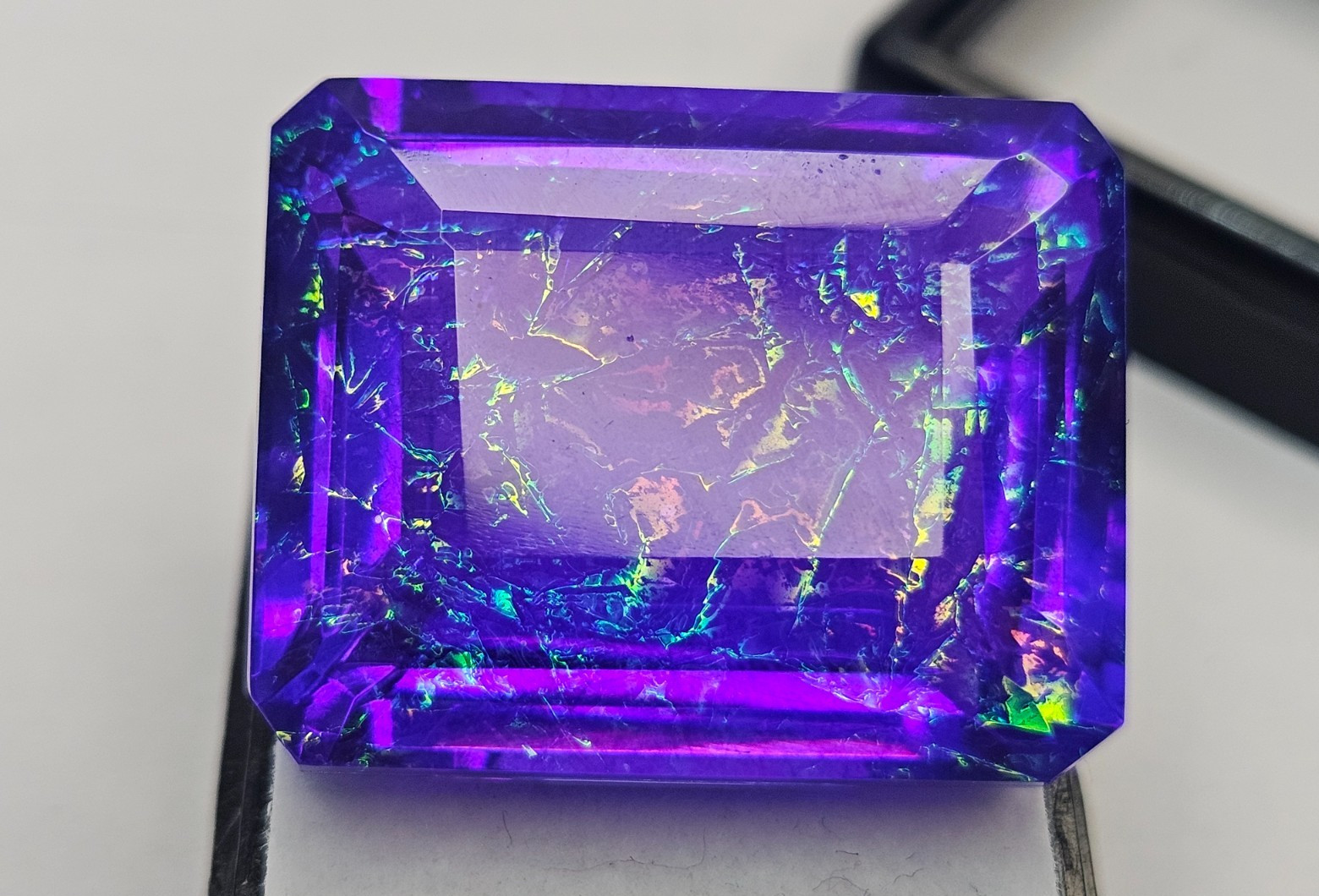

Photos from current listings. Actual item, color, and included accessories may vary.
Natural Fire Opal Buying Guide
Natural fire opal is a transparent-to-translucent opal prized for its warm body color and internal play-of-color, sourced mainly from Mexico (fire opal) and Ethiopia (contra luz/welo). The core trade-off is carat weight and vivid play-of-color versus stability: Mexican fire opal is harder and more stable, while Ethiopian opal is softer and can craze or absorb water. Buy stable, untreated stones with visible play-of-color for jewelry; skip rough or water-sensitive material unless you are a cutter or collector.
Key takeaways
- Mexican fire opal ranks 5.5–6.5 on the Mohs scale with a transparent orange-to-red body; Ethiopian fire opal is softer (5–6) and often hydrophane, meaning it can absorb water and temporarily lose play-of-color.
- Play-of-color quality is graded by intensity, pattern, and coverage: broad rolling flash across the face commands a premium over pinfire specks, and stones with no play-of-color are common opal, not gem-grade fire opal.
- Treatments matter: natural fire opal should be untreated; smoke treatment darkens the body for contrast, and fracture-filled or dyed material is a durability and value compromise.
At a glance
- Category
- Loose Gemstones & Pearls
- Last updated
- Nov 28, 2026
Current offers
Highlights
- Mexican fire opal ranks 5.5–6.5 on the Mohs scale with a transparent orange-to-red body; Ethiopian fire opal is softer (5–6) and often hydrophane, meaning it can absorb water and temporarily lose play-of-color.
- Play-of-color quality is graded by intensity, pattern, and coverage: broad rolling flash across the face commands a premium over pinfire specks, and stones with no play-of-color are common opal, not gem-grade fire opal.
- Treatments matter: natural fire opal should be untreated; smoke treatment darkens the body for contrast, and fracture-filled or dyed material is a durability and value compromise.
- Cut and carat efficiency drive price: cabochons preserve weight and color, faceted fire opal demands clean transparency (rare in play-of-color stones), and calibrated sizes (e.g., 8×6 mm, 10×8 mm) fit standard settings without custom work.
Best use cases
- Best fit: a stable Mexican fire opal cabochon in a bezel or protected setting for a ring you wear often — the harder body resists scratching and the closed setting shields the stone.
- Best fit: an Ethiopian contra-luz or welo opal pendant in a closed-back or open-back pendant setting for occasional wear — keep it away from water and store it dry.
- Wrong fit: buying large rough or heavily included fire opal for a daily-wear ring — rough is for cutters, and included stones are prone to cracking under impact.
- Wrong fit: setting a hydrophane Ethiopian opal in a water-exposed design (swimming, dishwashing) — absorption changes color and can cause crazing over time.
Buying tips
- Match body color to play-of-color: Mexican fire opal is judged on body color (orange-red) plus flash; Ethiopian is judged primarily on play-of-color against a lighter body.
- Use the size formula: calibrated ovals and rounds (8×6, 10×8, 12×10 mm) fit standard bezels and prongs; freeform or custom cuts require a custom setting and add cost.
- Demand disclosure of treatment: untreated natural fire opal is the durable choice; smoke-treated or fracture-filled stones are cheaper but can fade or crack.
- Check for crazing and cracks under daylight and a loupe — surface-reaching fractures in opal propagate with temperature and humidity changes, especially in Ethiopian material.
Specs
| Origin | Mexican vs Ethiopian |
|---|---|
| Mohs Hardness | 5.5–6.5 (Mexican) / 5–6 (Ethiopian) |
| Treatment | Untreated / Smoke / Fracture-filled |
| Cut Type | Cabochon vs Faceted |
Related searches
What to check before buying
- Measure your setting or desired finished jewelry size in millimeters and confirm the stone's length × width × depth fits the bezel or prong seat.
- Confirm the opal's origin and stability: Mexican fire opal for daily rings, Ethiopian only for protected pendants and earrings kept away from water.
- Verify treatment disclosure (untreated, smoke-treated, fracture-filled) before purchase; untreated stones are the only safe long-term choice for fine jewelry.
- For Ethiopian opal, plan dry storage and avoid ultrasonic or steam cleaning; use a soft dry cloth and mild soap only when necessary.
FAQ
Data sources: eBay / Amazon listings and product attribute feeds. Updated Nov 28, 2026.
Some links on this page are affiliate links. If you buy after clicking one, we may earn a commission at no extra cost to you. This does not change which products appear here or their order. Affiliate disclosure.