
Photos from current listings. Actual item, color, and included accessories may vary.
Pearl World Buying Guide
Loose pearls span four farmed species—Akoya, freshwater, South Sea, and Tahitian—with value driven by nacre thickness, luster, roundness, and size rather than brand. The core trade-off is saltwater nacre quality and rarity against freshwater affordability and shape variety. Buy saltwater pearls only with a stated nacre grade and species; treat ungraded 'AAA' or carat-weight listings as decorative rather than investment grade.
Median $87.30
Key takeaways
- Saltwater species (Akoya, South Sea, Tahitian) grow 0.2–0.6 mm nacre per year; thin-nacre pearls chalk and peel, so demand stated nacre thickness or multi-year farm age.
- South Sea pearls run 9–20 mm and Tahitian 8–18 mm, while Akoya stay 6–10 mm and freshwater 4–12 mm; size premiums scale steeply above 12 mm in saltwater.
- Luster is graded by reflection sharpness—excellent luster shows crisp mirror reflections; AAA freshwater can match AA saltwater luster but not saltwater nacre density.
At a glance
- Category
- Loose Gemstones & Pearls
- Last updated
- Nov 28, 2026
Current offers
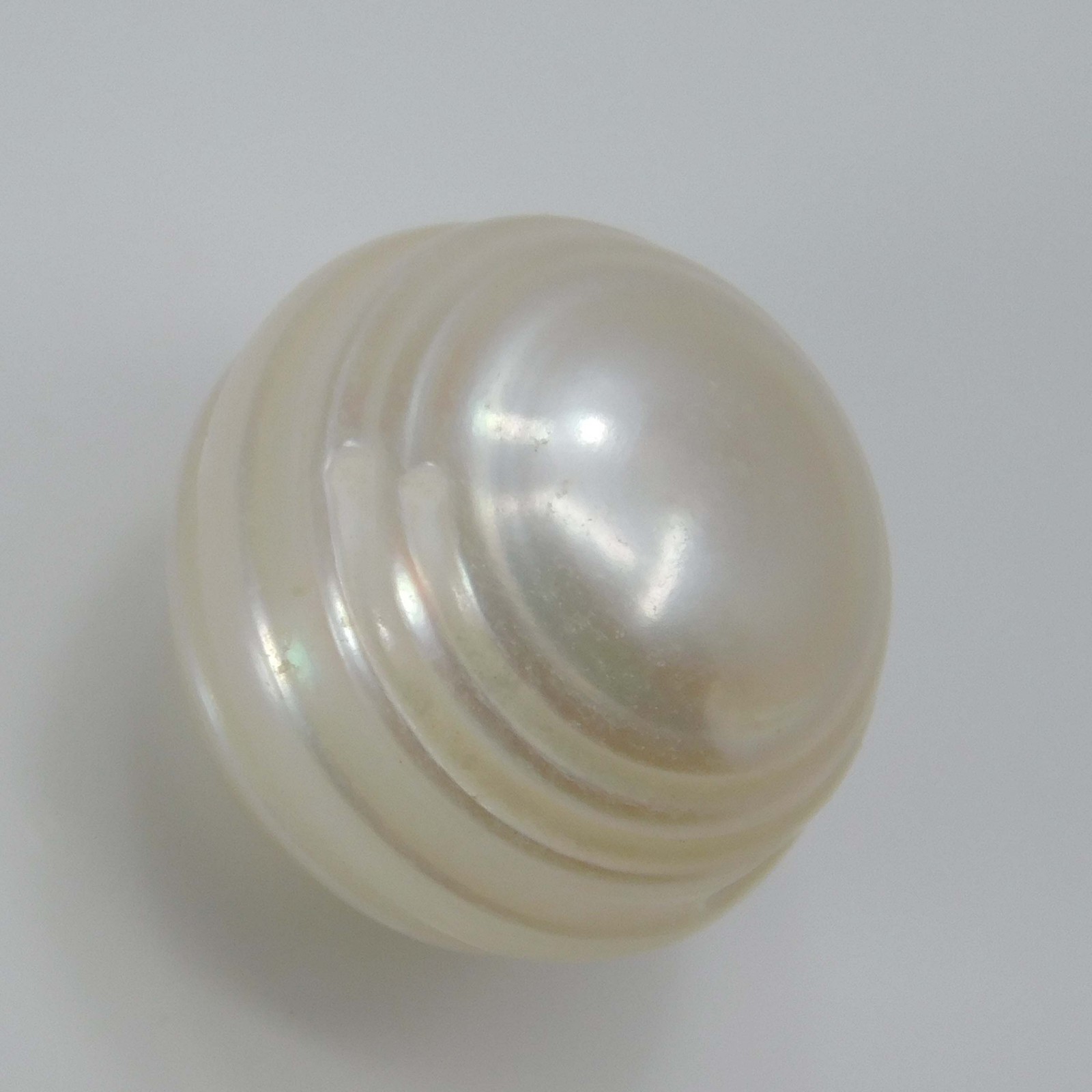 11 MM White Mabe South Sea Pearl 9.45 Ct CERTIFIED Pacific Sea Loose Pearl$20.49View on eBay
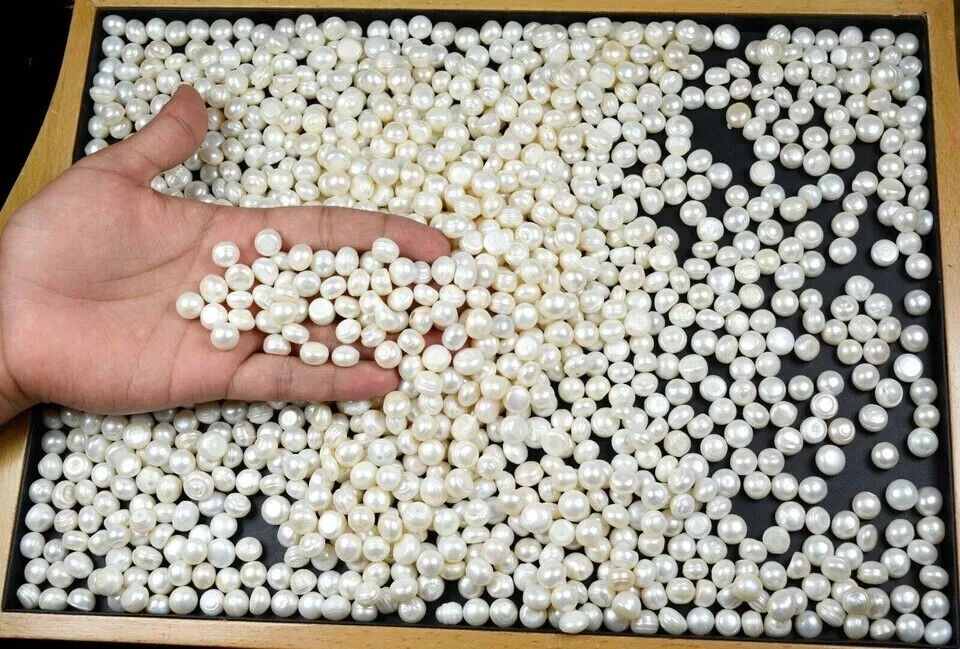 1000 Ct./ Australian White Pearl Loose Gemstone Lot Natural Round Cut Certified$87.30View on eBay
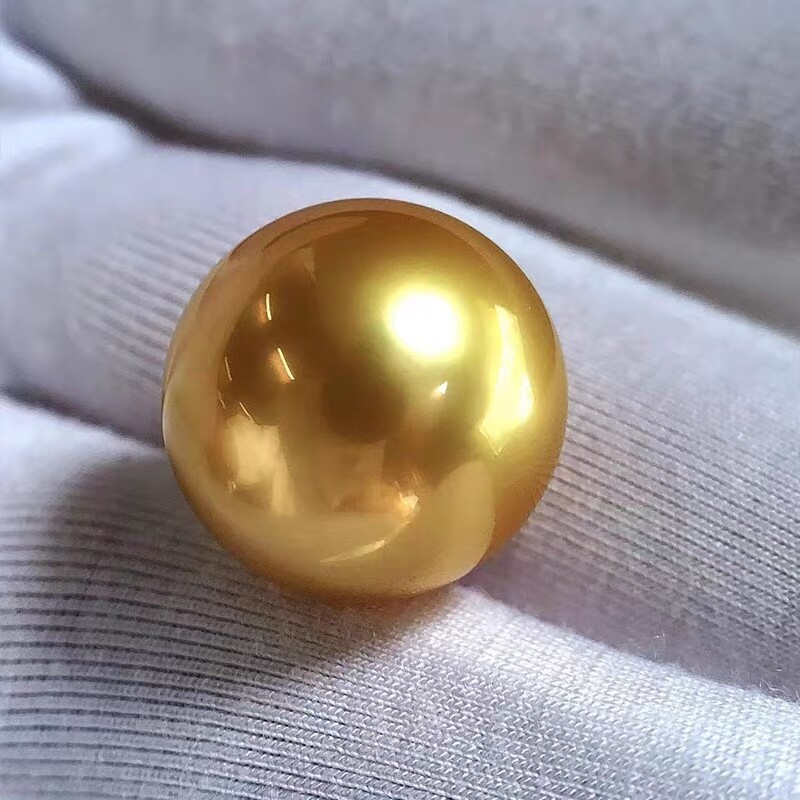 Huge 14-15mm South Sea Genuine Gold Round Loose Pearl Undrilled 0118$352.16Last checked Nov 17, 2026View on eBay
Highlights
- Saltwater species (Akoya, South Sea, Tahitian) grow 0.2–0.6 mm nacre per year; thin-nacre pearls chalk and peel, so demand stated nacre thickness or multi-year farm age.
- South Sea pearls run 9–20 mm and Tahitian 8–18 mm, while Akoya stay 6–10 mm and freshwater 4–12 mm; size premiums scale steeply above 12 mm in saltwater.
- Luster is graded by reflection sharpness—excellent luster shows crisp mirror reflections; AAA freshwater can match AA saltwater luster but not saltwater nacre density.
- Drilled pearls need clean, chip-free holes at 0.8–1.0 mm for most findings; undrilled pearls suit pendants and custom settings but cannot be strung.
Best use cases
- For a classic strand or studs, buy calibrated round Akoya 6–9 mm in matching luster and overtone; skip baroque freshwater if uniform appearance matters.
- For a statement pendant or ring, choose a single undrilled South Sea or Tahitian 11–15 mm with thick nacre and blemish confined to the drill point; skip 13 mm+ pearls with surface pits on the face-up side.
- For budget jewelry parties or craft lots, buy freshwater 6–10 mm in near-round or potato shapes with graded luster; skip saltwater pearls sold in multi-carat lots, which are rarely matched or certified.
- For warm skin tones and yellow-gold settings, pick golden South Sea or cream Akoya; for cool tones, choose white-silver Akoya or Tahitian with green-peacock overtones.
Buying tips
- Match pearl size to wearer: 6–7 mm Akoya suits petite studs, 8–9 mm reads classic, 10 mm+ becomes a statement—scale up 1 mm for pendants versus studs.
- For strands, insist on half-mm size grading and matched overtone across the run; mismatched luster is more visible than 0.5 mm size drift.
- Buy certified saltwater pearls (GIA, SSEF, or equivalent) for pieces above 10 mm or any Tahitian/South Sea purchase where species authentication affects resale.
- Reject listings that grade only 'AAA' without species, nacre, and luster descriptors—freshwater AAA and saltwater AAA are different scales and not comparable.
Specs
| Pearl Species | Akoya / Freshwater / South Sea / Tahitian |
|---|---|
| Size Range | Freshwater 4–12 mm; South Sea 9–20 mm |
| Nacre / Luster Grade | Thick-nacre saltwater vs graded freshwater luster |
| Drill State | Undrilled / Half-drilled / Full-drilled |
Related searches
What to check before buying
- Measure the intended setting: studs need 0.8–0.9 mm half-drilled holes, pendants accept 0.6–1.0 mm full drill, and rings need undrilled or cup-set pearls.
- Confirm pearl diameter tolerance: calibrated strands should be within 0.5 mm per pearl and matched across the strand; singles within 0.2 mm of stated size.
- Check metal color and clasp standard against the pearl overtone—yellow gold with cream/golden pearls, white gold or platinum with white-silver Akoya.
- For saltwater singles, request the farm origin and harvest year; Akoya from Japan, South Sea from Australia/Indonesia, and Tahitian from French Polynesia carry distinct nacre traits.
FAQ
Data sources: eBay / Amazon listings and product attribute feeds. Updated Nov 28, 2026.
Some links on this page are affiliate links. If you buy after clicking one, we may earn a commission at no extra cost to you. This does not change which products appear here or their order. Affiliate disclosure.