
Photos from current listings. Actual item, color, and included accessories may vary.
Sapphire Loose Stone Buying Guide
Loose sapphire stones are faceted or rough corundum gems sold unmounted for custom jewelry, investment, or collection. The primary trade-off is between natural vs. lab-created origin and treated vs. untreated clarity, which dictate durability, value, and certification needs. The clear decision rule: buy certified natural sapphire (GIA/GRS/AGL) for heirloom or high-value pieces, and choose lab-created or explicitly treated stones only for budget fashion jewelry where provenance is secondary.
Median $19.47
Key takeaways
- Natural sapphire is corundum (Mohs 9); only diamond is harder, making it ideal for daily-wear rings, while lab-created sapphire shares identical hardness at a fraction of the cost.
- Heat treatment (at ~1600°C) is standard and stable for blue sapphire; unheated stones command premiums and must carry a reputable lab report stating no heat.
- Common clarity enhancements include fracture filling (lead glass) and diffusion; these are less durable and should be disclosed—avoid for rings, accept only for pendants/earrings.
At a glance
- Category
- Loose Gemstones & Pearls
- Last updated
- Nov 28, 2026
Current offers
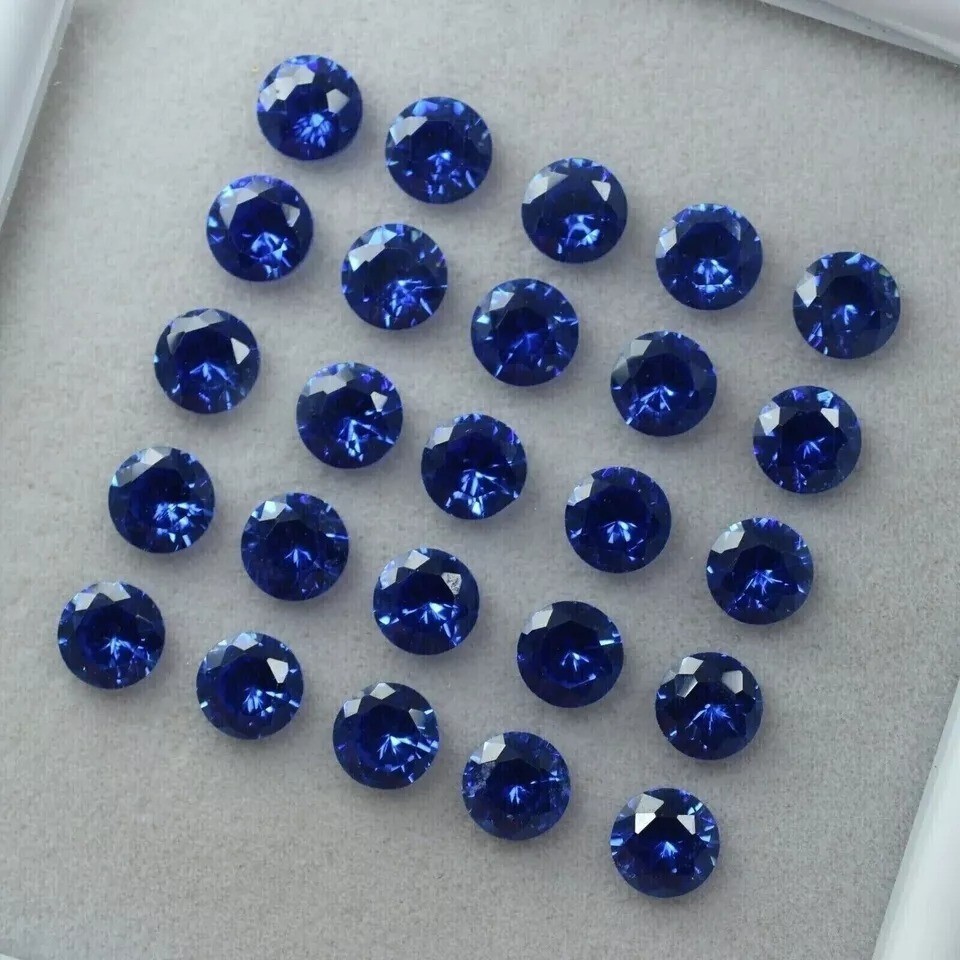 Beautiful Natural Blue Sapphire Lot Round 10 Pcs Certified 6 mm Loose Gemstone$15.58View on eBay
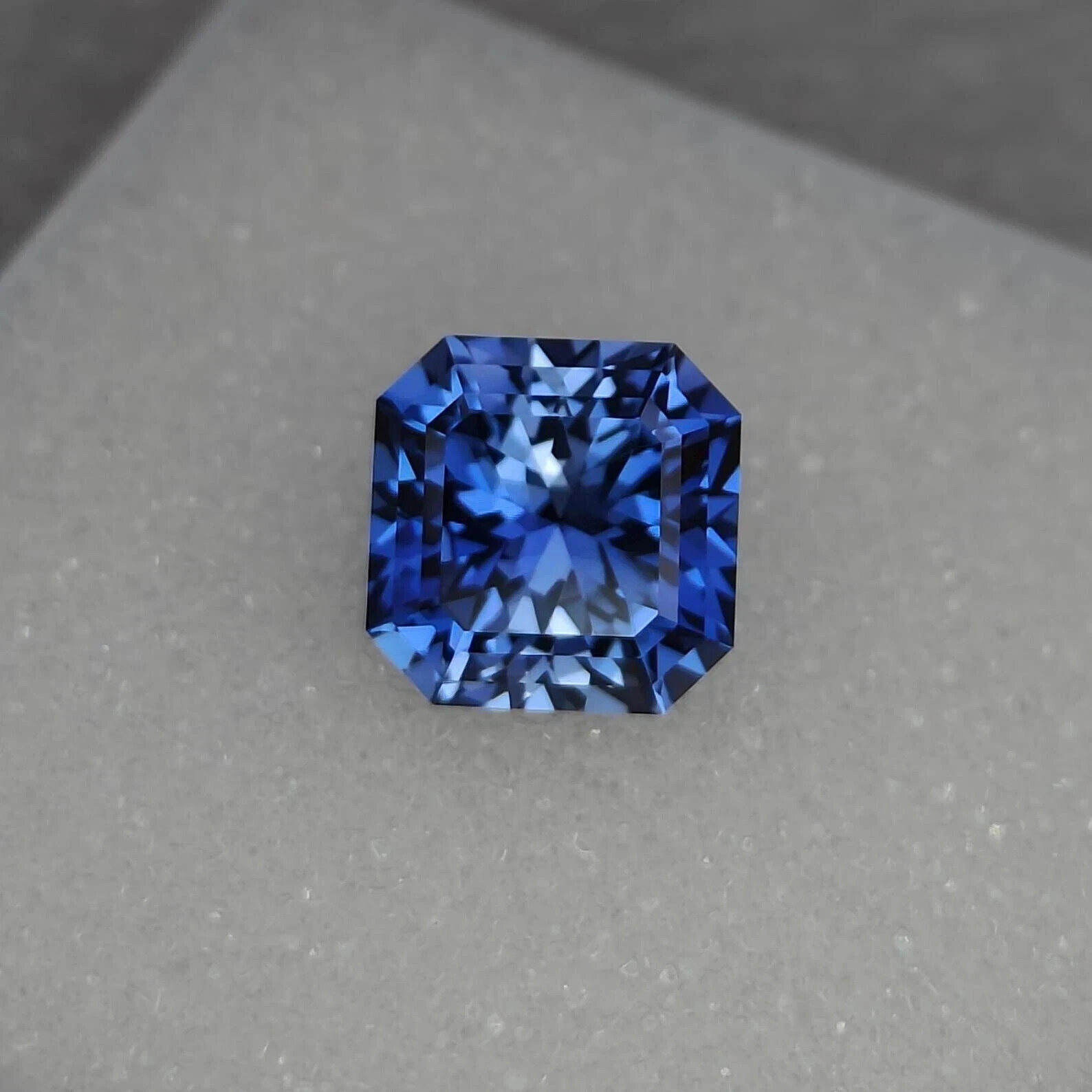 Natural Kashmiri Blue Sapphire Asscher Cut AAA+ 9-11Ct Certified Loose Gemstone$18.80Last checked Nov 28, 2026View on eBay
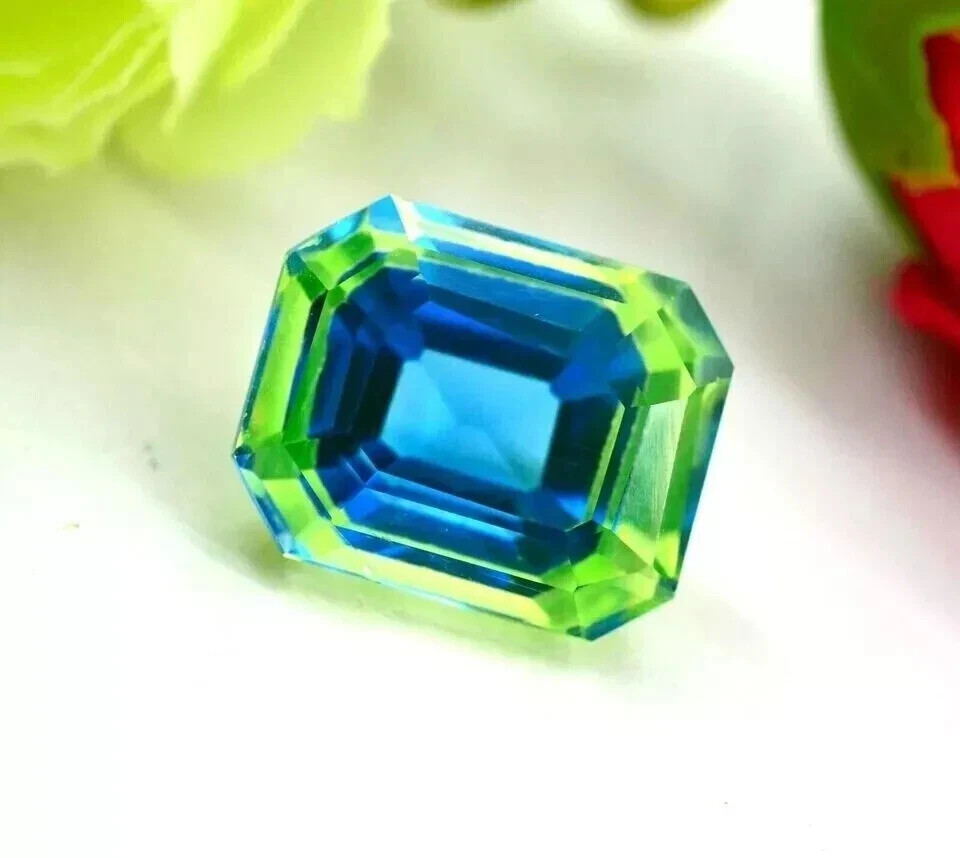 Natural Bi-Color Pitambari Sapphire Emerald 10-12CT Loose Certified Gemstone$19.34Last checked Nov 28, 2026View on eBay
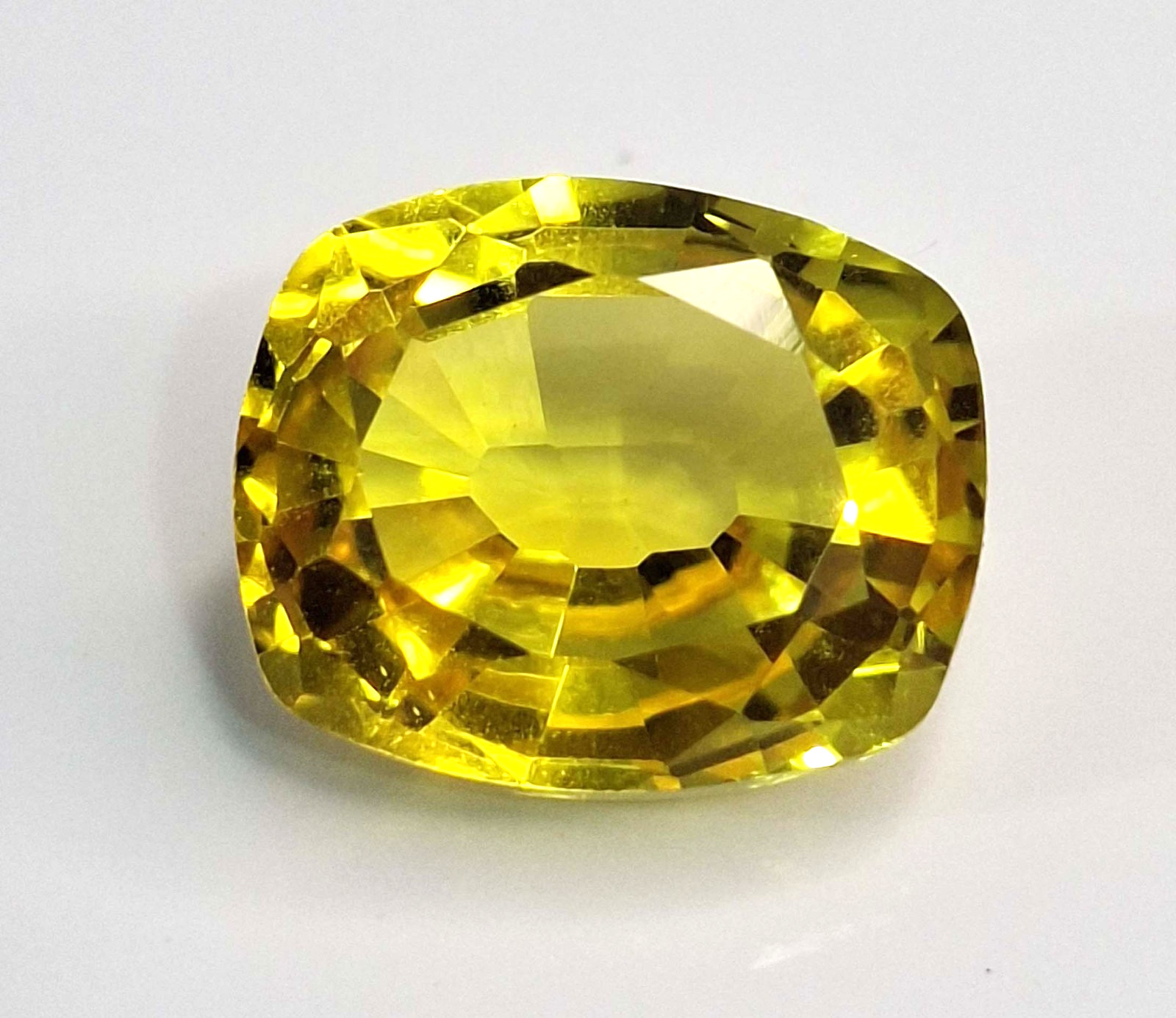 Gemstone Cushion Cut Natural Yellow Sapphire Certified 5-7 Carat Loose TQ898$19.47Last checked Nov 28, 2026View on eBay
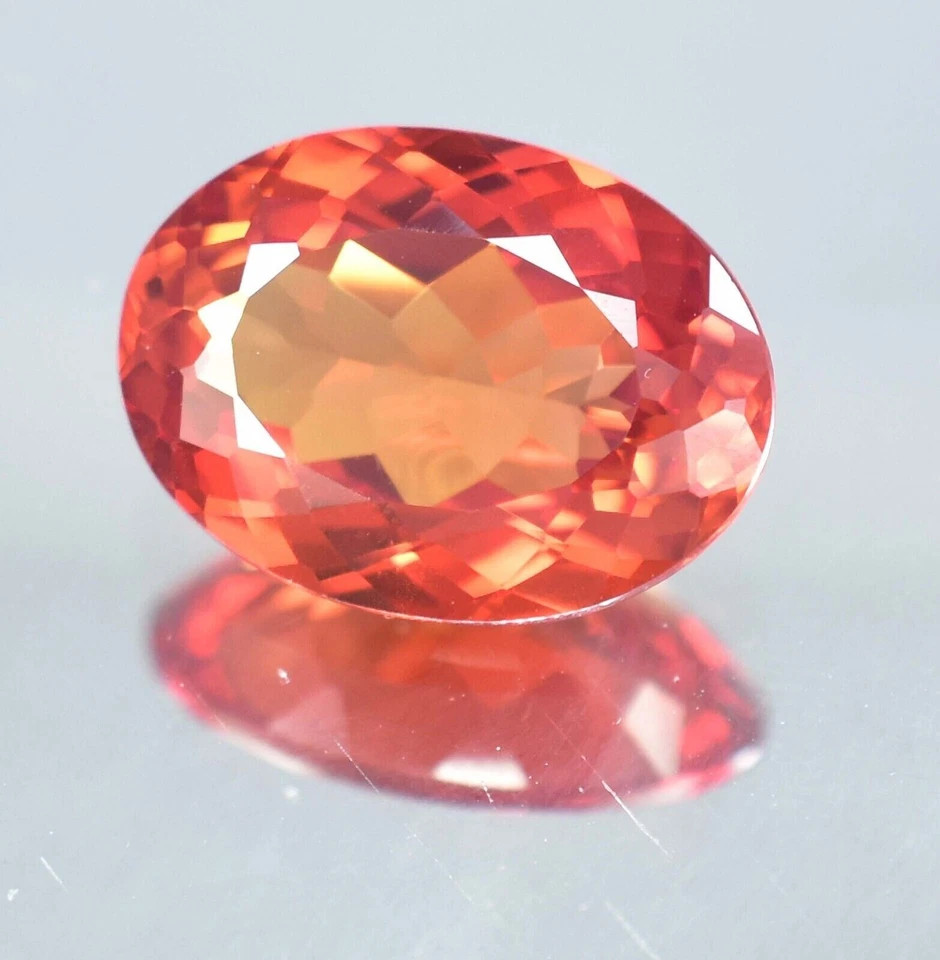 NATURAL Padparadscha Sapphire 13 Ct CERTIFIED Oval Cut Loose Gemstone Ring Size$22.49View on eBay
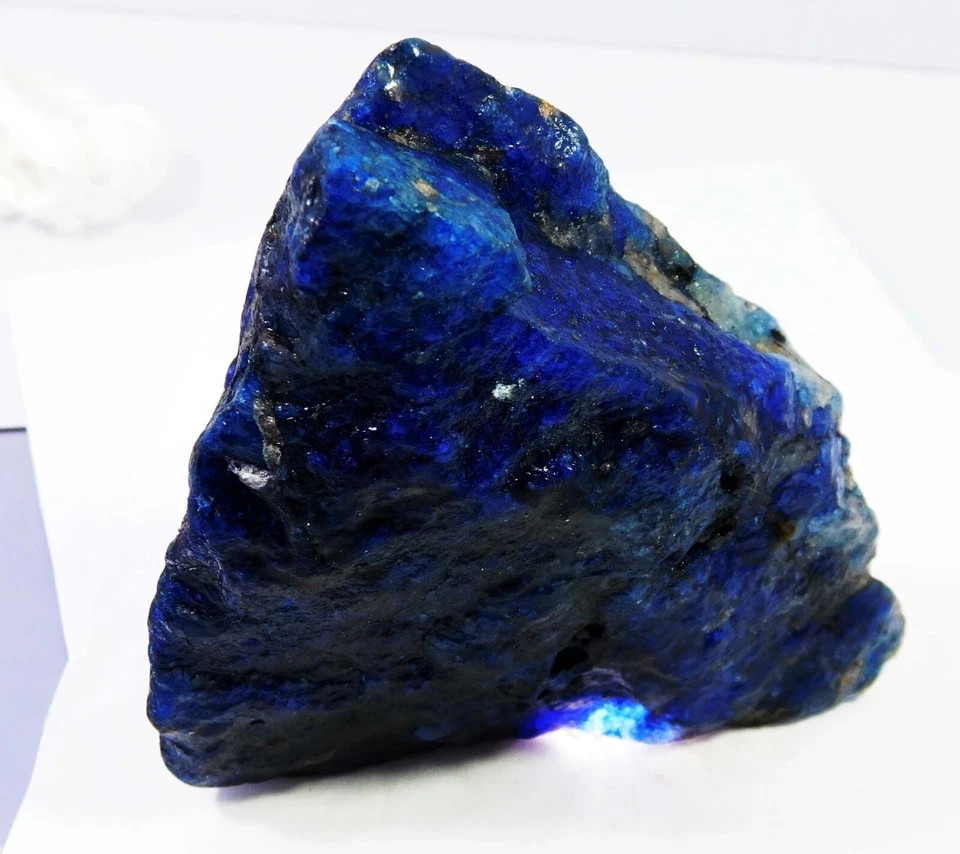 1720 CT Natural Blue Sapphire Certified Rough Uncut Stone Huge Loose Gemstone$24.99View on eBay
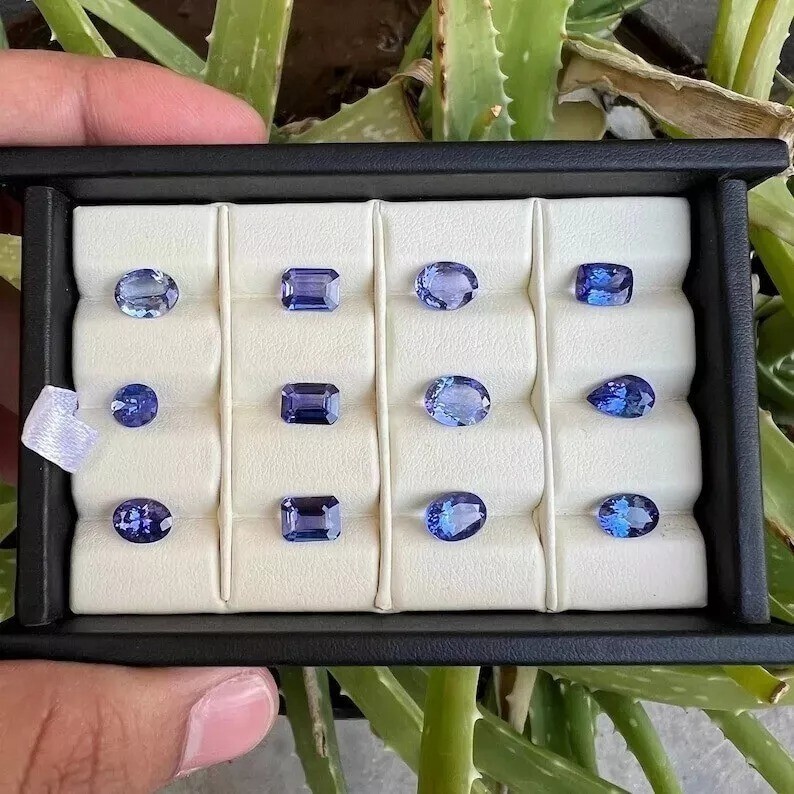 Superb Natural Sapphire Blue Mix Cut CERTIFIED 120 Ct 12 Pcs Loose Gemstone Lot$146.60Last checked Nov 28, 2026View on eBay
Highlights
- Natural sapphire is corundum (Mohs 9); only diamond is harder, making it ideal for daily-wear rings, while lab-created sapphire shares identical hardness at a fraction of the cost.
- Heat treatment (at ~1600°C) is standard and stable for blue sapphire; unheated stones command premiums and must carry a reputable lab report stating no heat.
- Common clarity enhancements include fracture filling (lead glass) and diffusion; these are less durable and should be disclosed—avoid for rings, accept only for pendants/earrings.
- Certification tiers: GIA and AGL are top-tier for origin and treatment; GRS and SSEF are strong for colored stones; in-house or generic 'certified' cards carry little independent weight.
Best use cases
- Best fit: natural, heat-only blue sapphire with GIA/AGL report for an engagement ring—prioritize saturated velvety blue (cornflower/royal) and eye-clean clarity over carat size.
- Best fit: lab-created sapphire for a travel or fashion ring—identical hardness and color, budget goes to setting and design rather than origin premiums.
- Wrong fit: glass-filled or diffusion-treated sapphire for a daily-wear ring—these are prone to scratching, chipping, and color fading; reserve for occasional-wear pendants or earrings.
- Wrong fit: uncertified 'natural' sapphire over 2 ct from unknown sellers—without a reputable lab report, assume treatment or synthetic and price accordingly.
Buying tips
- Sapphire color grading is subjective: insist on daylight photos/video, not studio-lit images; blue sapphire should not show strong grey or green modifiers at the price tier you're targeting.
- For rings, choose eye-clean stones (VS or better) at 1 ct+; for pendants and earrings, SI clarity is acceptable because inclusions are less visible in motion and at distance.
- Carat-to-size math: a 1 ct round sapphire is ~6.5 mm diameter; 2 ct ~8 mm; 3 ct ~9 mm—sapphire is denser than diamond, so comparable carat weights look smaller than diamond equivalents.
- Origin premiums vary: Kashmir is top-tier (rare, velvety), Burma and Sri Lanka (Ceylon) command strong premiums, Madagascar and Montana are value alternatives with distinct color profiles.
Specs
| Origin | Natural vs. Lab-Created |
|---|---|
| Treatment | Unheated / Heat-only / Filled |
| Hardness | Mohs 9 (Corundum) |
| Certification | GIA / AGL / GRS vs. In-house |
Related searches
What to check before buying
- Confirm the setting's metal and prong style can securely hold your stone's shape and carat weight—emerald cuts and large ovals need protective bezels or corner prongs.
- Verify the lab report number directly on the lab's website (GIA, AGL, GRS) to confirm it matches the stone's weight, dimensions, and treatment disclosure.
- For natural sapphire, ask for the origin opinion and treatment code (e.g., 'No indications of heating' vs. 'H')—this determines value and care requirements.
- Match stone dimensions to standard jewelry findings: round 6.5 mm fits most 1 ct settings; unusual shapes (pear, marquise) require custom settings, adding lead time and cost.
FAQ
Data sources: eBay / Amazon listings and product attribute feeds. Updated Nov 28, 2026.
Some links on this page are affiliate links. If you buy after clicking one, we may earn a commission at no extra cost to you. This does not change which products appear here or their order. Affiliate disclosure.