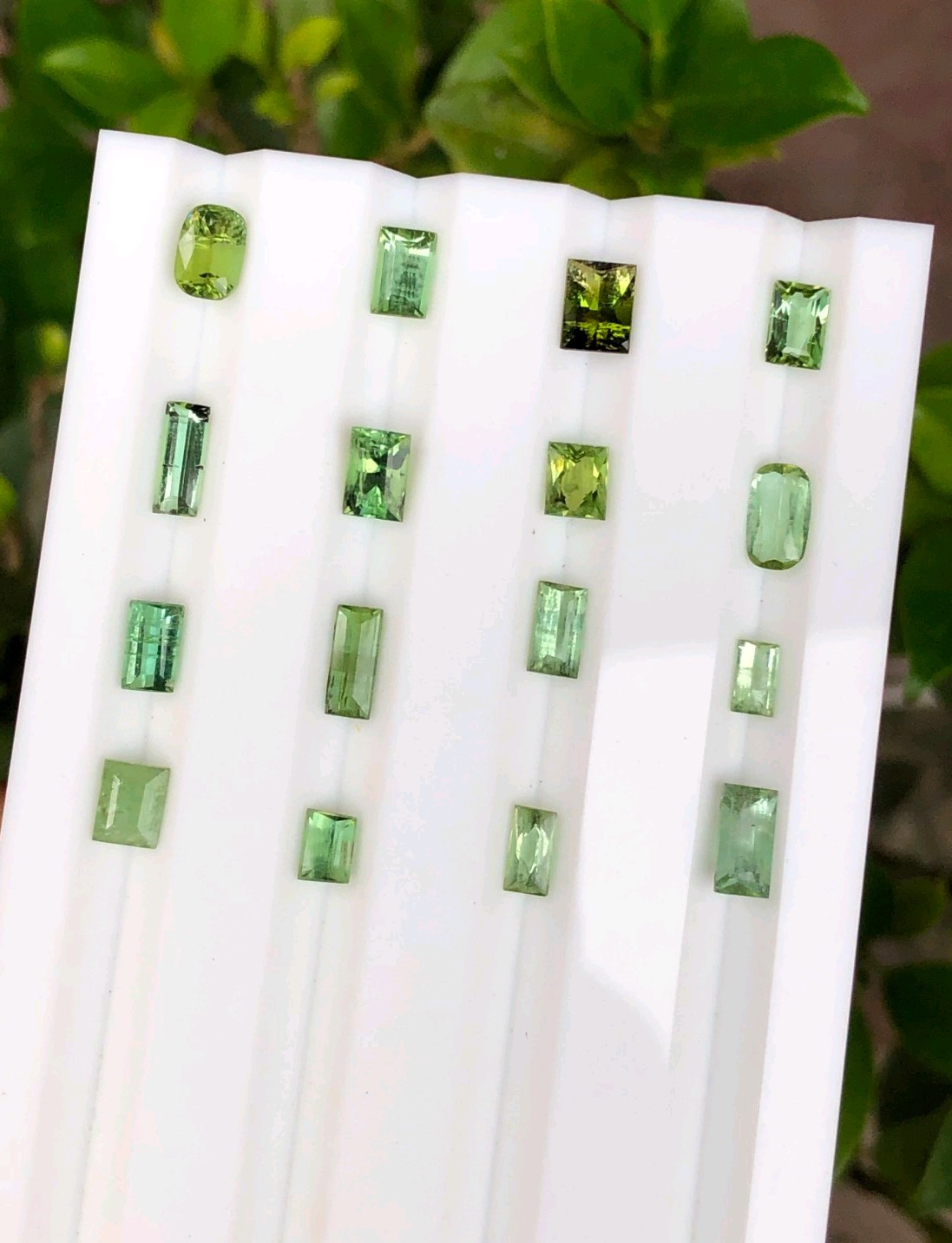

Photos from current listings. Actual item, color, and included accessories may vary.
Tourmaline Loose Stone Buying Guide
Loose tourmaline stones are colored gemstones sold by carat, cut, and clarity for custom jewelry setting. The core trade-off is between vivid, eye-clean saturated color and the inevitable natural inclusions that keep prices accessible. The decision rule: buy certified natural tourmaline with honest disclosure of treatments and precise millimeter dimensions, and reject opaque, heavily fractured, or vaguely described parcels.
Key takeaways
- Tourmaline rates 7-7.5 on the Mohs scale, durable enough for rings but softer than sapphire or diamond, so avoid unprotected ring settings.
- Color saturation drives value more than size: vivid rubellite, indicolite, and chrome tourmaline command premiums over pale or grayish tones.
- Natural tourmaline is routinely fracture-filled or irradiated; certified untreated stones with eye-clean clarity are the durable, investment-grade tier.
At a glance
- Category
- Loose Gemstones & Pearls
- Last updated
- Nov 28, 2026
Current offers
Highlights
- Tourmaline rates 7-7.5 on the Mohs scale, durable enough for rings but softer than sapphire or diamond, so avoid unprotected ring settings.
- Color saturation drives value more than size: vivid rubellite, indicolite, and chrome tourmaline command premiums over pale or grayish tones.
- Natural tourmaline is routinely fracture-filled or irradiated; certified untreated stones with eye-clean clarity are the durable, investment-grade tier.
- Mixed-cut parcels often blend sizes and shades; calibrated single stones in standard millimeter sizes are required for predictable jewelry setting.
Best use cases
- Best fit: calibrated single tourmaline in a stated millimeter size for a custom ring or pendant; skip mixed parcels when you need matched pairs or precise settings.
- Best fit: eye-clean stones above 7 Mohs for everyday rings in protected bezel settings; choose earrings or pendants for included or softer-toned stones.
- Best fit: vivid rubellite or indicolite for a statement center stone; skip pale, heavily included material if you want visible saturated color.
- Wrong fit: buying a faceted parcel for investment; choose certified untreated single stones with documented origin and clarity instead.
Buying tips
- Match carat to millimeter size: a 7 mm round tourmaline is roughly 1.5-2 ct depending on depth, so buy by measured dimensions for setting fit.
- Demand disclosure of treatment: fracture-filled or irradiated tourmaline is common and less durable; untreated certified stones are the stable tier.
- Select clarity by use: eye-clean faces for rings, slight inclusions acceptable for pendants and earrings where light passes through.
- Verify color under daylight, not studio light; tourmaline shifts tone between incandescent and daylight, so compare multiple light conditions.
Specs
| Mohs Hardness | 7-7.5 (durable for rings) |
|---|---|
| Treatment Status | Untreated certified vs filled/irradiated |
| Cut & Calibration | Calibrated mm vs mixed parcel |
| Color Varieties | Rubellite, indicolite, chrome, watermelon |
Related searches
What to check before buying
- Confirm the stone's exact millimeter dimensions and depth against your setting's seat or bezel; carat weight alone does not guarantee fit.
- Check the cutting quality: symmetrical facets and a centered table maximize brilliance and signal a skilled lapidary.
- Ask for the treatment and origin disclosure in writing; untreated natural tourmaline should come with a reputable lab report.
- Inspect for surface-reaching fractures before setting; tourmaline is brittle and existing cracks can propagate during jewelry repair.
FAQ
Data sources: eBay / Amazon listings and product attribute feeds. Updated Nov 28, 2026.
Some links on this page are affiliate links. If you buy after clicking one, we may earn a commission at no extra cost to you. This does not change which products appear here or their order. Affiliate disclosure.