When you're shopping for loose gemstones and pearls, the first decision is usually form: do you want a rough specimen or a faceted stone that's ready to set? These two certified natural stones frame that choice with very different personalities. One keeps nature's original form; the other is faceted and finished. The right answer depends on where the gem will end up.
Quick verdict If you want a natural blue stone with raw presence and the lower price, pick the Natural Blue Sapphire Rough. If you'd rather have a faceted round stone that shifts color and is ready for jewelry work, choose the Alexandrite Color Change Round Cut. Both are natural stones, so the decision is really about form and effect.
At a glance The two loose stones differ mainly in form, color behavior, and origin.
| Natural Blue Sapphire Rough | Alexandrite Color Change Round Cut | |
|---|---|---|
| Price | USD 24.99 | USD 38.99 |
| Price bar | ||
| Stone form | Rough uncut | Round cut |
| Color | Blue | Color changing |
| Effects | Asterism | Asterism and color change |
| Origin | India | Brazil |
| Certification | GIR | Certified |
Where each product wins
- For raw-stone appeal, the Natural Blue Sapphire Rough has the edge. It's a natural blue stone from India.
- For a faceted, ready-to-use stone with optical drama, the Alexandrite Color Change Round Cut is the stronger pick. It's a Brazilian cut stone already finished for jewelry.
Product notes
1720 CT Natural Blue Sapphire Certified Rough Uncut Stone Huge Loose Gemstone
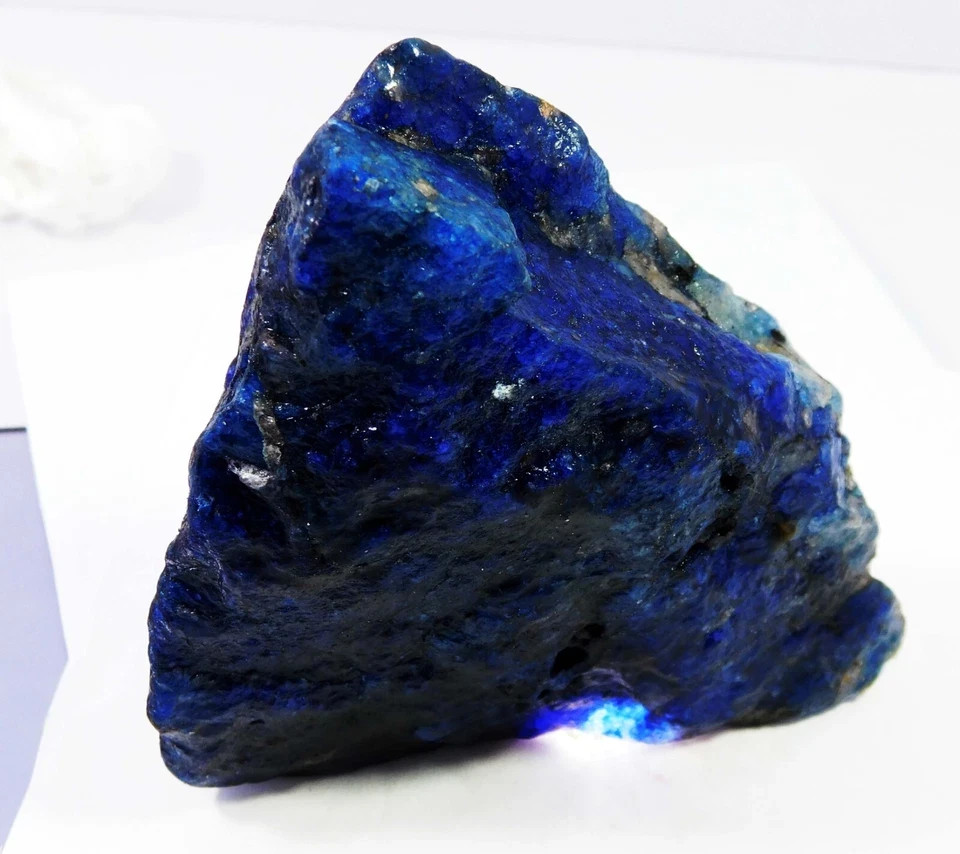
The clearest reason to choose this sapphire is its massive carat weight. It gives you far more material to work with than the alexandrite. The GIR certification and eye-clean clarity make it an interesting piece for a specimen collection or a display shelf, even without faceting. If you value natural, unaltered form, this is the more dramatic option. The limitation is the same character that gives it presence: it is not a cut stone, so it won't offer the symmetrical profile of the alexandrite. It simply doesn't have the finished shape of a cut gem.
Certified 9.12 Ct Natural AAA Alexandrite Color Change Round Cut Loose Gemstone
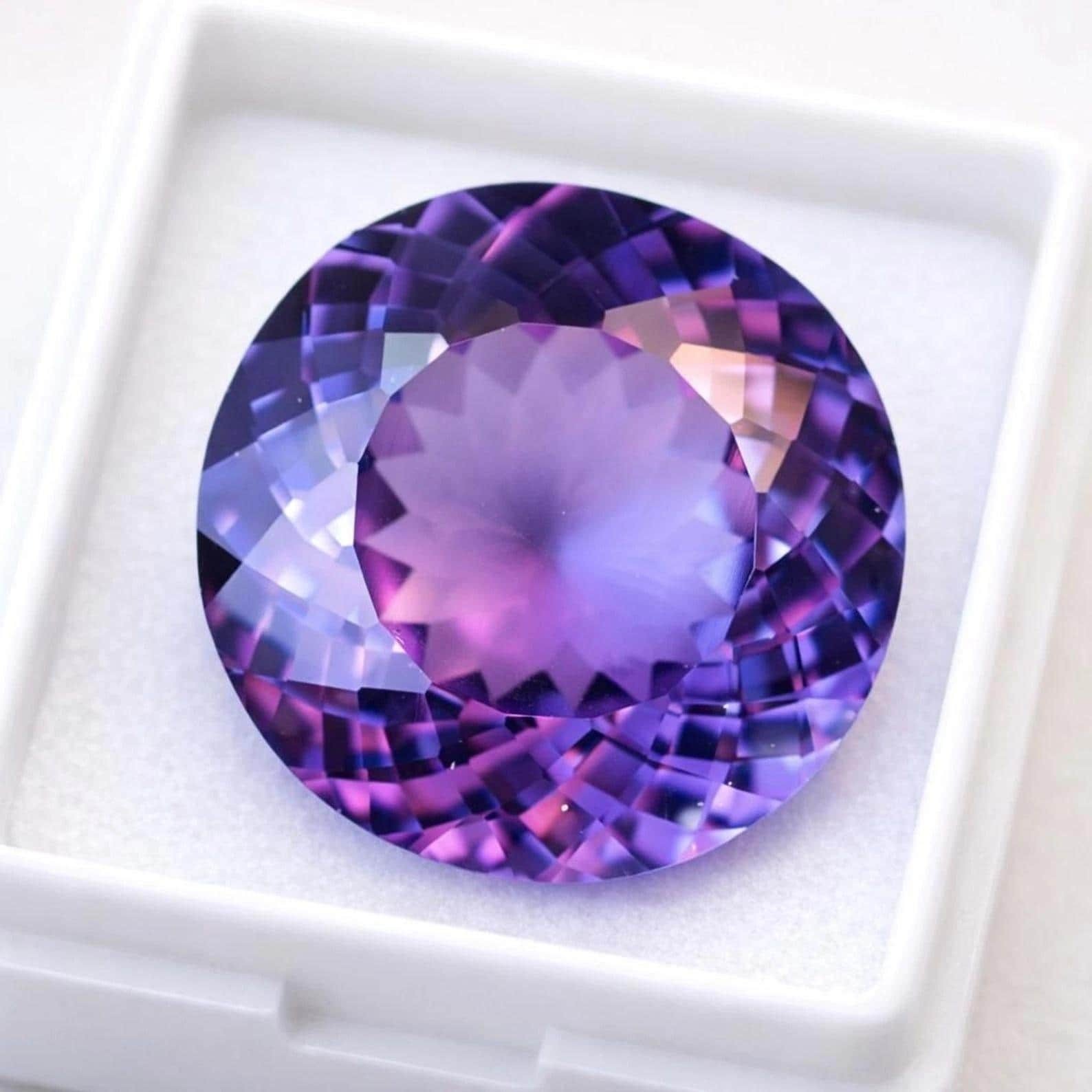
The alexandrite makes its case with a finished cut and a color-change effect. This round stone is already faceted, so it is closer to the final look most jewelry projects need. The effects combine color change with asterism, which gives it an unusual light show for a cut stone. The trade-off is size: compared to the sapphire, this is a much smaller stone, so its visual presence comes from optical behavior rather than sheer volume. If your project calls for a centerpiece with a dramatic shift in color, this alexandrite is the practical choice.
Final choice by use case Choose the Natural Blue Sapphire Rough if you want a raw natural look. Choose the Alexandrite Color Change Round Cut if you want a faceted stone with a dramatic optical effect and a more finished profile for jewelry. Whether you're building a collection or planning a setting, the choice comes down to raw presence or finished performance.